Where Mule Deer Winter in Sage Country
Finding mule deer in Nevada can feel like an impossible task sometimes, especially when you’re thinking beyond the fall hunting seasons. Many hunters scratch their heads wondering where these magnificent animals disappear to once the snow starts flying and the high country becomes a frozen wasteland. This guide is all about peeling back the layers of Nevada's vast sagebrush sea to reveal the crucial wintering grounds where mule deer survive the harshest months, giving you a deeper understanding of their annual cycles and habitat needs.
Understanding Nevada's Winter Ranges for Mule Deer
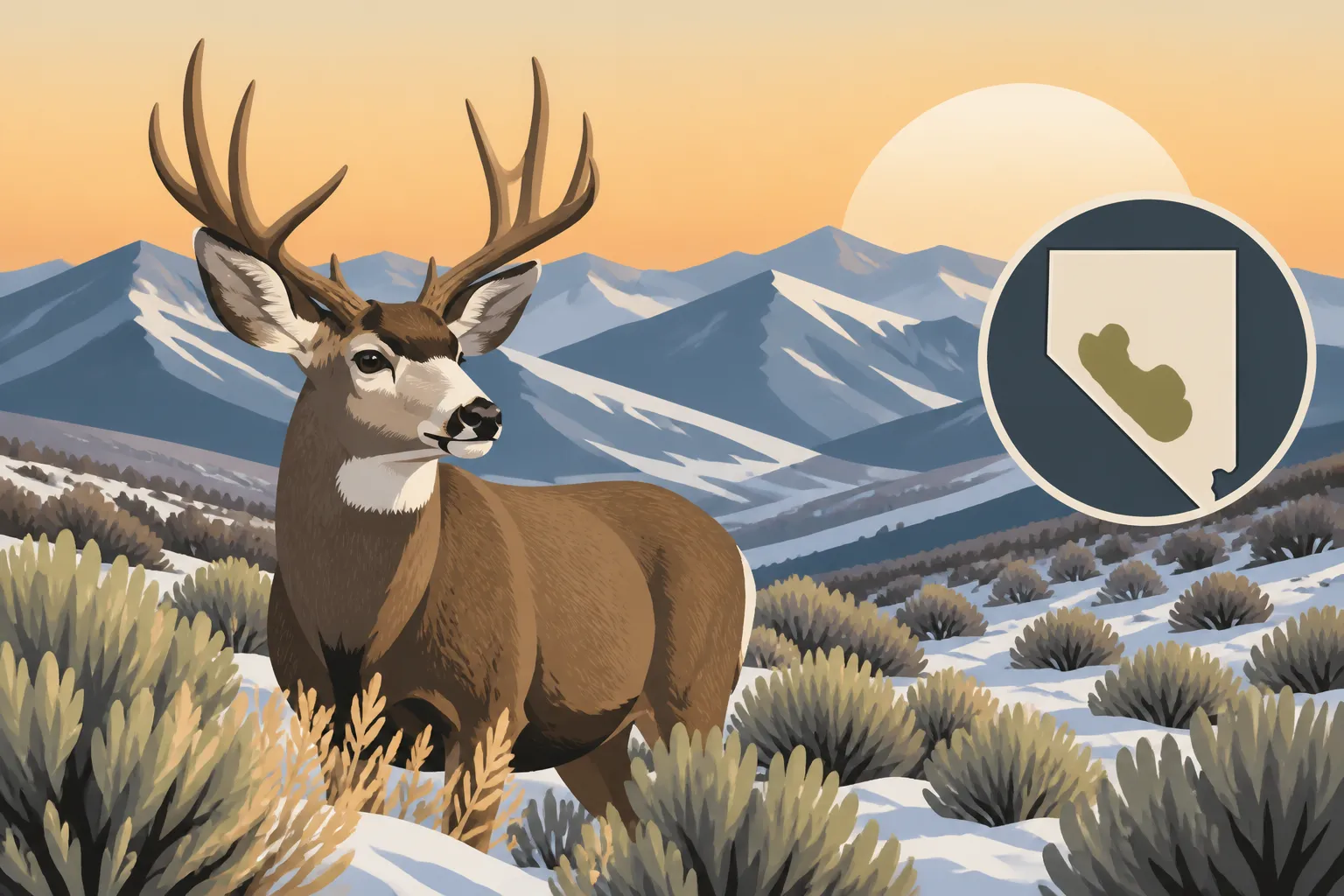
Nevada's landscape is defined by its "Basin and Range" topography – countless mountain ranges separated by wide, arid valleys. For mule deer, this means a yearly migration from summer grounds in the high elevation forests and alpine meadows down to the relatively milder, snow-free basins and lower mountain slopes when winter arrives. It’s a survival strategy honed over millennia, and understanding it is key to truly knowing these animals.
The Ecological Importance of Sagebrush
When many people look at vast expanses of sagebrush, they might just see endless scrubland. But for mule deer, especially in winter, sagebrush isn't just a plant; it's life itself. Big sagebrush (Artemisia tridentata) is incredibly important because it's an evergreen shrub. While other plants drop their leaves or go dormant, sagebrush retains its foliage, providing a critical source of protein and energy when most other forage is buried under snow or simply isn't palatable. Deer will browse the terminal ends of the sagebrush, taking just enough to sustain them.
Beyond food, sagebrush also offers vital cover. Its dense canopy, particularly in healthy stands, provides thermal cover, protecting deer from brutal winter winds and helping them conserve energy. Imagine a cold, windy day: bedding down within a thick patch of sagebrush makes a massive difference compared to being exposed on a bare hillside. This isn't just about avoiding a chill; it's about minimizing the energy burned to stay warm, energy that is precious when food is scarce and conditions are brutal. The Mule Deer Population Trends Across the Great Basin are often directly tied to the health and availability of these sagebrush winter ranges.
Elevation and Aspect as Key Factors
As winter sets in, snow depth is the primary driver for mule deer movement. They'll typically migrate from their summer high-country haunts—which could be 8,000 to 10,000 feet or higher—down to lower elevations, often settling between 4,000 and 7,000 feet, where snow accumulation is less severe and typically melts faster. This vertical migration is a race against the elements, aiming for areas that offer both accessible forage and protection.
Aspect, the direction a slope faces, becomes incredibly important during these colder months. South-facing slopes are gold for wintering deer. Why? Because they receive more direct sunlight, which helps melt snow quicker and exposes crucial forage sooner than north-facing slopes. These sunny aspects can be a few degrees warmer, offering a microclimate that’s slightly less harsh. You'll often find deer congregated on these sun-drenched hillsides, soaking up warmth and pawing through shallow snow to reach plants. Conversely, while north-facing slopes might hold snow longer, they can provide critical thermal cover, particularly if they have dense stands of juniper or other conifers that block wind and trap heat. Deer might utilize these for bedding during the coldest parts of the day or during storms, then move to south-facing slopes to feed.
Historical Migration Corridors and Bottlenecks
Mule deer aren't just wandering aimlessly; their winter movements are often dictated by deeply ingrained, historical migration corridors. These are routes that generations of deer have used to travel between their summer and winter ranges. These paths often follow drainages, natural benches, or mountain passes that offer the easiest travel and access to necessary resources. Think of them as ancient deer highways.
The challenge, and sometimes the frustration for hunters, is that these corridors can sometimes become bottlenecks. Human development, fences, roads, or even habitat changes like extensive wildfires can constrict these natural routes, forcing deer into tighter areas or disrupting their traditional movements. Understanding these historical pathways is not just academic; it's incredibly practical. If you know where deer typically move from high to low country, you can anticipate their presence in specific lower-elevation basins or on certain long ridges that serve as natural travel lanes when the snow starts falling. Reading a Nevada Hunt Unit Before You Apply can sometimes offer insights into these broader seasonal movements within a unit.
Identifying Key Wintering Habitats in Nevada
Nevada’s winter landscape for mule deer isn't uniform. While sagebrush is a common thread, specific geographical features and vegetation types create distinct havens where deer hunker down for the coldest months. Knowing what to look for on a map, and eventually on the ground, can save you countless hours of fruitless searching.
Lower Elevation Basins and Valleys
Many of Nevada's wide, intermountain basins and valleys, which might seem desolate during summer, transform into crucial wintering grounds. Areas like the expansive valleys near Elko in the northeast, or the broad plains surrounding Eureka or Winnemucca further west, often become home to thousands of deer seeking refuge from deep mountain snows. These aren't always vast, unbroken seas of sage; rather, deer will gravitate towards specific drainages, draws, and lower foothills within these larger basins.
Within these open environments, scattered pockets of juniper and mountain mahogany become incredibly valuable. Juniper offers dense, often impenetrable, thermal cover, giving deer a place to escape harsh winds and snow. Mountain mahogany, especially curl-leaf varieties, can also provide a browse component in addition to cover. These small, isolated clumps of trees act like magnets for deer, drawing them in from miles around. During a cold snap, you might find deer congregated tightly in these small woodlots, seeking every bit of protection they can get. It’s not uncommon to glass a vast, open basin and suddenly pick out a dark patch of junipers holding dozens of animals.
Sheltered Slopes and Canyon Bottoms
Beyond the wide-open valleys, mule deer also seek out sheltered slopes and the bottoms of canyons and draws. These features offer a combination of protection from wind, access to forage that might be less snow-covered, and sometimes even a slightly warmer microclimate. When you’re looking at a topographical map, think about where the harshest winds would be blocked and where snow might drift least or melt first.
Broken, rocky terrain with scattered rock outcroppings provides excellent bedding sites. Deer feel secure in these areas, using the rocks for cover and a vantage point. North-facing slopes, while typically colder and holding snow longer, can offer crucial escape cover, especially if they transition quickly to south-facing slopes for feeding. The key is finding that balance where deer can move efficiently between thermal protection and accessible food sources. Even though water is often frozen in winter, understanding Hunting Water in Nevada's Driest Country is still relevant. Deer can obtain moisture from snow, succulent plants, or by eating snow directly, but readily available water sources, even small springs that stay open, can be vital congregation points in milder periods or late winter. How Guzzlers Concentrate Desert Game also applies, as these can be critical, though often snow-covered, resources in early winter.
Specific Nevada Regions Known for Wintering Deer
While it's tricky to pinpoint exact units without current data, certain regions of Nevada are broadly recognized for holding significant wintering deer populations due to their topography and habitat.
The eastern and northeastern parts of the state, with their extensive sagebrush basins interspersed with mountain ranges like the Ruby Mountains, East Humboldt Range, and Snake Range, provide vast wintering grounds. Deer often descend from the higher elevations of these ranges into the surrounding valleys and foothills, such as those that feed into the vast plains around Elko, Wells, and Ely. Similarly, central Nevada, with ranges like the Toiyabes, Monitors, and Diamonds, sees deer pushing down into the lower sagebrush valleys.
The key across all these areas is the presence of suitable, low-snow-accumulation sagebrush habitat, often coupled with pockets of juniper or mountain mahogany for cover. These are the zones where deer density can be surprisingly high, even if they're spread out across enormous areas. When you're using tools like GoHunt, looking at public land layers and satellite imagery, focus on the lower-elevation fringes of major mountain ranges and the south-facing slopes of these foothills. You’ll begin to see patterns of darker vegetation (often juniper) or areas of denser sage that stand out, which are prime candidates for winter range.
Scouting and Researching Winter Deer Habits
Knowing where mule deer should winter is one thing; actually finding them is another. The vastness of Nevada can make even the most obvious winter range feel like a needle in a haystack. Effective scouting, both remotely and in the field, is essential for truly understanding these seasonal movements.
Utilizing E-Scouting Tools
Before you ever set foot in the field, e-scouting can give you a massive head start. Satellite imagery, available through platforms like GoHunt, is an invaluable resource. Start by identifying the highest peaks and potential summer ranges in your unit. Then, follow the drainages and ridges down to lower elevations. Look for extensive areas of south-facing slopes. These will often appear lighter green or browner in winter imagery due to earlier snowmelt and exposed vegetation. Pay close attention to subtle changes in vegetation density—darker, thicker patches of sagebrush, juniper stands, or pockets of mountain mahogany on those south-facing aspects. These are the natural magnets for wintering deer.
You can also use topographic overlays to identify benches, saddles, and draws that might offer easier travel corridors for deer migrating from higher ground. Pinpoint potential escape routes and areas that offer both food and cover. Many of these mapping platforms also offer historical data layers or public land ownership information, which can help you understand access points and potential areas of higher or lower pressure. E-Scouting a Nevada Unit Before the Season is a skill that pays dividends year-round, but especially for anticipating winter movements.
Reading Sign and Understanding Movement Patterns
Once you're on the ground, reading deer sign takes on new importance in winter. Look for fresh tracks in the snow or mud, especially along ridges and in the bottoms of draws. Beds will often be dug into the snow, exposing the bare ground underneath, or tucked tightly against rocks or in dense sage for shelter. Pay attention to how the beds are oriented – typically facing downhill or into the prevailing wind for better visibility and scenting.
Browse lines on sagebrush and other shrubs are a dead giveaway. Look for clipped ends of branches, particularly on preferred browse species. The lower the browse line, the deeper the snow has been. Understanding that deer are trying to conserve energy means they'll often move less than in other seasons. They'll spend more time bedded, moving mainly to feed, seek water, or escape disturbance. This means that if you find fresh sign, the deer are likely very close, possibly bedded just over the next ridge or in a nearby patch of cover. This is where methods like Why Glassing Beats Walking in Sage Country and applying The Grid Glassing Method, Step by Step become paramount. Instead of burning energy by walking, let your optics do the work from a vantage point.
Consulting Resources and Local Knowledge
Never underestimate the value of published resources and local expertise. The Nevada Department of Wildlife (NDOW) often publishes information on herd management plans, which sometimes include maps or descriptions of crucial winter range. While you won't get a treasure map, these documents can give you a broad understanding of critical areas within a unit. When Reading a Nevada Hunt Number Before You Apply, pay attention to any notes or maps regarding habitat types or seasonal ranges.
Engaging with local game wardens, biologists, or long-time residents—especially ranchers or other land users—can provide invaluable insights. They spend more time on the ground in these areas than anyone and often know the subtle nuances of deer movement patterns, especially how they change year to year based on snowpack and forage conditions. They might not give away their secret spots, but they can guide you toward general areas or explain particular behaviors you might observe. Remember that winter range patterns can fluctuate due to factors like severe drought, which might force deer to adapt their movements, or Wildfire Changes Sagebrush Habitat, temporarily altering preferred areas.
Conservation and Ethical Considerations for Winter Range
Understanding where mule deer winter isn't just about finding them; it's also about appreciating their vulnerability during this critical period and acting as responsible stewards of the land and wildlife. Winter is a brutal gauntlet, and unnecessary disturbance can have severe consequences for a deer's survival.
Minimizing Disturbance on Wintering Deer
Mule deer enter winter carrying a finite amount of fat reserves, and their survival hinges on conserving that energy. Every time a deer is spooked or forced to run, it burns precious calories that cannot be easily replaced. Imagine being forced to sprint in deep snow – it's exhausting. For deer, repeated disturbances can lead to significant weight loss, making them more susceptible to disease, predation, and ultimately, starvation.
Ethically, as hunters and outdoor enthusiasts, we have a responsibility to minimize our impact on wintering deer. This means being mindful of where we recreate, especially in critical winter range areas. If you're out shed hunting, snowmobiling, or just exploring, be aware of the wildlife around you. If you encounter deer, observe them from a distance and avoid pushing them unnecessarily. Sometimes, the most responsible action is simply to give them space and allow them to conserve their energy undisturbed. The goal is to ensure these herds thrive, not just survive the winter. This ties into broader discussions about Water Development and Hunting Ethics and ensuring our recreational pursuits align with wildlife well-being.
Habitat Preservation Efforts
The health and availability of sagebrush winter range are fundamental to the long-term viability of Nevada's mule deer herds. Unfortunately, these vital habitats face numerous threats. Wildfire, often fueled by invasive species like cheatgrass, can devastate vast tracts of sagebrush that take decades, if not centuries, to recover. Development, including urban sprawl and energy projects, can fragment or outright destroy crucial migration corridors and wintering grounds.
Supporting conservation efforts aimed at protecting and restoring sagebrush ecosystems is paramount. This includes advocating for responsible land management, participating in volunteer habitat restoration projects, and financially supporting organizations dedicated to wildlife and habitat conservation. Understanding the broader ecological challenges, such as how Cheatgrass and What It Did to Nevada Range, helps to put the specific needs of wintering deer into perspective. By actively contributing to habitat preservation, we ensure that future generations of hunters and wildlife enthusiasts will continue to have healthy, robust mule deer populations to appreciate.
Winter Range Characteristics Table
Here's a quick comparison of key characteristics for mule deer summer vs. winter range in Nevada:
| Feature | Summer Range | Winter Range |
|---|---|---|
| Elevation | High mountains, alpine meadows (7,000'+) | Lower slopes, basins, valleys (4,000'-7,000') |
| Primary Forage | Lush grasses, forbs, browse | Sagebrush, bitterbrush, juniper, browse |
| Cover Type | Conifer forests, aspen groves, tall brush | Dense sagebrush, juniper, mountain mahogany, rock formations |
| Snow Depth | Minimal to moderate (higher elevations) | Generally shallow, patchy; melts quickly on sunny aspects |
| Aspect Preference | Less critical, often diverse | South-facing slopes preferred for warmth/forage exposure |
| Movement | More active, seeking diverse forage, water | Less active, conserving energy, moving between food/cover |
| Primary Threat | Predation, heat stress, limited water | Starvation, deep snow, severe cold, predation, human disturbance |
Disclaimer
This article is for general informational purposes only and does not constitute professional advice. Laws, prices and regulations vary by location and change over time. Consult a qualified professional for guidance on your specific situation.