Predator Management and Nevada Deer
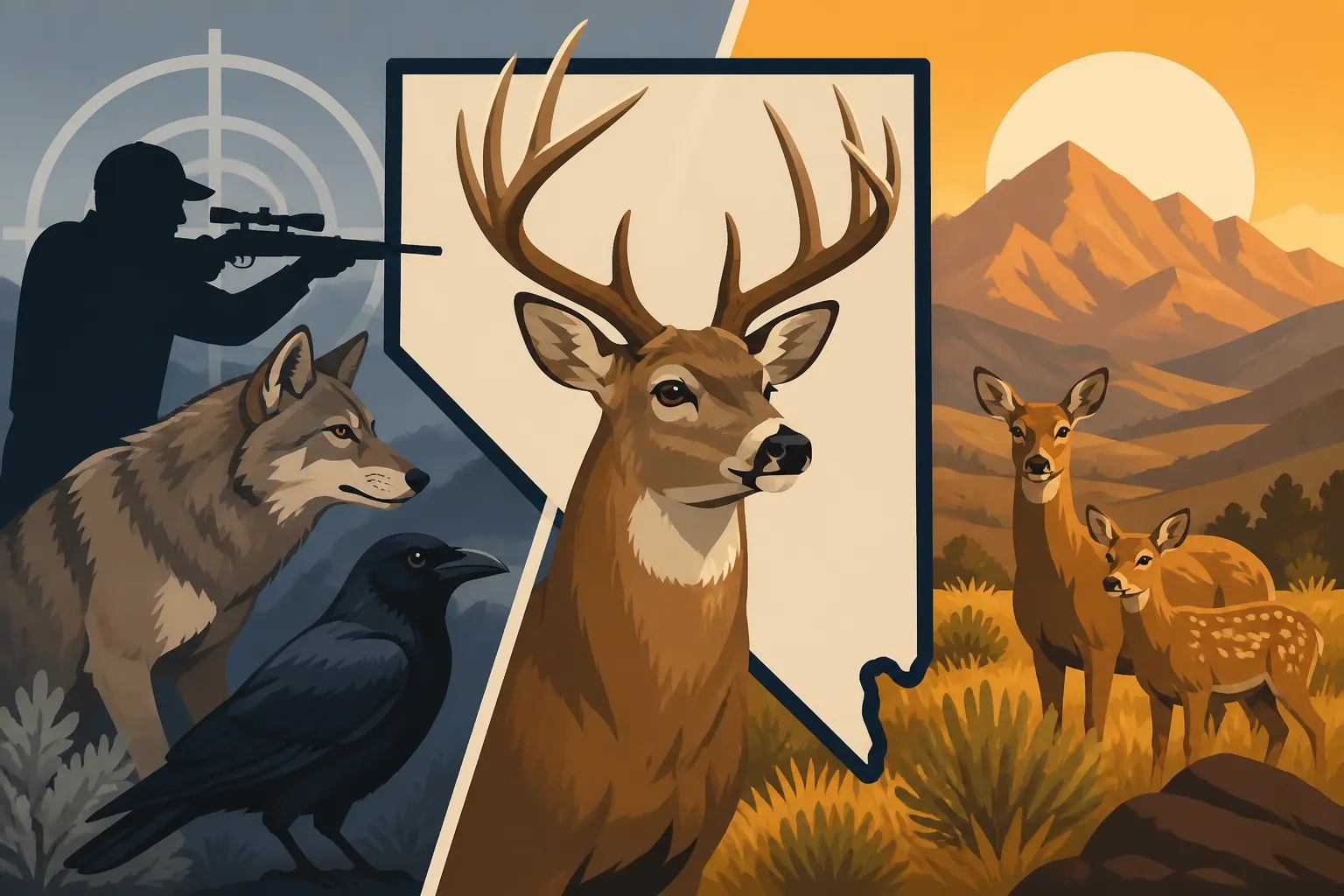
It's a common refrain among hunters in Nevada: "The predators are eating all the deer." There's a deeply felt frustration, especially after a tough season or when fawn recruitment seems low, that mountain lions, coyotes, and even bears are solely responsible for declining deer numbers. While it's true that predators play a natural and often significant role in any ecosystem, the relationship between predator management and Nevada's deer populations is far more nuanced than many realize, and this guide aims to unravel that complexity.
The Complex Relationship Between Predators and Prey in Nevada
When we talk about hunting deer in Nevada, we're almost always talking about mule deer. These iconic animals thrive in the diverse and often harsh landscapes of the Great Basin, but their survival isn't just about finding food and water; it's also about navigating a world where they are a primary food source for other species. Hunters frequently voice concerns about perceived increases in predator populations, often correlating directly with a dip in deer sightings or harvest numbers. This gut feeling is understandable, but the science behind population dynamics paints a much broader picture.
Primary Predators of Mule Deer in Nevada
Nevada is home to several effective predators that target mule deer, especially fawns and weaker adults. Understanding their natural roles is crucial. Mountain lions, for instance, are apex predators, incredibly skilled at ambushing and taking down large prey. Their presence is a natural component of a healthy deer ecosystem, often culling the less fit animals and playing a part in herd health. Mountain Lion Hunting Across Nevada is a highly regulated activity, reflecting their status as a major big game species.
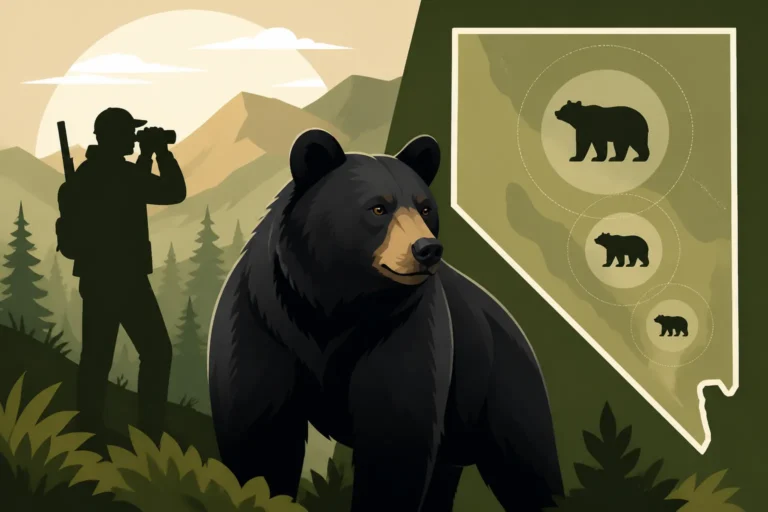
Coyotes are another significant predator, particularly for fawns. Their opportunistic nature and adaptability mean they are found across nearly every landscape Nevada offers. While they rarely take down a healthy adult mule deer, a young, vulnerable fawn is absolutely on their menu. Black bears, especially in the western and northern parts of the state where Black Bear Returned to Western Nevada, can also prey on fawns and sometimes adults, particularly when other food sources are scarce. It's a natural cycle, but one that can feel very personal to a hunter who sees fewer deer.
The Role of Habitat, Weather, and Disease
It’s easy to point a finger at predators, but the reality for Nevada's mule deer herds is that much larger forces are often at play. Habitat quality is king. If deer don't have enough nutritious forage, access to water, and secure cover for fawning and escape, their overall health declines. Drought, a persistent challenge in the Great Basin, severely impacts forage availability and water sources, leading to weaker deer and fewer fawns surviving their first year. How Drought Affects Great Basin Deer delves into this in detail.
Wildfires, while sometimes beneficial in the long term, can devastate crucial winter range and summer feeding grounds in the short term. How Wildfire Changes Sagebrush Habitat explains how these events can dramatically alter the landscape. Disease, though less frequently discussed, can also sweep through deer populations, weakening them and making them more susceptible to predation. When deer are stressed by poor habitat and disease, predator impacts are naturally magnified. Think of it this way: a healthy, well-fed fawn stands a much better chance against a coyote than a malnourished one.
Nevada's Approach to Predator Management
Given the passion hunters have for healthy deer herds, it’s no surprise that predator management is a hot topic. The Nevada Department of Wildlife (NDOW) doesn't ignore the role of predators; rather, they approach it as one component of a much larger, science-based wildlife management strategy. It’s not about eradication, which isn’t ecologically sound or feasible, but about strategic intervention where necessary and allowing natural processes to occur elsewhere.
State-Managed Predator Control Programs
NDOW, often in conjunction with federal partners like USDA Wildlife Services, does engage in targeted predator control, particularly for species like coyotes. These programs are usually focused on specific areas where deer populations, especially fawns, are struggling, and where research indicates that predator removal could provide a measurable benefit. This isn't a blanket approach across the entire state, but rather a surgical effort designed to alleviate pressure in critical habitats or during vulnerable times, like fawning season. The goal isn't to eliminate coyotes, but to temporarily reduce their numbers to give deer a better chance to recover.
For larger predators like mountain lions, management often involves monitoring populations and setting harvest quotas. Nevada Mountain Lion Quotas and Zones are carefully established to ensure sustainable populations while allowing hunters to participate in their management. The state utilizes robust data, often gathered through research and field observations, to inform these decisions, rather than reacting solely to anecdotal evidence.
Hunter Opportunity as a Management Tool
Nevada's hunting seasons for mountain lions and black bears serve as important management tools. When hunters harvest these animals under strict regulations, they contribute directly to population management. For mountain lions, tags are often limited, and hunters must follow specific reporting requirements. Similarly, How Nevada Manages Its Bear Season involves strict quotas and monitoring to ensure the population remains healthy. These hunts provide unique experiences for hunters while simultaneously contributing to the balance of the ecosystem.
Coyotes, on the other hand, are generally considered a nuisance species in Nevada and can be hunted year-round without a specific tag, subject to general hunting regulations. This liberal season framework acknowledges their widespread distribution and reproductive capabilities. While hunting coyotes may not drastically alter the overall state population, it can certainly reduce local pressure on deer in specific areas where individual hunters focus their efforts. Websites like GoHunt provide valuable resources and unit data that can help hunters understand where these opportunities exist and the overall ecological picture.
The Impact of Predator Management on Deer Populations
This is where the conversation often gets most interesting, and sometimes, most heated. Hunters want to see more deer, and if removing predators achieves that, then it seems like a simple solution. However, wildlife science tells us it's rarely that straightforward.
Scientific Understanding vs. Perceived Impact
While localized predator control can sometimes lead to short-term increases in fawn survival, it’s often difficult to see a sustained, large-scale impact on overall deer populations from predator management alone. This is due to a concept called "compensatory mortality." Essentially, if predators don't take an animal, something else often will – whether it's starvation, disease, or another accident. Removing one cause of death might simply allow another to take its place if the underlying habitat conditions aren't also addressed.
Studies have shown that for deer herds to truly thrive and grow, improvements in habitat are almost always the most critical factor. When deer have abundant, high-quality forage, adequate water, and safe fawning cover, they are inherently more resilient, produce more fawns, and those fawns have a higher survival rate. So, while predator management might feel like a direct solution, it's often more of a temporary bandage if the fundamental habitat issues aren't also being tackled. This is a point that data platforms like GoHunt often highlight in their analyses, emphasizing habitat quality as a key factor in hunt success.
Long-Term Habitat Benefits
Ultimately, the most effective "predator management" for deer in Nevada often comes down to robust habitat management. Efforts to improve forage, develop new water sources, and protect critical winter ranges have a far greater and more lasting impact on deer numbers than solely reducing predators. Programs focused on restoring sagebrush ecosystems, managing invasive cheatgrass, and developing water sources through projects like guzzlers directly benefit deer by providing them with the resources they need to be healthy and productive. Water Development Projects Built for Wildlife are crucial in Nevada's arid landscape.
When deer are strong, healthy, and have plenty of safe places to raise their fawns, they can withstand natural levels of predation. Think of it as building a strong foundation for the deer population. Predator management can be one tool in the toolbox, but it's rarely the entire construction project. Many conservation groups and outfitters understand this, channeling resources into habitat work that benefits all wildlife, including both predators and prey. To understand herd health comprehensively, consulting resources that analyze Why Fawn Ratios Predict Next Season and Reading a Herd Management Plan can offer deeper insight into how habitat plays the leading role.
How Hunters Can Engage with Predator Management
As hunters, we have a vested interest in the health of Nevada’s deer herds. While direct predator control is typically handled by state agencies, there are valuable ways we can contribute to the overall picture and support effective wildlife management. Your involvement goes beyond just drawing a tag; it extends to being a responsible and informed conservationist.
Reporting Observations and Data
One of the most powerful tools wildlife biologists have is good data. As hunters, we are often out in the field more than anyone else, seeing what's happening on the ground. Reporting your observations of deer, particularly fawn sightings and herd health, to NDOW can be incredibly valuable. If you harvest a mountain lion or bear, the mandatory reporting and biological samples you provide offer crucial information for population estimates and health assessments. This data helps wildlife managers make informed decisions about quotas, unit boundaries, and whether targeted predator management interventions might be justified in specific areas. Organizations like GoHunt often encourage their users to contribute to community data, emphasizing the power of collective observation.
When you spend hours Glassing Nevada's Basin and Range for Mule Deer or E-Scouting a Nevada Unit Before the Season, you're gathering intelligence that can benefit the state's wildlife managers. Noticing changes in habitat, identifying new water sources, or even observing unusual predator activity, all contribute to a more complete picture. Don't underestimate the value of your eyes and boots on the ground.
Supporting Habitat Conservation
The most impactful way hunters can engage with the long-term health of Nevada’s deer herds, and indirectly, the balance of predators and prey, is by supporting habitat conservation efforts. This means joining or donating to organizations that actively work on habitat restoration, range improvements, and securing access to crucial winter and summer ranges. Every dollar spent on licenses and tags also contributes directly to NDOW’s conservation efforts, including habitat projects.
Consider getting involved in volunteer efforts to plant bitterbrush, maintain guzzlers, or remove invasive species. These hands-on actions directly improve the environment for deer, making them more robust and resilient against all challenges, including predation. Ultimately, a healthy habitat creates healthy deer, and healthy deer can better withstand the natural pressures of predation, ensuring a vibrant ecosystem for generations of hunters to come.
Here's a quick look at Nevada's primary deer predators and their general management status:
| Predator Species | Primary Prey (Deer) | General Management Status | Hunter Participation |
|---|---|---|---|
| Mountain Lion | Fawns, adults | Regulated big game | Limited draw tags |
| Coyote | Fawns | Unregulated (nuisance) | Year-round hunting |
| Black Bear | Fawns, occasional adults | Regulated big game | Limited draw tags |
Disclaimer
This article is for general informational purposes only and does not constitute professional advice. Laws, prices and regulations vary by location and change over time. Consult a qualified professional for guidance on your specific situation.