Best Units to Draw for Nevada Antelope
Trying to navigate Nevada's big game draw can feel like deciphering an ancient scroll, especially when you're dreaming of a pronghorn tag. It’s a truly frustrating process, pouring over statistics and trying to predict which unit might give you a fighting chance for that speed goat of the sagebrush flats. This guide is here to unravel some of that mystery, helping you understand the factors that go into drawing a coveted Nevada antelope tag and pointing you toward units that often provide rewarding opportunities.
Understanding Nevada's Antelope Landscape
Nevada’s vast, open country is practically custom-built for pronghorn. These incredible animals, often mistakenly called antelope, thrive in the expansive sagebrush seas and wide-open valleys that define much of the Silver State. But just because they're widespread doesn't mean every unit offers the same hunting experience or draw odds. Understanding the general landscape where these creatures roam is your first step.
Why Antelope Hunting Is Unique in Nevada
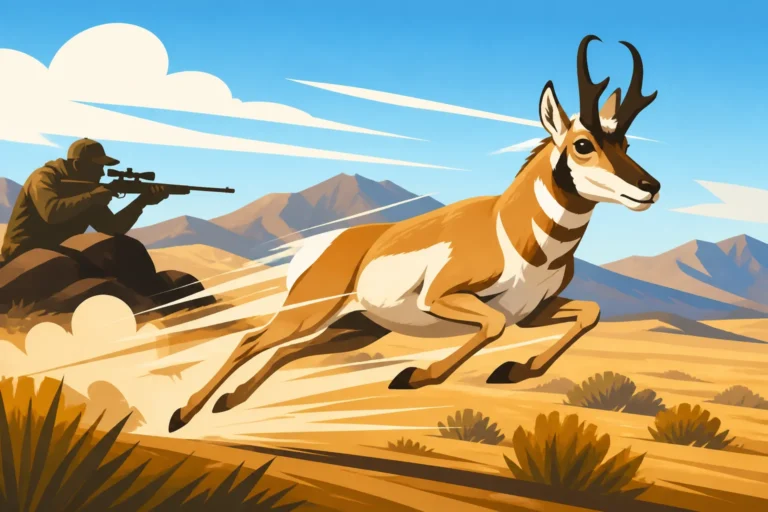
Hunting antelope in Nevada isn't like chasing deer in the timber or elk in thick mountains. It's a game of long distances, high-quality optics, and patience under the relentless desert sun. Your hunt often begins by glassing vast basins, searching for a flash of white or the tell-tale black horns of a buck. Once spotted, the real challenge begins: closing the distance on an animal with eyesight equivalent to an 8x binocular and the speed to match. This open environment means knowing your unit, understanding the terrain, and preparing for the unexpected are paramount.
Many hunters find the mental game of an antelope stalk just as challenging as the physical exertion. You'll use every crease, every rise, and every bit of cover to inch closer, often battling mirage and swirling winds. It’s a stark contrast to other big game hunts and requires a specific set of skills and a deep appreciation for the unique characteristics of the Great Basin.
Where Pronghorn Numbers Are Strongest
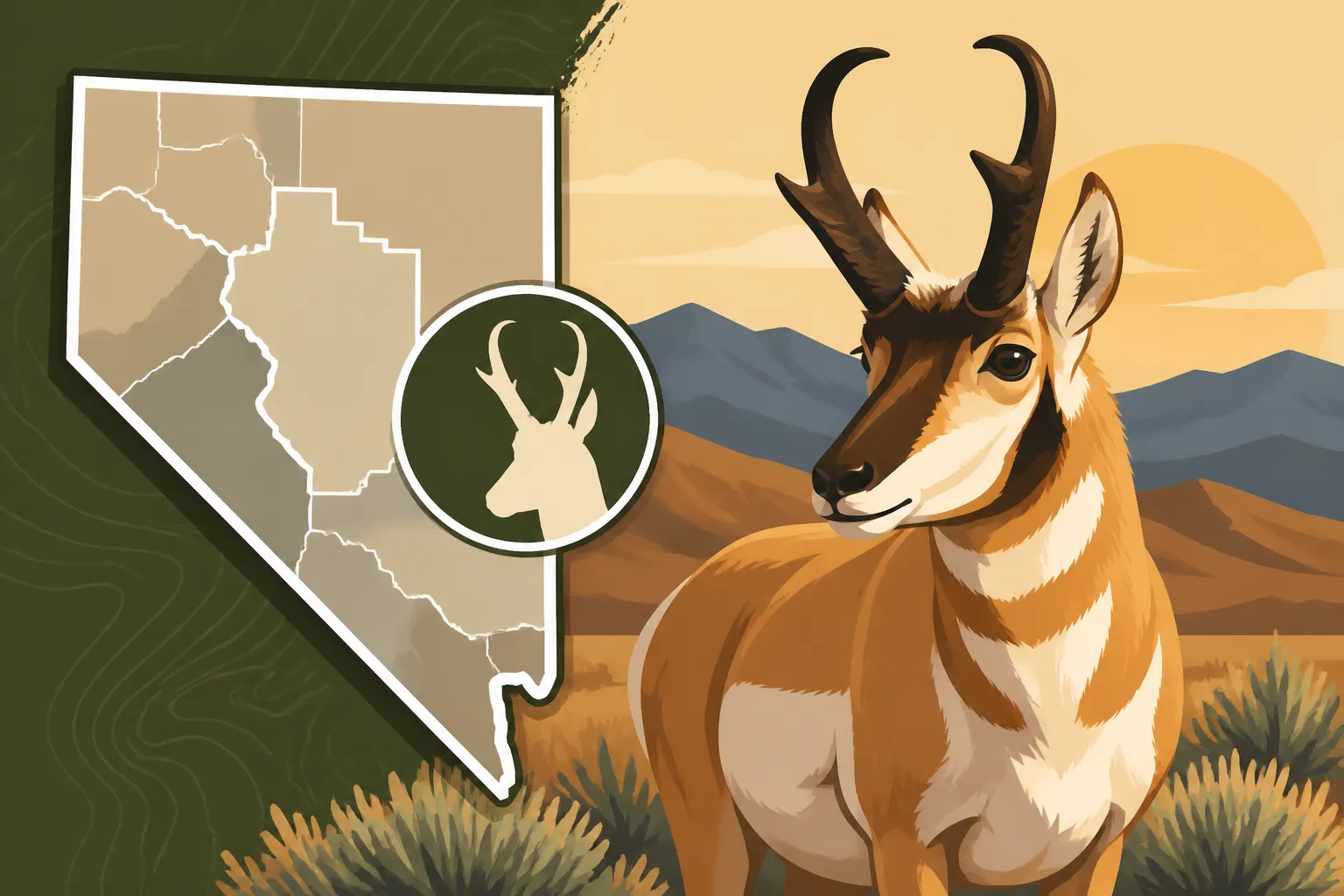
Generally speaking, Nevada's antelope populations tend to be strongest in the central and eastern portions of the state. These regions boast immense, unbroken tracts of sagebrush steppe and grasslands, providing ideal habitat for pronghorn herds to flourish. Think wide-open valleys nestled between mountain ranges, often with scattered agricultural lands that provide additional forage. These expansive areas allow pronghorn to maintain their characteristic high populations and spread out across the landscape.
Units within areas like the Independence Valley, the Steptoe Valley, and the vast central Nevada basins often hold impressive numbers of antelope. These are the kinds of places where you can literally spot dozens, if not hundreds, of animals in a single day of dedicated glassing. When you're looking for Pronghorn on Nevada's Valley Floors, these large, interconnected habitats are your best bet for finding a healthy, huntable population.
Key Factors for Choosing an Antelope Unit
Deciding which Nevada antelope unit to apply for involves more than just picking one with pretty scenery. You need to weigh draw odds, consider the terrain, and understand the different types of tags available. It's a strategic decision that can significantly impact your chances of success.
Draw Odds and Bonus Points
Nevada operates on a bonus point system that can feel a bit complex, especially for new applicants. Essentially, the more years you apply and don't draw, the more bonus points you accumulate for that specific species. Nevada then squares your bonus points, giving you more chances as your points build. For antelope, this means that while true trophy units might still take many years to draw, there are usually units with more accessible draw odds, especially for those with a few points in the bank.
Many hunters rely on detailed draw statistics from resources like GoHunt to analyze their chances. These platforms compile years of data, showing successful applicant point totals, allowing you to gauge which units might be within your reach. It's crucial to check these statistics every year, as draw odds can fluctuate based on quotas and applicant numbers. Understanding How Nevada's Squared Bonus Points Work is fundamental to making an informed choice for your application.
Terrain and Access Considerations
Nevada's units vary dramatically in terrain, and this will absolutely affect your antelope hunt. Some units are relatively flat, wide-open sagebrush flats that offer miles of visibility but little cover for stalking. Others might be more broken, with rolling hills, draws, and scattered junipers that provide excellent cover but can make initial spotting more challenging. Consider what kind of hunting experience you're looking for and what your physical capabilities allow.
Public land access is another critical factor. While Nevada is predominantly public land, some of the most productive antelope habitat can be found on checkerboard private/public ground or even primarily private ranch land along major valleys. Always consult detailed land ownership maps, such as those provided by GoHunt or mapping apps, to understand where you can legally hunt. Knowing How Nevada Numbers Its Hunt Units and then cross-referencing that with land ownership is vital before you commit to a unit.
Horns-Only Hunts Versus Any Antelope
When applying for Nevada antelope, you'll notice that some units offer "any antelope" tags, while others specify "horns-only" tags. An "any antelope" tag means you can harvest a buck or a doe, offering greater flexibility and generally better success rates, especially for those new to antelope hunting or simply looking to fill their freezer. These tags are often found in units with higher antelope populations and typically have slightly better draw odds.
"Horns-only" tags, as the name suggests, restrict you to harvesting only a buck. These tags are usually for units where herd management might prioritize buck quality or where overall populations are managed more tightly. While they offer the thrill of pursuing a trophy buck, they can be significantly harder to draw and often require more intensive scouting and hunting effort. Your decision on which type of tag to pursue should align with your hunting goals and your personal tolerance for draw difficulty.
Top Contender Units for Drawing Nevada Antelope Tags
While "the best" unit is always subjective and can change with annual quotas and environmental factors, certain areas and unit types consistently offer strong opportunities for drawing a Nevada antelope tag. It's about finding that sweet spot between decent draw odds and a solid population of animals.
Units Known for Strong Antelope Populations
When considering which units to apply for, look at the broad eastern and central Nevada regions. Unit groups that cover these expansive, relatively flat, sagebrush-dominated valleys often have higher tag allocations and more consistent antelope numbers. These areas provide the ideal forage and open space that pronghorn require. Historically, units in the 051-053, 061-068, and 071-077 unit groups have been known to hold healthy antelope populations and, consequently, sometimes offer slightly better draw odds than the absolute premium units.
However, even within these general areas, conditions can vary. It’s imperative to do your homework and review the most current harvest reports and population surveys. Tools like GoHunt can help you Read a Nevada Hunt Unit Before You Apply, allowing you to dig into past success rates and see how many hunters were able to harvest an animal in specific units. Keep in mind that "strong population" doesn't always equal "easy draw," but it does generally mean a better hunting experience once you have that coveted tag in hand.
Balancing Quality and Drawability
For many hunters, the goal isn't just any antelope, but a respectable buck. The challenge is that units known for truly exceptional trophy bucks often have astronomically difficult draw odds, sometimes requiring decades of accumulating points. This is where balancing quality and drawability becomes key. Rather than throwing away points on a unit you'll never draw, consider units that have good, but not necessarily record-book, buck populations and better historical draw odds.
This strategy is especially important for those with fewer bonus points. You might find success faster by focusing on units that offer a solid chance at a mature buck, even if he's not a P&Y qualifier. Remember, a successful hunt is often more about the experience and the challenge than the score. Once you draw, focus on Field Judging a Pronghorn Buck From Distance to make the most of your tag.
Here's a simplified look at how units might compare based on common hunter priorities:
| Unit/Region Type | Draw Difficulty (Points Needed) | Typical Buck Quality | Public Land Access | Terrain Description |
|---|---|---|---|---|
| High-Demand Trophy Units | Very High (15+ points) | Excellent | Variable | Mixed, often broken |
| Solid Opportunity Units | Moderate (5-10 points) | Good | High | Open plains, rolling hills |
| General Hunt Units | Lower (0-5 points) | Average to Good | Very High | Flat sagebrush flats |
| Horns-Only Specific | Moderate to High | Above Average | Variable | Open, good visibility |
Scouting and Preparation for Success
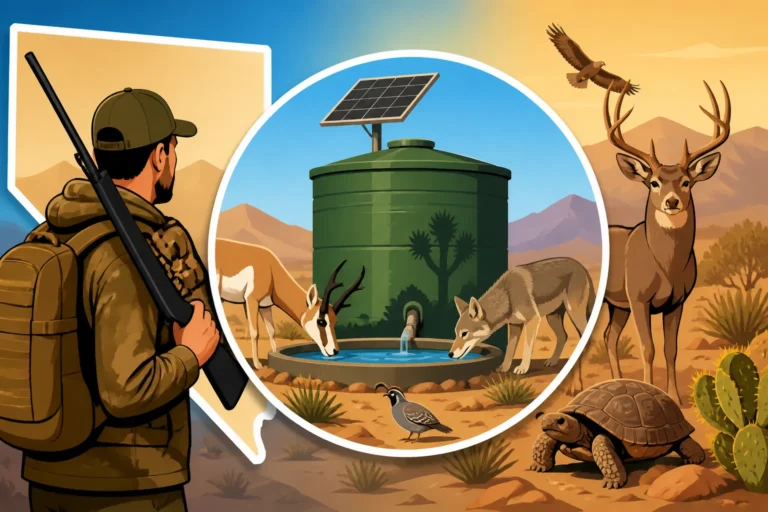
Once you've drawn that golden ticket, your work isn't over—it's just beginning. Nevada antelope hunting requires significant pre-season scouting. This means studying maps, utilizing satellite imagery, and if possible, making a physical trip to your unit. Pay close attention to water sources, especially in drier units, as antelope will often congregate around them. Look for natural funnels, breaks in terrain, and areas with good forage.
Effective scouting also means understanding antelope behavior in your specific unit. Are they widely dispersed, or do they stick to certain drainages? Where are the traditional feeding grounds and bedding areas? E-Scouting a Nevada Unit Before the Season can save you valuable time and boot leather once the season opens. Having a solid plan for Reading Water Sources Before an August Hunt will dramatically increase your chances, as water can be a magnet for these animals. Remember, the better prepared you are, the higher your chances of success in Nevada's vast and challenging antelope country.
Drawing a Nevada antelope tag is an exciting prospect, and with careful research and a strategic approach, you can significantly improve your odds. Focus on understanding the draw system, evaluating units based on both drawability and hunt quality, and committing to thorough preparation. Good luck in the draw, and here's to a memorable hunt on Nevada's open plains!
Disclaimer
This article is for general informational purposes only and does not constitute professional advice. Laws, prices and regulations vary by location and change over time. Consult a qualified professional for guidance on your specific situation.