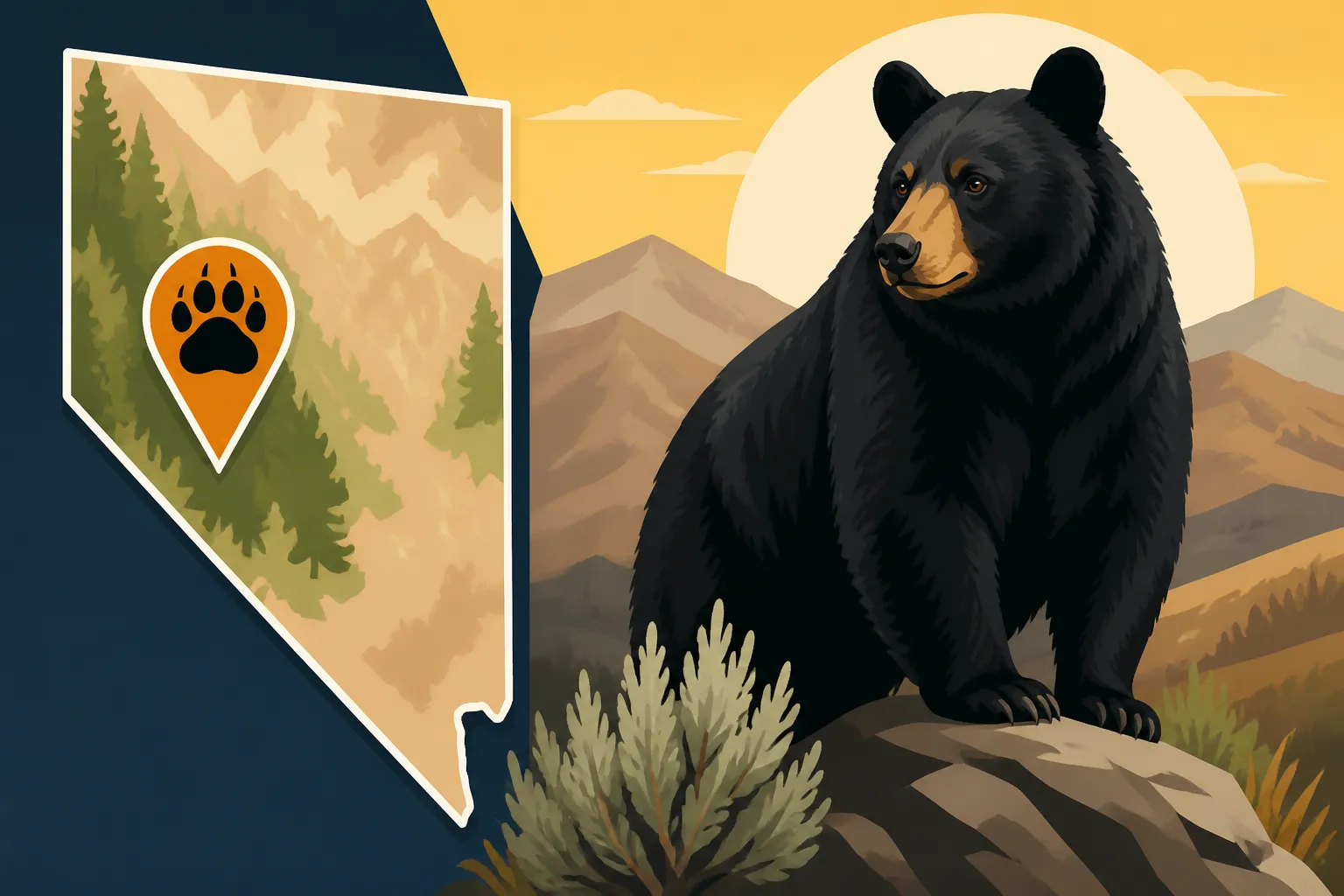
Where Black Bear Live in Western Nevada
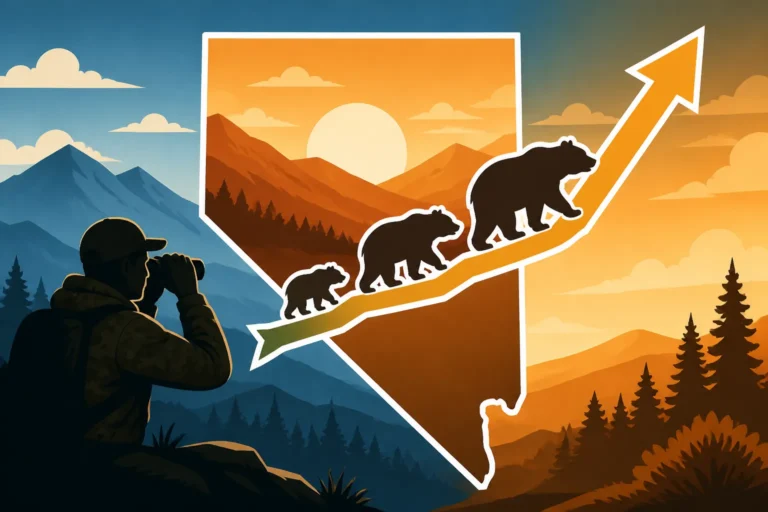
Many people picture Nevada as endless desert, a land of sagebrush and wide-open flats where only hardy creatures like pronghorn and mule deer can truly thrive. While that's certainly a part of the landscape, it's a huge misconception to think there aren't substantial forested mountains tucked away, especially in the western reaches of the state. These often-overlooked high country havens are exactly where Nevada's black bears have found a surprising, robust home, offering unique opportunities for observation or hunting if you know where to look.
The Overlooked Stronghold: Black Bear Country in Western Nevada
It's easy to assume that black bears are strictly creatures of dense, eastern forests or the rainforests of the Pacific Northwest. But Nevada's Western Front, particularly the Sierra Nevada range that it shares with California, tells a very different story. Here, the landscape transitions dramatically from arid valleys to alpine peaks, creating a mosaic of habitats perfectly suited for these adaptable omnivores. They're not just passing through; they've established thriving populations, particularly in areas many might drive past without a second thought.
For years, the presence of black bears in Nevada was something of an enigma to many, often considered transient visitors from California. However, robust populations are now firmly established, pushing further east into suitable habitat. This westward edge of Nevada is a vital corridor, directly linked to the extensive bear country of the Golden State, allowing for natural dispersal and genetic exchange. These are healthy, resident bears, often born and raised within the Silver State's rugged peaks and canyons.
This region's unique geography provides the perfect recipe for bear success. You'll find everything from dense conifer forests in the higher elevations to brushy canyons, riparian zones, and even oak woodlands in the mid-elevations. Crucially, these areas provide not only ample cover but also a diverse and reliable food supply throughout the seasons. From early spring grasses and forbs to summer berries and fall mast crops like acorns and pinyon nuts, Western Nevada offers a smorgasbord for a hungry bear.
Key Mountain Ranges and Their Bear Habitats
When we talk about black bear habitat in Western Nevada, we're really focusing on a few distinct mountain ranges that rise dramatically from the basin floors. These ranges provide the necessary elevation, water, and vegetation that bears require to survive and thrive. Understanding the specific characteristics of these areas is paramount for anyone hoping to locate bears.
The Sierra Nevada Front and Its Foothills
The most prominent and historically significant black bear habitat in Western Nevada lies along the eastern slopes of the Sierra Nevada. Think of places like the Carson Range near Lake Tahoe, extending south towards the Pine Nut Mountains and the Sweetwater Range. These mountains are characterized by dense stands of Jeffrey pine, lodgepole pine, and white fir at higher elevations, transitioning to more open forests of pinyon pine and juniper, bitterbrush, and mountain mahogany in the foothills. The numerous creeks and drainages, fed by Sierra snowmelt, provide crucial water sources, even deep into dry summers.
Bears here utilize the full spectrum of these habitats. In spring, they emerge from dens, often seeking out south-facing slopes where snow melts earlier, allowing new vegetation to sprout. As summer progresses, they follow the ripening of various berries – manzanita, wild currants, serviceberry – and frequent riparian corridors. Fall is a critical time, with bears focusing on calorie-rich foods like acorns from scrub oaks and the highly prized pinyon nuts. The sheer ruggedness and vastness of this public land, much of it within the Hunting the Humboldt-Toiyabe National Forest, offer extensive untouched territory for bears.
While the high country provides summer range and denning sites, the lower foothills and canyons are vital for winter survival and dispersal, especially those areas with abundant pinyon-juniper. These zones often have south-facing aspects that shed snow quickly and provide sheltered areas. They also offer crucial food sources like pinyon nuts, which are a major component of a bear's fall diet, helping them pack on the necessary fat reserves for hibernation. This overlap between high and low country means bears are constantly moving, driven by seasonal food availability.
Central Western Nevada Ranges
Moving further east into central Western Nevada, you'll find other isolated mountain ranges that, while perhaps not as expansive as the main Sierra front, still hold good numbers of black bears. Ranges like the Stillwater, Clan Alpine, and Augusta Mountains offer pockets of suitable habitat. These ranges tend to be drier overall, but they feature critical elements such as pinyon-juniper woodlands, sagebrush, and crucially, hidden springs and seeps.
In these more arid ranges, water becomes an even more significant factor. Bears will concentrate around these precious water sources, especially during dry periods. Riparian areas, even if narrow, are ecological magnets, providing richer vegetation and often a cooler microclimate. The pinyon-juniper woodlands are particularly important here, not only for nuts but also for the cover they provide. When you're Hunting Water in Nevada's Driest Country, remember that bears will be doing the same. E-scouting tools like GoHunt can be immensely helpful in identifying potential water sources and the surrounding vegetation types in these units.
It’s important to understand that bear densities might be lower in these more isolated ranges compared to the Sierras, but the bears that do inhabit them are resilient and resourceful. Their patterns can be highly localized, tied to specific canyons or drainages that offer a consistent supply of food and water. This means thorough research and E-Scouting a Nevada Unit Before the Season are critical. You'll want to be meticulous in your approach, paying close attention to details that might be overlooked in areas with higher bear numbers.
Understanding Bear Behavior and Seasonal Movements in Western Nevada
To successfully find black bears in Western Nevada, it's not enough to simply know where they live; you need to understand how they live. Their movements and daily routines are heavily dictated by the seasons, food availability, and the specific characteristics of their rugged environment.
Seasonal Patterns and Food Sources
Black bears are opportunists, constantly seeking out the most calorie-rich foods available. Their diet changes dramatically throughout the year. In spring, as they emerge from their dens, they're often found grazing on tender new growth like grasses, clovers, and forbs on open, sun-exposed slopes. This is also a time when they might scavenge winter-killed animals, making south-facing aspects and lower elevations prime locations. As late spring transitions into early summer, you'll find them focusing on succulent green vegetation in riparian zones and the first ripening berries in brushy areas.
Summer brings a bounty of berries, and bears will move to higher elevations and cooler, shadier aspects as the valleys heat up. Manzanita, wild cherries, serviceberry, and elderberry are all on the menu, and bears will spend hours foraging in dense thickets. This can make them incredibly elusive. Come fall, their focus shifts to hard mast crops. Pinyon pine nuts are an absolute favorite, and bears will work diligently to harvest these high-fat, high-protein morsels. Acorns from various oak species, found in many canyons and mid-elevation zones, are also critical for packing on weight before hibernation.
Understanding these seasonal food cycles is the biggest key to predicting bear movements. A particular canyon might be devoid of bears in spring but crawling with them in fall if it holds a prime pinyon nut crop. Similarly, a high alpine basin might only see bear activity during the berry season. Hunters and observers often use tools like GoHunt to layer vegetation maps with topographic features to pinpoint these seasonal food sources, giving them a significant advantage in locating bears.
Signs of Bear Activity
Spotting a bear in the dense cover of Western Nevada can be challenging, but bears leave plenty of clues if you know what to look for. Tracks are perhaps the most obvious sign, especially in soft earth near water sources or along game trails. Look for their distinct five-toed print with prominent claw marks. Scat is another clear indicator; its contents will vary with the season, reflecting their diet of berries, nuts, or even insect remains.
Rub trees, often pines or aspens, are another classic sign. Bears will rub their backs against these trees, leaving fur and scent marks, usually a few feet off the ground. Claw marks on trees are also common, either from climbing or marking territory. Look for torn-up logs or overturned rocks where bears have been digging for grubs and insects. In pinyon-juniper country, you might find broken branches or clusters of stripped cones under trees where a bear has been feeding heavily. Reading a Nevada Hunt Unit Before You Apply can also involve looking for areas with these kinds of signpost features.
It's also worth noting the presence of other wildlife. While not a direct sign of bears, an abundance of deer, elk, or smaller game often indicates a healthy ecosystem with diverse food sources and water, which indirectly benefits bears. Pay attention to how the local environment responds to seasonal changes; a good berry crop or a heavy pinyon nut year will often correlate with increased bear activity and better chances of an encounter.
Planning Your Pursuit: Strategies for Western Nevada Black Bears
Whether you're looking to photograph, observe, or legally hunt black bears in Western Nevada, a solid strategy built on knowledge and preparation is essential. These animals are smart, secretive, and thrive in some of the most rugged terrain.
Scouting and E-Scouting for Bears
Effective scouting, both on the ground and from your computer, is paramount. Start by pinpointing promising units and areas using mapping software. Look for regions within the Sierra Nevada or other western ranges that have a high percentage of public land, diverse vegetation (especially those known for berries, acorns, and pinyon nuts), and consistent water sources. Tools like GoHunt can help you overlay different map layers, identify elevation changes, and locate potential travel corridors between feeding and bedding areas. Using onX Layers for Nevada Public Land or similar platforms allows you to visualize the terrain before you ever set foot in it.
On-the-ground scouting involves looking for the fresh signs of bear activity discussed earlier: tracks, scat, rub trees, and overturned rocks. Concentrate your efforts in areas near water, along game trails leading into dense cover, and around known food sources. Early morning and late evening are the best times for glassing. Bears are often most active during these cooler periods. Focus your optics on transition zones where timber meets open areas, or where canyons open up to slopes with berry bushes. Remember, Preparing Physically for Long Glassing Days is crucial, as you'll spend a lot of time behind your binoculars and spotting scope.
Ethical Considerations and Regulations
Nevada has specific regulations regarding black bear hunting, and it’s critical to be fully aware of them. These seasons are often quota-based, meaning they can close early once a certain number of bears have been harvested. Always check the current Nevada Department of Wildlife (NDOW) regulations for season dates, unit restrictions, and reporting requirements. For example, How Nevada Manages Its Bear Season is designed to ensure sustainable populations, so adherence to all rules is non-negotiable.
Baiting is a common tactic for bear hunting in some states, but it's important to know Baiting Rules That Apply to Bears in Nevada, as they are often very strict or prohibited for big game. Ethical hunting also involves proper shot placement and swift recovery of the animal. If you're observing or photographing, always maintain a safe distance and never approach a bear, especially a sow with cubs. Respecting their space ensures both your safety and the well-being of the wildlife.
Here's a quick overview of some prime Western Nevada bear country considerations:
| Mountain Range / Area | Primary Habitat | Key Food Sources | Important Factors |
|---|---|---|---|
| Carson Range (Lake Tahoe area) | Dense conifer forests, riparian zones, brushy slopes | Berries (manzanita, serviceberry), acorns, grasses, insects | Proximity to human development means more opportunity for conflict; high elevation summer range. |
| Pine Nut Mountains | Pinyon-juniper, scrub oak, mountain mahogany, canyons | Pinyon nuts, acorns, berries, seasonal greens | Crucial winter range, lower elevation but rugged; highly dependent on scattered springs and seeps. |
| Sweetwater Range | Mixed conifer, aspen groves, sagebrush, riparian | Berries, grasses, acorns, pinyon nuts | Higher elevation pockets, less human pressure; good connectivity to California bear populations. |
| Stillwater & Clan Alpine Ranges | Sparse pinyon-juniper, sagebrush, remote canyons | Pinyon nuts, limited berries, grasses near water | Very water-dependent; bears often concentrated in isolated canyon systems; tougher to access. |
Remember, accurate and up-to-date information is your best friend when planning any venture into Nevada's wild spaces. You can find detailed harvest statistics and other valuable data on the NDOW website, which often posts Where Nevada Publishes Harvest Data for various species. This can help you gauge bear activity and population trends in specific units over time.
Disclaimer
This article is for general informational purposes only and does not constitute professional advice. Laws, prices and regulations vary by location and change over time. Consult a qualified professional for guidance on your specific situation.