Humboldt-Toiyabe National Forest Hunting
The Humboldt-Toiyabe National Forest presents a truly unique and often daunting challenge for hunters. Spanning across a huge chunk of Nevada and into California, its vast, rugged, and often remote terrain can quickly overwhelm even seasoned outdoorsmen who aren't prepared. This guide is designed to cut through the mystery, offering practical insights and detailed information to help you understand, navigate, and successfully hunt within this immense public land resource.
Understanding the Humboldt-Toiyabe National Forest Landscape
The Humboldt-Toiyabe National Forest (HTNF) isn't your typical lush, dense national forest that many might picture. Instead, it's a mosaic of scattered mountain ranges, vast sagebrush basins, and high desert plateaus that rise dramatically from the valley floors. This landscape dictates everything from how you access the land to where game animals thrive, making it crucial to understand its unique characteristics before you ever set foot in it.
Geographic Scope and Diverse Ecosystems
Imagine a forest that isn't one continuous block, but rather a collection of mountain "islands" rising out of an ocean of sagebrush. That's the Humboldt-Toiyabe. It's the largest National Forest in the lower 48 states, but its acreage is spread out across numerous mountain ranges separated by expansive valleys. This means you might be hunting high alpine timber in one unit and then dropping into a pinyon-juniper forest or even a sage-covered foothill in another, all within the same general forest boundary. This incredible diversity supports a wide array of wildlife, but also demands a versatile approach from hunters. The ecosystems range from classic Great Basin sagebrush steppe at lower elevations to subalpine and alpine zones on the highest peaks, complete with scattered aspen groves, mountain mahogany, and even some hardy pines. This broken terrain creates countless draws, ridges, and hidden pockets where animals can seek refuge.
Navigating this fragmented landscape requires a different mindset. Instead of looking for continuous timber, you're often searching for fingers of cover, isolated water sources, and specific elevation bands where animals prefer to feed or bed at different times of the year. The sheer scale can be intimidating, but it also means there's always new country to explore and plenty of room to find solitude. Understanding that the "forest" is less a continuous woodland and more a collection of distinct mountain habitats is your first step to unlocking its potential.
Key Mountain Ranges and Elevations
Within the Humboldt-Toiyabe, specific mountain ranges stand out as critical habitats and popular hunting destinations. Each range has its own character, elevation profile, and often, its own dominant game species. For instance, the Ruby Mountains in eastern Nevada, part of the HTNF, are renowned for their rugged, high-alpine terrain and spectacular scenery, offering opportunities for mule deer and elk at significant elevations. Further west, ranges like the Toiyabe and Monitor Mountains offer vast expanses of pinyon-juniper country, interspersed with sagebrush, providing excellent habitat for mule deer. The Santa Rosa Range in the north is another gem, known for its steep slopes and good deer numbers.
Elevations can swing wildly within a single hunt unit, from valley floors around 5,000 feet to mountain peaks cresting over 11,000 or even 12,000 feet. This elevation gradient is a key factor in how game animals behave, especially as seasons progress. Early archery hunts in August often mean chasing deer and elk in the higher, cooler reaches, while later rifle seasons might find animals dropping down into lower, more protected canyons as snow begins to fall. Understanding these elevation shifts and the corresponding cover and forage available is paramount. Elevation Bands Worth Understanding in Nevada is a great resource to grasp this concept. Knowing the specific character of the range you plan to hunt – whether it's primarily rugged peaks, rolling hills, or dense timber patches – will dramatically influence your scouting and hunting strategy.
Seasonal Changes and Their Impact on Access
The Humboldt-Toiyabe National Forest is profoundly affected by seasonal weather patterns, particularly when it comes to access. Nevada's high desert environment means scorching summers and often brutal, snow-filled winters. These extremes dictate when and where you can physically get into certain areas. During the summer, dry conditions are the primary concern, leading to fire restrictions and a heightened awareness of water sources. Many of the forest's higher elevation roads and trailheads are simply impassable from late fall through early summer due to heavy snowpack.
This directly impacts hunting seasons. Early archery hunts, like Nevada's August Archery Deer Window, might find you battling heat and dusty roads, while trying to locate animals still high on summer range. By October and November, for rifle seasons, you could encounter anything from pleasant fall weather to blizzards and impassable roads, especially in the more northern and eastern ranges. It's not uncommon for hunters to have to pack in much further than anticipated if winter weather rolls in early, effectively closing roads. Always check local forest service road conditions before heading out, and prepare for rapid weather changes. A road that was fine last week might be a muddy, snowy mess today, turning a planned day hunt into an overnight survival situation if you're not careful.
Navigating Public Access and Regulations
Hunting in the vast expanse of the Humboldt-Toiyabe National Forest is almost entirely a public land endeavor, which is fantastic news for hunters. However, "public land" doesn't always mean easy access or unrestricted movement. Understanding the nuances of federal land designations, road systems, and specific regulations is crucial to a successful and legal hunt.
Permitted Activities and Restricted Areas
While the majority of the Humboldt-Toiyabe National Forest is open to hunting, it's never a given that every single acre is accessible or legal to hunt. Hunters must be vigilant about understanding specific unit boundaries, wilderness designations, and potential closures. For example, some areas might have seasonal closures to protect wintering wildlife or critical habitats. Others might be designated as no-shooting zones around campgrounds or private inholdings. It's also important to remember that certain activities, like baiting for big game, are generally not permitted on public lands in Nevada, including the HTNF. Baiting Rules That Apply in Nevada elaborates on this.
Additionally, while you can camp on much of the forest, specific rules apply, especially concerning dispersed camping limits and fire restrictions during dry periods. Always look for signage and consult the local forest service office or their website for the most current information regarding closures, restrictions, and permitted activities. Never assume that just because it's public land, you can do anything you want. Respecting these boundaries and rules is not just about legality; it's about preserving access and opportunities for everyone.
Motorized Vehicle Use and Road Conditions
Motorized vehicle access is a huge part of hunting the Humboldt-Toiyabe, simply because of its immense size and the sheer distances involved. However, this isn't a free-for-all. The HTNF, like other federal lands, has designated road systems. This means you are generally restricted to established roads and trails; off-roading or creating new tracks is usually prohibited. Motorized Travel Rules on Nevada Public Land details these requirements. It's critical to acquire and use current motor vehicle use maps (MVUMs), which clearly show which roads are open to public motorized travel and which are closed. These maps are available from the Forest Service and are often integrated into mapping applications like onX Hunt.
The condition of these roads varies wildly. Many are well-maintained gravel roads, but just as many are rough, rocky, single-track paths that require high-clearance 4×4 vehicles, and sometimes even ATVs or UTVs for deeper access. Washouts, large rocks, and deep ruts are common, especially after heavy rains or snowmelt. It's not a matter of if you'll encounter challenging road conditions, but when. Always carry spare tires, a jack, tools, and recovery gear like a shovel and traction boards. Cell service is unreliable or nonexistent in vast stretches of the HTNF, so don't count on calling for help if you get stuck or break down. Preparing for long days in open terrain also means preparing for vehicle self-sufficiency.
Wilderness and Wilderness Study Areas
A significant portion of the Humboldt-Toiyabe National Forest is designated as Wilderness or Wilderness Study Areas (WSAs). These areas are managed to preserve their wild character, meaning motorized vehicles and mechanized transport (like mountain bikes or even game carts in some cases) are strictly prohibited. Access into these zones is by foot or horseback only. Wilderness Study Area Vehicle Limits provides more context. While this might sound restrictive, these areas often hold some of the highest concentrations of game, as they experience less human pressure.
Hunting in Wilderness or WSAs demands a completely different approach. It means packing everything on your back, including all your gear, food, water, and if successful, your game meat. This significantly increases the physical demands of the hunt. You'll need to be in excellent physical condition and have robust backcountry skills. Planning for packing an animal out of roadless country becomes a critical consideration. While challenging, the reward can be an unparalleled hunting experience, offering true solitude and a chance to pursue game in untouched landscapes. Familiarity with the specific boundaries of these areas is essential, which mapping tools like onX Hunt can help with immensely, showing overlays for designated wilderness.
Key Game Species and Prime Hunting Opportunities
The Humboldt-Toiyabe National Forest is a treasure trove of hunting opportunities, primarily known for its big game but also offering exciting pursuits for upland birds and small game. Understanding the typical behavior and habitat preferences of these species within the HTNF is the foundation of a successful hunt.
Mule Deer: The Primary Draw
Mule deer are undeniably the biggest draw for hunters in the Humboldt-Toiyabe National Forest. These majestic animals thrive in the diverse habitats offered by the forest's numerous mountain ranges. You'll find them from the pinyon-juniper foothills to the high-alpine basins, often preferring the transition zones where different vegetation types meet. During the early seasons, bucks will typically be found in the higher, cooler elevations, often concentrated in pockets of aspen, mountain mahogany, or scattered conifer patches, seeking forage and shade. As fall progresses and particularly during the rut, they begin to move lower, utilizing the vast sagebrush flats and more protected canyons.
Hunting mule deer in the HTNF is predominantly a glassing game. The open nature of the terrain, combined with the often-sparse cover, means you'll spend hours, if not days, behind your optics. Why Nevada Deer Hunting Is a Glassing Game is an excellent read on this. Identifying key glassing points – high ridges, overlooks into basins, or points that allow you to see into multiple draws – is crucial. Success often hinges on your ability to spot deer at long distances, judge them effectively, and then execute a stealthy stalk across challenging terrain. Look for areas with a mix of cover, water sources, and quality forage like bitterbrush or serviceberry. Each mountain range within the HTNF offers slightly different characteristics for deer, so research your specific unit thoroughly.
Elk: A Growing Opportunity
While Nevada isn't traditionally known for its elk hunting on the same scale as some neighboring states, the Humboldt-Toiyabe National Forest holds a growing and impressive elk population, offering some incredible trophy opportunities. Elk herds in Nevada have been carefully managed and have expanded into various ranges within the HTNF, particularly in the northeastern and central parts of the state. These magnificent animals often inhabit the higher, more remote sections of the forest, favoring timbered slopes, north-facing aspects, and lush meadows found at higher elevations.
Elk hunting in the HTNF often means physically demanding hunts in rugged country. Whether you're chasing them during the September archery and muzzleloader seasons, attempting to bugle in a bull, or during the rifle seasons in October and November, preparedness is key. Locating elk typically involves covering a lot of ground, either by foot or by extensive glassing, and listening for bugles during the rut. Scouting for fresh sign, like rubs, wallows, and tracks, is paramount. Bugling Bulls in Nevada's Northern Mountains can provide insights into calling strategies. Drawing an elk tag in the HTNF is a highly sought-after prize, often requiring many bonus points, making every opportunity a special one. These hunts are truly an adventure into some of Nevada's wildest country.
Upland Birds and Small Game
Beyond the big game, the Humboldt-Toiyabe National Forest also offers a variety of upland bird and small game hunting opportunities, providing a fantastic way to extend your season or simply enjoy a different kind of challenge. Chukar partridge are perhaps the most iconic upland bird in Nevada, and they can be found on the steep, rocky slopes of many HTNF ranges. Chukar hunting is famously strenuous, requiring intense physical exertion to climb and descend the brutal terrain where these birds thrive. Where to Find Chukar in Nevada can help pinpoint potential areas.
Other upland species include California quail, often found in brushy riparian areas and canyon bottoms, and mountain quail in higher, thicker brush. Sage grouse, while requiring a special permit and found in more specific sagebrush habitats, also exist in certain areas. For small game, cottontail rabbits are abundant throughout the pinyon-juniper and sagebrush zones, offering fast-paced action. Jackrabbits are also common in the more open sage flats. These hunts can be a great way to introduce new hunters to the field or to add variety to a big game trip. Always check the specific regulations, season dates, and bag limits for each species, as they can vary significantly.
| Game Species | Primary Habitat in HTNF | Hunting Style | Challenges |
|---|---|---|---|
| Mule Deer | Pinyon-juniper, sagebrush, high alpine | Glassing, Spot & Stalk | Long distances, steep terrain, heat/cold |
| Elk | High elevation timber, meadows | Glassing, calling, Spot & Stalk | Extreme terrain, physical demand |
| Chukar Partridge | Steep, rocky, cheatgrass slopes | Walk & Flush with dogs | Brutal climbing, water scarcity |
| Cottontail Rabbit | Pinyon-juniper, brushy draws | Still hunting, walking up | Fast-moving, dense cover |
| Sage Grouse | Intact sagebrush steppe | Walk & Flush with dogs | Specific habitat, permit required |
Essential Preparation for Your Humboldt-Toiyabe Hunt
Hunting in the Humboldt-Toiyabe National Forest demands thorough preparation. Its vastness, remoteness, and often unforgiving environment mean that success and safety hinge on meticulous planning, the right tools, and realistic self-assessment. Don't underestimate this country; it will test you.
Maps, GPS, and Scouting Tools
In a place as expansive and broken as the Humboldt-Toiyabe, reliable navigation is non-negotiable. Paper maps, particularly USGS topo maps and Forest Service motor vehicle use maps, are your first line of defense. However, modern digital tools have become indispensable. Applications like onX Hunt, for example, provide detailed land ownership overlays, showing public and private boundaries, wilderness areas, and road networks, all on your smartphone or GPS device. This is crucial for staying on public land and navigating complex unit boundaries. Reading a Nevada Unit Boundary Map is an essential skill, and these apps make it much easier.
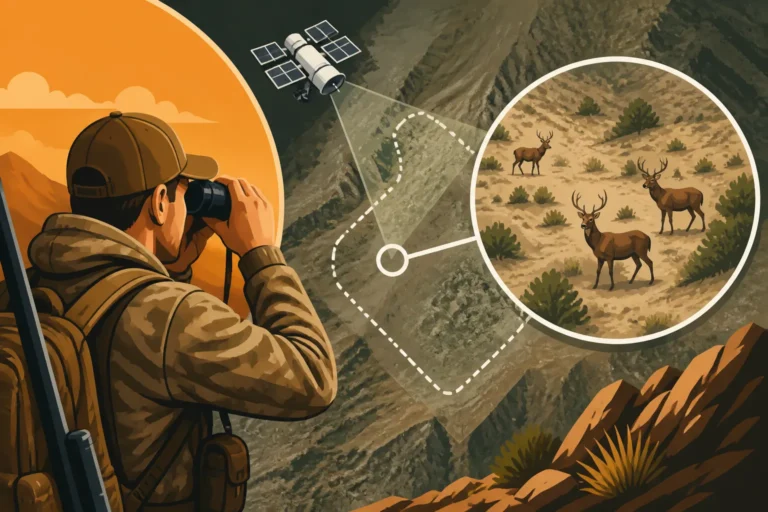
Pre-season e-scouting with tools like onX Hunt or satellite imagery from platforms like GoHunt can be a game-changer. You can identify potential glassing points, water sources, natural funnels, bedding areas, and access routes long before you ever set foot on the ground. Marking waypoints for key terrain features, potential game sightings, and even emergency caches on your GPS or mapping app is a smart move. Always carry a power bank to keep your devices charged, and consider a satellite messenger for communication in areas with no cell service. Never rely on a single navigation tool; always have a backup, whether it's a paper map and compass or a secondary GPS device.
Physical Conditioning and Backcountry Readiness
This isn't a sit-in-the-truck-and-wait kind of hunt. Hunting the Humboldt-Toiyabe National Forest demands serious physical conditioning. The terrain is often steep, rocky, and involves significant elevation changes. Whether you're chasing chukar up a scree slope or stalking a mule deer through a pinyon-juniper thicket, you'll be putting in miles and climbing thousands of feet. For big game, particularly, the ability to cover ground silently and efficiently, often at high altitude, is paramount. Preparing Physically for Long Glassing Days should be a priority for anyone planning a trip.
Beyond just physical fitness, backcountry readiness includes having the skills and gear to be self-sufficient. This means knowing how to read the weather, properly layer clothing for extreme temperature swings, treat water, start a fire, and handle minor medical emergencies. Carrying a well-stocked first-aid kit, emergency shelter, and sufficient water and food are not optional; they are survival necessities. The vastness of the HTNF means help can be hours, or even a day, away. Mental toughness is just as important as physical strength; being able to push through fatigue, discomfort, and occasional setbacks is part of the experience.
Water, Supplies, and Emergency Preparedness
Water is arguably the most critical supply for any hunt in Nevada, and the Humboldt-Toiyabe is no exception. While higher elevations might have some natural springs, many areas are incredibly dry, especially during early seasons. You cannot carry enough water. Plan to carry at least a gallon per person per day, plus extra for cooking and hygiene. Know how to locate and treat natural water sources using filters or purification tablets, but never rely solely on finding them. Hunting Water in Nevada's Driest Country is a must-read. If you're setting up a spike camp, consider caching water in advance if possible and legal.
Beyond water, pack enough food for your planned trip duration, plus an extra day or two. A good repair kit for your vehicle and gear, extra layers of clothing, a headlamp with spare batteries, fire-starting supplies, and signaling devices (whistle, mirror, satellite messenger) are all crucial. In case of an emergency, having a solid plan – including who knows where you are and when you expect to return – is vital. Leave a detailed itinerary with a trusted contact who can alert authorities if you don't check in. The remoteness is part of the allure, but it also amplifies the consequences of being unprepared.
Ethical Hunting and Conservation in the Forest
Hunting in the Humboldt-Toiyabe National Forest isn't just about bagging an animal; it's about being a responsible steward of the land and its wildlife. Upholding ethical hunting practices and contributing to conservation efforts ensures that these opportunities remain for future generations.
Leave No Trace Principles
The vastness and wild character of the Humboldt-Toiyabe are among its greatest assets, and it's our collective responsibility to keep it that way. Practicing Leave No Trace principles is fundamental. This means packing out everything you pack in, including all trash, spent casings, and any human or pet waste. Minimize your impact on the landscape by staying on established roads and trails, avoiding sensitive vegetation, and setting up camp in durable locations. When field dressing an animal, scatter gut piles away from water sources and trails to minimize visual impact and aid in decomposition.
Fire safety is another critical component, especially in a dry environment. Always check for current fire restrictions before building a campfire, and if allowed, use established fire rings when possible. Ensure your fire is completely out and cold to the touch before leaving it. The long-term health of the HTNF's ecosystems depends on every hunter making conscious choices to minimize their footprint and leave the country cleaner than they found it.
Respecting Other Users and Wildlife
The Humboldt-Toiyabe National Forest is a multi-use area. While you might be there to hunt, others could be hiking, camping, fishing, or simply enjoying the scenery. Respecting other users means giving them space, being courteous, and minimizing disturbances. If you encounter non-hunters, a friendly wave and a brief explanation of what you're doing (if appropriate and safe) can go a long way in fostering positive public perception of hunting. Avoid shooting near popular trails or campgrounds.
Respect for wildlife extends beyond just legal harvest. It means understanding game laws, knowing your target, and making ethical shot choices to ensure a quick and humane kill. It also means appreciating the non-hunted species you encounter, whether it's a soaring eagle or a curious coyote. Don't harass wildlife or disturb their natural behaviors. Remember that you are a guest in their home, and your actions reflect on the entire hunting community.
Contributing to Conservation Efforts
Every hunter has a role to play in conservation. When you purchase your Nevada hunting license and tags, a portion of those funds directly supports wildlife management, habitat improvement projects, and law enforcement in the state, including within the Humboldt-Toiyabe National Forest. Beyond financial contributions, consider volunteering for habitat projects or joining local conservation organizations. Groups like the Mule Deer Foundation, Rocky Mountain Elk Foundation, and Nevada Bighorns Unlimited all work to improve habitat and opportunities for game animals in areas like the HTNF.
Adhering to game laws, reporting poaching, and participating in surveys or carcass sampling (if required) are also vital contributions. By being an engaged and responsible hunter, you are actively helping to ensure healthy wildlife populations and robust ecosystems for generations to come. Your presence as a hunter, operating ethically and responsibly, is a powerful conservation statement.
Specific Considerations for Different Hunt Types
The Humboldt-Toiyabe National Forest offers a variety of hunting seasons and weapon types, each coming with its own set of challenges and tactical considerations. Adapting your approach to the specific hunt you've drawn is key to maximizing your success.
Archery and Muzzleloader Challenges
Archery and muzzleloader seasons in the Humboldt-Toiyabe typically fall earlier in the year, often in August and September. These seasons present unique challenges. For archers, closing the distance on a wary mule deer or elk in open country is incredibly difficult. You'll need exceptional stalking skills, a deep understanding of thermals and wind, and often a bit of luck. Early season means animals are still on summer patterns, often in higher, cooler elevations, and still wary from summer human activity. How Close a Bowhunter Needs to Get on Mule Deer highlights the difficulty. Heat management on an August archery hunt is a significant concern, both for the hunter and for properly caring for harvested meat.
Muzzleloader hunts, which usually have a specific, shorter window, bridge the gap between archery and rifle seasons. While offering a longer range than a bow, muzzleloaders still demand close-quarters hunting compared to modern rifles. Learning Muzzleloader Deer Tactics in a One-Week Window is crucial, as is understanding the limitations of your weapon in terms of range and bullet drop. Both archery and muzzleloader hunters will benefit from extensive scouting, an understanding of game movement patterns, and often a willingness to hike deeper into roadless country to find less pressured animals.
Rifle Season Tactics
Rifle seasons in the HTNF generally occur in October and November, often overlapping with the mule deer rut in later seasons. This can be a prime time for big bucks. The tactics for rifle hunting still heavily rely on glassing due to the expansive nature of the terrain. However, the increased range of a rifle allows hunters to cover more ground visually and potentially engage animals at longer distances, reducing the need for an impossibly close stalk. Rifle Zero Distance for Long Sage Shots is an important consideration for hunters planning to shoot across wide basins.
Weather is a major factor during rifle season. Early snows can push deer and elk down from higher elevations into more accessible winter range, creating new opportunities but also potentially closing roads. Being prepared for cold, wet, and snowy conditions is essential. During the rut, knowing When the Mule Deer Rut Actually Starts can help you focus your efforts on areas where bucks might be more active and less cautious, chasing does. Success often comes down to patience, perseverance, and the ability to capitalize on a fleeting opportunity when it arises, especially with the greater hunter pressure that often accompanies rifle seasons.
Camping and Campfire Regulations
Camping is an integral part of hunting the Humboldt-Toiyabe, allowing hunters to stay deep in the field and maximize their time. Dispersed camping is generally allowed on most BLM and National Forest lands, provided you adhere to Leave No Trace principles. This means camping at least 200 feet from water sources, roads, and trails, and packing out all your trash. Camping Legally on Nevada BLM Ground offers good general guidelines that also apply to the HTNF. Be mindful of how long you stay in one spot, as there are often limits on continuous occupancy.
Campfire regulations are perhaps the most critical rule to always check. Nevada's dry climate means fire restrictions are common, especially during the summer and early fall hunting seasons. A small spark can quickly ignite a devastating wildfire in the parched sagebrush and pinyon-juniper. Always check the current fire danger and restrictions for the specific Ranger District you'll be hunting. If campfires are allowed, use existing fire rings when possible, keep fires small, and ensure they are thoroughly extinguished before leaving. Carrying a portable propane fire pit or stove for cooking can be a good alternative if fire restrictions prevent traditional campfires.
Disclaimer
This article is for general informational purposes only and does not constitute professional advice. Laws, prices and regulations vary by location and change over time. Consult a qualified professional for guidance on your specific situation.