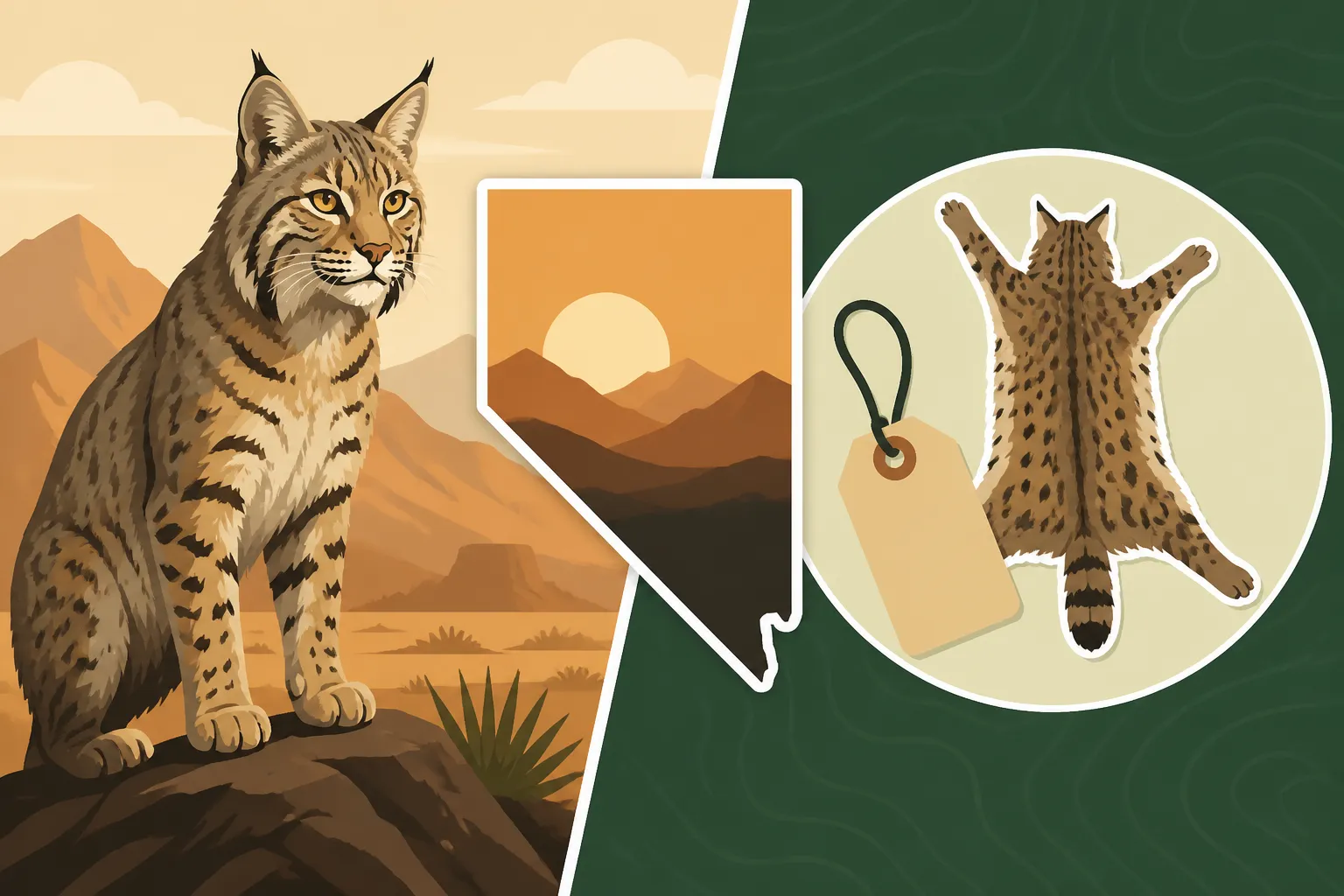
Bobcat Season and Pelt Tag Rules
Navigating the world of furbearer regulations in Nevada can feel like trying to track a ghost in the sagebrush – it's often confusing, detailed, and requires a sharp eye for specifics. Many folks just starting out, or even seasoned hunters and trappers, find themselves scratching their heads over what's allowed, when, and especially how to handle a bobcat harvest. This guide is here to untangle those rules, focusing on bobcat season dates, legal methods of take, and the absolutely critical pelt tagging requirements, so you can pursue these elusive predators with confidence and stay on the right side of the law.
Understanding Nevada's Bobcat Season Framework
Bobcats are a fascinating and challenging species to pursue, whether you're hunting or trapping. Their secretive nature and the rugged Nevada landscapes they call home make them a prized furbearer. However, because their pelts are valuable in the fur market, and to ensure healthy populations, the state manages their harvest carefully. It's not a free-for-all; there are specific windows of opportunity and strict rules to follow.
Why Nevada Manages Bobcat Harvest
The primary reason Nevada, through the Department of Wildlife (NDOW), manages bobcat harvest is to maintain sustainable populations while also allowing for recreational and commercial opportunities. Bobcats play a vital role in the ecosystem as predators, helping to keep rodent and rabbit populations in check. Without careful management, overharvest could significantly impact their numbers and the delicate balance of the Great Basin ecosystem. This management involves setting seasons, defining legal methods, and implementing tagging requirements to monitor harvest numbers and geographical distribution. It’s all about balance, making sure future generations have the same chances to experience these animals.
General Season Timing and How It Varies
Bobcat seasons in Nevada typically run for several months, usually starting in the fall and extending through the winter. This timing coincides with when their pelts are prime, meaning the fur is thickest and most luxurious, which is appealing for both trappers and hunters. Unlike big game seasons which might have specific unit-by-unit dates, bobcat seasons are often more broadly applied across the state or within larger management areas. However, it's absolutely crucial to remember that these dates can shift slightly from year to year based on population surveys and management objectives. Always consult the current Nevada Furbearer Regulations, often found on the NDOW website or within a robust hunting planning platform like GoHunt, before you head out. These regulations will specify the exact opening and closing dates for both hunting and trapping. Be aware that weather conditions, like early or late snow, can also affect how accessible prime bobcat country is during the season.
Hunting Bobcat: Rules for the Pursuing Hunter
Hunting bobcats offers a unique challenge, relying on stealth, calling techniques, and a deep understanding of their behavior. It's a completely different experience than trapping, and therefore, comes with its own set of rules and considerations. You’ll need to ensure your general hunting license is current, of course, but there are other specifics for furbearers that are critical to know.
Legal Methods and Gear for Bobcat Hunting
When hunting bobcats in Nevada, you generally have a few legal methods at your disposal. Most hunters choose firearms, ranging from rimfire rifles for closer shots to centerfire calibers that offer a bit more reach, especially in Nevada's wide-open country. Shotguns are also legal, particularly useful if you're calling a bobcat into close range. Archery equipment, including bows and crossbows (with specific regulations for crossbow use), can also be employed, though getting close enough for a clean shot on a wary bobcat is a significant challenge.
Regardless of your chosen weapon, remember that all general hunting ethics and safety rules apply. This means positive identification of your target, being aware of your backdrop, and ensuring you have a clean, ethical shot. You’ll find that many hunters rely heavily on optics, from high-quality binoculars to spotting scopes, to scan the vast landscapes where bobcats often blend in seamlessly. When Reading a Nevada Hunt Unit Before You Apply, paying attention to terrain features like washes, rimrock, and dense sage can help you identify prime ambush points or calling locations for bobcats.
Hunting Hours and Restrictions
One of the key differences between big game hunting and furbearer hunting in Nevada often lies in the legal shooting hours. While big game typically follows strict daylight hours, furbearers like bobcats may have expanded hunting opportunities. It is absolutely essential to check the current regulations for Nevada Legal Shooting Hours for Big Game as it pertains to furbearers, as these can vary. Often, some furbearers can be hunted during legal night hours, but this comes with very specific rules about light sources and methods. For bobcats, you'll generally find that the season aligns with typical daytime hunting, but always confirm this detail in the regulations. Night hunting restrictions are often in place for species like bobcats to prevent conflicts with other nocturnal wildlife and to ensure ethical hunting practices. Additionally, certain methods like the use of artificial light sources might be restricted or require specific permits, so thoroughly review the furbearer proclamation.
Using Calls for Bobcat
Calling bobcats can be an incredibly effective and exciting method. These cunning predators respond well to distress calls of small prey like rabbits or rodents, as well as bird distress calls. Electronic calls are legal for furbearers in Nevada and can be a significant advantage, allowing you to project sounds over a wide area and maintain quiet concealment. The use of Electronic Calls for Predators and Varmint Hunting can bring a curious bobcat within shooting range, but patience is key. Setting up in an area with good visibility, often along a ridgeline or overlooking a wash, and carefully playing calls can draw a bobcat in. You might start with softer calls and gradually increase volume, or switch between different prey sounds to pique their interest. Remember to set up downwind, as a bobcat's nose is exceptionally keen, and they will quickly detect human scent. A good calling setup often involves being well-hidden against a natural backdrop, minimizing your silhouette, and being absolutely still.
Trapping Bobcat: Regulations for the Furbearer Professional
Trapping bobcats requires a different skillset and an even more rigorous understanding of regulations. It's often undertaken by individuals dedicated to furbearer management or those looking to participate in the fur market. Before you even think about setting a trap, you'll need the proper trapping license, distinct from a general hunting license, and a deep dive into the specific rules for setting and checking traps. Trapping License Requirements for Residents vary, and it's essential to understand if you qualify and how to obtain one.
Trap Types and Placement Rules
Nevada's regulations are quite specific about the types of traps allowed for bobcats and where they can be placed. Generally, footholds and snares are common, but there are strict limitations on jaw spread, trap size, and even the type of chain and swivels used. For example, certain padded jaw traps might be required in specific areas to minimize injury to non-target animals. Snares also have specific break-away devices or cable diameter requirements. Body-grip traps (conibears) may have restrictions on size or placement, often requiring them to be submerged or in specific enclosures to prevent harm to larger animals or pets.
Placement is another critical factor. Trappers must be mindful of public access, private property boundaries, and areas frequented by domestic animals. Traps typically cannot be set within a certain distance of public roads, trails, or dwellings without specific permission. It’s also illegal to set traps in areas where they might endanger livestock. Always confirm these distances and restrictions in the official regulations. Understanding these rules is not just about avoiding a fine; it's about ethical trapping and responsible wildlife management.
Trap Line Checks and Reporting
Once traps are set, the work isn't over. Nevada law requires frequent trap line checks. Typically, all traps must be checked at least once every 24 hours. This daily check is crucial for the welfare of any captured animal, ensuring it is removed promptly, reducing stress, and preventing non-target species from being held for extended periods. When checking traps, it's also your responsibility to dispatch any legally caught furbearer quickly and humanely.
Record-keeping is another vital part of responsible trapping. While not all furbearers require immediate reporting, you must maintain accurate records of your take. This data is essential for NDOW to monitor harvest levels and adjust future seasons if needed. For bobcats, this reporting requirement ties directly into the pelt tagging process, which we'll discuss in detail next. Remember, responsible trapping goes beyond just making a catch; it encompasses humane practices, diligent checks, and accurate record-keeping to contribute to sound wildlife management.
The Critical Step: Bobcat Pelt Tagging Requirements
This is perhaps the most crucial piece of information for anyone harvesting a bobcat in Nevada, whether by hunting or trapping. The state has a mandatory pelt tagging system, and failure to comply can result in significant penalties, including fines and the forfeiture of your harvest. Do not underestimate the importance of this step.
Why Pelt Tagging Is Mandatory
Pelt tagging serves several vital purposes for wildlife management. Firstly, it provides a physical record of each bobcat harvested, which is critical for NDOW to collect accurate data on annual take. This information, combined with field surveys and biological studies, helps biologists assess population health, determine harvest quotas, and make informed decisions about future seasons. Secondly, tagging helps prevent the illegal take or trafficking of bobcat pelts. Each tag is unique and trackable, ensuring that only legally harvested animals enter the fur market. This system acts as an important deterrent against poaching and commercial exploitation of the species. Finally, it reinforces accountability for hunters and trappers, making sure everyone is following the established rules for responsible wildlife management.
The Process of Getting a Pelt Tag
The process for getting a bobcat pelt tag is straightforward but requires timely action. After you harvest a bobcat, you must present the pelt, or sometimes the entire carcass, to a designated NDOW office or authorized personnel for tagging. The specific details, like whether the animal needs to be unfrozen or skinned, will be outlined in the annual furbearer regulations. It's often required that the skull and/or sex organs remain attached for biological data collection, so always verify these specifics.
You'll typically need to bring your valid hunting or trapping license, along with any relevant harvest documentation. An NDOW representative will inspect the animal, record pertinent data (such as date of harvest, unit, and method of take), and then affix a tamper-proof tag to the pelt. This tag is usually a small, plastic seal or band that cannot be removed without being broken. Once tagged, the pelt is legally documented and ready for tanning, sale, or personal use.
It's highly recommended to call your nearest NDOW office in advance to confirm their hours, specific tagging requirements, and if an appointment is necessary. This will save you a lot of hassle and ensure a smooth process. You can often find a list of NDOW offices and contact information on their official website or through a comprehensive resource like GoHunt.
Deadlines and Consequences of Non-Compliance
Deadlines for pelt tagging are strict and non-negotiable. Typically, you will have a specific window after the close of the general bobcat season to get your pelts tagged. For example, if the season closes at the end of February, you might have until mid-March to present your pelts for tagging. These deadlines are put in place to ensure all harvest data is collected within a reasonable timeframe for the annual assessment.
| Requirement | Hunting Bobcat | Trapping Bobcat |
|---|---|---|
| License | Valid Hunting License | Valid Trapping License |
| Primary Method | Firearms, Archery, Crossbows | Footholds, Snares, Body-Grip Traps |
| Season Dates | Consult current Furbearer Regulations | Consult current Furbearer Regulations |
| Pelt Tagging | MANDATORY for all harvested bobcats | MANDATORY for all harvested bobcats |
| Tagging Deadline | Specific date post-season close | Specific date post-season close |
| Trap Checks | Not applicable | Minimum every 24 hours (state law) |
| Electronic Calls | Legal for furbearers | Often legal, check specifics |
| Night Hunting | Check regulations; often restricted | Check regulations; often restricted |
The consequences of failing to tag a bobcat pelt are severe. Possessing an untagged bobcat pelt beyond the tagging deadline is a violation of state law. This can lead to citations, substantial monetary fines, and the confiscation of the pelt. In some cases, repeat offenses or egregious violations could even result in the suspension or revocation of hunting and trapping privileges. NDOW takes these regulations very seriously as they are fundamental to effective wildlife management and anti-poaching efforts. Don't risk it; always prioritize getting your bobcat pelts tagged according to the rules. Staying current with all regulations, especially for Furbearer Trapping Season Dates and Fox and Raccoon Season Dates if you're pursuing other species, is key to avoiding legal trouble.
Additional Regulations and Best Practices
Beyond the core season dates and tagging requirements, there are a few other important considerations for anyone pursuing bobcats in Nevada. Being a responsible hunter or trapper means understanding the broader context of wildlife laws and ethical practices.
General Licensing and Land Access
First and foremost, you need the correct license. For hunting bobcats, a valid Nevada hunting license is required. If you plan to trap, you'll need a specific trapping license. These are separate and distinct. Always carry your license with you while in the field.
Accessing the vast public lands of Nevada is generally straightforward, as the state boasts a high percentage of federally owned acreage. However, you must always be aware of land ownership. Using mapping tools to identify BLM, Forest Service, and private lands is crucial. While hunting Coyote Hunting Year Round in the Great Basin is often allowed on public land, always respect private property boundaries. Never trespass, and if you wish to hunt or trap on private land, you must obtain explicit permission from the landowner beforehand. This not only keeps you legal but also helps maintain positive relationships between the hunting/trapping community and private landowners.
Ethical Considerations and Conservation
Responsible hunting and trapping are built on a foundation of ethics and a commitment to conservation. This means adhering to fair chase principles when hunting, ensuring quick and humane dispatch of animals, and minimizing any potential suffering. For trappers, this includes selecting appropriate trap types and sizes, regularly checking trap lines, and releasing non-target animals unharmed whenever possible.
It also means being mindful of your impact on the environment. Pack out everything you pack in, leave no trace, and be respectful of other users of public lands. Conservation is an ongoing effort, and every hunter and trapper plays a role in it. By following regulations, practicing ethical methods, and contributing to data collection through proper tagging, you become an active participant in ensuring healthy wildlife populations for the future. Always stay informed; resources like GoHunt often compile Where Nevada Publishes Harvest Data which can give you a better understanding of how various species are faring across the state.
Disclaimer
This article is for general informational purposes only and does not constitute professional advice. Laws, prices and regulations vary by location and change over time. Consult a qualified professional for guidance on your specific situation.