Wilderness and Wilderness Study Areas Across Nevada
One of the biggest head-scratchers for hunters eyeing Nevada's vast public lands is trying to understand where you can actually go and how you can get there. Nevada is absolutely enormous, and a huge chunk of it is managed under special designations like Wilderness Areas and Wilderness Study Areas, which come with their own unique set of rules. This guide is going to peel back the layers on what these designations truly mean for you as a hunter, from how they impact your access to how you need to plan your trip to stay legal and ethical in these incredibly wild places.
Understanding Nevada's Wilderness Landscape
Nevada is a land of extremes and vast, untamed beauty. It's also the most federally owned state in the lower 48, meaning a significant portion of its land is managed by agencies like the Bureau of Land Management (BLM) and the Forest Service. Within these public lands, you'll find areas specifically set aside for their primitive character and outstanding opportunities for solitude. These are our Wilderness Areas and Wilderness Study Areas (WSAs), and they are truly special—but they also come with a very different rulebook for hunters.
The idea behind these designations is to preserve chunks of our landscape in as natural a state as possible, allowing natural processes to dominate without the heavy hand of human development. For hunters, this translates into some of the most remote, challenging, and ultimately, rewarding experiences you can find. But it also means you can't just drive your truck wherever you please or set up a fancy camp with all the amenities. Understanding this foundational difference is the first step to successfully navigating Nevada's wild country.
What "Designated Wilderness" Truly Means for Hunters
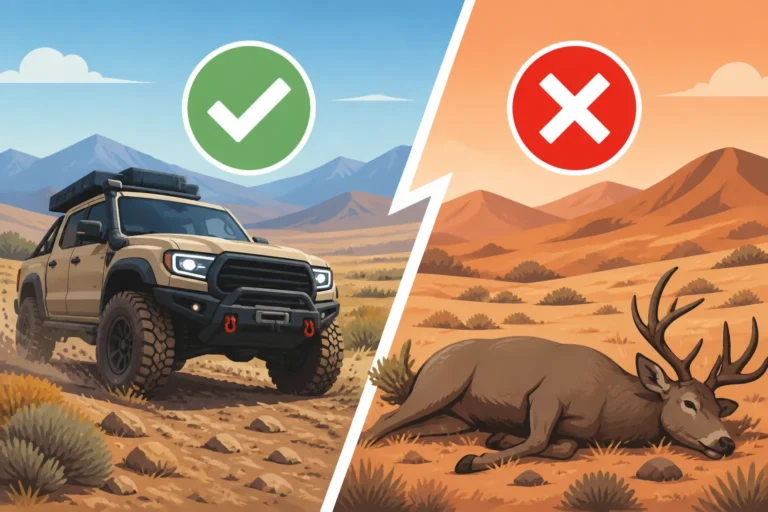
When an area is officially designated as "Wilderness" by Congress, it receives the highest level of protection available for public lands. This isn't just a suggestion; it's a legal mandate to preserve its wilderness character. For us hunters, the most significant implication of this status is the strict prohibition on motorized vehicles and mechanized transport. That means no ATVs, no dirt bikes, no e-bikes, and absolutely no trucks. If it has a motor, or even wheels and gears, it's generally not allowed beyond the wilderness boundary.
This can be a tough pill to swallow for hunters accustomed to using vehicles to cover ground or haul gear. However, it’s precisely this restriction that creates the unique hunting experience found within these areas. You’re forced to rely on your own two feet, or perhaps a trusty pack animal, to get deep into the backcountry. It’s a return to a more primitive style of hunting, where the challenge isn't just finding the animal, but getting yourself and your gear in and out. This often translates to less hunting pressure the deeper you go, offering opportunities for solitude that are increasingly rare. It forces you to truly earn that animal, and the sense of accomplishment is unmatched.
Wilderness Study Areas: A Different Set of Rules (for now)
Wilderness Study Areas (WSAs) are a bit of a nuanced beast compared to fully designated Wilderness. These are areas identified by Congress or federal land management agencies as having wilderness characteristics, but they haven't yet gone through the full legislative process to become permanent Wilderness. They are literally "under study" to determine if they should be officially designated. The key takeaway for hunters is that, for all intents and purposes, WSAs are managed to preserve their wilderness character until Congress makes a final decision.
This means that many of the same restrictions that apply to designated Wilderness Areas also apply to WSAs. Motorized travel is typically restricted, roads are often closed or decommissioned, and the emphasis is on non-mechanized access. However, because their status is still provisional, there can sometimes be minor differences in management, or even ongoing debates about specific access points. It's crucial not to assume that a WSA is "less wild" or "more accessible" than a designated Wilderness area. Always treat them with the same respect and assume the same limitations apply until you've thoroughly researched the specific area. Tools like onX Hunt can be incredibly helpful for identifying these boundaries and understanding their implications, as they often have specific layers for WSAs.
The Impact of Wilderness Designations on Hunting Access
The immediate, most tangible impact of a wilderness or WSA designation on your hunting trip is how you get around. Forget about driving right to your glassing knob or setting up a comfortable camp just off a two-track. These areas are designed for solitude and primitive recreation, and that means minimizing human-made intrusions. This might sound daunting, especially in a state where vast distances are common, but it also creates opportunities for those willing to put in the effort.
It's a common frustration for hunters today to find their favorite old roads or trails suddenly closed, or to pull up a map and see swathes of public land marked as "no motorized access." But rather than seeing it as a roadblock, think of it as an invitation to a different kind of hunt. One that rewards patience, physical fitness, and a deeper connection to the landscape.
Vehicle Limits and Motorized Travel Rules
Let's get straight to it: motorized vehicles are generally a no-go inside designated Wilderness Areas and Wilderness Study Areas. This is perhaps the single most important rule to understand and adhere to. This includes your truck, ATV, UTV, dirt bike, and even e-bikes, which are increasingly popular but still considered mechanized. The goal is to prevent permanent roads and vehicle tracks from marring the natural landscape and to maintain the area's wild character. Violating these rules isn't just an ethical misstep; it can lead to hefty fines and loss of hunting privileges. You can read more about the broader rules in Motorized Travel Rules on Nevada Public Land.
These restrictions typically start right at the wilderness or WSA boundary, which will usually be signed, though sometimes subtly. It's your responsibility as a hunter to know where these lines are before you ever leave pavement. This means careful map scouting and possibly even physically scouting the perimeter to find legal parking and access points. Think of it this way: the end of the road is truly the beginning of your wilderness hunt. Everything beyond that point is on foot, or by approved non-motorized means. This often means parking your rig at the boundary and carrying everything you need from there.
Pack Stock and Non-Motorized Travel
While motorized transport is largely prohibited, that doesn't mean you're limited to only what you can carry on your back. Many hunters, especially those venturing deep into expansive wilderness areas, rely on pack stock like horses or mules. These animals are perfectly suited for carrying heavy loads of gear, water, and even packed-out game over rugged terrain, allowing you to access areas that would be virtually impossible to reach with just a backpack.
Using pack stock requires its own set of skills and preparation, including knowledge of animal care, packing techniques, and Leave No Trace principles specific to stock use. It's a significant commitment, but it truly unlocks the full potential of a wilderness hunt. Even if you don't own your own stock, many outfitters offer pack-in services or even fully guided hunts using horses. For more information on using animals in these areas, check out Pack Stock Rules Inside Wilderness. Beyond stock, mountain bikes are also generally considered "mechanized" and prohibited in designated wilderness, though some WSAs may have different rules, so always verify specific regulations for your chosen area. Ultimately, the purest form of non-motorized travel, and one embraced by most wilderness hunters, is simply putting one foot in front of the other and embracing the hike.
Navigating Wilderness Boundaries with Confidence
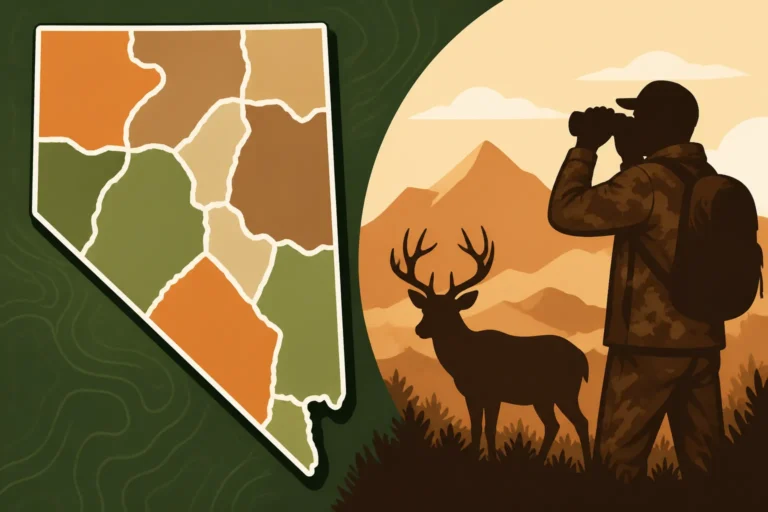
The sheer scale of Nevada's public lands, coupled with the often subtle nature of wilderness boundaries, can make staying legal feel like a constant challenge. You don't want to inadvertently drive where you shouldn't or set up camp in a prohibited zone. The good news is that modern technology, combined with a bit of old-fashioned map reading, makes navigating these areas more manageable than ever before. Knowing precisely where you are in relation to these protected zones is paramount for a successful and legal hunt.
The frustration of pulling up to what looks like a perfectly good two-track only to find a faded wilderness boundary sign can be real. But with the right tools and a solid understanding of how to use them, you can avoid these headaches and approach your hunt with confidence, knowing you're operating well within the regulations.
Essential Mapping Tools for Wilderness Edges
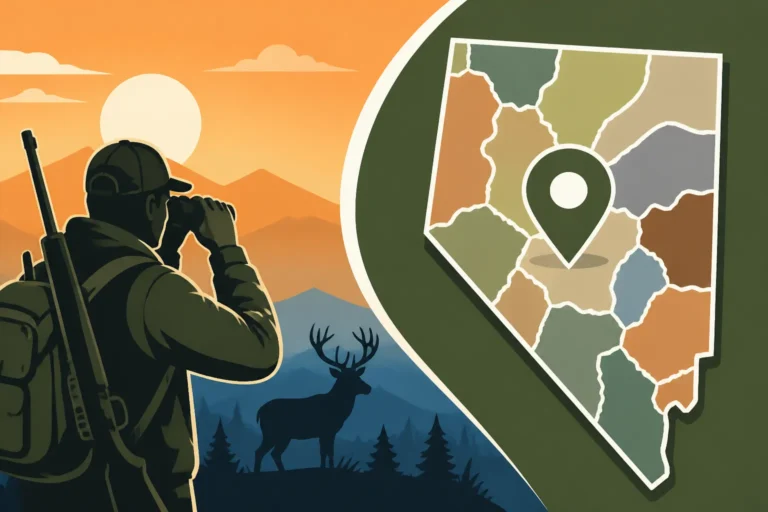
In today's hunting world, digital mapping applications are absolutely invaluable, especially when hunting around wilderness boundaries. Apps like onX Hunt provide detailed land ownership maps, showing not just public versus private land, but also overlays for designated Wilderness Areas and Wilderness Study Areas. This allows you to see the exact boundaries on your phone or GPS device, even when you're far from cell service. You can drop waypoints at parking areas, mark your intended route, and confirm you're not inadvertently crossing into a restricted zone. Using onX Layers for Nevada Public Land can give you a deeper dive into this.
Beyond digital tools, don't underestimate the power of physical maps. A good old-fashioned paper map (like a USGS topo map or a BLM surface management map) can provide context and a backup when electronics fail. These maps often denote wilderness and WSA boundaries with distinct shading or lines. Combining digital and paper maps offers a robust approach to navigation. Many serious applicants also use resources like GoHunt to research unit boundaries and wilderness designations before putting in for a tag, helping them choose units with appropriate access for their hunting style. These platforms often integrate detailed maps and draw odds, allowing for comprehensive e-scouting before you ever leave home.
Reading and Interpreting Boundary Markers
While digital maps are a game-changer, nothing beats actually seeing boundary markers on the ground. Federal agencies typically mark wilderness and WSA boundaries with signs. These signs can vary in size and prominence, from large, obvious kiosks at major trailheads to smaller, rectangular signs nailed to fence posts or trees in more remote locations. They will generally state "Wilderness Area" or "Wilderness Study Area" and often include a list of prohibited activities, such as "No Motorized Vehicles."
However, depending on the remoteness, age of the sign, or maintenance budget, these markers can sometimes be few and far between, faded, or even damaged. It’s imperative not to rely solely on finding a physical sign. Always cross-reference your position with your digital and paper maps. If you're unsure, err on the side of caution and assume you're in a restricted area. Learning to read the terrain in conjunction with your map – identifying ridgelines, drainages, or old road grades that match your map's contour – can also help confirm your location relative to a wilderness boundary. Knowing what to look for and how to interpret it is a skill every wilderness hunter needs to hone.
Common Wilderness and WSA Units in Nevada
Nevada is dotted with these protected areas, offering a diverse range of landscapes from high alpine peaks to vast desert basins. Understanding where some of these significant wilderness and WSA units are located can help you identify potential hunting opportunities or inform your strategy when applying for tags. Many of these areas are renowned not just for their challenging access, but for the quality of game animals they can produce due to reduced pressure.
While all wilderness areas offer solitude, the specific terrain and ecosystem will dictate the kind of hunting experience you'll have. From chasing high-country mule deer in a northern range to spotting antelope on the fringes of a desert WSA, Nevada truly has it all for the wilderness enthusiast.
Northern Nevada's Wilderness Opportunities
In northern Nevada, you'll find some spectacular mountain ranges that host designated Wilderness Areas and significant WSAs. The Jarbidge Wilderness, for example, located in the remote northeast corner of the state, is a rugged, high-elevation area known for its craggy peaks and deep canyons. This is prime country for mule deer and elk, but access is tough, requiring serious backpacking or pack stock. Jarbidge Wilderness Access delves deeper into getting into this specific area. Similarly, the Santa Rosa Range, home to the Santa Rosa-Paradise Peak Wilderness, offers excellent mule deer hunting in steep, timbered terrain. The Ruby Mountains also contain significant wilderness acreage, including the Ruby Mountains Wilderness, which is famous for its alpine lakes and the potential for big mule deer bucks, though hunting here is a serious physical undertaking. The Ruby Mountains for Nevada Hunters provides more insight.
These northern areas often feature more timber and water than their southern counterparts, but the elevation changes are dramatic, and weather can be unpredictable. Hunting these units means being prepared for long hauls, potentially across broken, rocky ground, and being proficient with high-country navigation. The rewards can be exceptional, as these areas often hold older, less pressured animals simply because fewer people are willing to make the effort to reach them.
Central and Southern Nevada's Remote Backcountry
As you move south and west in Nevada, the landscape transitions to classic Basin and Range country—isolated mountain ranges rising dramatically from vast, arid valleys. Many of these ranges host significant Wilderness Areas and WSAs. The Arc Dome Wilderness, for instance, in central Nevada's Toiyabe Range, is a large, rugged area that offers challenging mule deer hunting. Further south, the Schell Creek Range and Snake Range both contain designated wilderness, offering high-elevation hunting experiences in remote settings, often with less competition due to the effort required. Schell Creek and Snake Range Access details getting into these units.
Down in southern Nevada, the landscape becomes even more overtly desert, with iconic ranges like the Desert National Wildlife Refuge Wilderness, although special rules apply here for hunting, including limitations on access. Other areas like the Black Rock Desert Wilderness, famous for its cultural significance, also hold game on its fringes. Hunting in these desert wilderness areas often means focusing on water sources, enduring extreme temperatures, and being proficient at glassing vast, open landscapes. These areas can hold good numbers of mule deer and sometimes even bighorn sheep, but the challenges are unique and demand a different kind of preparation. Reading Water Sources Before an August Hunt can be helpful in these arid environments.
| Feature | Designated Wilderness | Wilderness Study Area (WSA) | Implications for Hunters |
|---|---|---|---|
| Status | Permanently protected by Congress | Under review by Congress for potential wilderness designation | Treat both as highly restricted; WSAs could change but are managed to preserve wilderness character in the interim. |
| Motorized Travel | Strictly prohibited (vehicles, e-bikes, ATVs, UTVs) | Generally prohibited; managed to prevent degradation | Plan for foot travel or pack stock; check specific WSA rules, but assume no motorized access. |
| Mechanized Travel | Prohibited (e-bikes, mountain bikes) | Generally prohibited | No mountain bikes. |
| Access Roads | Roads within boundaries typically closed or reclaimed | Roads often closed or reclaimed; status may be debated | Roads typically end at the boundary, requiring walk-in. |
| Camping | Dispersed camping allowed (Leave No Trace principles) | Dispersed camping allowed (Leave No Trace principles) | Primitive camping only; no established sites; carry out all trash. Camping Rules on Nevada BLM Ground |
| Management Focus | Preservation of primitive character and solitude | Preserve wilderness characteristics until a decision is made | Expect minimal human intervention, quiet environments, and self-reliance. |
Planning Your Wilderness Hunt: Logistics and Preparation
Hunting in Nevada's wilderness and wilderness study areas isn't a casual endeavor. It demands a higher level of preparation, both physically and mentally, than many other types of hunts. The remoteness, the lack of immediate access, and the often rugged terrain mean you need to be self-sufficient, capable of handling challenging conditions, and ready for long days of hard work. This isn't just about bagging an animal; it's about embracing a true backcountry experience.
The thought of packing into a roadless area can be intimidating, but with careful planning and the right mindset, it can be the most rewarding hunt you'll ever undertake. It strips away the conveniences and distractions, forcing you to focus on the essential elements of hunting and survival in a truly wild setting.
Physical Demands and Conditioning for Roadless Terrain
Let's be blunt: hunting in Nevada's wilderness will test your physical limits. You'll be covering miles on foot, often with a heavy pack, over steep, rocky, and uneven ground. Elevations can vary dramatically, leading to significant climbs and descents. Couple that with Nevada's often extreme weather—blazing heat in early seasons or bitter cold and snow later on—and you have a recipe for a physically demanding experience. This is not the place to "get in shape" during your hunt. You need to arrive prepared. For more on this, check out Preparing Physically for Long Glassing Days.
A solid physical conditioning program is essential. Focus on cardiovascular endurance (hiking, running, cycling), strength training (especially core and legs), and, most importantly, hiking with a weighted pack. Simulate the terrain you expect to encounter. If you're hunting steep mountains, train on steep mountains. If you're going into desert country, get used to uneven ground and heat. The better shape you're in, the more enjoyable and safe your hunt will be, and the more ground you'll be able to cover when a big buck or bull is on the move.
Water, Gear, and Emergency Preparedness
In wilderness environments, self-sufficiency is non-negotiable. This is especially true for water in arid Nevada. Never assume there will be reliable water sources, even if your map shows springs. Many springs in Nevada are seasonal or unreliable. Plan to carry all the water you'll need, or be absolutely certain of reliable, treatable sources. Water You Must Carry on a Desert Day Hunt explains this critical aspect. Beyond water, your gear choices become even more important. Lightweight, durable, and functional equipment is key. Think about clothing layers, reliable footwear, a shelter system, cooking gear, and a first-aid kit that can handle significant injuries.
Emergency preparedness is paramount. Cell service is virtually nonexistent in most wilderness areas, so a satellite communication device (like a satellite messenger or phone) is a wise investment. Let someone know your detailed itinerary, including your entry and exit points and expected return time. Be proficient with map and compass navigation, even if you rely on GPS, as electronics can fail. Understand the signs of heatstroke, hypothermia, and dehydration, and know how to treat them. Packing an animal out of roadless country also presents unique challenges, often requiring multiple trips or the use of pack frames designed for heavy loads. Packing an Animal Out of Roadless Country is a crucial read here.
Ethical Considerations and Leave No Trace Principles
Hunting in wilderness and wilderness study areas carries with it an even greater responsibility to uphold ethical standards and Leave No Trace principles. These areas are fragile ecosystems, designated specifically for their wild character. Our actions as hunters have a magnified impact here, and it's our duty to leave these places exactly as we found them, or even better. It’s about more than just following the law; it’s about respecting the land, the wildlife, and the experience of future generations.
The very essence of wilderness is its untrammeled nature—that it remains largely untouched by human activity. By consciously minimizing our footprint, we contribute to the preservation of these invaluable resources and reinforce the positive image of hunters as conservationists.
Minimizing Impact in Fragile Ecosystems
Every action you take in a wilderness area should be viewed through the lens of minimizing impact. This starts with how you travel. Stick to established trails where they exist, and if you must travel cross-country, spread out to avoid creating new trails. When camping, choose durable surfaces like rock or bare dirt, and camp at least 200 feet from water sources and trails. Pack out everything you pack in—and I mean everything, including food scraps, spent cartridges, and even human waste (using wag bags or digging catholes far from water sources). Remember the old adage: "take nothing but pictures, leave nothing but footprints."
For those using pack stock, careful management is crucial to prevent overgrazing or trail damage. Secure food away from animals, distribute waste, and avoid tying stock directly to trees in a way that causes damage. Processing your animal in the field also requires care; gut piles should be left away from trails, water, and potential campsites. The goal is to leave no trace that you were ever there, ensuring the wilderness remains wild for all who follow.
Respecting the Spirit of Wilderness
Beyond the practical aspects of Leave No Trace, there's the philosophical side: respecting the spirit of wilderness. These are places set aside for solitude and the opportunity to experience nature unadulterated. This means being mindful of noise, avoiding large camps, and generally conducting yourself in a way that preserves the quiet and wild character of the area. It's about disconnecting from the modern world and immersing yourself in the raw beauty of Nevada's backcountry.
This respect extends to wildlife. Hunting in wilderness areas often means encountering animals on their terms, in their natural habitat, with minimal human pressure. It’s a privilege. Take the time to observe, appreciate, and understand the ecosystem you're a part of. By embodying these principles, hunters become stewards of these incredible landscapes, demonstrating that hunting can coexist harmoniously with the highest forms of land preservation. Understanding Why Nevada Deer Hunting Is a Glassing Game is part of this, as it allows you to spot game from afar, minimizing disturbance.
Disclaimer
This article is for general informational purposes only and does not constitute professional advice. Laws, prices and regulations vary by location and change over time. Consult a qualified professional for guidance on your specific situation.