Hunting the Ruby Mountains
For many hunters, the image of Nevada brings to mind vast, open sagebrush flats. While that's certainly a part of the landscape, it overlooks the incredible mountain ranges that cut through the state, offering completely different hunting experiences. One such range, often called the "Swiss Alps of Nevada," is the Ruby Mountains. Hunting the Ruby Mountains presents unique challenges and rewards, from the sheer ruggedness of the terrain to the elusive big game animals that call its high country home. This guide will walk you through what to expect when planning a hunt in this truly special part of the Great Basin.
Discovering the Ruby Mountains: A Hunter's Perspective
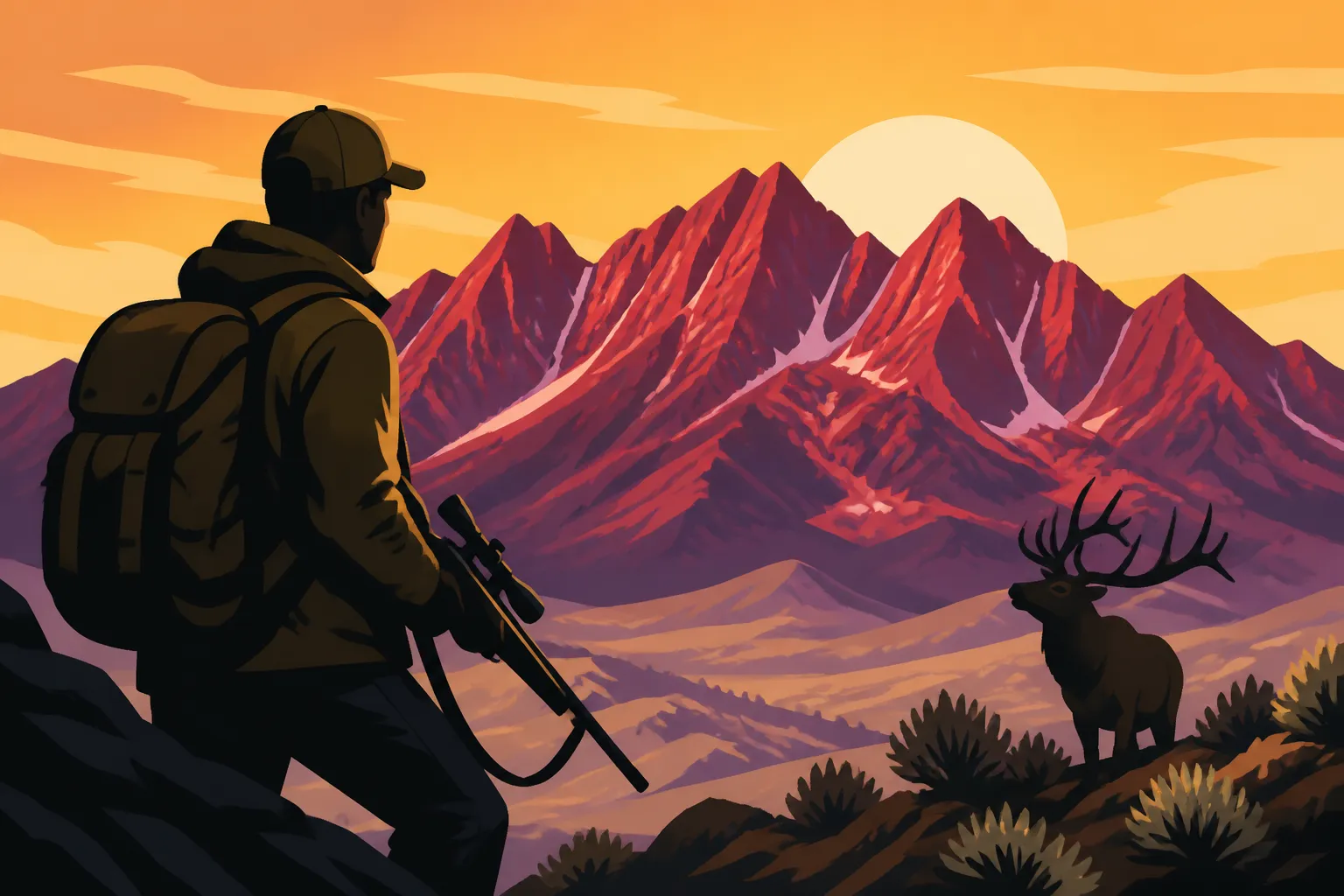
The Ruby Mountains are a spectacular island range in northeastern Nevada, standing tall and proud above the surrounding desert valleys. For hunters, these mountains aren't just a pretty backdrop; they are a challenging and rewarding hunting ground. The ecosystem here is distinct, offering different opportunities than the lower-elevation units. You're not just chasing game; you're often climbing into stunning alpine environments, navigating steep canyons, and glassing vast bowls. It's an experience that tests your physical limits and rewards you with breathtaking scenery and the chance at some truly impressive animals.
The sheer elevation change, from the valley floor to peaks over 11,000 feet, creates diverse habitats. You'll find sagebrush and pinyon-juniper at lower elevations transitioning into aspen groves, pine forests, and finally, open alpine tundra above treeline. This varied terrain means different strategies for different species. Mule deer might be found anywhere from the lower slopes to the highest basins, while elk tend to stick to the timbered canyons and higher meadows. And, of course, the legendary Rocky Mountain bighorn sheep inhabit the most rugged, unforgiving peaks. Rocky Mountain Bighorn in the East is a dream for many, and the Rubies are one of those places where that dream can come true.
What truly sets the Ruby Mountains apart is their character. They feel wild, remote, and truly untamed. You won't find bustling towns right on their doorstep; instead, you'll encounter quiet valleys and the kind of solitude that serious backcountry hunters crave. It's a place where meticulous planning, physical conditioning, and reliable gear are absolutely essential for a successful and safe hunt.
Accessing the Ruby Mountains for Your Hunt
Getting into and around the Ruby Mountains requires careful planning. While some areas are accessible by vehicle, a significant portion of the range is designated wilderness, meaning motorized travel is restricted. Understanding the access points, road conditions, and wilderness boundaries is crucial for any hunter. The main arteries into the Rubies are generally well-maintained gravel roads, but side roads can quickly become challenging, especially after rain or snow.
Main Road Access and Entry Points
The most common way to approach the Rubies is from the west, via Lamoille Canyon Road, often called "the scenic byway." This paved road offers stunning views and access to several trailheads that lead into the higher country. While it's beautiful, remember it's a popular tourist destination, so you'll share the road and lower trailheads with sightseers, especially on weekends. Other access points exist on the east side of the range, often less developed and requiring more robust vehicles. These eastern approaches tend to be more remote and see less general traffic, which can be a boon for hunters looking for solitude. Using a reliable mapping tool like onX Hunt is indispensable for identifying these roads and understanding their condition before you commit.
Always check local conditions before heading out, especially if you're planning a late-season hunt. Snow can close roads quickly, and even in earlier seasons, heavy rains can make dirt roads impassable. You don't want to find yourself stranded miles from pavement with a heavy load. Carrying extra fuel and water is a mantra for Nevada hunters, and it’s especially true in a place like the Rubies. Vehicle Prep for Remote Nevada Roads is a critical read if you're venturing far from pavement.
Wilderness Area Considerations
A substantial portion of the Ruby Mountains falls within the Ruby Mountains Wilderness Area. This designation means no motorized vehicles, including ATVs, mountain bikes, or e-bikes, are allowed. All travel within the wilderness must be on foot or horseback. This is where a good packing strategy comes into play. If you're lucky enough to harvest an animal deep in the wilderness, you'll be packing it out under your own power or with the help of pack animals. For this reason, many hunters consider using pack horses or mules, or even hiring a pack string outfitter, particularly for elk hunts. Pack Stock Rules Inside Wilderness covers the specifics.
Knowing the wilderness boundaries precisely is also vital. Apps like onX Hunt allow you to clearly see these lines on your map, ensuring you don't inadvertently violate regulations. Respecting these boundaries is not just about avoiding fines; it's about preserving the wild character of these mountains for everyone. When planning your route, factor in the extra time and physical exertion required to traverse wilderness areas. What looks like a short distance on a map can be a monumental task over steep, rocky terrain.
Game Species and Hunting Opportunities in the Rubies
The Ruby Mountains are a magnet for big game hunters, offering opportunities for mule deer, elk, and bighorn sheep, alongside some excellent upland bird hunting. The rugged terrain and diverse habitat cater to different species, each requiring its own strategy and preparation. Drawing a tag for any of these species in the Rubies is a challenge in itself, but the rewards are often exceptional.
Mule Deer Hunting
Mule deer are the most commonly pursued big game animal in the Ruby Mountains. These mountains offer excellent habitat, especially in the aspen and conifer forests, and the high alpine bowls where deer summer. While you can find deer throughout the range, the larger bucks often inhabit the more secluded, steeper country, making for a physically demanding hunt. Early archery seasons might find deer in their summer patterns, often high on the mountainsides, while later rifle seasons can catch them during the rut or migrating to lower elevations. Why Late Seasons Produce Bigger Bucks is a concept that holds true here, as colder weather can push deer down and make them more visible.
Glassing is king in the Rubies, just as it is across much of Nevada. From a high vantage point, you can spend hours scanning the opposite slopes, picking apart the timber and rock slides for a bedded buck. Spotting scopes and quality binoculars are not just recommended; they are essential tools. Hunters often utilize the many cirques and drainages to make their stalks, using the terrain to break their silhouette and cover their approach. However, navigating these steep, rocky slopes quietly can be incredibly difficult, often requiring patience and slow, deliberate movements.
Elk Hunting in High Country
Nevada's elk herds, including those in the Ruby Mountains, have grown significantly over the years, offering truly world-class opportunities. The Rubies are known for producing some impressive bulls, making a Ruby Mountains elk tag one of the most coveted in the state. Elk in this range tend to stick to the heavier timber and more secluded canyons, often at higher elevations. Early season archery and muzzleloader hunts can be particularly exciting as bulls are vocal during the rut, making for incredible bugling opportunities. Bugling Bulls in Nevada's Northern Mountains is a skill worth honing before tackling the Rubies.
Hunting elk in the Rubies means being prepared for anything. You might be still-hunting through dense timber, calling to a bull across a deep canyon, or tracking fresh sign through a high mountain meadow. Elk are powerful animals, and packing one out of the steep, roadless country of the Rubies is a monumental task. Physical conditioning is paramount for an elk hunt here, not just for the pursuit, but for the grueling pack-out that often follows a successful harvest. Understanding the different elk seasons, such as Nevada Elk Muzzleloader Timing by Unit or the various rifle windows, will inform your application strategy.
Bighorn Sheep and Upland Birds
For a lucky few, the Ruby Mountains offer the chance to hunt Rocky Mountain bighorn sheep. These majestic animals inhabit the highest, most rugged peaks, making their pursuit one of the most challenging hunts imaginable. Drawing a bighorn tag is incredibly difficult, often taking decades of applications, but the experience of pursuing these animals in their natural, awe-inspiring habitat is truly a hunt of a lifetime. The sheer athleticism required to navigate the steep, rocky terrain where bighorn thrive is immense.
Beyond big game, the Rubies also offer fantastic chukar hunting. These tough, fast-flying birds inhabit the steep, rocky slopes, often near water sources. Chukar hunting is famously physically demanding, earning it the nickname "the Devil's bird." You'll put in miles of climbing and descending, but the reward of a covey flush and a few birds in the vest is incredibly satisfying. A good pair of hunting dogs is almost essential for locating and retrieving these birds in the challenging terrain. Chukar Country on Nevada's Steep Slopes delves deeper into what makes this pursuit so punishing yet rewarding.
| Species | Primary Habitat | Hunting Challenge | Season Timing (General) |
|---|---|---|---|
| Mule Deer | Aspen, conifers, high alpine bowls, lower slopes | Spotting in broken terrain, steep stalks | Aug-Nov |
| Elk | Dense timber, secluded canyons, high meadows | Physical exertion, vocalization, packing out | Aug-Dec |
| Bighorn Sheep | Highest, most rugged peaks, rock outcroppings | Extreme terrain, rarity of tags, intense scouting | Aug-Jan |
| Chukar Partridge | Steep, rocky slopes, dry washes, near water | Physical endurance, fast-flying birds, dog work | Sept-Feb |
Planning Your Ruby Mountain Hunt
A successful hunt in the Ruby Mountains hinges on meticulous planning and preparation. The remote, rugged nature of this range means you need to be self-sufficient and ready for whatever Mother Nature throws your way. From physical training to gear selection and scouting, every detail matters.
Essential Gear and Physical Conditioning
The Ruby Mountains are not a place for the unprepared. Your gear needs to be robust, reliable, and appropriate for extreme mountain conditions. This includes layering clothing for unpredictable weather changes, durable boots that can handle sharp volcanic rock and steep climbs, and a pack capable of carrying all your essentials—and potentially heavy meat. Quality optics, as mentioned, are non-negotiable for glassing the vast landscapes. A satellite messenger or GPS device is also a wise investment, as cell service is nonexistent in many parts of the range. Satellite Messenger Use in Remote Country is a topic to consider for your safety.
More important than any gear is your physical condition. Hunting the Rubies is a relentless uphill battle. You'll be climbing thousands of feet in elevation, often at high altitude, and covering significant distances over uneven terrain. Start a rigorous training regimen well in advance of your hunt, focusing on cardiovascular endurance, strength training, and hiking with a weighted pack. Simulating the demands of the hunt will pay dividends in comfort, safety, and success. Preparing Physically for Long Glassing Days applies directly to this challenging environment.
Scouting and Strategy
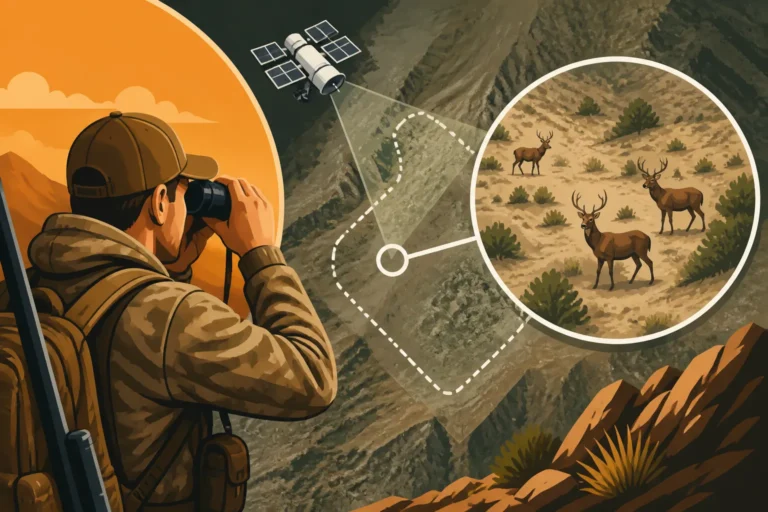
Effective scouting is paramount for hunting the Ruby Mountains. Given the draw odds for many tags, you might have years to plan and scout. Utilize tools like GoHunt to research unit statistics, historical harvest data, and success rates. Combine this with satellite imagery from platforms like onX Hunt to identify potential game corridors, bedding areas, water sources, and access routes. Look for features like north-facing slopes that hold moisture, dense timber pockets, and secluded basins. E-Scouting a Nevada Unit Before the Season will be a game-changer for your preparation.
On-the-ground scouting, if possible, is invaluable. Hiking into potential areas before the season allows you to assess terrain difficulty, locate fresh sign, and identify suitable glassing points. If a physical scouting trip isn't feasible, thoroughly study topographic maps and satellite imagery to understand elevation changes and potential natural travel routes for game. The more you know about your chosen area, the better equipped you'll be to adapt to conditions once the hunt begins.
Environmental Factors and Safety
The weather in the Ruby Mountains can change dramatically and quickly. Sunny, warm mornings can give way to afternoon thunderstorms, hail, or even snow, even in early fall. Always carry extra layers, rain gear, and emergency supplies. Be mindful of dehydration, especially during more strenuous early-season hunts. Carry more water than you think you'll need, or plan routes around reliable water sources. Water You Must Carry on a Desert Day Hunt is a good guideline, even in the mountains.
Beyond weather, be aware of the wildlife around you. While rare, encounters with mountain lions and black bears are possible. Knowing how to react to these situations is part of being a responsible backcountry hunter. Also, pay attention to fire restrictions, which are common in Nevada during the drier months. Campfire regulations can change rapidly, and knowing the current rules is crucial for preventing wildfires. A hunt in the Ruby Mountains is an incredible adventure, but safety must always be your top priority.
Disclaimer
This article is for general informational purposes only and does not constitute professional advice. Laws, prices and regulations vary by location and change over time. Consult a qualified professional for guidance on your specific situation.