Nevada Unit Groups and How They Work
One of the most perplexing aspects of hunting in Nevada for newcomers, and even for seasoned hunters coming from other states, is truly grasping the concept of "unit groups." You see the numbers, you read the regulations, but understanding how individual hunt units combine into these larger groups for specific species and seasons can feel like trying to solve a puzzle with half the pieces missing. This guide is here to untangle that knot, explaining exactly how Nevada's unit groups work, what they mean for your application, and how to use this knowledge to your advantage.
Deciphering Nevada's Hunt Unit System
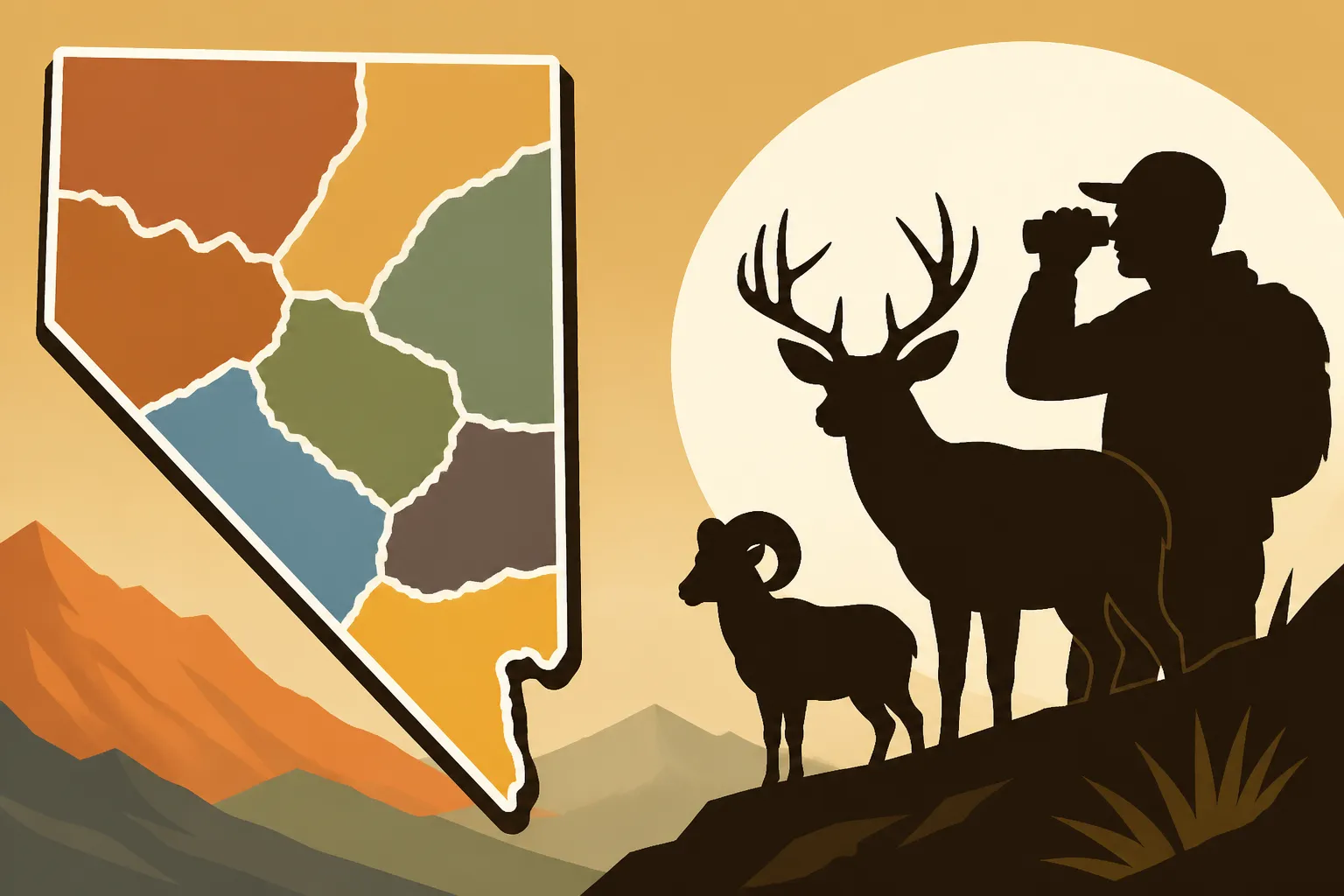
Nevada's landscape is vast, diverse, and often sparsely populated. The state's game management unit system is designed to reflect this, breaking down the immense territory into manageable chunks. But it doesn't stop there. For hunting purposes, especially in the draw, these individual chunks are frequently combined, creating "unit groups."
The Building Blocks: Individual Hunt Units
Think of individual hunt units as the smallest geographical divisions for game management. These are the specific areas you might see outlined on a map, often bounded by highways, county lines, major geographical features like mountain ranges or river drainages, or even arbitrary straight lines drawn across the desert. Each unit has its own unique number, like Unit 011, Unit 012, or Unit 021. Biologists use these individual units to track herd populations, assess habitat, and gather harvest data. When you're Reading a Nevada Hunt Unit Before You Apply, you're starting with these specific parcels of ground.
However, applying for a single, small unit for a species like mule deer or elk can sometimes be a high-stakes gamble with incredibly low draw odds, especially for premium tags. The game management strategy in Nevada often necessitates a broader approach to ensure harvest objectives are met and to offer hunters more flexibility.
Why Grouping Units Makes Sense for the State
From the perspective of game management, grouping units serves several critical functions. Firstly, it allows for a larger, more biologically appropriate management area, especially for migratory species like mule deer or wide-ranging animals like elk. A deer herd doesn't stop at an arbitrary unit line; it moves with seasons and feed. Grouping units acknowledges this natural movement. Secondly, it helps distribute hunting pressure across a wider area, preventing over-pressuring a single small unit. If only one small unit was open, it could become a zoo on opening weekend.
Finally, unit groups can provide more flexibility in tag allocations. Instead of having to guess exactly where a specific group of animals will be, the state can issue tags for a broader region, increasing the chances of hunters finding success within that larger, combined area. This is particularly true in areas where animal distribution might fluctuate due to factors like drought, snowpack, or wildfire.
The Challenge for Hunters: Understanding the Combinations
For hunters, the challenge lies in understanding exactly which units are grouped together for which species and which season. The same individual unit (say, Unit 031) might be part of one group for an archery deer hunt, but part of a completely different group for a late rifle elk hunt. It's not always intuitive, and it requires careful study of the annual regulations.
This complexity means that simply knowing your favorite individual unit isn't enough; you need to know how it fits into the larger puzzle of unit groups. Hunters who fail to grasp this can easily misinterpret draw statistics, apply for the wrong area, or worse, miss opportunities in adjacent units that are actually part of the same draw choice. It’s crucial to know that when you apply for a "group," you are eligible to hunt any of the individual units within that group.
How Nevada's Unit Groups Are Structured
The way Nevada groups its units isn't random; it's typically based on a combination of geography, habitat, and species-specific considerations. Understanding this underlying logic can help you predict and interpret the groupings more effectively.
Geographic Logic Behind the Groupings
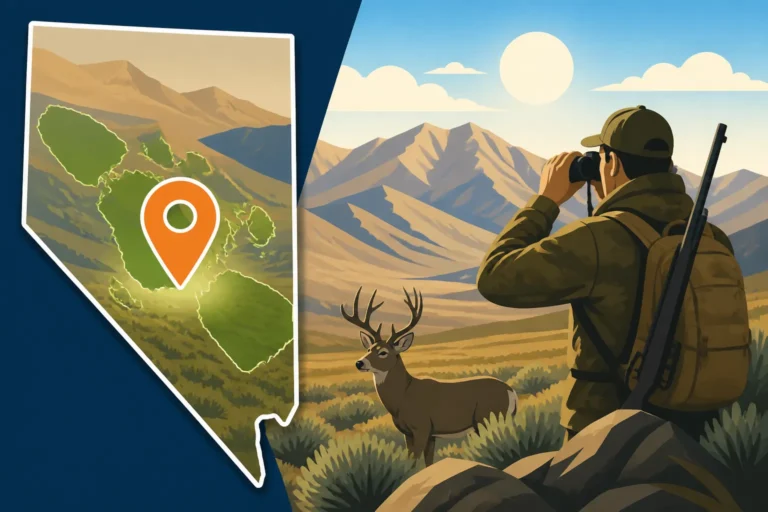
Many unit groups are formed around logical geographical features that define a larger hunting area. This could be an entire mountain range, a sprawling basin and range complex, or a contiguous block of habitat that crosses several smaller administrative boundaries. For example, a group might encompass the northern reaches of a particular mountain range and its surrounding foothills, even if it technically spans three or four individual units.
This geographical grouping often makes sense from a hunter's perspective too. Animals move within these natural boundaries, and a hunter might scout one area but end up finding game several miles away in an adjacent unit that's part of the same group. This is where tools like onX Hunt become invaluable, as you can visualize these larger groups and the public land within them, helping you plan your approach across varied terrain.
Species-Specific Groupings and Their Implications
It's important to remember that unit groupings are almost always species-specific. A group of units that is open for mule deer during a general rifle season might be completely different from the group that's open for elk in the same general area, or even for mule deer during an archery season. This means you can't assume that if Units A, B, and C are grouped for deer, they'll also be grouped for antelope.
This species-specific approach allows the state to tailor management strategies. For a species with a very small, isolated population, they might only open one or two very specific units. For a widespread species, they might group many units to offer more opportunity. These variations are critical for hunters to note, as they directly impact which hunt choices are available to them. Understanding these distinctions helps when you're comparing Nevada Elk Rifle Hunts Stretch From October Into December versus Nevada's August Archery Deer Season Opens the Year – the units and their groupings will differ dramatically.
Examples of Common Unit Groupings
Let's look at a hypothetical example to illustrate. Imagine "Group A" for mule deer general rifle season might include Units 011, 012, and 014. If you draw a tag for "Group A," you can legally hunt mule deer in any of those three units during the designated season. This significantly expands your hunting ground compared to if you had only drawn for Unit 011 specifically.
Now, compare that to an elk hunt. "Elk Group X" might include Units 011, 013, and 015. Notice that Unit 012 and 014, which were in the deer group, are not in the elk group, and Unit 013 and 015, not in the deer group, are in the elk group. This is a common occurrence. The table below illustrates this concept simply:
| Species | Hunt Group Example | Individual Units Included | Total Area Implications |
|---|---|---|---|
| Mule Deer | Group 111-115 | Unit 111, Unit 112, Unit 113, Unit 114, Unit 115 | Large, contiguous deer habitat |
| Elk | Group 111-112, 114 | Unit 111, Unit 112, Unit 114 | Specific elk migration corridors and ranges |
| Pronghorn | Group 113-115 | Unit 113, Unit 115 | Open valley floors with antelope habitat |
As you can see, the composition shifts based on the species, which is why meticulously Reading a Nevada Unit Boundary and understanding the group listed in the regulations is so vital.
Practical Implications for Your Application Strategy
Understanding unit groups isn't just an academic exercise; it's a fundamental part of building a successful application strategy in Nevada. How you approach these groupings can significantly affect your draw odds and ultimately, your hunting experience.
Expanding Your Draw Odds with Unit Groups
One of the most immediate benefits of unit groups is the potential to increase your draw odds. When you apply for a group of units, you are essentially increasing the total number of tags available for that single hunt choice. Instead of vying for 50 tags in a small unit, you might be competing for 150 tags spread across three or four units within a group. This doesn't guarantee a tag, of course, but it broadens the pool of available permits.
For non-residents or those with fewer bonus points, targeting unit groups that encompass a larger, less "trophy-focused" area can be a smart play. While some hunters might be laser-focused on a single, high-demand unit known for giant bucks, a unit group offers more opportunities. Remember, Nevada's draw system is also influenced by How Nevada's Squared Bonus Points Work, so every bit of strategic advantage helps.
Weighing Opportunity Against Trophy Potential
The trade-off for increased draw odds in a larger unit group often involves a broader range of trophy potential. A group might contain one or two "honey hole" units known for bigger animals, alongside other units that offer more general opportunity or have lower deer densities. For some hunters, drawing any tag for a particular species is the goal, and a unit group provides that opportunity.
For others, who are holding out for a true trophy, they might still focus their first choice on a specific, high-demand single unit, even if the odds are slim. Then, their second or third choices might be unit groups that offer a better chance of drawing a tag, even if the "average" animal quality might be perceived as lower. It's a personal decision, but understanding the composition of the group is key to making that choice. Hunting big animals often means Why Late Seasons Produce Bigger Bucks, and some unit groups will offer those late season opportunities across a wider area.
The Impact on Scouting and Hunt Planning
Once you've drawn a tag for a unit group, your scouting and hunt planning suddenly becomes a lot more expansive. You're no longer confined to a single mountain range or valley; you have multiple units to consider. This requires a shift in mindset and tactics. Instead of micro-scouting one small area, you'll need to develop a broader strategy, perhaps focusing on migratory corridors or distinct habitat types that span across the grouped units.
This is where advanced mapping and e-scouting tools truly shine. You can zoom out and visualize the entire unit group, identifying potential access points, water sources, and bedding areas that might be miles apart but still within your legal hunting grounds. Effective E-Scouting a Nevada Unit Before the Season becomes paramount to leverage the full potential of a grouped tag.
Tools and Resources for Navigating Unit Groups
Navigating the intricacies of Nevada's unit groups requires good information and the right tools. Relying solely on memory or anecdotal advice can lead to costly mistakes.
Official Nevada Hunt Regulations and Maps
Your absolute first stop for understanding unit groups should always be the official Nevada Department of Wildlife (NDOW) big game regulations booklet. This document, published annually, contains the definitive list of all hunt units, their groupings, season dates, and specific species regulations. It's not the most thrilling read, but it's the bible for Nevada hunters. Pay close attention to the tables that list hunt numbers and the units they comprise.
NDOW also provides maps or references to maps that illustrate unit boundaries. While these can be static and sometimes hard to interpret in detail, they lay the groundwork. Always cross-reference what you read in the regulations with a visual aid to ensure you fully grasp the geographical extent of any given unit group.
Digital Mapping Apps (onX Hunt, GoHunt)
For modern hunters, digital mapping applications like onX Hunt have revolutionized the way we understand and plan hunts on public land. With onX Hunt, you can overlay public and private land boundaries, topo maps, satellite imagery, and often, even hunt unit boundaries directly onto your device. This allows you to visually see which individual units fall within a particular unit group you've drawn or are considering.
Similarly, resources like GoHunt provide detailed draw odds, application strategies, and often have interactive maps that break down unit information. They compile harvest data and statistics, helping you determine how successful hunters have been in specific units or unit groups in past seasons. Combining these tools allows you to go beyond just the written regulations and truly see the implications of a unit group on the landscape. Reading Nevada Hunt Draw Statistics becomes much easier when you can visualize the unit boundaries on a map.
Analyzing Draw Odds and Harvest Data
Once you understand which units form a group, the next step is to dive into the data. Look at past draw odds for those specific unit groups. While individual units might have very long odds, the group as a whole might present a more achievable goal. Websites and resources that specialize in hunt draw data (like GoHunt) often provide specific information on unit group success rates.
Also, examine harvest data for the individual units within the group. This can give you insights into where animals might be more concentrated or where hunters have historically had more success. Sometimes, one unit within a group might consistently produce larger animals, while another might offer higher overall success rates due to easier access or higher animal numbers. This analysis helps you tailor your scouting efforts once you've drawn a grouped tag. Don't forget to check Where Nevada Posts Its Draw Odds Tables for the official numbers.
Common Pitfalls and How to Avoid Them
Even with a solid understanding, it's easy to make mistakes when dealing with Nevada's unit groups. Being aware of these common pitfalls can save you frustration and disappointment.
Misinterpreting Unit Boundaries Within Groups
One of the biggest mistakes hunters make is assuming they know the boundaries of a unit group without thoroughly checking. They might recall that Units 041 and 042 are grouped for deer, but forget that for a different season or species, Unit 043 might also be included, or perhaps 042 is actually excluded. Misinterpretation can lead to hunting illegally in an unauthorized area, which is a serious offense.
Always, always double-check the current year's regulations. Don't rely on memory or last year's regulations, as groupings can change. Use your mapping apps to draw or highlight the boundaries of the entire unit group you've drawn. Before you ever set foot in the field, you should be crystal clear on the exact geographical limits of your tag. How Nevada Numbers Its Hunting Units and Reading a Nevada Unit Boundary are essential skills to master for this.
Overlooking Logistics in Larger Hunt Areas
A common misconception with unit groups is that more area automatically means better hunting. While it often means more opportunity, it also means potentially more ground to cover and thus, more logistical challenges. If your unit group spans several mountain ranges and hundreds of square miles, you need to think about access, fuel, water, and emergency planning.
You can't just pick one trailhead and expect to cover the entire group from there. You might need to move camp, plan for longer drives between different sections of your hunting area, or carry more supplies. The vastness of Nevada Is the Most Federally Owned State in the Lower 48 means services are far apart. Consider what Carrying Extra Fuel on a Nevada Hunt or Water You Must Carry on a Desert Day Hunt means when your hunting area doubles or triples in size. This increased scale demands robust preparation.
Not Considering Pressure Differences Across a Group
While unit groups help spread out pressure, it doesn't mean all units within a group will experience the same level of hunting activity. Often, certain units within a group are more accessible, have higher deer concentrations, or are simply more popular with local hunters. These areas will likely see more pressure, especially during opening weekend.
Savvy hunters will use their mapping tools and research to identify these pressure points and then focus their efforts on less accessible or overlooked sections within the unit group. This might mean Packing an Animal Out of Roadless Country or making a longer hike, but it can pay off with a more solitary and potentially more successful hunt. Don't just pick the easiest-to-reach spot within your group; consider the whole picture and plan to adapt to where other hunters are (or aren't).
Disclaimer
This article is for general informational purposes only and does not constitute professional advice. Laws, prices and regulations vary by location and change over time. Consult a qualified professional for guidance on your specific situation.