Units Around Elko Worth Scouting
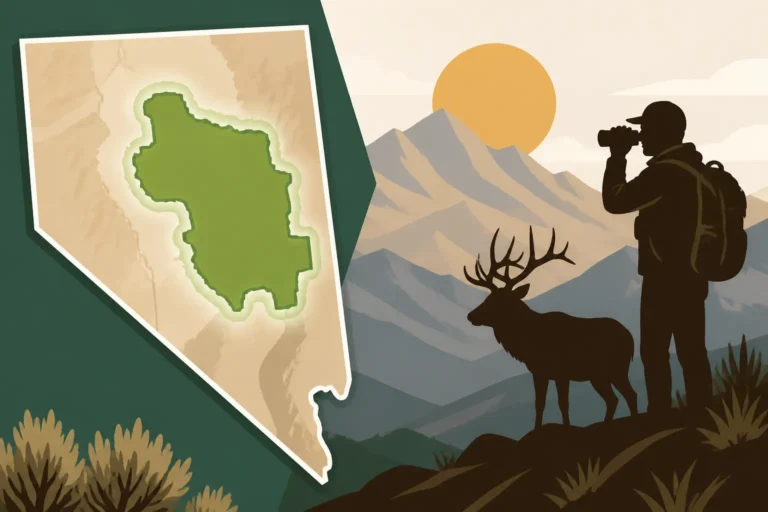
Staring at a map of Nevada's sprawling public land, especially around a hub like Elko, can feel like trying to drink from a firehose – there’s so much country, so many squiggly lines, and a daunting amount of sagebrush. It’s easy to feel overwhelmed by the sheer scale when you're trying to pinpoint which units hold promise for your next deer, elk, or chukar hunt. This guide is here to cut through that noise, helping you understand the diverse hunting opportunities near Elko and giving you practical strategies to scout and prepare for these expansive and challenging landscapes.
Why Elko is a Hunter's Hub in the Great Basin
Elko, Nevada, isn't just a dot on the map; it’s a strategic gateway to some of the most diverse and rugged hunting opportunities the Great Basin has to offer. Situated in northeastern Nevada, it serves as a fantastic base camp for exploring vast stretches of public land, from towering mountain ranges to seemingly endless sagebrush flats. This region presents a unique blend of high-desert and mountainous terrain, offering a completely different experience depending on which direction you head. The diversity of habitats means a diversity of game, making Elko a magnet for those willing to put in the work.
Many hunters are drawn to the area for its mule deer, often found in the higher elevations or migrating through the sagebrush during later seasons. But it's not just about the deer; the Elko region boasts strong populations of elk in certain mountain ranges, and antelope are plentiful across the wide-open valleys. For those who enjoy upland bird hunting, the steep, rocky slopes around Elko are legendary for chukar, though they demand a serious physical commitment. The sheer amount of federally owned land here, primarily managed by the BLM and U.S. Forest Service, means abundant access for those who know how to navigate it. Hunters who've spent years in more crowded states often marvel at the solitude and challenge that Nevada offers, and Elko sits right in the heart of it all. It’s a place where meticulous scouting and a rugged mindset truly pay off.
Deciphering the Hunt Units Around Elko
Nevada's hunt unit system can seem a little complicated at first glance, but understanding the general characteristics of the units surrounding Elko is key to successful scouting. These units vary dramatically, from high-alpine wilderness areas to expansive, low-elevation desert basins. Generally, you'll find two primary types of terrain influencing the hunting experience: the mountain ranges and the sagebrush-dominated valleys.
The mountain ranges, such as the Ruby Mountains to the south and east, or the Independence Mountains to the north, often hold the highest concentrations of elk and larger mule deer bucks. These units are characterized by steep climbs, timbered pockets, and scattered water sources. Access can be limited to seasonal dirt roads, and in some cases, require significant hiking or pack stock to reach prime areas. Hunting here often means chasing animals in rough country, glassing from high points, and being prepared for rapid weather changes. For those dreaming of a trophy bull, these are the units that often come to mind. Tools like GoHunt can provide invaluable data on draw odds and harvest success for these specific mountain units, helping you refine your application strategy. On the flip side, the vast sagebrush basins and lower rolling hills, which make up the bulk of the landscape, are prime for mule deer and antelope. These units demand a completely different approach, typically favoring long-range glassing, patient stalking, and an intimate understanding of how game uses subtle terrain features for cover in seemingly open country. You might not find dense timber, but the endless undulations and draws can hide entire herds of animals. Understanding Reading a Nevada Hunt Unit Before You Apply is crucial here, as is delving into the specifics of How Nevada Numbers Its Hunt Units to truly grasp what you're looking at on a map.
| Unit Type | Primary Species | Terrain Characteristics | Typical Hunting Style | Access Challenges |
|---|---|---|---|---|
| Mountain | Elk, Mule Deer, Bear | Steep, timbered, rocky, high elevation, canyons | Spot & stalk, bugling, physically demanding | Seasonal roads, wilderness boundaries, foot/horse travel |
| Basin/Desert | Mule Deer, Antelope, Chukar | Rolling hills, sagebrush flats, sparse cover, volcanic rock | Long-range glassing, patient stalking, water-focused | Rough dirt roads, limited services, heat in early seasons |
Your Essential Scouting Toolkit for Elko Units
Effective scouting around Elko requires a combination of digital savvy and boots-on-the-ground effort. Given the immense size of Nevada's units, e-scouting is your first and most critical step. Applications like onX Hunt are indispensable. With onX Hunt, you can meticulously pore over satellite imagery, identify public and private land boundaries, locate potential water sources like springs and guzzlers, and trace vehicle and foot access routes. This digital reconnaissance allows you to eliminate countless miles of unproductive ground before you even leave home. You can mark potential glassing knobs, likely bedding areas, and migration corridors, building a comprehensive plan of attack. Diving deep into E-Scouting a Nevada Unit Before the Season will give you a detailed framework for this process, highlighting how to layer information effectively.
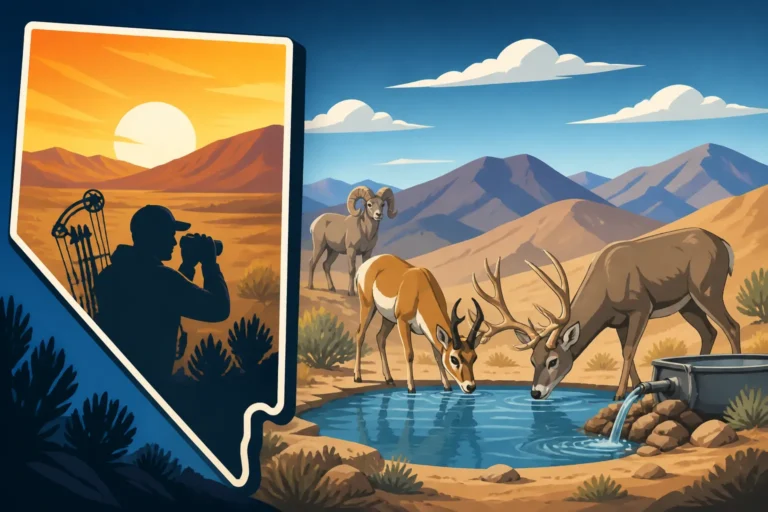
Once you have a handful of promising areas identified through e-scouting, it’s time to hit the dirt, literally. On-the-ground scouting, even if it's just a weekend trip months before the season, provides invaluable insight that satellite imagery alone can’t offer. Pay close attention to current water levels at springs and guzzlers, identify fresh game trails, and look for signs of feeding or recent bedding. This is especially true for Hunting Water in Nevada's Driest Country. You'll get a feel for the prevailing wind patterns, the actual steepness of a ridge, and the density of the sagebrush or timber. These are critical details that inform your hunting strategy. When you're out there, remember that Elko country is a glassing game. Invest in quality optics—binoculars and a spotting scope on a tripod—and practice your glassing grids. Learning to effectively glass and interpret what you see at long distances is a skill that will dramatically increase your success here, as detailed in Glassing Nevada's Basin and Range for Mule Deer. Don't be afraid to pull over, set up your tripod, and spend hours studying a distant hillside; that’s how you find those hidden pockets holding game.
Logistical Realities and Preparation for Elko Backcountry
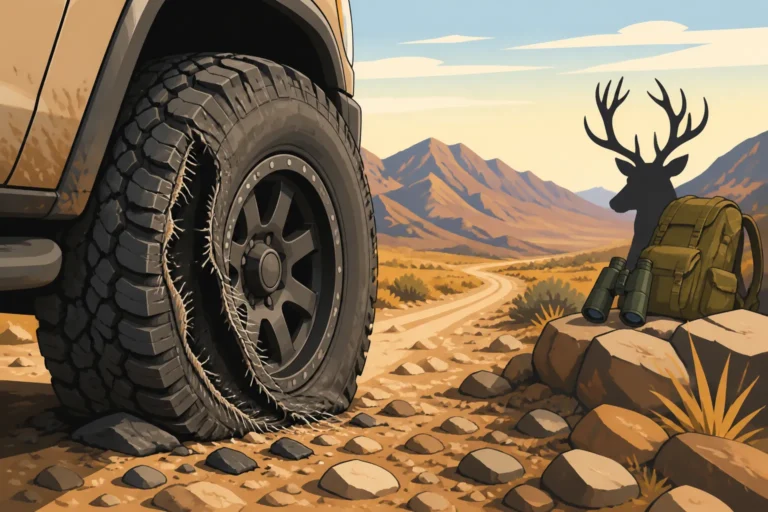
Hunting in the vastness around Elko isn't like hunting smaller, more accessible parcels. The distances are immense, services are sparse, and conditions can change rapidly. Proper preparation, both in terms of your physical condition and your gear, is paramount. Many of the most productive units are deep in the backcountry, accessed by primitive dirt roads that can be unforgiving. Your vehicle needs to be in top shape, equipped with good tires, a full-size spare, and emergency recovery gear. Carrying extra fuel is not just a good idea; it's often a necessity, as gas stations can be hundreds of miles apart in some areas. Refer to Vehicle Prep for Remote Nevada Roads to ensure your truck or SUV is ready for the abuse.
Hydration is another critical factor, especially during early seasons. You'll be expending a lot of energy, and the dry air combined with high desert temperatures can lead to dehydration quickly. Always carry more water than you think you'll need, and consider a water filtration system for longer trips. Beyond water, you need to be prepared for drastic temperature swings. A crisp morning can turn into a scorching afternoon, and a warm day can quickly become a freezing night. Effective layering, as discussed in Layering for Basin and Range Temperature Swings, is essential for comfort and safety. Most hunting in these units will involve dispersed camping on BLM Ground Is Where Most Nevada Hunting Happens or National Forest land, so understanding the regulations around Camping Rules on Nevada BLM Ground is important. This includes fire restrictions, waste management, and how long you can stay in one spot. Cell service is spotty at best in many areas, so a satellite communication device like an inReach or ZOLEO is a smart investment for emergency situations and checking in with loved ones. Embrace the remote nature of the hunt, plan for self-sufficiency, and you'll be much more likely to have a safe and successful trip into the rugged beauty of Elko's hunting grounds.
Disclaimer
This article is for general informational purposes only and does not constitute professional advice. Laws, prices and regulations vary by location and change over time. Consult a qualified professional for guidance on your specific situation.