How Much National Forest Nevada Holds
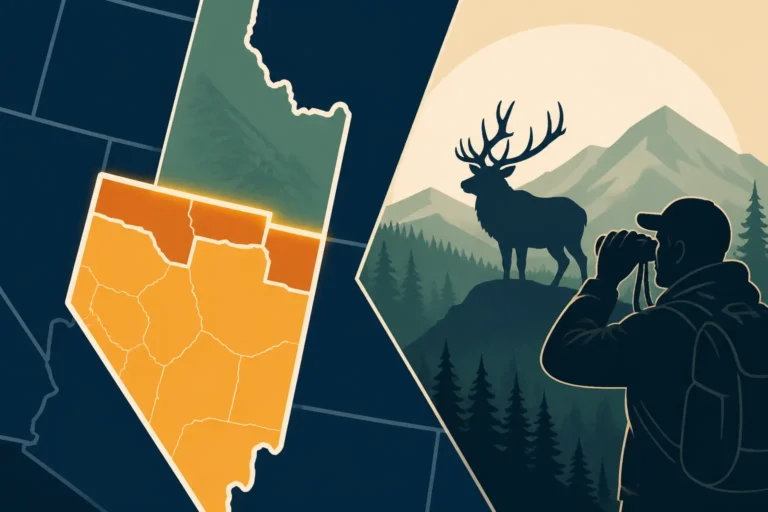
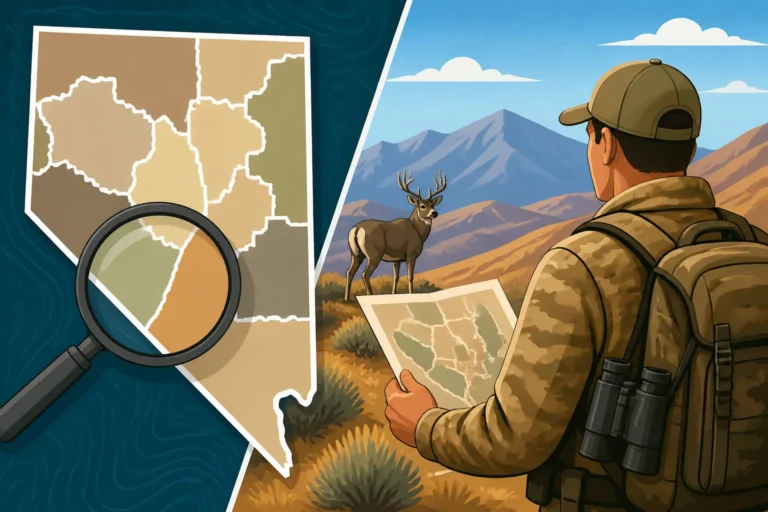
It's easy to look at a map of Nevada and see all that public land, but the sheer scale of it can be misleading. While most hunters think immediately of the vast stretches of BLM ground, many forget about the significant chunks of National Forest land nestled within the state's mountain ranges. Figuring out just how much of that is available, and what kind of hunting experience it offers, is a puzzle for many. This guide is here to help you navigate those higher-elevation havens, understanding their unique characteristics and how to best utilize them for your next hunt.
The Scope of National Forest Land in Nevada
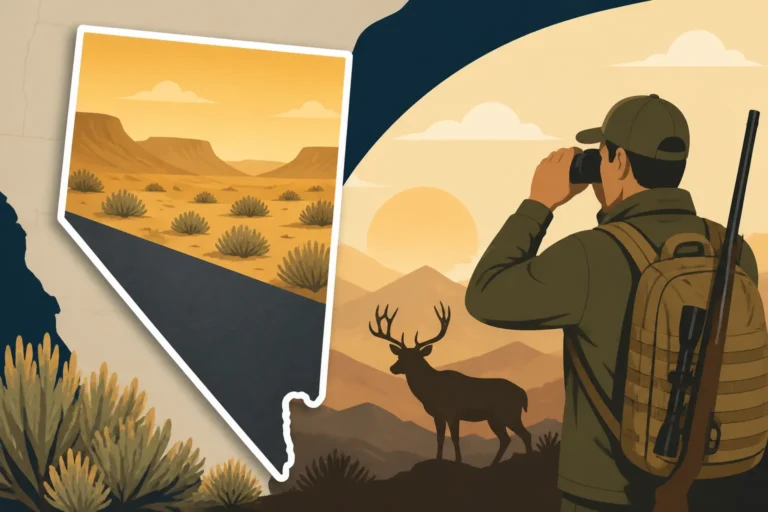
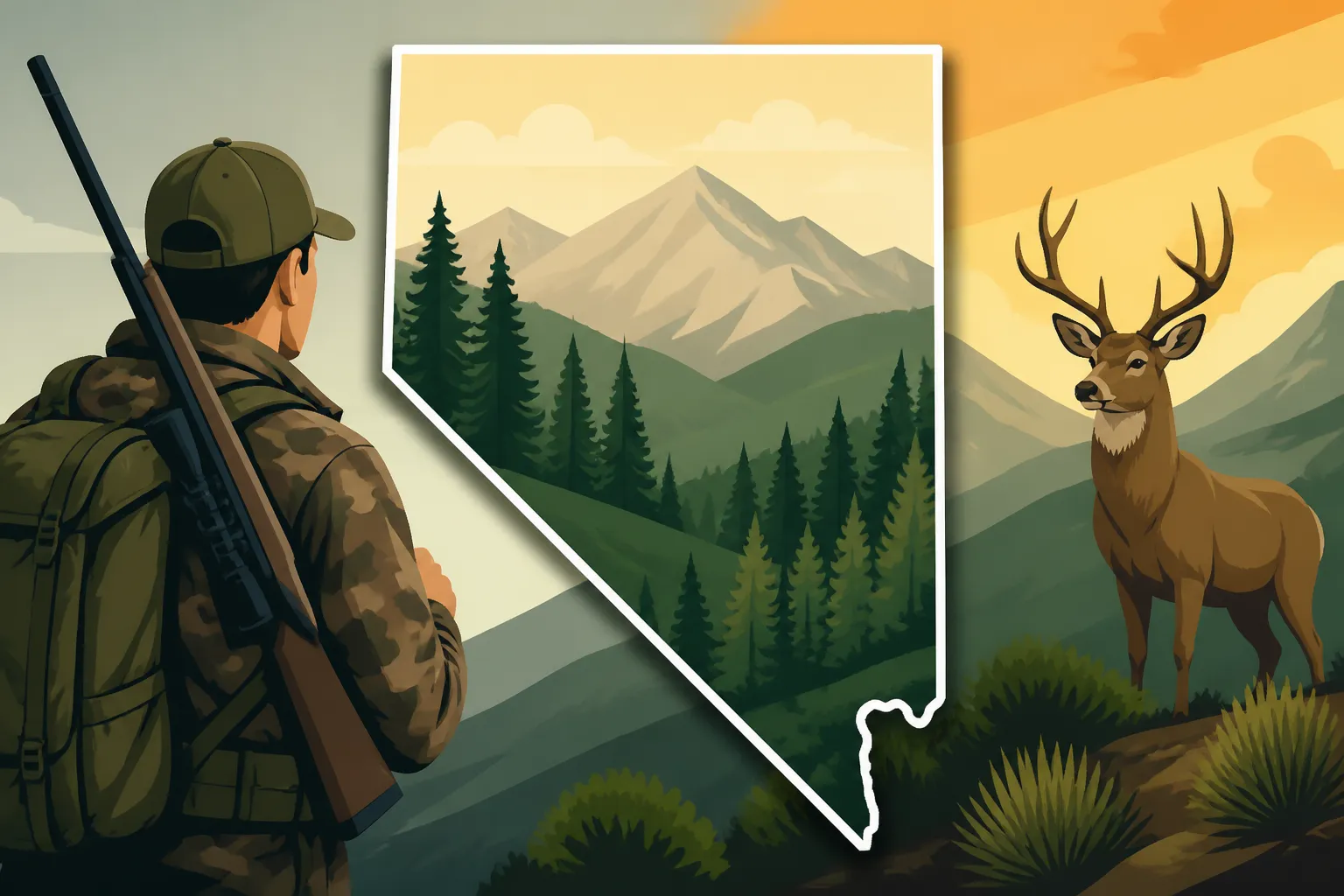
When you picture Nevada, you probably envision endless sagebrush flats and barren-looking hills. And while that's certainly a big part of the landscape, it's not the whole story. Tucked away in the higher, often wetter, mountain ranges are lush pockets of pine, aspen, and fir, all managed as National Forest land. These areas offer a completely different hunting experience than the low-desert expanses, and understanding their presence is key to unlocking some incredible opportunities.
Nevada is truly a public land state, and while the Bureau of Land Management (BLM) oversees the lion's share, the National Forest System contributes substantially to the overall acreage accessible to hunters. These forested islands in a sea of sage often represent critical habitat for species that prefer cooler temperatures, more cover, and higher elevations, making them prime targets for those seeking different game or a different kind of hunt. It's not just about the amount of land, but the quality and type of habitat it provides that makes it so valuable. You'll find a striking contrast in flora and fauna as you climb from the desert floor into these alpine environments.
How National Forests Contrast with BLM Land
The distinction between National Forest and BLM land might seem like a bureaucratic detail, but it profoundly impacts your hunting experience in Nevada. BLM ground, for the most part, is the wide-open, lower-elevation country we often associate with the Great Basin. Think vast sagebrush flats, pinyon-juniper breaks, and dry washes. It’s perfect for glassing long distances and finding mule deer or pronghorn that prefer that open habitat. Access is generally good, often with a network of two-track roads, and dispersed camping is widely accepted. The challenges here are often water, heat, and finding cover for an approach. BLM Ground Is Where Most Nevada Hunting Happens often clarifies these aspects.
National Forests, on the other hand, typically occupy the higher, more rugged mountain ranges. These areas are characterized by more timber – aspens, ponderosa pines, and firs – along with steeper terrain, more reliable water sources (springs, creeks, even small lakes), and generally cooler temperatures. The hunting here tends to be more about still-hunting, tracking, or hunting small openings within the timber. While roads exist, they can be much more limited, and seasonal closures due to snow are common, often restricting access until well into summer. The density of vegetation means your sightlines are shorter, and your tactics shift from long-range glassing to closer-quarters stalking. Motorized Travel Rules on Nevada Public Land might be more restrictive in National Forests, especially during wet periods or winter.
| Feature | BLM Land (Typical) | National Forest Land (Typical) |
|---|---|---|
| Elevation | Lower valleys, sagebrush flats, rolling hills | Higher mountain ranges, timbered slopes, alpine zones |
| Vegetation | Sagebrush, grasses, pinyon-juniper | Pine, fir, aspen, mountain mahogany, denser undergrowth |
| Typical Game | Mule deer, pronghorn, chukar | Elk, mule deer, bear, mountain lion, forest grouse |
| Access | Extensive two-track roads, generally open | Maintained roads, many seasonal closures, steeper terrain |
| Water Sources | Scarce, guzzlers, intermittent springs | More abundant springs, creeks, snowmelt |
| Hunting Style | Long-range glassing, spot-and-stalk, open country | Still-hunting, tracking, stalking timbered areas |
| Camping | Dispersed camping common, often no facilities | Dispersed camping, some designated campgrounds |
| Challenge Focus | Heat, water, open country stalks, finding cover | Steep terrain, dense cover, seasonal access, weather |
Key National Forest Areas and Their Acreage
Nevada's public land portfolio includes several significant National Forest parcels. The largest and most well-known is undoubtedly the Humboldt-Toiyabe National Forest, which is truly massive, making it the largest National Forest in the contiguous United States. It doesn't sit in one continuous block, but rather is a series of "island" mountain ranges scattered across a huge portion of Nevada and even into eastern California. This fragmented nature means that while the overall acreage is immense, it's distributed over many distinct ranges, each with its own character and hunting potential. Within the Humboldt-Toiyabe, you'll find iconic ranges like the Ruby Mountains, the Jarbidge Mountains, the Santa Rosa Range, and portions of the Schell Creek and Snake Ranges. Humboldt-Toiyabe National Forest Hunting is a cornerstone for any hunter looking to understand this vast resource.
Another important, though smaller, contributor to Nevada's National Forest footprint comes from the Toiyabe National Forest itself, which is often considered as part of the Humboldt-Toiyabe for practical purposes. These areas collectively offer diverse habitats, from high-desert foothills to towering alpine peaks, each providing different hunting opportunities. While I can't give you exact square mileage that might quickly become outdated, rest assured that these National Forest lands represent many millions of acres of huntable ground in Nevada. These tracts are crucial for species that require forested cover and higher elevation browse, creating distinct ecological niches within the broader Nevada landscape. The Ruby Mountains for Nevada Hunters and Jarbidge Wilderness Access are just two examples of specific, rugged areas that fall under National Forest management, offering profound backcountry experiences.
Hunting Opportunities Within Nevada's National Forests
Hunting in Nevada's National Forests is a truly unique experience, a stark contrast to the endless sagebrush plains found elsewhere in the state. These elevated, timbered zones offer diverse ecosystems that support different game animals and demand different hunting strategies. It's where you leave the binocular tripods for spotting scopes and start thinking about quieter boots and slower movements through the trees.
The denser cover and often more challenging terrain mean that hunters need to adapt their approach. Instead of spotting animals miles away, you might find yourself glassing smaller openings, focusing on transition areas between timber and meadows, or still-hunting through aspen groves. The cooler temperatures and more consistent moisture often mean better forage and more reliable water sources for wildlife, which can concentrate game in specific drainages or basins. Success in these areas often comes down to patience, woodsmanship, and a willingness to work harder for your animal.
Species You'll Find
National Forests in Nevada are prime habitat for a variety of big game and upland birds, often providing the cover and forage these animals need. Mule deer are a staple, frequently found browsing on mountain mahogany in the draws or bedded in the cooler timber during the warmer months. These high-country deer can be elusive, using the broken terrain and dense cover to their advantage. As seasons progress and snow pushes them down, they'll often migrate towards the lower fringes of the forest, offering different hunting challenges. Mule Deer Are the Reason Most Hunters Apply in Nevada is a good read if you're targeting this species, and National Forests play a huge role in their seasonal movements.
Perhaps the most iconic big game animal associated with Nevada's National Forests is the elk. These majestic animals thrive in the higher elevations, utilizing the timber for security and the mountain meadows for grazing. During the rut, the sound of bugling bulls echoing through the canyons of the Ruby Mountains or the Jarbidge Wilderness is an unforgettable experience. Nevada Elk Herds Grew From Nothing Into a Trophy Draw highlights the success story of these animals, many of which call National Forests home. You might also find black bear in the western ranges of the state, particularly where dense timber provides ample cover and food sources. Mountain lions roam throughout these areas, following their prey, though spotting one is a rare feat. For upland bird hunters, the National Forests can also hold forest grouse, a nice change of pace from the chukar that dominate the lower, rockier slopes.
Terrain and Access Challenges
Hunting in Nevada's National Forests is not for the faint of heart, or for those unprepared for serious physical exertion. The terrain is often steep, rocky, and can be covered in thick timber or dense brush. Elevations can climb quickly, leading to significant vertical gains in a day's hunt. This means good physical conditioning and proper gear, especially footwear, are absolutely essential. Hiking miles through steep, uneven ground, often at high altitude, will test your endurance. Preparing Physically for Long Glassing Days applies even more to walking through timber.
Access is another significant consideration. While some National Forest areas have well-maintained main roads, many of the side roads and spurs are unpaved, rough, and frequently closed seasonally due to snow, mud, or fire restrictions. These closures can last well into late spring or early summer, and unexpected weather events can shut roads down even during hunting season. It's not uncommon to find yourself walking miles of gated roads to reach prime hunting areas. You also need to be acutely aware of Wilderness Study Areas and Vehicle Limits within National Forests, where motorized travel is strictly prohibited, forcing you to rely on foot or horseback. Always check with the local Forest Service office or consult reliable mapping tools like onX Hunt for current road conditions and access restrictions before you head out.
Planning Your Hunt: Resources and Considerations
Successfully hunting Nevada's National Forests requires careful planning, a good understanding of the terrain, and an awareness of seasonal conditions. It’s not a place you just show up to without doing your homework. The vastness and often remote nature of these areas mean that being prepared can literally be the difference between a successful, safe hunt and a frustrating, even dangerous, experience.
From understanding the unit boundaries to knowing the weather patterns and having reliable navigation, every detail matters. Unlike some other public lands, the dense cover and elevation changes in National Forests can make navigating by sight alone much harder. This is where modern tools and traditional outdoor skills merge to create the most effective hunting plan. Never underestimate the power of a well-researched and adaptable strategy when you're heading into these wild places.
Using Mapping Tools for National Forest Access
In a state like Nevada, where public land encompasses such a huge percentage of the state, digital mapping tools are absolutely indispensable, especially when planning a National Forest hunt. Services like onX Hunt have revolutionized how hunters scout and navigate these vast landscapes. With onX Hunt, you can overlay property boundaries, including National Forest, BLM, and private land, right on your phone or GPS device. This is crucial for staying on legal hunting ground and understanding access points. You can mark potential bedding areas, water sources, and game trails, all from the comfort of your home. E-Scouting a Nevada Unit Before the Season goes into detail about how these tools are game-changers.
Another excellent resource for draw odds, research, and planning is GoHunt. While GoHunt isn't a mapping application in the same vein as onX Hunt, it provides invaluable data and insights that help you choose the right unit and understand its characteristics. When combining the research capabilities of GoHunt with the detailed mapping of onX Hunt, you get a powerful combination for planning your National Forest adventure. For example, using GoHunt to research a unit's elk harvest statistics or average buck scores might lead you to focus your onX Hunt e-scouting on the National Forest portions of that unit, looking for specific timbered drainages or high-elevation meadows. These tools also allow you to see topography, which is vital for understanding how far you'll need to hike and what kind of elevation changes to expect. Reading a Nevada Unit Boundary Before You Apply is much easier with these digital aids.
Seasonal Considerations and Regulations
The seasons in Nevada's National Forests are significantly influenced by elevation and weather. Unlike lower desert hunts, which might open in August, many of the higher elevation National Forest areas will see their seasons open later in the fall. Snow can become a major factor from late September onward, pushing animals down to lower elevations and often making higher roads impassable. Conversely, early fall hunts can still be quite warm, so understanding the microclimates of a particular range is critical. Heat Management on an August Archery Hunt might still be a concern in lower National Forest elevations, but quickly changes as you gain altitude.
Always, always consult the current Nevada Department of Wildlife (NDOW) regulations for your specific hunt unit and season. National Forests may have special regulations regarding camping, fire restrictions, or motorized travel that differ from general statewide rules or BLM land. Pay close attention to dates for road closures due to snow or habitat protection, as these can drastically alter your access plan. Hunters also need to be aware of the minimum caliber requirements for big game, or broadhead rules for archery, as these are consistently enforced. Additionally, always carry enough water and be prepared for sudden weather changes, including snowstorms even early in the fall. The weather in these mountains can shift dramatically and quickly, turning a pleasant day into a survival situation if you're not ready.
Disclaimer
This article is for general informational purposes only and does not constitute professional advice. Laws, prices and regulations vary by location and change over time. Consult a qualified professional for guidance on your specific situation.