Best Time of Day to Stalk Antelope
Stalking pronghorn in Nevada's vast, open country can feel like trying to sneak up on a ghost in a parking lot. Their incredible eyesight and the wide-open spaces make it one of the toughest big game hunts out there. But understanding the best time of day to make your move can dramatically increase your odds, shifting the battle slightly in your favor against these sharp-eyed prairie rockets. This guide will walk you through the nuances of pronghorn behavior hour by hour, helping you pinpoint those crucial windows of opportunity.
Understanding Antelope Behavior Through the Day
Anyone who has spent time chasing pronghorn across Nevada's sagebrush flats knows these animals are wired for survival in wide-open spaces. They aren't going to be caught off guard easily, and their daily routines are largely dictated by the sun, the wind, and their constant need for food and water. If you want to put yourself in a position to succeed, you first need to get into the heads of these animals and understand how their daily patterns influence when and where you should be trying to sneak in close. It's not just about when you can see them; it's about when they are least likely to see you.
Pronghorn's Natural Defenses and Daily Rhythms
Pronghorn possess arguably the best eyesight of any land mammal in North America, often compared to an 8x binocular, and they can spot movement or irregularities miles away. This incredible vision, combined with their blistering speed, is their primary defense mechanism against predators. Because of this, they prefer to be in open country where they can see danger coming from a long distance. This makes "spot and stalk" hunting a true art form when it comes to pronghorn. Their daily rhythms usually involve feeding heavily in the early morning and late evening, often seeking shade or bedding down during the hottest parts of the day. They're creatures of habit, to a degree, but their habits are always dictated by the immediate environment and perceived threats. Understanding these inherent defenses and daily patterns is your first step towards figuring out when they might be a little less vigilant, or at least when you can use the environment to your advantage.
Factors Influencing Movement: Sun, Wind, and Water
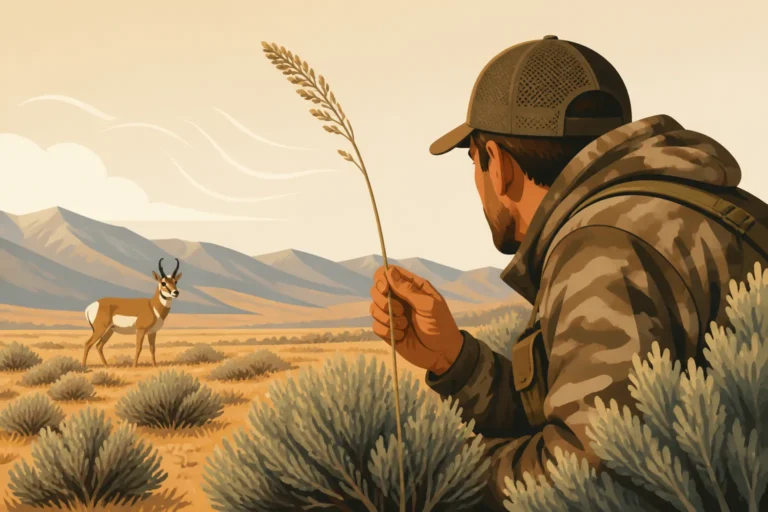
Beyond their internal clock, pronghorn movement is heavily influenced by external factors like temperature, wind, and the availability of water. As the sun climbs higher, especially in the scorching Nevada summer and early fall, pronghorn will actively seek relief from the heat. This might mean moving into the sparse shade cast by a juniper tree, the leeward side of a small hill, or even just lying down in the short sagebrush to minimize sun exposure. The wind also plays a critical role. While their eyesight is paramount, pronghorn will often bed with the wind at their back, allowing their vision to cover the downwind approach while their nose handles anything coming from behind. This means you always need to be aware of the wind direction and how it changes throughout the day, as a shifting breeze can instantly give away your position. Finally, water sources are always magnets, especially in arid environments. During an early season hunt, knowing where the guzzlers are or where you might find a spring could give you a massive advantage when planning your approach. You can often predict their general vicinity by studying maps or utilizing tools from services like GoHunt to mark potential water sources.
Morning Stalks: Capitalizing on Cool Temperatures and Predictability
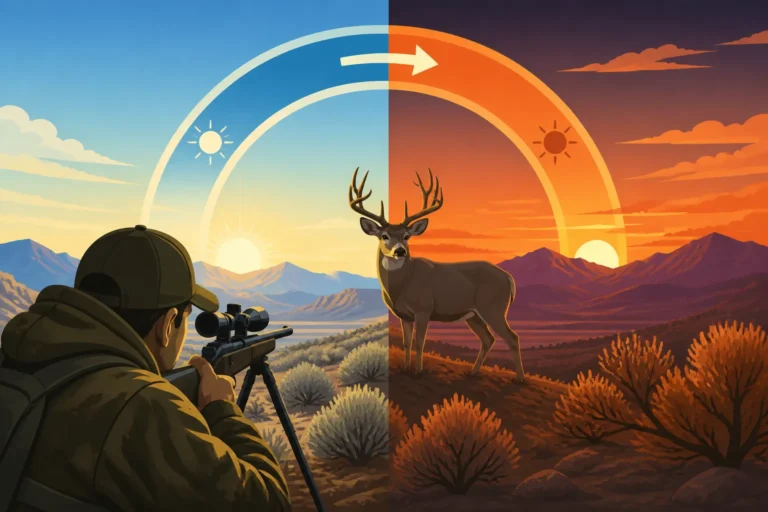
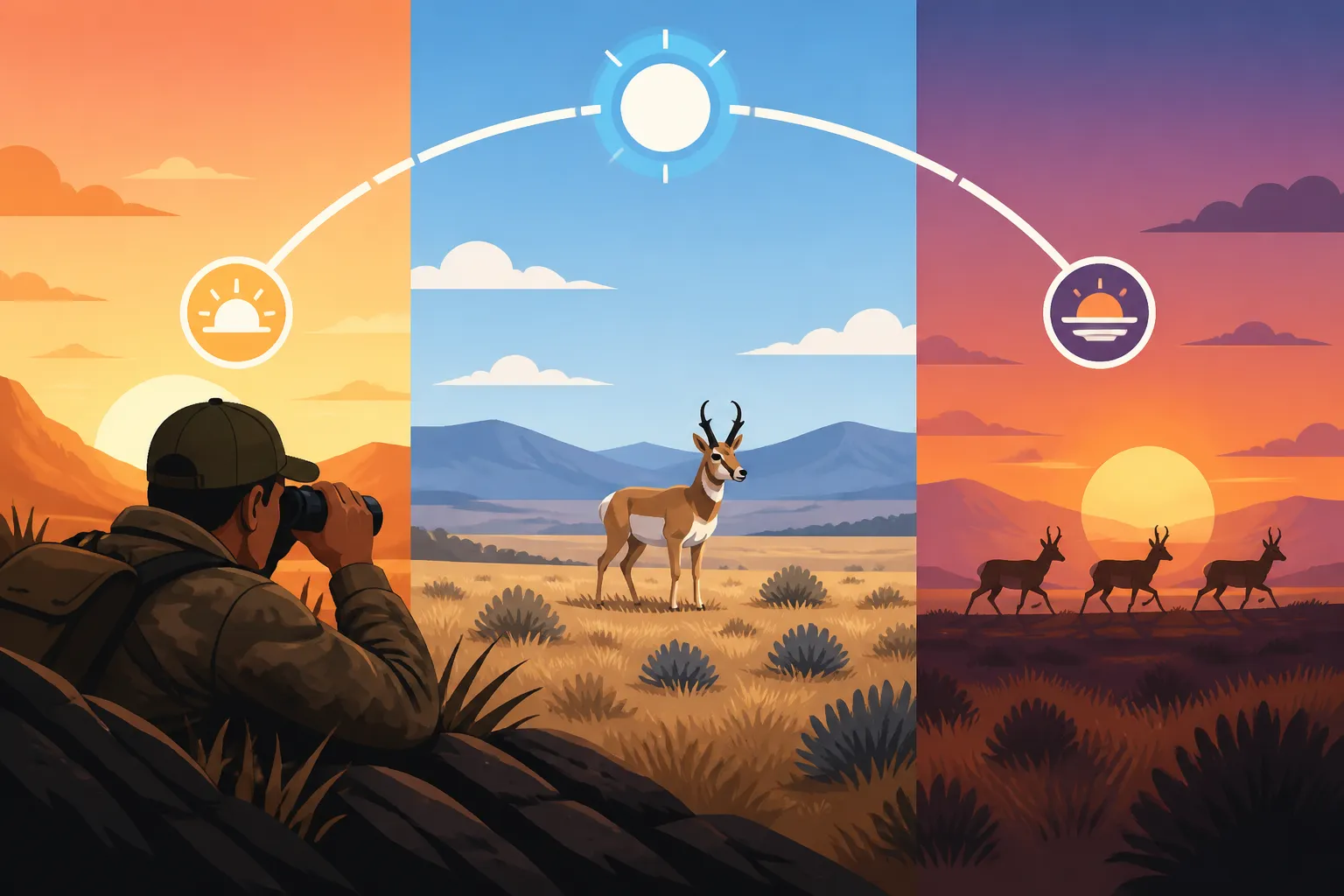
The first few hours after dawn can often be the most productive for a pronghorn stalk. The world is just waking up, temperatures are cooler, and the animals are typically more focused on feeding, making them slightly less hyper-vigilant than they might be later in the day. There's a certain predictability to their movements during this time that you can learn to leverage.
The First Light Advantage and Bedded Antelope
As the first hints of light paint the eastern sky, pronghorn are usually up and feeding. They've often spent the night in a somewhat open area, and at dawn, they're hungry. This early morning feeding activity can be a fantastic window for a stalk. The light is soft, shadows are long, and the air is cool. This is also often when you'll find them bedded. If you can locate a buck bedded down just before or at first light, you might have the best opportunity of the entire day. A bedded animal is, in theory, stationary, giving you a fixed target for your approach. However, don't let this fool you; a bedded pronghorn isn't sleeping. Their head is usually up, scanning, and they'll spot you coming a mile away if you're not careful. The trick is using the low light and long shadows to break up your silhouette as you move into position. Always approach with the sun in their eyes if possible, making it harder for them to pick you out. This is also the time when you should be Glassing Grids Across a Nevada Basin to locate your target before they start moving extensively.
Using Shadows and Thermals to Your Benefit
The early morning sun, especially in the Basin and Range country, casts incredibly long, sharp shadows. These shadows are your best friend during a morning pronghorn stalk. Unlike deer or elk that might use dense timber, pronghorn rely on subtle terrain features for cover. A small rise, a draw, or even just the shadow cast by a distant mountain can become your pathway. Plan your approach to stay in the shaded areas as much as possible, using the broken light to hide your movement. Think like a predator, using every fold and dip in the landscape to get closer.
Thermals also play a significant role. In the early morning, as the ground begins to warm, thermals typically start to rise. This means the wind will often blow up hills and draws. If you're starting your stalk from a higher elevation and moving down, you need to be acutely aware that your scent could be carried downwards right to your quarry. Conversely, if you're working your way up a slope, the rising thermal can sometimes carry your scent away and above the animals. However, this isn't a hard and fast rule; local terrain features can create unpredictable eddies and swirls, so always double-check with a wind checker. GoHunt's mapping features can sometimes help you visualize terrain features that could create these thermal shifts, aiding in your planning.
Midday Challenges and Opportunities: When to Rest, When to Push
As the sun climbs high, the character of a pronghorn hunt shifts dramatically. The pleasant cool of morning gives way to the often-blistering heat of the Nevada desert. This time of day presents significant challenges, but it also offers unique opportunities if you're prepared to endure and adapt.
Battling the Heat, Mirage, and Antelope Bedding Patterns
Midday in Nevada means intense heat, shimmering mirages, and very few places to hide. The sun is overhead, shrinking shadows to almost nothing, making it incredibly difficult to stay concealed. The heat doesn't just make you uncomfortable; it affects the pronghorn too. They become less active, often seeking out whatever scant shade they can find or simply lying down in open sagebrush to minimize sun exposure. This often means they are bedded for extended periods. While a bedded animal presents a stationary target, the lack of cover and the distortion caused by mirage make closing the distance incredibly challenging. That shimmering air can make judging distance and movement almost impossible, turning what might be a 500-yard stalk into a guessing game. This is where patience becomes a virtue. Sometimes, the best midday tactic isn't to push for a stalk but to observe, staying hydrated and managing your own body temperature, especially if you're practicing Heat Management on an August Archery Hunt.
Strategic Breaks and Locating Water Sources
Given the midday conditions, sometimes the smartest move is to take a strategic break. Find some shade, eat a snack, and rehydrate. This allows you to recharge, but more importantly, it gives you time to glass and observe without making a costly mistake. Pronghorns often have very predictable water patterns, especially in the early season. They typically visit water sources either in the middle of the day when it's hottest, or during the morning/evening feeding times. If you can locate a well-used guzzler or spring, the midday heat might just push a buck to it. Using online resources and even physical maps to identify potential Reading Water Sources Before an August Hunt can be a game-changer. Rather than endlessly stalking bedded animals in the open, positioning yourself near a critical water source could turn a frustrating midday into a successful one. If you have to move, move slowly, use every slight depression in the terrain, and remember that even a tiny patch of brush can provide enough visual break to allow you to advance unseen.
Evening Stalks: The Golden Hour for Pronghorn
As the sun begins its descent towards the western horizon, the entire landscape changes. The intense heat of midday dissipates, shadows lengthen once again, and the antelope start to become more active, moving towards their evening feeding grounds. This "golden hour" can be one of the most rewarding times to be on a pronghorn stalk.
Increased Activity as Temperatures Drop
With the temperature cooling, pronghorn activity generally picks up significantly in the late afternoon and evening. They'll leave their midday bedding areas and move to open feeding grounds, grazing until dark. This increased movement can be both a blessing and a curse. On one hand, moving animals can sometimes be easier to approach if you can time your movements with theirs, especially if you're trying to Close the Last Hundred Yards on a Pronghorn. They're focused on feeding, heads down, giving you small windows to advance. On the other hand, more movement means more opportunity for them to spot you. It's a delicate balance of patience and aggression. This period is also when you're most likely to observe social interactions, especially if you're hunting around When Pronghorn Bucks Go Into Rut, as bucks will be chasing does and defending their territory.
The Setting Sun and Extended Shadows
Just like in the morning, the setting sun creates long, dramatic shadows that are incredibly valuable for concealment. The difference in the evening is that the sun is often in the west, meaning if you're approaching from the east, you'll have the sun at your back, potentially silhouetting you. The ideal evening stalk often involves approaching from the west, with the setting sun in the pronghorn's eyes, or utilizing terrain to keep the sun off your position. These extended shadows, coupled with the soft, warm light, can really help you blend into the landscape.
Another advantage of the evening is the generally stable thermals. As the ground cools, thermals typically start to fall, meaning the wind will blow down slopes and draws. This can be more predictable than morning thermals, allowing you to plan a more consistent downwind or crosswind approach. Always confirm with your wind checker, but this general pattern can be a significant aid. Remember that every minute counts as legal shooting light fades, so knowing how to quickly Field Judging a Pronghorn Buck From Distance becomes critical. Make sure you have clear shooting lanes and that you can make an ethical shot before darkness forces you to pull back.
Here's a quick overview of the pros and cons for each time of day when stalking pronghorn:
| Time of Day | Advantages for Stalking | Disadvantages for Stalking | Key Considerations |
|---|---|---|---|
| Morning | Cooler temperatures, long shadows for cover, animals focused on feeding (less alert), often bedded (stationary target). | Rising thermals can carry scent; animals are fresh and vigilant after resting. | Use sun in their eyes; utilize long shadows and terrain. |
| Midday | Animals often bedded (stationary target), seeking shade near water (predictable locations), mirage can obscure your shape from afar. | Intense heat, minimal shadows for cover, severe mirage distortion, animals less active. | Focus on glassing from afar, strategic breaks, target water sources. Be mindful of Preparing Physically for Long Glassing Days. |
| Evening | Cooling temperatures, increased feeding activity, long shadows for cover, falling thermals (predictable wind). | Animals moving more (harder to pinpoint), fading light limits visibility and shooting time. | Approach with sun in their eyes (from west); take advantage of falling thermals. |
Ultimately, the "best" time to stalk antelope isn't a single hour, but rather a flexible window that changes with the season, the weather, and the specific behavior of the animals you're pursuing. It often comes down to being out there from first light until last, patiently observing and waiting for the moment when the conditions align just enough to give you an edge in the challenging task of Spot and Stalk Antelope on Nevada's Open Flats. Using quality Optics Power for Nevada's Long Sightlines to locate them efficiently, combined with a deep understanding of their daily patterns and the nuances of Reading Antelope Body Language on a Stalk, will undoubtedly put you in a better position for success.
Disclaimer
The information provided in this guide is for general informational purposes only and is not intended as legal advice regarding hunting regulations. Hunting laws and regulations in Nevada can change frequently. Always consult the official Nevada Department of Wildlife (NDOW) regulations prior to any hunting activity.