Booking Before Nevada Draw Results Post
It's a familiar knot in the stomach for any serious hunter looking at a prime Nevada big game tag: you know the application period is open, and if you're lucky enough to draw, you want to hunt with the best. But here’s the rub – the most sought-after outfitters often book up before the draw results even come out, leaving you in a tricky situation. This guide will walk you through the realities of booking a guided hunt in Nevada when your tag status is still up in the air, offering strategies to navigate this common dilemma.
The Nevada Draw Timeline and Your Booking Dilemma
The challenge truly begins with Nevada's application calendar. Generally, the application window for big game tags, including those coveted mule deer and elk hunts, opens around March 23rd and slams shut on May 13th. That's a fixed deadline you can't ignore if you want a chance at drawing a tag. But then you wait. The draw results for Nevada's big game hunts typically aren't released until the very end of May. This creates a significant gap, often a couple of weeks, where you've submitted your application and committed to trying for a tag, but you have no actual tag in hand.
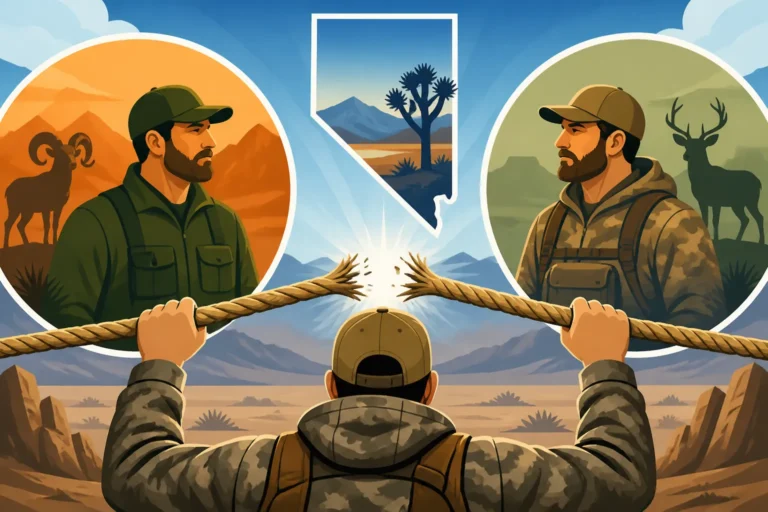
During this waiting period, many prime outfitter slots are already being filled. Picture it: you're dreaming of a September elk hunt, but you won't know if you're holding a tag until late May. Meanwhile, other hunters, perhaps those who secured a coveted landowner tag or are less concerned about a refund, might already be locking in those perfect early-season dates with the top guides. It's a frustrating paradox: commit too early and risk losing a deposit, or wait too long and miss out on the best professional help. The pressure is real, and it can feel like a game of high-stakes poker where you don't even know your hand yet. You've done your homework on Nevada Applications Run March 23 to May 13, but now you're stuck in the in-between.
Why Outfitters Book Up Early
From an outfitter's perspective, their calendar is their livelihood. They operate on tight schedules, with a limited number of weeks or days available for guiding during specific seasons. They need to secure bookings and deposits to cover operational costs, scout new areas, maintain equipment, and retain experienced guides. Waiting until late May for everyone to confirm their drawn tags would leave them scrambling to fill their schedule, often resulting in less desirable hunt dates or even unfilled spots.
Outfitters who have a strong reputation and high demand for certain species, like the trophy elk in Unit 162 and Its Record Book Bulls or big mule deer, often have clients who book years in advance, or who are willing to put down a significant deposit with the understanding that they might not draw every year. This means that by the time Nevada Draw Results Land at the End of May, many of the best opportunities and most desirable dates with established outfits are already spoken for.
The Financial Side of Speculative Booking
The biggest hurdle for hunters is the financial commitment. Booking a guided hunt, especially for big game like elk or bighorn sheep, involves a substantial deposit. These deposits can range from a few hundred dollars to several thousand, depending on the outfitter and the species. Committing this money when you might not draw a tag feels like a gamble. If you fail to draw and the outfitter has a strict no-refund policy, that money is simply gone. This is where careful planning and understanding an outfitter's terms become absolutely paramount. You need to weigh the risk of losing a deposit against the potential reward of securing a prime spot with a highly recommended guide, especially for those dream hunts that are tough to draw.
Understanding Outfitter Deposit and Refund Policies
When you're considering booking a hunt before you've even drawn a tag, the outfitter's deposit and refund policy is the most critical piece of information you need. There's no industry-wide standard, so each outfitter will have their own rules. It's not enough to just ask, "Do I get a refund if I don't draw?" You need to dig into the specifics and get everything in writing.
Common Deposit Structures
Outfitters typically have a few different approaches to deposits when a client is waiting on draw results:
- Fully Refundable Deposit (Conditional Booking): This is the holy grail for hunters in your situation. Some outfitters will take a full deposit but offer a complete refund if you do not draw the tag you applied for. This policy is highly hunter-friendly and minimizes your financial risk. They might require proof of your draw results to process the refund.
- Partially Refundable/Rollover Deposit: More commonly, an outfitter might keep a portion of the deposit as an administrative or booking fee if you don't draw. Another option might be that they don't refund the money but allow you to roll over your deposit to the next year's application cycle or apply it to a different hunt (e.g., a predator hunt, or a different species with over-the-counter tags). This mitigates some risk but still means you don't get all your money back.
- Non-Refundable Deposit: This is the riskiest scenario. If an outfitter's deposit is explicitly non-refundable, and you don't draw your tag, that money is simply forfeited. They may justify this by explaining that your booking held a spot that could have gone to someone else, or that it covered their initial planning and communication time. Always clarify this upfront and understand the implications before you commit.
Before you even think about putting down a dime, you should be asking Questions Worth Asking Before You Book. These policies should be clearly outlined in a written contract or agreement. If an outfitter is vague or unwilling to provide clear terms, that's a major red flag. Platforms like BookYourHunt often detail these policies, which can be a good starting point for your research.
Reading the Fine Print: Cancellation and Transfer Policies
Beyond just "do I get a refund if I don't draw," you need to understand the nuances of the contract. What happens if you draw but then have an emergency and can't go? What if the outfitter has to cancel due to unforeseen circumstances (though this is rare)? These clauses are important.
Pay close attention to the specific language regarding Reading the Cancellation and Refund Terms. Some contracts might allow you to transfer your hunt to another hunter if you draw but can't make it, which could be a way to recoup some of your costs. Others might only allow a rollover to the following year. Understand the deadlines for notification as well; often, there's a strict window after draw results are posted during which you must notify the outfitter of your success or failure to claim your refund or rollover. Knowing Whether You Get a Refund If You Fail to Draw is just one piece of the puzzle.
When looking at Typical Deposit Amounts Nevada Outfitters Ask, remember that a higher deposit might mean more risk if the refund policy isn't favorable. It’s a balance between securing your spot and protecting your finances.
Strategies for Proactive Booking
So, how do you navigate this minefield? It requires a blend of research, communication, and sometimes, a calculated risk. The key is to be informed and proactive.
Strategy 1: Conditional Booking and Outfitter Communication
The best strategy is to seek out outfitters who explicitly offer conditional booking based on draw results. When you contact potential guides, make this your very first question. Be upfront about your situation – that you're applying for a Nevada tag and need to know their policy if you're unsuccessful.
If an outfitter offers a full refund if you don't draw, that's a huge advantage. They understand the system and are willing to work with hunters. Even if they don't offer a full refund, they might have a generous rollover policy or a partial refund option. The important thing is to have a clear, written agreement that details these terms. Don't rely on verbal promises; get it in the contract. Discussing Booking Before Nevada Draw Results Post should be a standard part of your initial conversation.
Strategy 2: Leveraging Draw Odds and Applying Smart
Another effective strategy involves using draw odds to your advantage. If you're applying for a tag that has notoriously low draw odds (like a prime trophy elk tag in Nevada Elk Herds Grew From Nothing Into a Trophy Draw), the risk of booking early with a non-refundable deposit is much higher. However, if you're targeting a unit or species with more favorable odds, or a hunt type like a junior hunt where odds might be better, the gamble might feel more manageable.
Resources like GoHunt provide invaluable data on draw odds by unit and species, which can guide your application strategy and, consequently, your outfitter discussions. By understanding the likelihood of drawing, you can make a more informed decision about whether to risk an early deposit. For example, if you're applying for a general season mule deer tag in a unit with 30% draw odds, it's a different proposition than a specialty tag with 1% odds. Researching Where Nevada Publishes Harvest Data and Reading a Nevada Hunt Statistics Table can give you a better grasp of the real odds.
This strategy can also extend to how you build points. While this article focuses on immediate hunts, for those who are Buying a Nevada Point-Only Application in some years, they know they won't be hunting but are simply improving future odds. For an actual hunt, knowing your odds is key.
Strategy 3: Exploring Lower-Demand Hunt Types or Species
Sometimes, flexibility can be your best friend. Instead of only focusing on the absolute trophy units with the toughest draws, consider applying for hunts with slightly better odds, even if they aren't the "top tier." This might mean applying for an antlerless elk tag, a junior tag, or a different species like antelope in Pronghorn Across Nevada's Open Valleys where draw odds might be more forgiving.
If you secure a tag that isn't your absolute dream hunt but still offers a good experience, you'll be glad you locked in an outfitter earlier. Many outfitters offer combination hunts or guide for multiple species. You might find that their availability for a less sought-after hunt is better, and their policies around conditional booking might be more flexible. Always inquire about Outfitter Success Rates for Elk and Outfitter Success Rates on Mule Deer for the species and units you are considering, as this can inform your application choices.
Strategy 4: What to Do If You Draw a "Bad" Tag
It happens. You draw a tag, but it's not the unit you really wanted, or the season dates aren't ideal, or perhaps you drew a bull elk tag in a unit known more for cows. If you've already booked an outfitter, this can be disheartening. This is where upfront communication is vital. When discussing your potential booking, ask the outfitter what their policy is if you draw a tag but it's not ideal for their typical operations.
Some outfitters might be flexible and still guide you in that unit, especially if they have some experience there or are willing to scout it out. Others might offer to transfer your deposit to a hunt the following year or another available opportunity. The key is to understand their willingness to adapt before you put down a deposit. Don't assume they'll be able to accommodate a less-than-ideal unit for their business model.
The Benefits and Risks of Booking Early
Deciding whether to book an outfitter before your Nevada draw results are released is a balancing act. There are clear advantages to being proactive, but also significant risks that you need to be aware of and comfortable with.
Benefits of Early Booking
- Securing Top-Tier Outfitters: The most reputable and successful outfitters, particularly for trophy animals in popular units, often fill their schedules quickly. Booking early gives you the best chance to hunt with the guide you truly want.
- Preferred Dates: Early booking allows you to snag the prime dates within a season – perhaps the peak of the rut for elk, or the cooler, late-season dates for mule deer. Waiting means you'll likely be choosing from whatever slots are left.
- Better Planning Time: Once you have a booking confirmed (even if conditional), you and your outfitter can begin detailed planning, gear lists, physical conditioning advice, and e-scouting. This leads to a more organized and potentially more successful hunt. Discussing How Far Ahead to Book a Nevada Hunt is common for this reason.
- Potentially Better Pricing: While not always the case, some outfitters might offer slightly better rates for early bookings, or their prices might increase as the season approaches and demand grows.
Risks of Early Booking
- Financial Loss: The most significant risk is losing your deposit if you don't draw and the outfitter's policy is non-refundable or only partially refundable. This is the primary concern for most hunters.
- Limited Flexibility: Once you've booked, you're committed to that outfitter for that species and season. If your life circumstances change, or you decide you'd rather hunt elsewhere, it can be difficult to change plans without penalty.
- Stress and Uncertainty: The period between booking and draw results can be stressful. You've committed financially, but don't know if you'll actually get to hunt.
- Drawing an Undesirable Tag: As discussed, you might draw a tag for a unit or dates that don't align with the outfitter's preference or expertise, leading to potential complications.
Here’s a quick overview to help you weigh your options:
| Feature | Benefits of Booking Early | Risks of Booking Early |
|---|---|---|
| Outfitter Choice | Access to top, highly sought-after guides with strong reputations. | Potential for financial loss if outfitter's cancellation policy is strict. |
| Hunt Dates | Ability to select prime dates within the season (e.g., peak rut, best weather windows). | Being locked into dates if personal schedule changes or tag is drawn for different dates. |
| Planning | More time for collaborative planning, gear preparation, and pre-hunt scouting advice. | Stress and uncertainty while waiting for draw results. |
| Cost | Potentially lock in current prices before future increases. | Forfeiting a deposit if draw is unsuccessful and refund policy is unfavorable. |
| Flexibility | Guides often more flexible with specific requests when booked far in advance. | Limited ability to change plans without penalty if circumstances shift. |
Disclaimer
This article is for general informational purposes only and does not constitute professional advice. Laws, prices and regulations vary by location and change over time. Consult a qualified professional for guidance on your specific situation.