Chukar Guides and What They Actually Sell
There’s a special kind of challenge that comes with chukar hunting in Nevada, one that tests your lungs, your legs, and sometimes, your very sanity. Many folks dream of chasing these fast-flying devils across the steep, rocky slopes, but quickly find themselves overwhelmed by the sheer scale of the country and the birds' uncanny ability to disappear. This guide dives deep into what a professional chukar guide actually offers, helping you understand if their expertise and support are the missing pieces to your high-desert bird hunting success.
The Allure and Challenge of Nevada Chukar Hunting
Nevada chukar hunting isn't just a sport; it's an experience that carves itself into your memory, often accompanied by aching calves and an exhilarating sense of accomplishment. These birds are legendary for a reason, drawing hunters from all over who crave the unique blend of physical exertion, strategic thinking, and adrenaline-pumping flushes. But make no mistake, it’s a tough game, and without the right approach, it can quickly turn into a frustrating, fruitless hike.
Why Chukar Are So Special and Elusive
Chukar partridge are, in a word, survivors. They thrive in some of the most unforgiving terrain imaginable – the steep, rocky, cheatgrass-choked slopes of Nevada's mountains. They're often found at elevations that would make many casual hikers gasp, perfectly camouflaged against the drab desert backdrop. What makes them truly special for hunters is their explosive flight and their tendency to run uphill, seemingly impervious to gravity, before taking wing. This combination of habitat, speed, and intelligence makes them incredibly elusive, leading to many a hunter’s muttered curse and awe-struck admiration in the same breath. They don't just sit there waiting; they test your wits and your endurance every step of the way.
The chase often involves navigating treacherous footing, climbing thousands of vertical feet, and constantly scanning for movement in a landscape designed to hide them. When you finally get on a covey, the flush is often sudden and chaotic, with birds rocketing down the canyon or across the face of a ridge, leaving mere seconds for a shot. It's a game of quick decisions and even quicker reflexes, a true test of wingshooting ability in an unforgiving environment. Their presence makes an already beautiful landscape feel even wilder and more alive.
The Physical Demands of Chukar Country
If you've never chased chukar before, prepare for a workout unlike almost any other hunting pursuit. The slopes are relentless, often 30 to 40 degrees or steeper, composed of loose rock, scree, and dense stands of cheatgrass that grab at your ankles. You’ll find yourself constantly climbing, traversing, and descending, sometimes several times a day, across vast, broken terrain. Hydration is paramount, even in cooler months, as the dry air and constant exertion quickly lead to fatigue. Many hunters underestimate the toll this takes, arriving unprepared for the sheer physical grind.
It's not uncommon to cover many miles in a single day, often gaining and losing thousands of feet of elevation. The "punishing" aspect of Why Chukar Hunting Is So Punishing isn't just a turn of phrase; it's a reality. Your quads, hamstrings, and lungs will be burning, and your ankles will feel every misstep. Packing enough water, snacks, and emergency gear is critical, as a simple slip can turn into a serious problem far from any road. This demanding environment is precisely why a lot of hunters consider a guided trip, as the logistical support and experienced pacing can make all the difference in enduring the hunt.
The Role of Dogs in Chukar Hunting
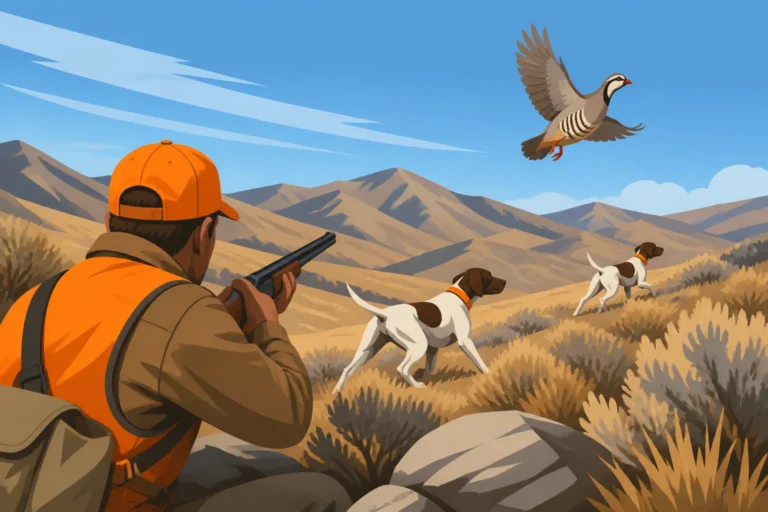
While some intrepid souls try to walk up chukar without dogs, it's generally considered an exercise in futility. Chukar are masters of running, and without a keen nose and tireless energy, you'll spend most of your day watching birds disappear over the next ridge. This is where a well-trained bird dog becomes absolutely indispensable. A good chukar dog can cover far more ground than a human, penetrate thick cover, and, most importantly, lock onto scent trails that would be imperceptible to us. They quarter the hillsides, picking up scent, and then hold those birds long enough for the hunter to scramble into position.
A truly exceptional chukar dog not only finds birds but understands the nuances of the terrain and how chukar behave. They learn to pin birds against terrain features or force them to flush in a more favorable direction. The difference between hunting with a mediocre dog and a top-tier chukar specialist is like night and day. Without a dog, your chances of consistently finding and flushing birds within shooting range plummet dramatically. The guide's most valuable asset, beyond their knowledge of Chukar Country on Nevada's Steep Slopes, is often their string of well-conditioned, experienced chukar dogs.
Understanding the Chukar Guide's Role
When you hire a chukar guide in Nevada, you’re not just paying for access or a handshake. You're investing in a package of expertise, equipment, and experience that can dramatically increase your chances of success and, just as importantly, your safety and enjoyment in challenging country. They are the seasoned veterans who understand the nuances of these birds and their unforgiving habitat.
More Than Just a Dog Handler
A chukar guide is far more than someone who simply walks with a dog. They are skilled navigators who can read the terrain like a book, understanding where birds will be holding based on factors like sun exposure, wind direction, and recent rainfall. They know the subtle signs of bird activity, from fresh droppings to dusted areas, and can interpret the way their dogs are working to anticipate a flush. Their intimate knowledge of How Rainfall Drives Chukar Numbers helps them predict concentrations, leading you to more productive areas.
Beyond bird finding, a good guide is a field strategist. They know how to approach a covey to maximize shooting opportunities, how to position hunters for the best shots, and how to manage the pace of the hunt to conserve energy for both hunters and dogs. They're also responsible for the well-being of the entire party, making sure everyone is hydrated, safe, and managing the physical demands of the hunt. This holistic approach ensures that your day isn't just about shooting birds, but about a well-orchestrated, safe, and memorable outdoor experience.
What a Guided Chukar Day Typically Entails
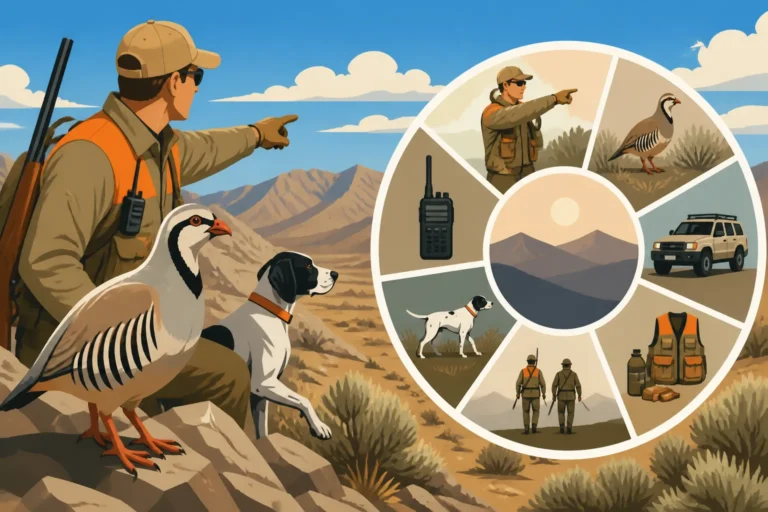
Picture this: your day with a chukar guide usually begins well before dawn. You’ll meet up, often at a designated point closer to the hunting grounds, and your guide will ensure you have all necessary licenses and stamps. After a short drive, sometimes on rough, unmaintained roads that require a capable 4×4, you'll gear up at the trailhead. The guide will typically review the day's plan, discuss safety protocols, and outline the general strategy for the area you'll be hunting. This pre-hunt briefing is crucial for setting expectations and ensuring everyone is on the same page.
As the sun begins to lighten the sky, you'll start the climb, following your guide and watching their dogs methodically work the slopes. Expect periods of intense climbing interspersed with strategic traverses, all guided by the dogs' behavior. When a covey is located, the excitement builds as the guide positions you for a shot. The day will involve multiple flushes, often demanding quick, challenging shots. Breaks for water and snacks are woven in, often with breathtaking views as your backdrop. The guide manages the logistics, from dog rotation and watering to navigating back to the vehicle as the light fades. This is the essence of What a Guided Chukar Day Costs – it's a full-service experience tailored to the unique challenges of chukar hunting.
The Value Proposition: What You're Really Paying For
When you break down the cost of a chukar guide, you’re not just paying for a day of hunting. You're investing in decades of accumulated knowledge of specific hunting units, understanding bird behavior in different weather conditions, and access to well-bred and rigorously trained bird dogs. Consider the investment a guide makes in their dog string: the breeding, training, veterinary care, and year-round conditioning of multiple dogs, all specifically geared for chukar. This alone is a significant expense and commitment.
Furthermore, guides carry all the necessary permits to operate on public lands, maintain specialized vehicles capable of navigating remote Nevada roads, and carry extensive safety and first-aid equipment. Their experience means they know where to go to maximize your chances, even when birds are scattered or pressured. For someone new to Nevada, or simply short on time for extensive scouting, the value of a guide's efficiency is immense. They save you countless hours of trial and error, ensuring your limited hunting time is spent productively, offering a significant advantage over a purely Planning a DIY Public Land Hunt in Nevada.
Services and Inclusions: Decoding the Guide's Offering
Understanding what a chukar guide's package truly includes is critical to setting proper expectations and avoiding surprises. Not all guides offer the exact same services, and the devil is often in the details when it comes to inclusions and exclusions. It’s important to clarify everything upfront, especially when planning a trip to the remote reaches of Nevada.
What's Typically Included in a Chukar Hunt Package
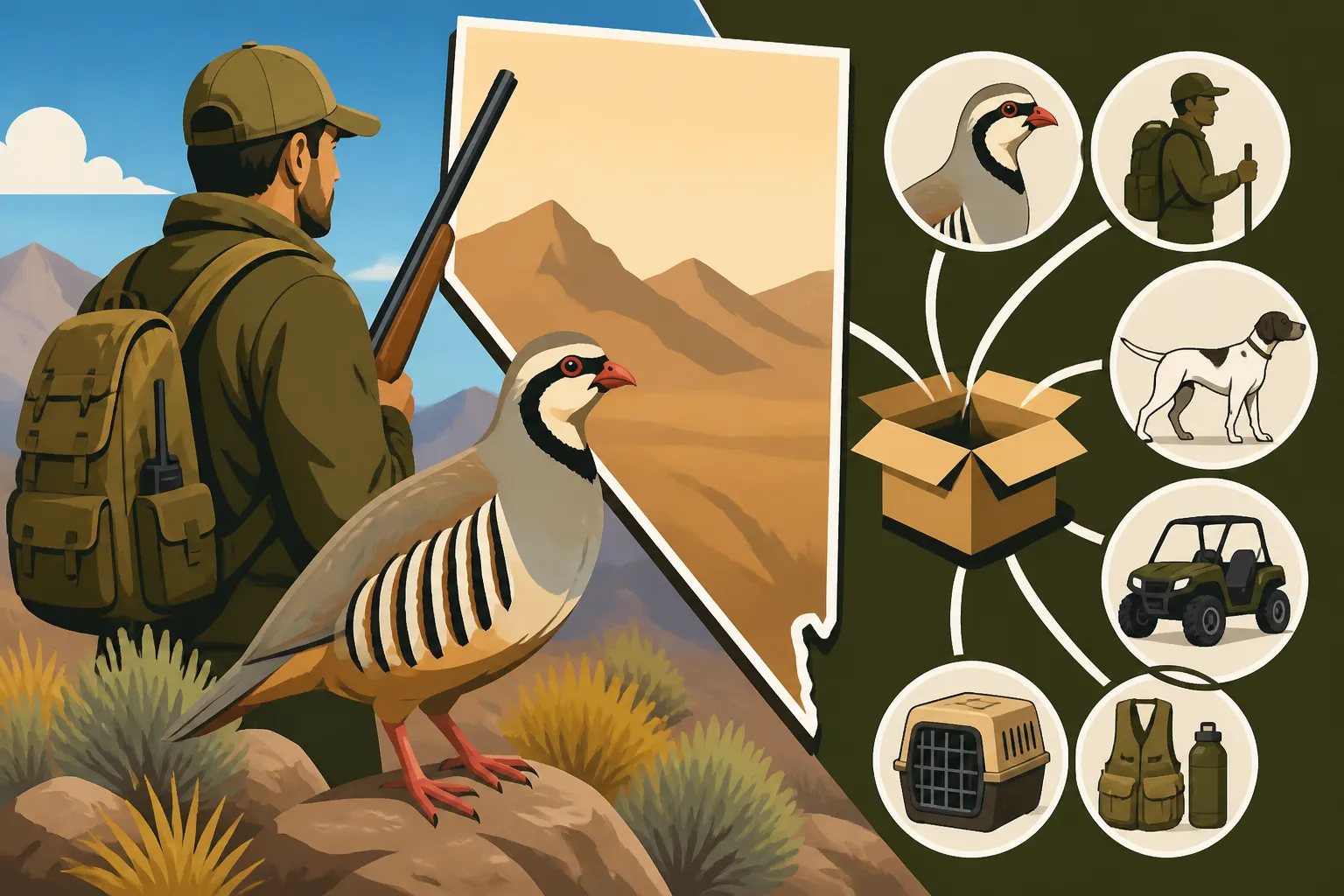
Most reputable chukar guides will offer a fairly comprehensive package designed to handle the core logistics of the hunt. This generally includes:
- Professional Guide Services: This is the heart of the offering – the guide's expertise, navigation skills, and bird-finding prowess.
- Trained Bird Dogs: Access to a string of well-conditioned, experienced chukar dogs, often rotated throughout the day to ensure peak performance. These dogs are the engine of a successful chukar hunt.
- Transportation During the Hunt: Usually involves transport in a capable 4×4 vehicle from a meeting point to the hunting areas and throughout the day as needed. This is crucial for accessing remote spots in Nevada's Roads Are Long and Its Services Are Far Apart.
- Field Lunches and Beverages: Many guides provide a packed lunch, snacks, and plenty of water/drinks to keep you fueled and hydrated throughout the demanding day.
- Safety Equipment: First-aid kits, emergency communication devices (like satellite messengers, which are vital where cell service is non-existent), and often a general understanding of wilderness first aid.
- Game Care: Assistance with field dressing and packing out any harvested birds, ensuring they are properly handled for transport.
Some premium packages might even include lodging for multi-day hunts, though this is less common for single-day chukar excursions which often operate out of a base camp or nearby town. Always confirm these specifics when you're looking at different options on platforms like BookYourHunt, which often detail package inclusions clearly.
Common Exclusions and Hidden Costs to Watch For
While a guide handles a lot, there are usually several key items that are not included in the base price and can add up. These are important to factor into your total budget. Common exclusions often are:
- Hunting Licenses and Stamps: You are always responsible for purchasing your own Nevada hunting license, upland game bird stamp, and any necessary federal duck stamps if you happen to pursue other species. The guide can point you to where to buy them, but it’s your responsibility to secure them beforehand. You'll need to know Nevada Chukar Bag Limits and regulations specific to the season.
- Shotgun Ammunition: Plan to bring your own supply of shotgun shells. Guides might have some for emergency purchase, but it's best to come prepared with your preferred load.
- Personal Gear: Your boots, clothing, backpack, shooting glasses, hearing protection, and any personal snacks or specialty drinks are your responsibility. A guide will typically provide a gear list, but you must acquire and bring these items.
- Meals and Lodging (outside of field lunches): Unless explicitly stated, assume your overnight accommodations and meals (breakfast, dinner) are separate costs. This is particularly true if you are traveling from afar and need to stay in a hotel or rental.
- Meat Processing and Shipping: While the guide will help with field dressing, any further processing, freezing, or shipping of your birds back home will be an additional expense.
- Tips for the Guide: Tipping is customary in the guiding industry and is a significant part of a guide's income. This is never included in the upfront price. We’ll discuss this further later, but always budget for it.
- Travel to the Meeting Point: Your travel to Nevada and to the initial meeting spot with your guide (which could be a small town or specific gas station) is your own arrangement and cost.
Asking about these potential hidden costs upfront, perhaps during your initial phone call or email exchange, will save you a headache later.
Vehicle Support and Logistics in Remote Terrain
Chukar hunting often takes place in truly remote, rugged country, far from paved roads and even further from cell service. The ability of your guide’s vehicle to handle this terrain is not just a convenience, but a critical safety factor. A good chukar guide will operate a well-maintained, high-clearance 4×4, often equipped with robust tires, recovery gear, and ample space for dogs, hunters, and equipment. This vehicle is your lifeline to and from the hunting grounds.
The guide's logistical planning also extends to navigation. They'll use detailed topo maps, GPS devices, and satellite imagery to get you to the optimal starting points and safely back to the vehicle after a long day of traversing steep slopes. This expertise prevents you from getting lost, ensures efficient use of your hunting time, and minimizes wear and tear on your own vehicle. For hunters who aren't familiar with navigating trackless backcountry or don't have a suitable off-road vehicle, this vehicle support alone is a huge benefit, offering peace of mind and access to areas you might never reach on your own. It's an aspect often overlooked but incredibly valuable in the vastness of Nevada's public lands.
Choosing the Right Chukar Guide for Your Hunt
Selecting the right chukar guide is crucial for a successful and enjoyable trip. It’s a significant investment, both financially and in terms of your time and effort, so doing your homework is essential. Don't just pick the first name you find; take the time to properly vet your options.
Key Questions to Ask Prospective Guides
Before committing to a guide, engage in a thorough conversation. Think of it as an interview to ensure they’re a good fit for your expectations and hunting style. Here are some essential questions to ask:
- What is your experience specifically with chukar in Nevada? Look for depth of experience, not just general bird hunting. Ask about specific units or regions they frequent.
- How many days do you typically guide chukar hunts each season? A guide who specializes in chukar and has a full schedule generally indicates a strong reputation.
- Tell me about your dogs. What breeds are they, how are they trained, and how do you rotate them? The quality of the dogs is paramount. Inquire about their age, experience, and energy levels.
- What is the typical physical exertion level of your hunts? Be honest about your own fitness and ask if they can tailor the hunt to different fitness levels. This helps avoid getting in over your head physically.
- What does a typical day look like, from start to finish? Get a detailed breakdown of the schedule, including meeting times, travel, and approximate time spent actually hunting.
- What is included and, crucially, what is not included in the price? Reiterate the points from the previous section to ensure there are no misunderstandings about What Outfitter Prices Almost Never Include.
- Can you provide references from past chukar clients? This is vital. Contact these references and ask about their experience. Did the guide meet their expectations? How were the dogs?
- What are your policies regarding deposits, cancellations, and refunds? Understand the financial commitments and what happens if you need to cancel or if weather impacts the hunt.
- What safety precautions do you take? Inquire about first aid, emergency communication, and any specific protocols for handling firearms in steep terrain.
A good guide will be happy to answer these questions thoroughly and transparently. If they seem evasive or unwilling to share details, consider it a red flag.
Vetting Experience and Reputation
Beyond asking direct questions, do some independent research. Check online forums, hunting communities, and social media for discussions about Nevada chukar guides. While online reviews can be helpful, take them with a grain of salt, as every hunter's experience is subjective. Look for consistent patterns in feedback. Platforms like BookYourHunt often feature client reviews and ratings, which can provide a good starting point for assessing reputation.
Consider how long the guide has been operating and if they hold all the necessary licenses and permits, both state and federal. You can often verify their state license through the Nevada Department of Wildlife (NDOW) website, as outlined in How NDOW Licenses Hunting Guides. A guide who is fully licensed and permitted demonstrates professionalism and adherence to legal requirements. Don't hesitate to check their online presence, look at photos or videos of previous hunts, and even inquire about their success rates, though remember that success is never guaranteed in hunting.
How to Find and Book Reputable Guides
Finding a reputable chukar guide can be done through several channels. Word-of-mouth referrals from trusted hunting friends are often the best starting point. Attending hunting expos and conventions is another excellent way to meet guides face-to-face, discuss your needs, and get a feel for their personality and professionalism.
Online platforms have also become invaluable resources. Websites like BookYourHunt specialize in connecting hunters with guides and outfitters globally, providing detailed profiles, package information, and often client reviews. They streamline the booking process and offer a centralized place to compare options. Additionally, hunting forums and even state wildlife agency websites (though they won't endorse specific guides) can sometimes list directories or provide information that leads you to licensed professionals. GoHunt, while primarily known for draw odds and unit analysis, might have forums or articles where guides are mentioned or discussed, giving you more names to research. Once you've narrowed down your choices, reach out via phone or email for those crucial conversations and to discuss availability, especially if you're looking to book during peak season. Remember, popular guides often book up well in advance.
Cost Considerations and Value Assessment
Investing in a guided chukar hunt is a decision that often comes down to balancing cost with the perceived value and experience. While it's certainly more expensive than a do-it-yourself trip, the benefits can often justify the price, especially for a hunt as physically demanding and technically challenging as chukar.
Typical Pricing for a Guided Chukar Hunt
The cost of a guided chukar hunt in Nevada can vary significantly depending on several factors, including the guide's experience, the length of the hunt, the number of hunters in your party, and what’s included in the package. A single-day guided chukar hunt for one hunter can often range in the hundreds of dollars, with multi-day or multi-hunter packages offering different pricing structures.
For example, a full-day, one-on-one guided hunt with a top-tier guide and their dogs will naturally be at the higher end. If you're part of a two-person group, the per-person cost might decrease slightly as some overhead is shared, but the guide-to-hunter ratio remains key. Remember that this base price typically doesn't include your license, shells, or tips, so budget accordingly for those additional expenses. It's crucial to get a clear, itemized quote from any guide you're considering. For more context, you can refer to What a Guided Chukar Day Costs to get a better idea of the financial commitment involved.
Factors Influencing the Cost of a Guided Hunt
Several key factors contribute to the overall price of a guided chukar hunt:
- Guide's Reputation and Experience: Highly sought-after guides with a proven track record of success and positive client feedback will naturally command higher rates. Their expertise is a premium commodity.
- Duration of the Hunt: A full-day hunt will cost more than a half-day, and multi-day packages will be priced accordingly, often with a slight discount per day compared to booking individual days.
- Number of Hunters: A one-on-one (1:1) guide-to-hunter ratio is usually the most expensive per person but offers the most personalized experience. A 2:1 or even 3:1 ratio might be available, which can lower the individual cost but might mean less individualized attention.
- Inclusions: Packages that include lodging, additional meals, or other amenities will be priced higher than "hunt-only" options. Always clarify what specific services are bundled into the price.
- Time of Season: Early season hunts, especially if birds are concentrated by water or more predictable, might sometimes have slightly different demand-based pricing than late-season hunts where birds might be more scattered or pressured.
- Travel Distance for the Guide: If the guide has to travel an exceptionally long distance to meet you or access a particular remote unit, that might be factored into the pricing.
It’s a complex equation, but understanding these variables helps you compare different guide services more effectively. Websites like GoHunt might offer unit-specific insights that can help you understand the terrain and remoteness, indirectly impacting guide costs.
When a Guided Chukar Hunt Makes Financial Sense
A guided chukar hunt isn't for everyone, but for many, it's a worthwhile investment. It makes significant financial and experiential sense in several scenarios:
- First-Time Chukar Hunter: If you're new to chukar hunting, especially in Nevada’s vast and rugged landscape, a guide provides an invaluable education. You'll learn critical skills, understand bird behavior, and gain confidence in challenging terrain, setting you up for potential future DIY success. It shortcuts the steep learning curve.
- Limited Time: If you have limited vacation days or a specific window to hunt, a guide maximizes your chances of success. They eliminate wasted time on scouting or trying to find birds in unfamiliar country, ensuring your precious hunting time is productive.
- Physical Limitations or Concerns: While chukar hunting is demanding, some guides can adapt the pace and terrain to accommodate reasonable physical limitations, making the experience accessible to more people. Their expertise in Preparing Physically for Long Glassing Days can be crucial here.
- Access to Quality Dogs: If you don't own a well-trained bird dog, or your dog isn't conditioned for chukar, hiring a guide is the best way to experience hunting over top-notch dogs. This significantly elevates the quality of the hunt.
- Seeking a High-Quality Experience: Beyond just harvesting birds, a guided hunt offers a curated, expert-led experience. It’s an opportunity to learn, to enjoy the camaraderie, and to fully immerse yourself in the hunt without the stress of logistics and navigation.
Ultimately, the decision comes down to your priorities. If efficiency, safety, education, and maximizing your chances of success in a challenging environment are high on your list, then a guided chukar hunt is a sound investment.
Preparing for Your Guided Chukar Adventure
Once you’ve booked your guide, the real preparation begins. Chukar hunting is not something you can just roll out of bed and do; it demands specific physical conditioning and the right gear to ensure both success and safety in the high desert.
Physical Conditioning for the Mountains
This is arguably the most critical aspect of your preparation. Chukar country is relentless, and your guide will be pushing you through it. If you arrive out of shape, you'll not only struggle to keep up but also diminish your enjoyment and potentially put yourself at risk. Start a rigorous training regimen months before your hunt. Focus on:
- Cardiovascular Endurance: Running, hiking, stair climbing, or using an elliptical machine will build your lung capacity. Aim for workouts that mimic sustained uphill efforts.
- Leg Strength: Lunges, squats, and calf raises are essential. Incorporate weighted hikes, especially on inclines, to simulate climbing with a pack and shotgun.
- Ankle Stability: This is key for navigating loose rock and uneven terrain. Balance exercises and wearing your actual hunting boots during training hikes will help immensely.
Don't just hit the gym; get outside and hike hills, preferably with the weight of your hunting pack and shotgun. This simulates the actual conditions you’ll face and helps you break in your boots. Remember the advice from Physical Conditioning for a Chukar Hunt – your legs are your most important tool in this game.
Essential Gear and Clothing
Your gear can make or break a chukar hunt. This isn’t a leisurely stroll, so durable, functional clothing and equipment are non-negotiable. Your guide will likely provide a detailed gear list, but here are the essentials:
- Boots: High-quality, broken-in, ankle-supporting hiking boots are paramount. They need excellent traction for steep, loose terrain. No exceptions here; blisters or twisted ankles end hunts quickly.
- Layered Clothing: Nevada’s desert mountains can experience significant temperature swings, from frosty mornings to warm afternoons. Pack moisture-wicking base layers, insulating mid-layers, and a durable, windproof/water-resistant outer shell. Avoid cotton.
- Backpack: A comfortable daypack capable of carrying water, snacks, extra layers, game bags, and personal items.
- Water Reservoir/Bottles: You cannot carry too much water. A hydration bladder in your pack, supplemented by extra bottles, is advisable. Desert hiking demands constant hydration.
- Shotgun: A reliable upland shotgun (12 or 20 gauge are common) that you are comfortable shooting. Practice shooting clays, especially fast, quartering shots, to get ready for the explosive chukar flush.
- Ammunition: Bring enough shells, typically 6s or 7.5s, for a full day of shooting. Remember the guide usually doesn't supply this.
- Blaze Orange: Often required for safety, ensure you have a vest or hat in blaze orange.
- Eye Protection and Hearing Protection: Crucial for safety.
- Navigation: While your guide will lead, having a downloaded offline map on your phone (like with GoHunt's app) or a GPS device as a backup is always smart.
- Game Vest/Pouch: For carrying harvested birds.
Double-check your guide's specific recommendations, as they know the conditions best.
Setting Realistic Expectations
Chukar hunting is hard. You might not limit out, and you might miss more shots than you make. The goal shouldn’t solely be about the bird count, but about the challenge, the experience, and the incredible beauty of Nevada’s wild country. Your guide will work tirelessly to put you on birds, but hunting is never a guarantee.
Understand that a lot of walking will be involved, and some of it will be steep. There will be frustrating moments where birds flush wild or disappear over a ridge. Embrace these challenges as part of the adventure. Appreciate the dog work, the scenery, and the hard-won shots. A realistic mindset will allow you to fully enjoy the unique journey that a guided chukar hunt offers, rather than fixating solely on the harvest. Focus on learning from your guide, soaking in the environment, and making memories.
The Ethics and Etiquette of Hunting with a Guide
Hunting with a guide is a partnership. Your behavior and attitude directly impact the quality of the hunt for everyone involved. Adhering to proper ethics and etiquette ensures a respectful, safe, and productive experience.
Respecting Your Guide and Their Dogs
Your guide is a professional whose livelihood depends on their reputation and the quality of the service they provide. Treat them, and their dogs, with the utmost respect. Listen carefully to their instructions, as they are based on years of experience and knowledge of the terrain and bird behavior. Don't argue with their decisions, second-guess their dog's points, or stray from the planned route. They know Hunting Chukar Behind a Guide's Dogs better than anyone.
The guide's dogs are their most valuable assets. Do not try to command them, feed them, or interfere with their work unless specifically instructed. Give them space to scent and work. When a dog is on point, get into position quietly and quickly without disturbing the dog or the birds. Acknowledge and appreciate the incredible effort and training these dogs represent. A simple "good dog" or a friendly pat (if the guide approves) goes a long way. Remember, their success is your success.
Safety First: Protocols and Practices
Safety is paramount on any hunt, but especially in rugged chukar country where slips, falls, and gun accidents can have severe consequences. Your guide will establish clear safety protocols, and it is your responsibility to follow them without exception.
- Muzzle Control: Always be aware of where your muzzle is pointing, especially when traversing steep or rocky terrain. Guns should always be carried in a safe manner, often broken open or with the action open when climbing or crossing obstacles.
- Zone of Fire: Understand and respect your designated zone of fire, particularly when hunting with multiple shooters. Only take shots that are safe and clear of other hunters, dogs, or obstacles.
- Communication: Pay attention to your guide’s verbal cues and hand signals. Communicate any concerns immediately, whether it’s about your physical state, a perceived hazard, or a problem with your firearm.
- Terrain Awareness: Watch your footing constantly. Don't rush on steep slopes. If you need a break, speak up. The guide will prioritize your safety over pushing ahead.
Never assume anything is safe; always double-check. The remote nature of Nevada hunting means that emergency services are often hours away, making prevention the best medicine. Your guide is there to ensure a safe day, but you are ultimately responsible for your own actions and adherence to safe gun handling.
Tipping Your Chukar Guide
Tipping is an industry standard and a customary way to show appreciation for a guide's hard work, expertise, and the service provided. It's important to budget for this, as it is a significant portion of a guide's income. While there's no hard and fast rule, a general guideline is to tip around 15-20% of the total hunt cost.
Factors that might influence your tip include:
- Effort: Did the guide work tirelessly to put you on birds, even if success was limited by external factors?
- Professionalism: Was the guide knowledgeable, courteous, and safety-conscious?
- Dog Performance: Were the dogs well-behaved and effective in finding birds?
- Overall Experience: Did you feel safe, comfortable, and enjoy the day, regardless of the harvest?
Present your tip discretely and personally at the end of the hunt. If there are multiple guides, you might tip the head guide, who will then typically distribute it, or you can tip each guide individually if applicable. A sincere "thank you" along with the tip is always appreciated. It acknowledges their dedication to providing you with the best possible Nevada hunting experience.
Comparing DIY and Guided Chukar Hunting
To summarize the decision, here's a brief comparison:
| Feature | DIY Chukar Hunt | Guided Chukar Hunt |
|---|---|---|
| Cost | Lower initial out-of-pocket (license, gear, fuel) | Higher initial investment (guide fee, tip, etc.) |
| Experience | Learn by trial and error, self-reliance | Expert instruction, curated experience |
| Success Rate | Highly variable, often lower for beginners | Generally higher due to expertise, dogs, strategy |
| Physicality | Demanding, self-paced | Demanding, paced by guide, often covers more ground |
| Logistics | All your responsibility (scouting, navigation, dogs, safety) | Handled by guide (dogs, vehicle, safety, navigation) |
| Dog Work | Only if you have and train your own dogs | Access to highly trained, specialized chukar dogs |
| Safety | Solely your responsibility | Enhanced by guide's experience and equipment |
| Access | Limited by your vehicle and knowledge | Access to remote, productive areas |
In conclusion, while a DIY chukar hunt offers the purest form of self-reliance and adventure, a guided hunt provides a significant advantage in terms of efficiency, safety, and ultimately, the likelihood of a rewarding experience in Nevada's challenging chukar country.
Disclaimer
This article is for general informational purposes only and does not constitute professional advice. Laws, prices and regulations vary by location and change over time. Consult a qualified professional for guidance on your specific situation.