Can You Draw More Than One Bighorn Subspecies?
The allure of Nevada's bighorn sheep is undeniable for any serious hunter, a true pinnacle of Western hunting. For many, just drawing one tag in a lifetime feels like winning the lottery, let alone the possibility of pursuing multiple subspecies across this vast and rugged state. The question isn't just "can you," but rather, "how astronomically difficult is it?" This guide will meticulously break down the realities of Nevada's bighorn sheep program, exploring the rules, the odds, and the sheer dedication required to even dream of drawing more than one of these coveted tags.
Understanding Nevada's Bighorn Subspecies
Nevada is a truly special place when it comes to bighorn sheep, a state that boasts not just one, but all three recognized subspecies found in North America. This unique biological diversity is what makes the dream of a "Nevada Grand Slam" so captivating, but also incredibly challenging. Understanding these distinctions is the first step in appreciating the monumental task of drawing multiple tags.
The Three Kings of Nevada's Mountains
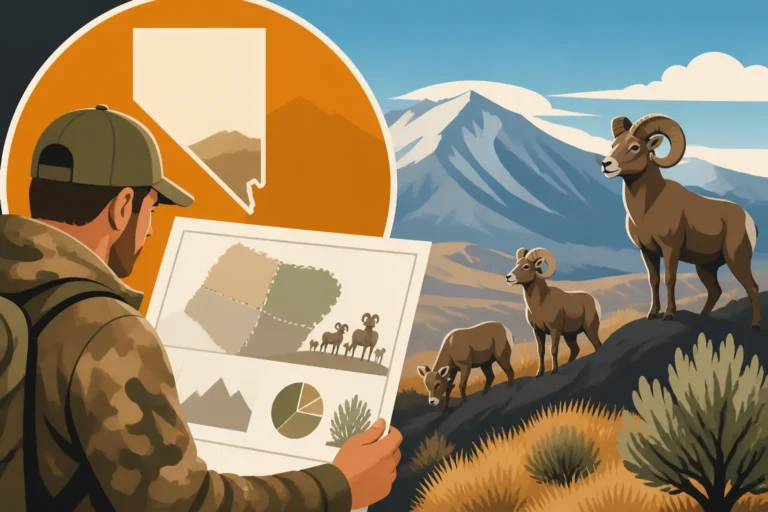
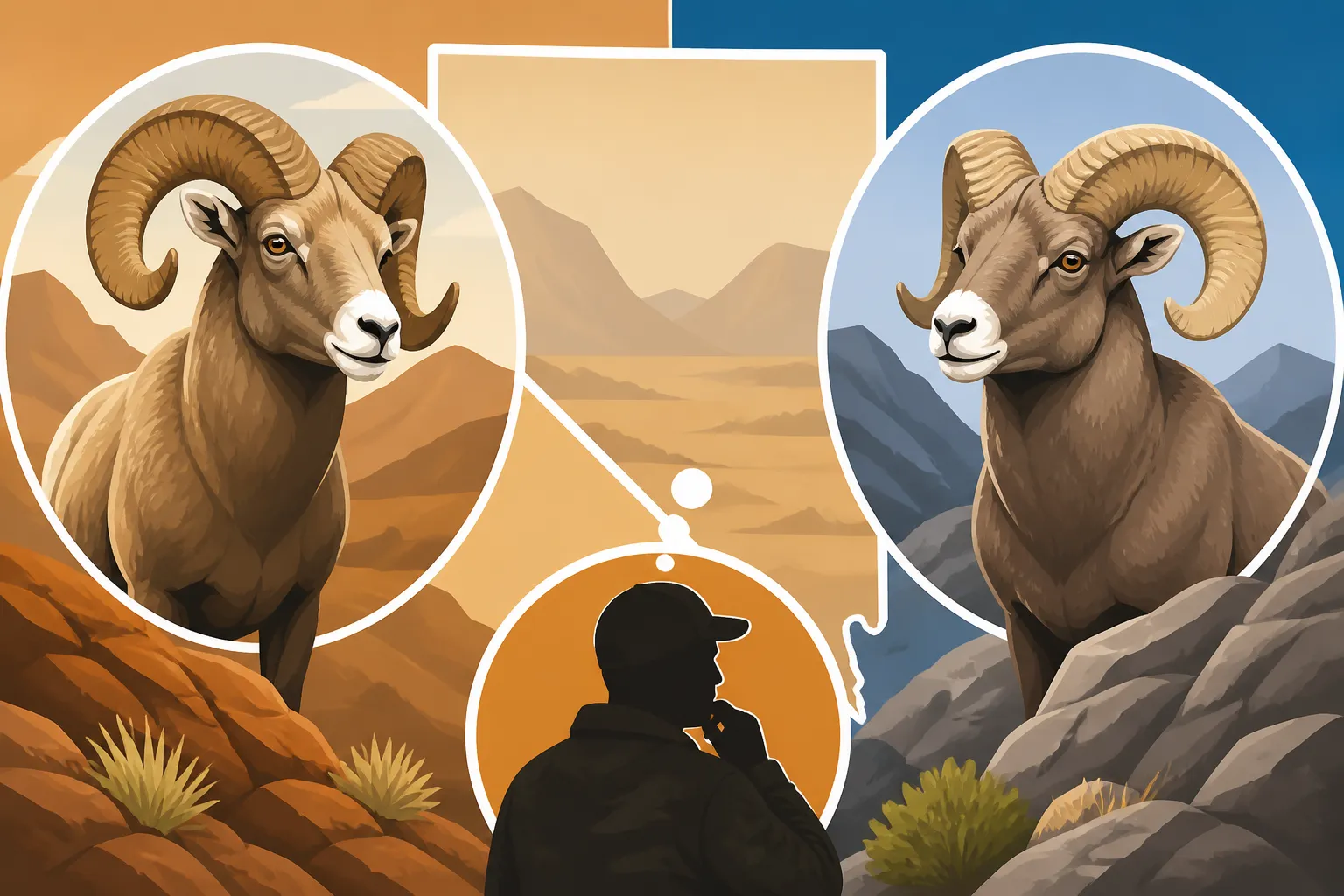
Let's dive into the specifics of these incredible animals and where you might find them making their homes within Nevada's diverse landscapes. Each subspecies presents its own challenges and opportunities, tied directly to the unique habitats they occupy. Nevada truly is a place where you can find Nevada Holds All Three Bighorn Subspecies.
The Desert Bighorn (Ovis canadensis nelsoni) is perhaps the most iconic image many have of Nevada sheep hunting. These majestic rams thrive in the arid, rugged mountain ranges of southern and central Nevada. Think steep, rocky canyons, sparse vegetation, and extreme temperatures. Their survival in such harsh conditions is a testament to their adaptability, and pursuing them often means enduring scorching heat and navigating treacherous terrain. You'll find these incredible animals roaming Desert Bighorn Across Southern Nevada, pushing the limits of what both hunter and hunted can endure.
Moving northward, particularly into the rugged, higher elevation ranges that define much of northern Nevada, you'll encounter the California Bighorn (Ovis canadensis californiana). These sheep tend to inhabit ranges with more plentiful water sources and vegetation than their desert cousins, often preferring steep, broken country interspersed with sagebrush and juniper. They are still creatures of incredible toughness, but their habitat often feels a bit less extreme than the scorching desert. Hunters pursuing them will often find themselves in areas like the Santa Rosa Range or other remote northern mountain chains, truly understanding California Bighorn in Northern Nevada.
Finally, gracing the northeastern reaches of the state, particularly in the magnificent Ruby Mountains and other ranges along the Utah border, we have the Rocky Mountain Bighorn (Ovis canadensis canadensis). These are the largest of the North American bighorn sheep, with impressive horns that can make them highly sought after. Their habitat typically involves alpine meadows, steep talus slopes, and timbered areas at higher elevations, especially compared to the desert subspecies. Hunting Rocky Mountain Bighorns in Nevada means embracing cold weather, snow, and significant elevation gains, often in areas that feel more reminiscent of Montana or Wyoming than the typical Nevada desert. You'll find pockets of these sheep in Rocky Mountain Bighorn in the East. The reason Why Nevada Recognizes Three Bighorn Subspecies comes down to genetic differences and distinct geographic ranges that have historically separated these populations.
Why the Distinction Matters for Hunters
The existence of these three distinct subspecies isn't just an interesting biological fact; it profoundly impacts hunting regulations, draw odds, and the dream of drawing multiple tags. Nevada's wildlife management recognizes these populations separately, meaning that tags are issued specifically for each subspecies.
For a hunter, this means that drawing a Desert Bighorn tag does not preclude you from applying for a California Bighorn or Rocky Mountain Bighorn tag in a subsequent year. Each subspecies is treated as a separate draw opportunity, with its own unit allocations and bonus point system. This is crucial for anyone contemplating the monumental goal of harvesting multiple bighorns in Nevada. It also means that the specific challenges and unique experiences of hunting each subspecies are truly distinct. A Desert Bighorn hunt is a completely different endeavor than a high-altitude Rocky Mountain Bighorn pursuit, demanding different gear, physical conditioning, and strategies.
The Nevada Draw System and Bighorn Tags
Understanding the Nevada draw system is paramount to even contemplating a bighorn tag, let alone multiple. It's a system built on odds, bonus points, and a healthy dose of patience. When you dive into the details, you quickly realize why these tags are among the most coveted in the West.
The Rarity of Bighorn Tags
Let's not sugarcoat it: bighorn sheep tags in Nevada are extraordinarily rare. The number of tags issued each year for any given subspecies is incredibly low, often in the single digits for many units. This scarcity is a deliberate management strategy to maintain healthy populations and trophy-quality animals, but it also means the competition is fierce. Thousands of hopeful hunters apply annually, many with decades of accumulated bonus points, for a mere handful of available tags. This intense competition means that Nevada Bighorn Sheep Draw Odds are consistently among the lowest for any big game species in the state. Even with a perfect application strategy, luck remains a massive factor.
Species-Specific Bonus Points
Nevada operates a bonus point system designed to give loyal applicants a better chance over time. However, a critical detail for bighorn enthusiasts is that these bonus points are species-specific. What does this mean in practical terms? It means that any bonus points you accrue for Desert Bighorn sheep only apply to Desert Bighorn applications. They do not transfer to California Bighorn or Rocky Mountain Bighorn applications.
This specific detail is the cornerstone of how one might (eventually) draw multiple bighorn subspecies tags. You essentially start a separate "point bank" for each subspecies. So, if you've been putting in for Desert Bighorn for ten years and have ten points (which Nevada Squares Your Bonus Points Into Draw Chances), those points are dedicated solely to that subspecies. To build points for California Bighorn, you must apply for California Bighorn, and the same goes for Rocky Mountain Bighorn. This means hunters aiming for multiple subspecies must make a strategic decision about which "point bank" to build each year, or diligently apply for points only across all three if their budget allows. Many hunters choose to keep building points for a species even if they aren't planning to hunt that year, a strategy that falls under Buying Nevada Points Without Applying to Hunt. This method is costly but keeps the dream alive.
The "Once-in-a-Lifetime" Aspect (and its Nuances)
The phrase "once-in-a-lifetime hunt" is often associated with bighorn sheep. In many Western states, it's actually a strict regulation: draw a bighorn tag, and you're done for that species in that state. Nevada, however, offers a unique opportunity that fuels the dream of drawing multiple subspecies. While drawing any bighorn tag in Nevada is indeed a monumental achievement that some hunters will never experience, the state's regulations generally allow a hunter to draw a tag for each of the three distinct subspecies.
This means that if you are fortunate enough to draw a Desert Bighorn tag and successfully harvest an animal, you are still eligible to apply for, and draw, a California Bighorn tag in a future year, and then a Rocky Mountain Bighorn tag after that. This isn't a free-for-all; the odds are still stacked against you with each subsequent application. But the regulatory framework is in place to allow for this incredible feat. It makes the Nevada Grand Slam a possibility, albeit one that requires extraordinary patience, persistence, and a healthy dose of luck over many, many decades. It truly underscores the prestige of Nevada's bighorn hunting opportunities.
Navigating the Dream of Multiple Bighorns
Given the extreme rarity and the species-specific nature of Nevada's bighorn draw, how does one even begin to strategize for drawing more than one subspecies tag? It's a long game, a marathon, not a sprint, and it requires a comprehensive understanding of the draw mechanics and realistic expectations.
How to Strategize for Multiple Draws (Realistically)
Realistically, drawing multiple bighorn tags in Nevada is not a plan for the faint of heart or the impatient. It's a multi-decade endeavor, an ongoing commitment to the draw system. The core strategy revolves around consistently building bonus points for each subspecies you hope to hunt. Since points are species-specific, you need to decide which subspecies is your priority each year, or if you can afford to put in for points only for all three.
Here's a breakdown of a realistic approach:
- Commit to the Long Haul: Understand that you are likely looking at 20, 30, or even 40+ years of applying to have a decent shot at just one subspecies, let alone two or three. Each successful draw resets your points for that specific subspecies, meaning you start back at zero for it while your points for the other subspecies continue to accumulate.
- Focus on One Subspecies First: Many hunters choose to focus their primary application efforts on building points for one specific subspecies until they draw. Once successful, they then shift their "priority application" to another subspecies, allowing their points for that second one to grow. This staggered approach helps manage costs and expectations.
- Utilize Point-Only Applications: If you can't afford the full application fee for all three subspecies every year, or if you want to save your "full application" for a high-odds unit in a different species, take advantage of the point-only option. This ensures your bonus points continue to grow for a given bighorn subspecies, keeping your dream alive without committing to a full hunt application fee.
- Research and Analyze Draw Odds: Tools like GoHunt are invaluable for analyzing historical draw odds. They can help you understand which units, if any, have slightly better odds for a particular subspecies, or how many points it typically takes to draw. While bighorn odds are always low, understanding the nuances of different units and the point profiles of successful applicants can inform your long-term strategy. Always be sure to be Reading a Nevada Hunt Unit Before You Apply to ensure you're making informed choices. Look at the data for How Biologists Count a Desert Big Game Herd as this often directly relates to tag quotas.
- Financial Commitment: Be prepared for the financial investment. Application fees, point-only fees, and eventually, the cost of the actual tag (which is significant) add up over decades. This isn't a cheap dream.
Beyond the Regular Draw: Alternative Avenues
While the regular draw is the most common path, it's not the only one. For those with significant financial resources, there are alternative avenues that can offer a pathway to a bighorn tag, and potentially multiple, outside of the traditional lottery system.
- Heritage Tags: Nevada offers a limited number of "Heritage Tags" that are auctioned off each year to the highest bidder. These are often considered "governor's tags" in other states. These tags allow the holder to hunt a specific species in nearly any open unit in the state, often with an extended season. The funds raised go directly to wildlife conservation. The cost of these tags is typically in the tens or even hundreds of thousands of dollars, making them inaccessible to most, but they represent a guaranteed tag for those who can afford it.
- Dream Tags: The Nevada Dream Tag program is a raffle where hunters can purchase entries for a chance to win a tag for various species, including bighorn sheep. While still a lottery, the odds are generally better than the main draw due to a smaller applicant pool, and the entry cost is much lower than an auction tag. The funds also benefit wildlife. Learning about the Nevada Dream Tag Raffle Explained can be a good starting point.
- Partnership in Wildlife Tags: Sometimes, specific conservation organizations are allocated tags to raffle or auction, with proceeds supporting their conservation efforts in Nevada. These tags provide another limited opportunity.
These alternative tags are often highly sought after by those who have been applying in the regular draw for decades without success, or by individuals who simply want to secure a tag without the wait. When considering these avenues, understanding Heritage and Dream Tag Guided Hunts is crucial, as many hunters who acquire these premium tags choose to hire a guide to maximize their chances of success on such a significant investment.
The Ultimate Nevada Bighorn Challenge
The prospect of drawing and harvesting all three bighorn subspecies in Nevada—the "Nevada Grand Slam"—is a monumental achievement, a true testament to a hunter's dedication, patience, and good fortune. It's a dream that few will ever realize, but its possibility is what keeps many applying year after year.
The Unlikely Grand Slam
Achieving the Nevada Grand Slam for bighorn sheep involves successfully drawing and harvesting a Desert Bighorn, a California Bighorn, and a Rocky Mountain Bighorn. Given the extreme rarity of each individual tag, the odds of accomplishing this within a single lifetime are astronomically low. It would require an almost unbelievable string of luck in the draw, potentially spread out over many decades.
Imagine building points for Desert Bighorn for 25 years, finally drawing, and then switching your focus to California Bighorn, which takes another 20 years, and then another 30 years for Rocky Mountain Bighorn. This is the timeline we're talking about, assuming continued participation, a stable regulatory environment, and, crucially, continued good health and physical ability to undertake such demanding hunts late into life. Each successful draw, while exhilarating, effectively resets your accumulated odds for that specific subspecies, forcing you back to the beginning of that specific pursuit.
The Time and Financial Commitment
The pursuit of multiple bighorn subspecies in Nevada is a profound commitment, not just to hunting, but to a lifestyle of patience and perseverance.
Time Commitment: We're talking about decades. From the initial application years to building points, to finally drawing a tag, and then the actual hunt itself, which can take weeks of scouting and hunting in rugged country. If you're fortunate enough to draw multiple tags, this commitment multiplies. Many hunters start applying in their 20s or 30s with the hope of drawing a tag in their 50s, 60s, or even 70s. This demands a sustained passion for the pursuit over nearly a lifetime.
Financial Commitment: The costs are significant and accumulate over time.
- Application Fees: Each year, you pay application fees and potentially point-only fees for each subspecies you're interested in. These are non-refundable, essentially a lifetime subscription to the draw.
- Tag Fees: If you draw, the tag fees for bighorn sheep are among the highest for any big game species, often well over a thousand dollars for non-residents.
- Travel and Gear: Nevada is vast. Traveling to scout, hunt, and then retrieve an animal from remote areas requires significant investment in fuel, lodging, proper optics, physical gear, and often specialized vehicles.
- Potential Guide Fees: While not mandatory, many hunters who draw these once-in-a-lifetime tags opt to hire an experienced guide to maximize their chances of success, which adds a substantial cost to the hunt.
Ultimately, drawing and harvesting multiple bighorn subspecies in Nevada is the ultimate testament to a hunter's unyielding passion and commitment. It’s a journey measured in decades, fueled by dreams, and rewarded by one of the most incredible trophies the Western United States has to offer. The dream is real, but the path is long and incredibly challenging.
Disclaimer
This article is for general informational purposes only and does not constitute professional advice. Laws, prices and regulations vary by location and change over time. Consult a qualified professional for guidance on your specific situation.