Shed Antler Gathering Rules in Nevada
There's nothing quite like the thrill of finding a sun-bleached antler lying on the desert floor, a tangible piece of the wild story unfolding around you. But let's be honest, trying to navigate the rules around shed antler gathering in Nevada can feel like deciphering an ancient scroll, leaving many enthusiastic shed hunters wondering if they're about to accidentally break the law. This guide is here to untangle those confusing regulations, offering clear, realistic insights into when, where, and how you can legally and ethically collect those prized shed antlers in the Silver State, so you can enjoy your time outdoors without a nagging worry.
The Annual Shed Antler Season and Why It Matters
Shed antler gathering, often called shed hunting, has grown immensely in popularity over the years, and for good reason. It’s a fantastic way to explore the backcountry, spend time outdoors, and connect with wildlife, even outside of hunting seasons. But with increased participation comes the need for clear regulations, especially in a state like Nevada where wildlife can be fragile and winter ranges are critical. The timing of when you can go shed hunting isn't arbitrary; it's designed specifically to protect vulnerable big game animals during their most stressful periods.
Nevada's shed antler season is a direct response to the need to minimize disturbance to wintering deer, elk, and other ungulates. These animals are often trying to conserve every calorie they have, surviving on limited forage and battling harsh winter conditions. If they're constantly spooked by shed hunters, forced to run and expend precious energy, it can directly impact their survival rates, especially for fawns and calves that are already struggling. This is why you'll find specific dates that open and close the shed season. It's not about keeping secrets; it's about giving wildlife a much-needed break when they need it most. Many states implement similar closures, but Nevada’s vast, open ranges make these rules particularly important, as animals often have fewer places to hide from human activity.
General Rules and When You Can Go Looking
Let's cut right to it: the primary rule to understand in Nevada is the statewide seasonal closure. For a significant portion of the year, usually from January 1 to April 30, it is illegal to collect shed antlers in most of Nevada. This closure period is crucial for the well-being of big game animals. It covers the time when deer and elk are typically at their most vulnerable, having just come through the rut and facing the coldest, leanest months of winter. Forcing them to move or exert themselves unnecessarily during this period can lead to stress, disease, and even death. Think of it as a quiet season for the animals; a time when they can recover and make it to spring.
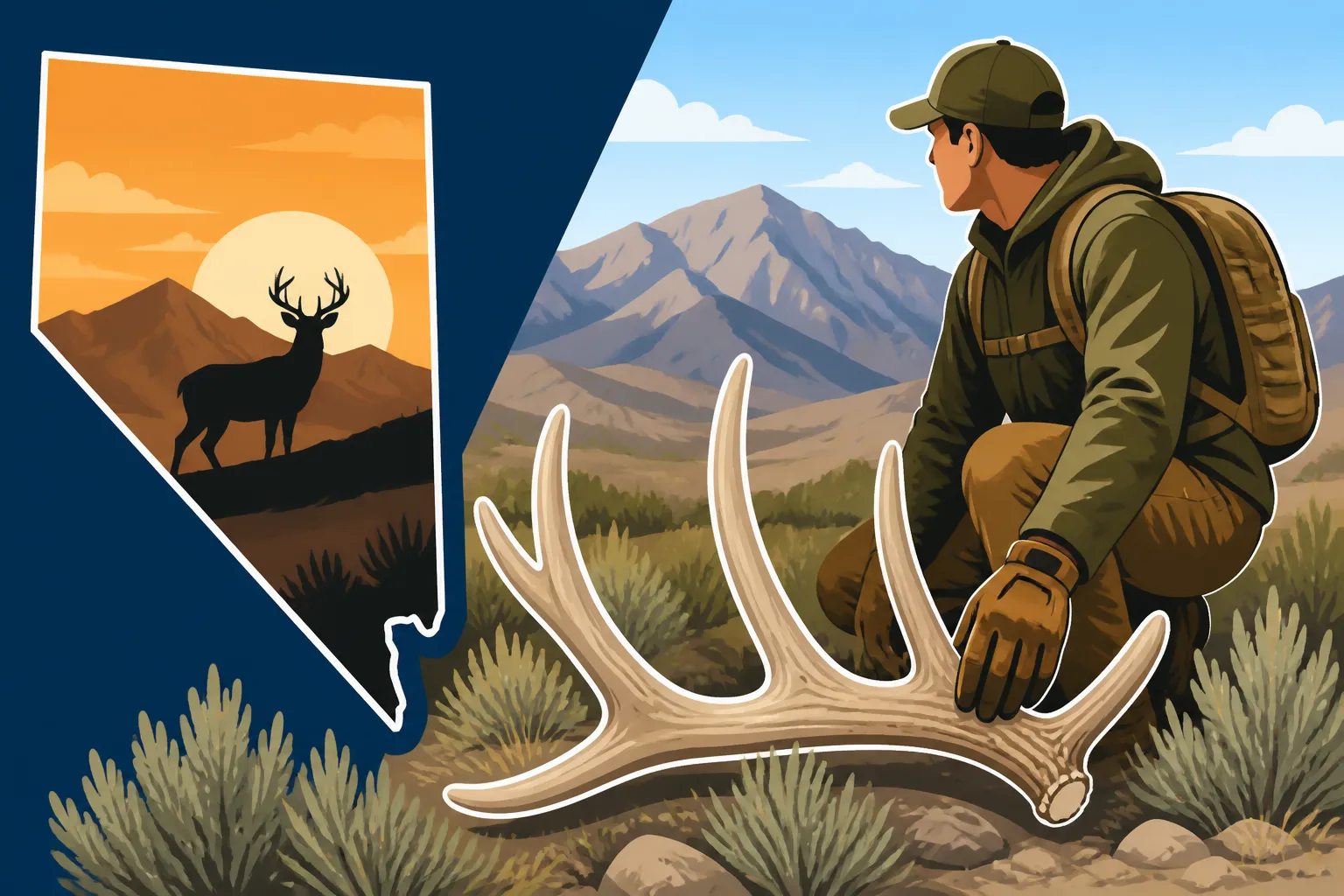
Once May 1st rolls around, the general statewide season opens up. This is when most areas become fair game for shed hunters. However, it's not a free-for-all everywhere. There are important distinctions and specific exceptions to be aware of. For instance, some Wildlife Management Areas (WMAs) or particular hunt units might have their own additional restrictions or different opening dates, so always double-check the current regulations before you head out. A quick call to your local Nevada Department of Wildlife (NDOW) office or checking their website is always a good idea, or you can often find specific unit info through resources like GoHunt, which compiles a lot of this data. Remember that a shed antler is defined as a naturally detached antler from a big game animal. If it's still attached to any part of the skull, that's not a shed; that's a carcass, and there are entirely different rules, and often permits, required for possessing those.
| Activity | Season/Rule | Notes |
|---|---|---|
| Shed Antler Gathering | Generally May 1 – December 31 | Statewide, but always check for specific unit/WMA closures. |
| Closed Period | January 1 – April 30 | Statewide closure to protect wintering big game. |
| Gathering Antlers Attached to Skull | Prohibited without proper permit | This is considered possession of wildlife parts; contact NDOW for specific permits if you find a carcass. |
| Motorized Vehicle Use | Restricted | Follow all existing road and trail restrictions; stay on designated routes, especially in Wilderness Study Areas. Motorized Travel Rules on Nevada Public Land is an important reference here. |
| Commercial Gathering | Regulated | Commercial gathering often requires special permits. Always clarify with NDOW if you intend to sell collected sheds. |
| Public Land Access | Generally Open | Respect private property boundaries and obtain Getting Landowner Permission in Nevada if necessary. |
This table outlines the basic framework, but the devil, as they say, is in the details, and Nevada has plenty of unique details that can trip up even experienced folks.
Specific Regulations and Restricted Areas
Nevada is a vast state, and while the general statewide dates are a good starting point, specific areas demand closer attention. You can't just assume that because it's May 1st, every inch of public land is open for shed hunting. Different land management agencies – whether it’s the Bureau of Land Management (BLM), Forest Service, or state NDOW lands – might have their own nuanced rules. For instance, some sensitive winter ranges or specific wildlife areas might have year-round closures to shed gathering, or closures that extend beyond the general statewide dates.
Wildlife Management Areas (WMAs), for example, are often established to provide critical habitat for game animals, and as such, they frequently have stricter regulations regarding access and activities like shed hunting. It’s not uncommon for a WMA to have a delayed opening, or even be completely closed to shed gathering, to ensure minimal disturbance to deer and elk herds concentrating there. To avoid any issues, it’s absolutely essential to consult the NDOW hunting regulations, specifically the section on shed antlers, and also check with the specific land management agency for the area you plan to visit. Websites like GoHunt or services like onX Hunt are invaluable for Reading a Nevada Unit Boundary and layering in public land designations and potential restrictions. Always err on the side of caution.
Beyond specific wildlife areas, general public land rules also apply. Remember that "no vehicle travel off designated routes" rule? That doesn't magically disappear for shed hunters. You still need to abide by Motorized Travel Rules on Nevada Public Land, and in areas designated as Wilderness Study Area Vehicle Limits, your ability to drive is severely curtailed or outright prohibited. This means you might be hiking for miles to find those sheds, which is part of the challenge and reward, but it’s critical to know before you load up the truck. Also, keep an eye out for Seasonal Road Closures Across Nevada, as many mountain roads remain impassable or closed well into late spring, regardless of when shed season officially opens. These closures are often in place to prevent resource damage from mud and snowmelt or to protect wintering animals from vehicle disturbance. Ignoring these can lead to fines and damage to critical habitat.
Another critical consideration is private land. While much of Nevada is public, significant portions of the valley floors and lower slopes are privately owned. Never assume access to private property. You absolutely must obtain Getting Landowner Permission in Nevada before stepping foot on someone's ranch or posted land to look for sheds. Trespassing is a serious offense, and it gives all outdoor enthusiasts a bad name. Using onX Layers for Nevada Public Land is incredibly helpful here, as it allows you to clearly see land ownership boundaries, helping you to stay on the right side of the law and respect private property.
Ethical Considerations and Best Practices for Shed Hunters
Beyond the letter of the law, there are strong ethical considerations that every shed hunter should embrace. We're all guests in the wild, and our actions directly impact the animals we cherish and the access we have. The core principle here is simple: do not disturb wildlife. If you're out looking for sheds and you spot deer or elk, give them a wide berth. If you see animals running because of your presence, you're too close, and you need to back off. Remember, the closed season exists for a reason – these animals are often on their last reserves of energy, and pushing them can have dire consequences.
One of the best practices for ethical shed hunting involves scouting and timing. Instead of hitting the hills right on opening day, consider waiting a few weeks. By mid-to-late May, most of the harsh winter conditions have passed, and animals have typically moved off their most critical winter ranges, often following the green-up to higher elevations. This minimizes your impact on them. When you are scouting, focus on likely areas where deer and elk winter. Think south-facing slopes, benches with good cover, and areas with forage access. E-scouting tools are fantastic for this; you can use satellite imagery to identify these areas from the comfort of your home, reducing unnecessary disturbance on the ground. E-Scouting a Nevada Unit Before the Season can help you pinpoint these areas.
Furthermore, consider the physical demands. Shed hunting in Nevada often means covering vast, rugged terrain. Being prepared physically is crucial. Preparing Physically for Long Glassing Days will not only make your trip more enjoyable but also allow you to move more quietly and efficiently, further reducing your impact on wildlife. Carry plenty of water, appropriate gear for rapidly changing weather, and know your limits. This isn't a race; it's an opportunity to connect with nature.
It's also essential to be mindful of sensitive habitats. Areas with new vegetation growth, nesting birds, or other delicate ecosystems should be traversed with care. Stick to established trails or travel corridors where possible. If you find a shed in an area that clearly looks like a prime fawning or calving ground, consider collecting it quickly and quietly, then moving on, rather than lingering and potentially disturbing young animals and their mothers. The goal is to collect a natural artifact, not to disrupt the circle of life. By understanding Where Mule Deer Winter in Sage Country and Hunting the Post-Rut Migration for Big Bucks, you can better anticipate where sheds might be found without disturbing animals still recovering from winter or beginning to move to summer ranges. Reading a Nevada Winter Range Report can offer even more insight into specific areas to avoid during critical times.
Lastly, camping is a big part of many shed hunting trips. If you plan to stay overnight, be sure to understand Camping Rules on Nevada BLM Ground or on Forest Service land. Always practice Leave No Trace principles: pack out everything you pack in, minimize campfire impact (or forgo them if conditions are dry or restricted), and leave the land as you found it, or better. Our collective efforts in respecting the land and its wildlife ensure these opportunities remain for generations of shed hunters to come.
Penalties for Violating Shed Antler Rules
Ignorance of the law is never an excuse, especially when it comes to wildlife regulations. Nevada takes its wildlife management seriously, and violating shed antler gathering rules can lead to significant consequences. These aren't just minor infractions; they can result in hefty fines, confiscation of your antlers, and even loss of your hunting and fishing privileges.
The specific penalties vary depending on the severity of the violation. For example, gathering sheds during the closed season (January 1 to April 30) is considered a misdemeanor. You could face fines that range from hundreds to thousands of dollars, and any sheds you collected will be seized. If you're caught using a motorized vehicle off-road to access sheds, especially in a sensitive area or during a closure, those penalties can escalate, potentially including vehicle impoundment and additional citations from the land management agency. Repeated offenses or more egregious violations, such as intentionally harassing wildlife while shed hunting, could lead to even stricter penalties, including longer suspensions of your ability to hunt, fish, or trap in Nevada.
Game wardens and other law enforcement personnel are actively patrolling these areas, particularly during the shoulder seasons around the closures. They're often on the lookout for suspicious vehicle tracks or individuals in known winter ranges. It's simply not worth the risk. A few moments of convenience or a desire to get out early can cost you far more than the value of any antlers you might find. Always prioritize compliance with the law and ethical behavior. If you're ever unsure about a specific rule or area, contact NDOW directly. They are there to help clarify regulations and ensure responsible enjoyment of Nevada's wildlife resources.
Disclaimer
This article is for general informational purposes only and does not constitute professional advice. Laws, prices and regulations vary by location and change over time. Consult a qualified professional for guidance on your specific situation.