Chukar Country on Nevada’s Steep Slopes
Chukar hunting in Nevada is often described as a "poor man's sheep hunt," and if you've ever found yourself gasping for air on a rocky slope, chasing after those little rockets, you know exactly why. It's exhilarating, maddening, and absolutely addicting. This guide is all about diving deep into what makes Nevada's chukar country so unique, how to prepare for its steep slopes, and proven strategies to find success in this challenging pursuit.
Understanding Nevada's Chukar Habitat
Nevada's vast, rugged landscape is prime real estate for chukar partridge, but these aren't your typical flatland birds. They thrive in some of the most unforgiving, yet beautiful, terrain the state has to offer. Understanding their preferred habitat is the first step toward putting more birds in your vest.
The Ideal Steep, Rocky Slopes
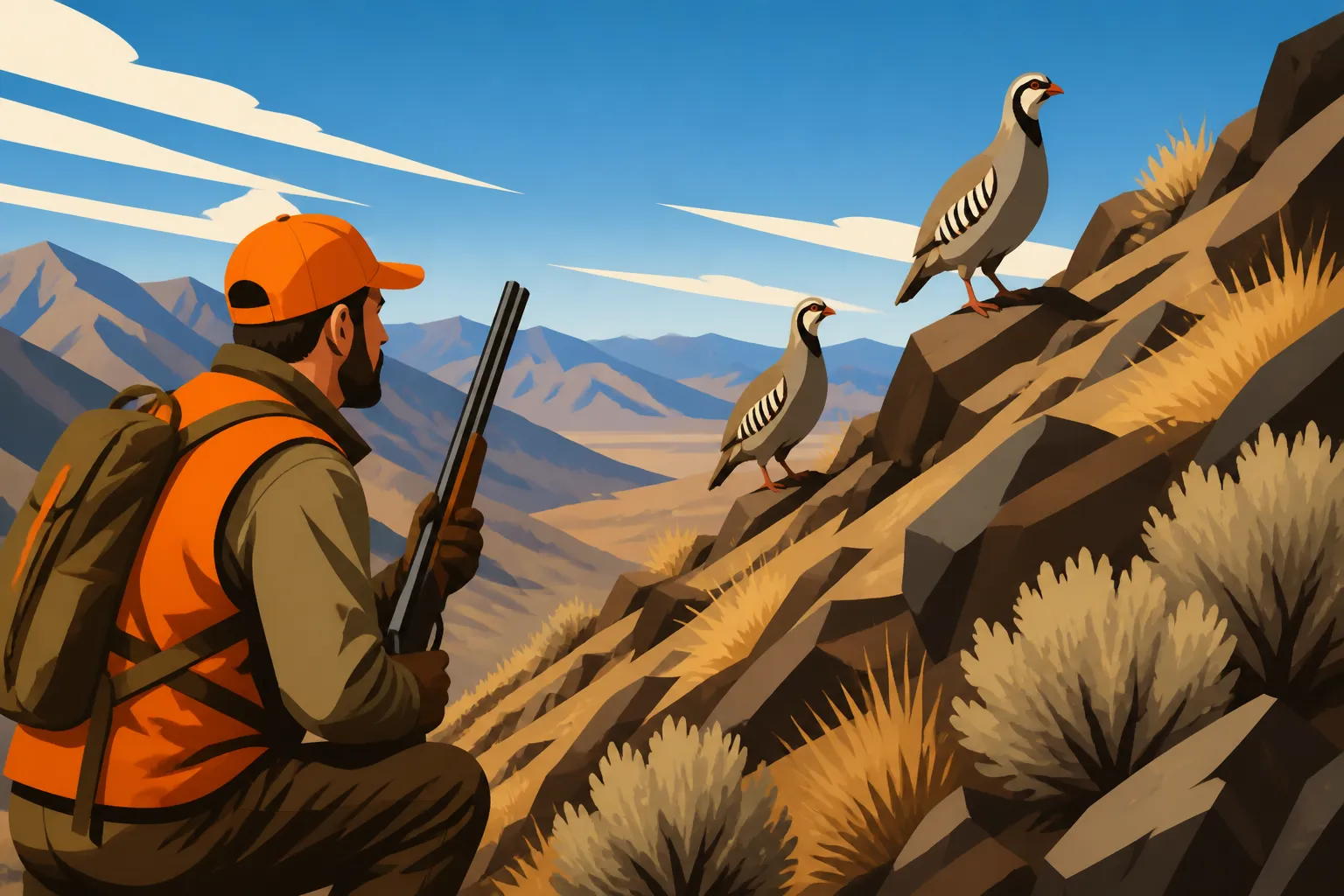
Chukar absolutely love steep, south-facing slopes, particularly those dotted with volcanic rock, scree, and sparse vegetation. These birds are masters of using gravity to their advantage, often flushing downhill at incredible speeds, then quickly turning and flying across canyons or hugging contours to escape. The rocky terrain provides crucial cover from predators, offers sunning spots, and holds insects, seeds, and grasses they feed on. You'll typically find them at elevations ranging from 4,000 to 8,000 feet, depending on the specific mountain range and time of year. Don't be surprised to find them in areas that look utterly devoid of life; chukar are hardy and resourceful.
The angle of the slope isn't just a challenge for hunters; it's a strategic advantage for the birds. A steep gradient allows them to gain maximum speed on a flush, putting distance between themselves and perceived threats in a blink. They will often choose slopes that face south or southwest, soaking up more sun, which is especially important in the colder months. These sun-baked areas also tend to melt snow faster, exposing crucial forage. When you're scouting, look for a mosaic of large rocks, smaller scree fields, and patches of cheatgrass or sagebrush that offer both cover and food. This combination is a chukar magnet.
Accessing Water Sources and Their Importance
While chukar are incredibly resilient desert birds, even they can't live without water. In Nevada's arid environment, water sources become natural magnets, concentrating birds in predictable patterns, especially during the warmer early season hunts. Springs, seeps, and even small man-made guzzlers are critical points of interest. Chukar will typically fly to water in the early morning and late afternoon, making these times key for finding active birds.
Identifying reliable water sources before your hunt is absolutely paramount. Topographical maps and satellite imagery, perhaps through a platform like GoHunt, can reveal promising springs and guzzlers. However, a "spring" on a map might just be a damp spot in the dirt during a drought year, so ground-truthing or checking with local Nevada Department of Wildlife (NDOW) offices is always a good idea. Remember, concentrating on these vital resources can significantly reduce the amount of ground you need to cover. Learning to read water sources before an August hunt can be a game-changer for early-season success. In drier years, these water spots become even more critical, as the birds simply have fewer options.
The Unforgiving Nature of Chukar Hunting
Anyone who's seriously pursued chukar will tell you it's less a casual stroll and more an extreme endurance sport. The "poor man's sheep hunt" moniker isn't just hyperbole; it's a testament to the physical and mental fortitude required.
The Brutal Physical Demands
Chukar hunting demands peak physical condition. You'll be traversing incredibly steep, uneven terrain, often consisting of loose scree, sharp volcanic rock, and thick brush. This isn't flat ground where you can cover miles easily; every step is an effort, especially when climbing thousands of feet in elevation. The constant ups and downs, the precarious footing, and the rapid changes in elevation will test your cardiovascular system, leg strength, and ankle stability to their absolute limits. It's not uncommon for hunters to ascend and descend several thousand feet in a single day, often multiple times.
The sheer exhaustion isn't just physical; it's mental. The frustration of watching a covey flush out of range, disappear over a ridge, only to relocate them and have them do it again, can wear down even the most seasoned hunter. It takes grit to push through the burning lungs and aching muscles, especially when the birds seem intent on mocking your efforts. Many veteran chukar hunters will attest to why chukar hunting is so punishing, emphasizing that it's a mental game as much as it is a physical one. Preparation is key; start a rigorous exercise regimen months before the season opens, focusing on hiking with a weighted pack, stair climbing, and building core strength to handle the rough ground.
The Elusive Nature of the Birds
Chukar are notoriously wary birds, possessing exceptional eyesight and an uncanny ability to use terrain to their advantage. They typically hold tight until you're almost on top of them, then explode from cover with a loud, startling cackle, often flushing downhill at breathtaking speed. By the time you shoulder your shotgun, they're already a blur, quickly putting obstacles between themselves and you. This makes for incredibly challenging, often fleeting, shot opportunities.
Their flocking behavior also contributes to their elusiveness. A covey might consist of dozens of birds, and when they flush, they spread out, making it hard to track individual birds for follow-up shots. After a flush, they often fly a considerable distance, sometimes over a canyon or around a major ridgeline, making it difficult to pinpoint where they landed. This requires relentless tracking, often involving more arduous climbing and searching. Combine their speed with their choice of treacherous terrain, and you have a recipe for one of the most challenging upland bird hunts in North America.
Essential Gear and Physical Preparation
Success in Nevada's chukar country isn't just about finding birds; it's about being prepared for the environment and the rigorous demands of the hunt. The right gear and a solid fitness base can make all the difference between a memorable hunt and a miserable one.
Footwear is Non-Negotiable
This is perhaps the most critical piece of equipment for any chukar hunter. Forget lightweight trail shoes; you need serious, ankle-supporting boots designed for harsh, rocky terrain. Look for boots with stiff soles to protect your feet from sharp rocks and provide stability on uneven ground, and excellent traction to prevent slips and falls on loose scree. Waterproofing is also a huge plus, as you might encounter dew, snow, or muddy patches around springs. Brands like Kenetrek, Schnee's, or Lowa are often favored by serious Western hunters for their durability and support.
Think of your boots as an extension of your commitment to the hunt. A blister on mile one can ruin your entire day, or worse, your entire trip. Invest in high-quality wool socks that wick moisture and prevent rubbing. It's also wise to break in any new boots thoroughly long before your hunt. Wear them on training hikes, simulating the conditions you'll face. Your feet are your primary mode of transportation in chukar country, and neglecting them is a rookie mistake. Understanding how to choose boots for sharp volcanic rock is vital, as the terrain will punish lesser footwear.
Packing Smart: Layering and Hydration
Given the unpredictable nature of mountain weather, especially in the vast Nevada landscape, layering your clothing is essential. Mornings can be freezing cold, midday can be scorching hot under the desert sun, and afternoon winds can drop temperatures dramatically. Start with a moisture-wicking base layer, add an insulating mid-layer like fleece or a puffy jacket, and top it with a durable, wind-resistant outer shell. Choose clothing that allows for full range of motion, as you'll be scrambling and climbing constantly.
Hydration is equally, if not more, important. You'll be expending an incredible amount of energy, and dehydration can quickly lead to cramping, fatigue, and even serious health issues. Carry significantly more water than you think you'll need – a minimum of 3-4 liters for a full day hunt is a good starting point, and often more if the weather is warm. A hydration pack integrated into your vest or backpack is highly recommended. Electrolyte supplements can also be a lifesaver to replenish what you sweat out. Remember, you're often miles from the nearest road, and a simple water bottle might not cut it. Knowing how much water you must carry on a desert day hunt isn't just advice, it's a matter of safety.
Here's a quick packing checklist for your chukar vest or backpack:
| Item | Description | Priority |
|---|---|---|
| Water | Minimum 3-4 liters (more for hot days); hydration bladder recommended. | Essential |
| Snacks | High-energy bars, nuts, jerky to keep fuel levels up. | Essential |
| First-Aid Kit | Blister care, pain relievers, bandages, antiseptic wipes, emergency blanket. | Essential |
| Navigation | GPS device or smartphone with mapping app (GoHunt is excellent), compass, printed map. | Essential |
| Communication | Satellite messenger (Garmin InReach, Zoleo) for remote areas with no cell service. | Essential |
| Sun Protection | Hat, sunglasses, sunscreen. | High |
| Knife | Multi-tool or sharp knife for various uses. | High |
| Headlamp/Flashlight | In case the hunt runs late. | High |
| Blaze Orange | Hat or vest (check local regulations, often not required for upland but good for visibility). | Medium |
| Gloves | For protecting hands on rocky climbs. | Medium |
| Binoculars | Small, lightweight binos (8x or 10x) for spotting birds on distant slopes. | Medium |
Strategies for Hunting Steep, Rocky Terrain
Chukar hunting is a game of strategy, patience, and relentless effort. Simply walking around hoping to stumble into birds usually results in a frustrating, birdless day. To consistently find success, you need a methodical approach to tackling their preferred steep, rocky strongholds.
Hunting Uphill with Dogs
While it might seem counterintuitive, many experienced chukar hunters advocate for hunting uphill with their dogs. Chukar prefer to flush downhill, using gravity to quickly escape. By approaching from below, you reduce the chances of them flushing far out of range. As you climb, the birds will often hold tight, allowing your dog to get a solid point, or at least narrowing the distance for a reasonable shot when they eventually take flight. A good bird dog is an invaluable asset in this terrain, as they can scent birds that are otherwise undetectable to the human eye and navigate the rough ground more efficiently.
This strategy requires even greater physical conditioning, as climbing steep slopes is demanding. However, the reward of more shot opportunities and potentially recovering downed birds from perilous positions makes it worthwhile. Working with your dog on a check cord in very steep, brushy areas can help prevent them from getting too far ahead and bumping birds prematurely. Once a covey flushes, watch where they go. Chukar often fly to a similar, adjacent slope, allowing for a follow-up stalk if you have the stamina.
Glassing and E-Scouting for Efficiency
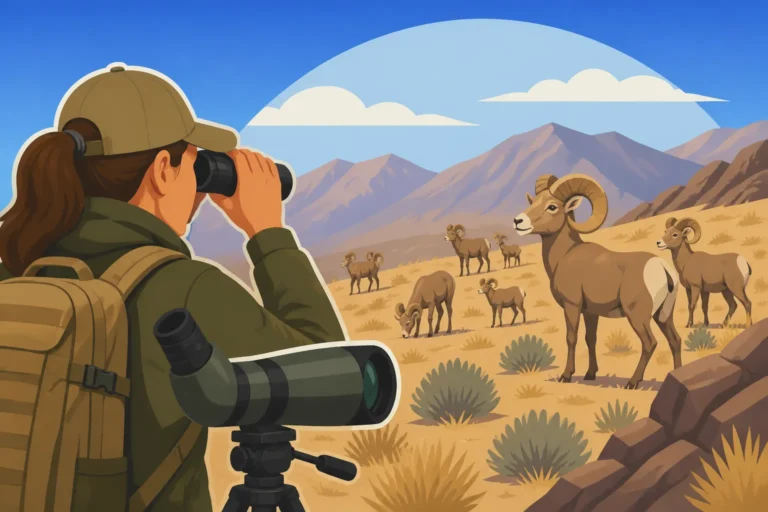
Given the vastness of Nevada's chukar country and the density of the brush that can hide birds, relying solely on walking to find chukar is inefficient. Modern hunting tools and techniques can drastically improve your odds. Glassing, using binoculars or a spotting scope from a vantage point, is an underutilized but highly effective method for chukar. Before committing to a grueling climb, spend time glassing opposing slopes in the early morning or late evening when birds are most active. Look for movement, listen for their distinctive "chuk-chuk-chuk" call, or even spot them silhouetted on a ridgeline.
E-scouting with satellite imagery and topographic maps, like those available on GoHunt, allows you to identify key terrain features from home. Look for the classic chukar habitat: steep, south-facing slopes, proximity to water sources, and broken, rocky ground. You can mark potential water features, benches, or draws where birds might congregate. This allows you to plan your routes to minimize unnecessary climbing and maximize your time in high-probability areas. While glassing for mule deer in Nevada's basin and range is a well-known tactic, adapting it for chukar can save you miles of brutal hiking.
Working the Contours and Targeting Stragglers
Once a covey flushes, it's easy to get disheartened, but this is where smart hunting comes into play. Instead of immediately chasing them straight uphill or down, consider working the contours of the mountain. Chukar often fly horizontally along a slope to re-establish themselves, sometimes landing just around a bend or over a small saddle. By sidestepping or moving strategically, you can often cut off their escape route or at least reduce the distance to their landing zone.
Furthermore, when a large covey scatters, there are often stragglers or single birds that don't fly as far as the main group. These lone birds can be less wary and offer better shooting opportunities. If you've just busted a covey, take a moment to listen and observe. Sometimes a single bird will re-flush from nearby, or you might hear soft clucking calls as they try to regroup. Targeting these separated birds requires patience and keen observation, but it's a common tactic for adding a few more birds to the vest after the main flush. This approach to closing the last hundred yards on a pronghorn, while a different species, shares the same principle of strategic movement and patience.
Reading the Conditions: Weather, Water, and Seasonality
Chukar are creatures of their environment, and their behavior is heavily influenced by external factors like weather, available water, and the progression of the hunting season. Paying attention to these elements can help you predict where birds will be and when they'll be most active.
How Rainfall and Drought Impact Populations
One of the most significant factors influencing chukar populations and their distribution in Nevada is rainfall. As the internal link "How Rainfall Drives Chukar Numbers" aptly describes, good moisture years lead to an abundance of green feed and insects, which are crucial for chick survival and overall bird health. In wet years, chukar populations can explode, and they may be found more widely dispersed, not as tightly concentrated around obvious water sources. The lush vegetation also provides more cover, making them a bit harder to spot.
Conversely, drought years can be devastating for chukar. Poor rainfall means less feed, fewer insects, and stressed birds. In these conditions, populations tend to decline, and the birds become highly reliant on the few remaining reliable water sources. During dry spells, you'll want to focus your efforts even more intensely on springs, guzzlers, and damp seeps, as these will be the only places birds can consistently find moisture. This means scouting for water sources becomes even more critical. Checking with local NDOW offices for their preseason forecasts can give you a vital insight into the current year's chukar outlook.
Adapting to Temperature Swings and Snow
Nevada's mountain ranges are notorious for their drastic temperature swings. Early season hunts in August and September can be brutally hot, making hydration and heat management on an August archery hunt (which applies here too) top priorities. During these warm periods, chukar will be more active in the cooler parts of the day – early morning and late evening – and will often seek shade in rocky crevices during the peak heat. They'll also be tied closer to water.
As the season progresses into late fall and winter, you might encounter snow and freezing temperatures. Chukar are well-adapted to cold, but snow can impact their feeding and movement patterns. Light snow cover might make birds more visible against the white backdrop, but deep snow can push them down to lower elevations or concentrate them on wind-blown ridges where food is still accessible. On colder, windy days, they might huddle in protected pockets on south-facing slopes, seeking warmth and shelter. Understanding layering for Basin and Range temperature swings is crucial for comfort and safety as you adapt to these varied conditions.
Responsible Hunting and Conservation in Chukar Country
Chukar hunting is a privilege, and it's our responsibility as hunters to ensure we're doing it ethically and sustainably. Beyond the challenge of the hunt, there's a deep respect for the birds and the wild places they call home.
Ethical Shooting and Bird Recovery
Given the difficulty of chukar hunting, shot opportunities are often fleeting, but that doesn't mean compromising on ethical shooting. Only take shots within your effective range, and always be mindful of your background. Chukar often flush in large groups, so be certain of your target before pulling the trigger. A good upland shotgun in 12 or 20 gauge, with improved cylinder or modified choke, is typically a good choice, along with appropriate shot size (7.5 or 6).
Recovering downed birds in chukar country can be just as challenging as shooting them. A bird that falls into a steep, rocky canyon can be incredibly difficult to find, especially without a dog. This is another area where a well-trained retriever or flushing dog proves invaluable. Even with a dog, be prepared for some serious scrambling to retrieve your bird. It's a testament to your commitment to the hunt and the resource that every effort is made to find and retrieve any bird you shoot. Mandatory reporting after a Nevada harvest is not typically required for chukar, but it's always good practice to keep track of your own harvest for personal records and to contribute to conservation efforts.
Adhering to Regulations and Bag Limits
Always check the current Nevada Department of Wildlife (NDOW) upland game regulations before heading out. Regulations, season dates, and bag limits can change year to year. Knowing the Nevada chukar bag limits is essential. These rules are in place to ensure sustainable populations for future generations of hunters. Ignorance of the law is not an excuse, and responsible hunters make it their business to stay informed.
Beyond regulations, consider the broader ethics of hunting. Respect private property, even if it's just a small inholding within public land. Pack out everything you pack in, and perhaps even more. Leave no trace of your presence in these wild landscapes. The future of chukar hunting, and all hunting in Nevada, depends on a strong conservation ethic from every participant. Engaging with local NDOW programs or conservation groups that work on habitat improvement can also be a great way to give back to the resource that provides such incredible hunting opportunities.
The Role of Conservation
The rugged chukar country of Nevada is fragile, and ongoing conservation efforts are vital to maintaining healthy bird populations and their habitat. Programs that focus on cheatgrass removal, habitat restoration, and water development projects play a crucial role. Cheatgrass, an invasive annual grass, outcompetes native vegetation and creates a fuel source for destructive wildfires, devastating chukar habitat. Organizations like the Wild Sheep Foundation and local conservation groups often spearhead efforts to improve guzzlers and manage habitat, benefiting chukar alongside other desert wildlife.
Hunters are often the first line of defense for wildlife, reporting poaching or habitat destruction. Your license fees and excise taxes on firearms and ammunition directly fund these conservation initiatives through programs like the Pittman-Robertson Act. So, every time you buy a license or a box of shells, you're contributing to the very habitat and wildlife you cherish. It's a tangible way that hunters directly fuel conservation, ensuring that the unique challenge of chukar hunting in Nevada remains a possibility for years to come.
Disclaimer
The information provided in this guide is for general informational purposes only and is not intended as legal advice or an exhaustive list of regulations. Hunting regulations, season dates, and bag limits can change. Always consult the most current Nevada Department of Wildlife (NDOW) regulations before engaging in any hunting activities. Hunters are responsible for knowing and adhering to all applicable laws and regulations.