Do You Need a Permit to Hunt BLM Ground?
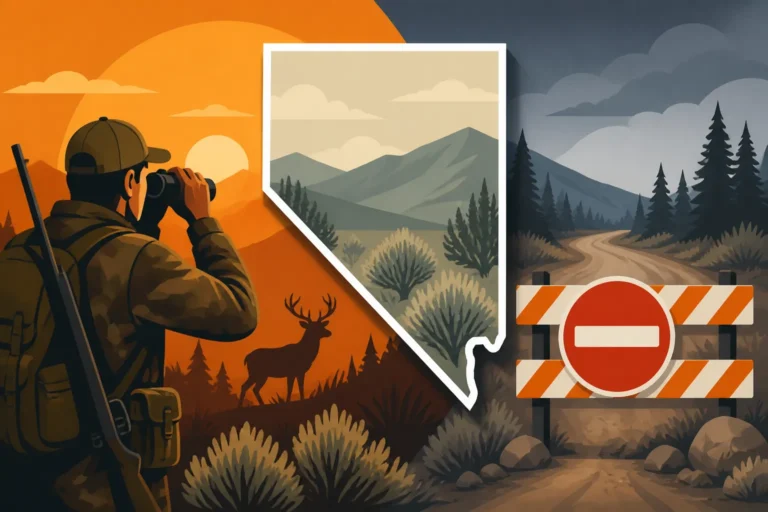
It's a common and completely valid question that pops into every hunter's mind when they look at a map of Nevada: with such an overwhelming amount of public land, especially Bureau of Land Management (BLM) ground, do you need some special, obscure permit just to step foot on it with a rifle or bow? The good news is, for the vast majority of hunting scenarios, the answer is far simpler than you might think. This guide will cut through the confusion and explain exactly what you need – and don't need – to hunt responsibly on Nevada's incredible BLM lands.
Clarifying the Permit Question for BLM Ground
Let's get right to the heart of it. Many new hunters, or those coming from states with more complex land access regulations, feel a real sense of anxiety about navigating public lands. The idea that there might be some secret permit you need, beyond your hunting license and tags, is a legitimate concern. Nobody wants to accidentally trespass or break a rule they didn't even know existed.
Understanding Nevada's Public Land Ownership
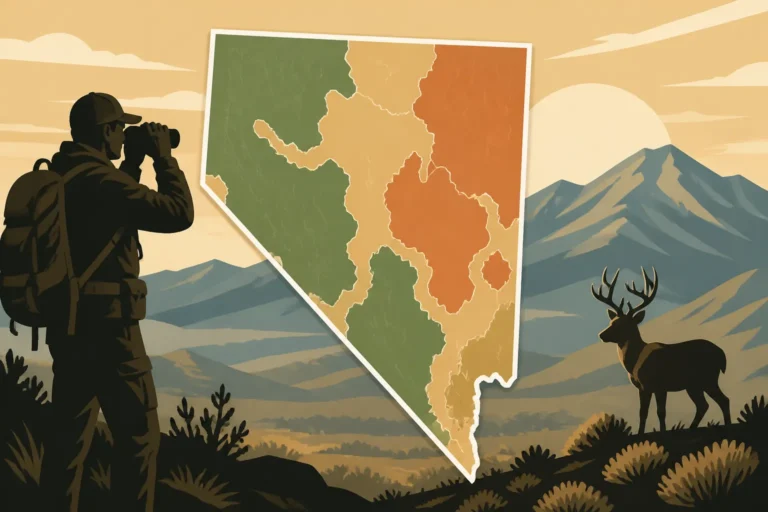
Nevada is truly unique in the lower 48, boasting an incredible amount of federally owned land. We're talking millions upon millions of acres managed by agencies like the BLM, the U.S. Forest Service, and various National Wildlife Refuges. The sheer scale can be daunting, but it's also what makes hunting here so special and full of opportunity. How Much of Nevada Is Public Land is a topic that really highlights this uniqueness.
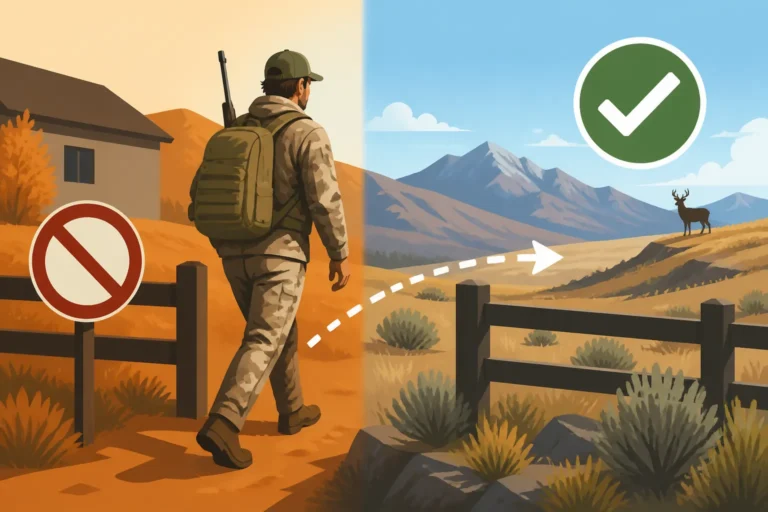
The vast majority of this land, particularly the expansive sagebrush seas, rocky foothills, and desert mountains, falls under BLM management. This land is generally open to the public for a wide range of recreational activities, including hunting, fishing, camping, and hiking, as long as you follow agency-specific regulations and state wildlife laws. Think of BLM land as the ultimate open-access playground, but with a few ground rules to ensure its preservation and safe use. It's not like a private ranch where you need explicit permission from a landowner every time you want to cross a fence line. Instead, it operates under a principle of shared public use.
General Hunting License vs. Special Permits
This is where the distinction often gets muddled. For general hunting on BLM land in Nevada, you absolutely need a valid Nevada hunting license and the appropriate big game tag for the species you are pursuing, if applicable. If you're hunting small game or upland birds, your general hunting license is often all that's required, beyond any specific stamps or permits for migratory birds.
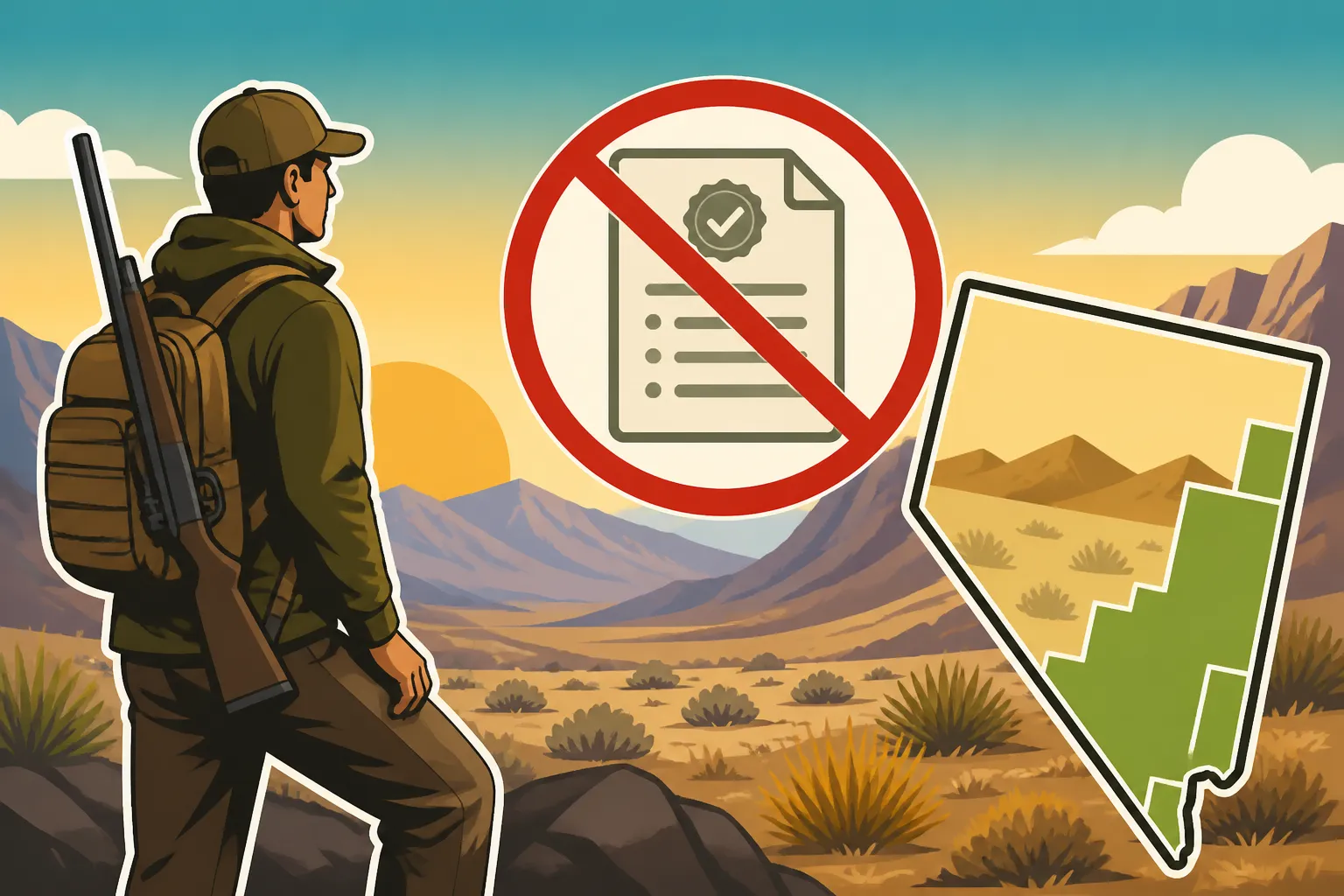
What you don't typically need is an additional permit from the BLM specifically to hunt on their ground. The act of hunting itself is regulated by the Nevada Department of Wildlife (NDOW), and your license and tag are your permissions. The BLM's role is more about land management – ensuring sustainable use, protecting resources, and overseeing activities like grazing, mining, and recreational use, which includes hunting within NDOW's framework.
However, there are very rare exceptions where a special permit might come into play, though these are usually for commercial activities, large group events, or specific research projects, not individual hunters. For example, a commercial outfitter might need a special use permit from the BLM to operate on public lands, or a large organized trail ride event might require one. As an individual hunter simply enjoying your legally drawn tag, you won't typically encounter this. Your biggest concern on BLM land will be knowing the Reading a Nevada Unit Boundary and ensuring you're not on private property or within a closed area.
Let's clarify with a simple breakdown:
| Requirement Type | Purpose | Who Issues It | Typically Needed for Hunters? |
|---|---|---|---|
| Nevada Hunting License | Legal authorization to hunt in Nevada (small game, big game, etc.) | NDOW | YES |
| Big Game Tag | Specific permit to harvest a particular big game animal (deer, elk, etc.) | NDOW (via draw) | YES (for big game) |
| Federal Duck Stamp | Required for hunting migratory waterfowl | Federal Government | YES (for waterfowl) |
| BLM Special Use Permit | For commercial operations, large events, research, or specific resource use | Local BLM Field Office | NO (for individual hunting) |
| Private Land Permission | Legal access to hunt on private land | Private Landowner | YES (for private land) |
As you can see, the direct answer is no, you don't typically need a separate permit from the BLM just to hunt on BLM land as an individual with your valid state licenses and tags.
Navigating BLM Regulations for Hunters
While you don't generally need an extra permit, hunting on BLM land still means adhering to a set of rules and regulations. These are designed to protect the landscape, prevent conflicts between users, and ensure a safe and ethical hunting experience for everyone. Ignoring these can lead to fines, loss of hunting privileges, or even more serious consequences.
General Rules and Restrictions on BLM Land
BLM lands are managed under a "multiple-use" mandate, meaning they accommodate a variety of activities. This means hunters are sharing the landscape with hikers, campers, off-road enthusiasts, ranchers, and even mineral extractors. Understanding the general etiquette and rules is crucial.
- Leave No Trace Principles: This is paramount. Pack out everything you pack in. This includes spent shell casings, trash, and any other refuse. Nevada is a dry state, and litter can persist for decades. Minimizing your impact ensures these lands remain wild and accessible. Heat Management on an August Archery Hunt often means you'll be packing out meat in warm weather, so thinking about waste is even more important.
- Motorized Vehicle Use: This is a big one. Generally, motorized vehicles are restricted to existing roads and trails. You cannot simply drive cross-country anywhere you please. Many areas have designated travel management plans, and venturing off-road can damage sensitive habitats, create erosion, and disturb wildlife. Always check local BLM office maps or use a GPS mapping app like onX Hunt to ensure you're on a legal route. Motorized Travel Rules on Nevada Public Land are strictly enforced.
- Camping: Dispersed camping (camping outside of designated campgrounds) is generally allowed on BLM land for a limited duration, often 14 days in a 28-day period, before you must move a certain distance. Always practice responsible camping, including using existing fire rings where available and fully extinguishing all fires. Camping Rules on Nevada BLM Ground detail these regulations.
- Fire Restrictions: Nevada is a desert state, and wildfires are a constant threat. During dry periods, fire restrictions are common. Always check with the local BLM field office or the Nevada Division of Forestry for current fire restrictions before you light a campfire or even use a charcoal grill. A single spark can devastate thousands of acres.
Specific Nevada Considerations for BLM Hunting
Nevada's unique geography and climate also bring some specific considerations when hunting on BLM ground here.
- Water Sources: Water is life in the desert, and this holds true for wildlife and hunters alike. Springs, guzzlers, and waterholes are critical features that concentrate game, especially during dry spells. Respect these vital resources. Avoid contaminating them, and be mindful that others (human and animal) rely on them. Some areas may have specific rules about hunting near water developments, so always check the current NDOW regulations. Hunting Water in Nevada's Driest Country is a crucial skill.
- Wilderness and Wilderness Study Areas (WSAs): Nevada has significant portions of designated Wilderness and WSAs on BLM land. In these areas, motorized and mechanized travel (including mountain bikes) is generally prohibited. If you hunt in or near a WSA, you'll be doing it on foot or horseback. Always confirm boundaries with maps from onX Hunt or physical BLM maps. These areas are managed to preserve their wild character, and respecting those restrictions is vital.
- Grazing Allotments: Much of Nevada's BLM land is used for livestock grazing. You will encounter cattle, and potentially fences. Always close gates behind you, leave fences as you found them, and respect private property signs you might encounter adjacent to grazing allotments. Remember, the ranchers often have permits to use the public land for their livelihood, and we share the landscape.
- Seasonal Road Closures: While much of BLM ground is accessible via dirt roads, many higher-elevation or less-maintained roads will close seasonally due to snow, mud, or to protect wildlife habitat during critical periods. Always check with the local BLM office or NDOW for current road conditions and closures before heading into remote areas. When Mountain Roads Reopen After Winter can significantly impact access.
Using tools like GoHunt can provide valuable insights into unit-specific regulations or considerations, helping you plan more effectively by understanding the terrain, access points, and historical harvest data for your chosen area.
Essential Tools for Hunting Public Land
Hunting on Nevada's vast BLM acreage requires preparation, knowledge, and the right tools. With so much ground to cover and often limited cell service, relying on digital mapping and thorough e-scouting is no longer a luxury—it's a necessity.
Mapping and Planning Your BLM Hunt
Gone are the days when a paper map and compass were your only reliable tools. While they should still be in your pack as a backup, digital mapping applications have revolutionized how we plan and execute hunts on public land.
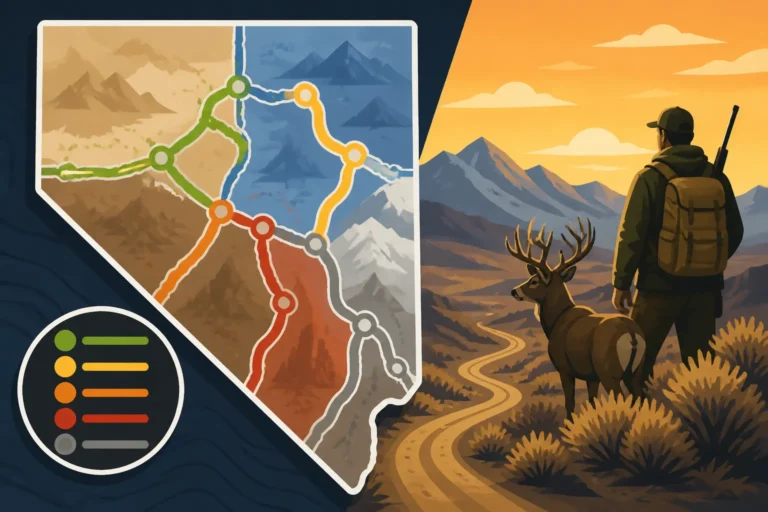
- Digital Mapping Apps: The absolute gold standard for navigating public land is a robust mapping app like onX Hunt. This app allows you to overlay different layers, critically showing public vs. private land boundaries, which is essential to avoid trespassing. You can see BLM, Forest Service, State, and private parcels at a glance, often color-coded. Beyond land ownership, onX Hunt also displays roads, trails, topo lines, water sources, and even historical wildfire data, all of which are invaluable for e-scouting. Using onX Layers for Nevada Public Land can literally make or break your hunt by clarifying what's accessible and legal. You can drop waypoints, mark potential game trails, and even track your movements in real-time, even without cell service, if you download maps before you leave home. This takes immense stress out of navigating unfamiliar territory and ensures you stay on the right side of the law.
- E-Scouting Platforms: Complementing your mapping app are e-scouting platforms and resources that provide deeper dive into specific units. Services like GoHunt offer detailed information on unit boundaries, draw odds, harvest statistics, and even historical weather patterns. They often incorporate satellite imagery and topographical data to help you identify potential glassing knobs, escape routes for game, and likely bedding areas, all from the comfort of your home. This is especially useful for Nevada, where units can be enormous and terrain incredibly varied. E-Scouting a Nevada Unit Before the Season is a critical step for anyone hoping to be successful on an unfamiliar hunt. By combining the data from these platforms, you can virtually "walk" the unit, understanding its nuances before you ever set a boot on the ground.
- Physical Maps: Even with the best digital tools, always carry a physical map (BLM surface management maps or USGS topo maps) and a compass. Batteries die, phones break, and technology can fail. A paper map doesn't need a signal or a charge and can be a lifesaver in a pinch.
Scouting and Accessing Remote BLM Areas
Once you've done your homework with mapping and e-scouting, the real work begins: boots on the ground. However, even getting to those remote corners of BLM land can be a challenge.
- Vehicle Preparation: Nevada's BLM roads can be brutal. They are often unmaintained, rocky, washboarded, or sandy. A reliable 4×4 vehicle with good ground clearance and sturdy tires is often a necessity. Carry spare tires, a jack, tools, and sufficient water and fuel. Vehicle Prep for Remote Nevada Roads is not just a suggestion, it's a requirement for safe travel. Distances between services can be vast, so being self-sufficient is key.
- Physical Scouting: While e-scouting is amazing, nothing beats seeing the terrain with your own eyes. Walk the ridges you plan to glass from, check the condition of potential access roads, look for fresh sign, and identify actual water sources. The small details you pick up during physical scouting, like finding a hidden game trail or realizing a "road" on the map is now a washed-out ravine, are invaluable. This helps you refine your hunting plan and adjust to real-world conditions.
- Communication in Remote Areas: Cell service is almost non-existent in many remote BLM units. Carry a satellite messenger or a satellite phone for emergency communication. This is not just for you, but for your hunting partners and family who need to know you're safe. These devices allow you to send texts or emergency signals even when miles from the nearest cell tower. Satellite Messenger Use in Remote Country is a growing safety standard.
- Water and Hydration: This can't be stressed enough in Nevada. Always carry more water than you think you'll need, especially during early season hunts. The dry air and physical exertion can lead to rapid dehydration. Factor in extra for unexpected delays or emergencies. Water You Must Carry on a Desert Day Hunt is a non-negotiable aspect of responsible planning.
By understanding that your hunting license and tag are your primary "permits" for BLM land, and by diligently adhering to land management rules and utilizing modern scouting and navigation tools, you can confidently and safely explore Nevada's incredible public hunting opportunities.
Disclaimer
This article is for general informational purposes only and does not constitute professional advice. Laws, prices and regulations vary by location and change over time. Consult a qualified professional for guidance on your specific situation.