Getting Into the Schell Creek Range
Hunting in Nevada can feel like stepping into a vast, untamed landscape, and getting into specific mountain ranges like the Schell Creek Range in eastern Nevada presents its own unique set of challenges. It's not just about drawing a coveted tag; it's about truly understanding how to navigate this remote, rugged country to even begin your hunt. This guide is dedicated to helping you unlock the secrets of accessing and successfully hunting the Schell Creek Range, from its sprawling public lands to its hidden pockets of game.
Understanding the Schell Creek Range: A Hunter's Overview
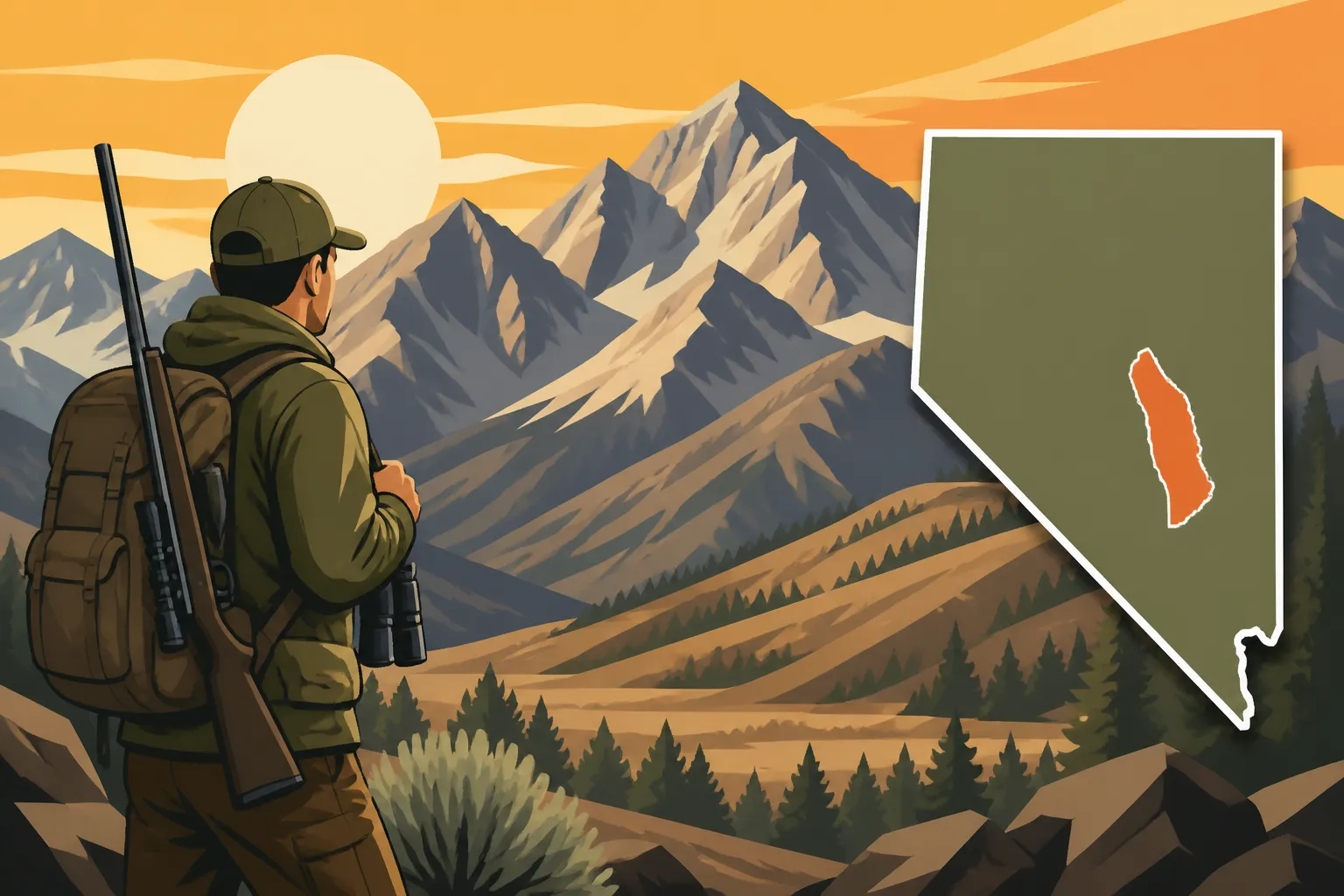
The Schell Creek Range is a formidable spine of mountains in eastern Nevada, part of the larger Basin and Range Province that defines so much of our state's wild character. For hunters, it offers a real taste of backcountry solitude and the chance at some incredible animals, but it certainly doesn't give up its secrets easily.
Geography and Terrain Challenges
Imagine towering peaks that often hold snow well into summer, deeply cut canyons, and vast, rolling sagebrush flats stretching out for miles at their bases. That's the Schell Creek Range in a nutshell. Elevations here can soar well over 10,000 feet, dropping down into arid valleys that hover around 6,000 feet. This dramatic elevation change means varied habitat, from pinyon-juniper forests lower down to aspens and even sparse pines higher up.
The terrain is consistently steep and often covered in broken volcanic rock or loose scree fields, especially on the upper slopes. If you're planning a hunt here, you need to be physically prepared for significant vertical gain and navigating uneven, unforgiving ground. This isn't flat-land hunting, folks. You'll be using your leg muscles and lungs, probably more than you expect. Plus, like much of Nevada, water sources can be few and far between, especially away from the highest elevations or developed guzzlers. Planning your water strategy is just as critical as your shot placement. This challenging landscape is a prime example of why Basin and Range Terrain Shapes Every Nevada Hunt.
Primary Game Species
When hunters talk about the Schell Creek Range, their thoughts almost immediately turn to two species: mule deer and elk.
Mule deer are the quintessential prize here. These mountains, with their diverse vegetation and rugged hiding spots, provide excellent habitat for big bucks. During the archery and muzzleloader seasons, deer are often still in their summer patterns, scattered across higher elevations. As rifle seasons progress into fall, especially late-season hunts, deer often begin migrating to lower, more accessible wintering grounds, though they can still be found high up depending on weather. Understanding these patterns is key to success.
Elk hunting in the Schell Creek Range is also highly sought after. Nevada's elk herds have grown tremendously over the years, and these mountains hold some impressive bulls. Elk will utilize both the thick timbered canyons for bedding and the open slopes for feeding, making them a challenge to locate and approach. Their distribution can vary widely based on forage, water, and hunting pressure. Nevada Elk Herds Grew From Nothing Into a Trophy Draw is a testament to the success of Nevada's wildlife management, and the Schell Creeks play a big part in that.
Less commonly, you might find bighorn sheep in certain areas of the range, but those tags are incredibly rare and usually require years of applying. For most hunters, it's all about the deer and elk.
Navigating Access: Roads, Trailheads, and Public Land
One of the biggest hurdles for any hunter planning a trip to the Schell Creek Range is simply getting in and understanding where you can and can't go. Nevada is overwhelmingly public land, but that doesn't mean it's all equally accessible, or even easily identifiable.
Key Roadways and Entry Points
The primary artery running along the western base of the Schell Creek Range is U.S. Highway 93. This highway provides access to various county and Forest Service roads that spiderweb into the mountains. On the eastern side, access is generally more limited, often requiring longer drives on less maintained roads coming off of smaller state routes or through private land.
Many of these interior roads are dirt or gravel, and their condition can vary drastically depending on recent weather, maintenance, and how much traffic they see. A high-clearance 4×4 vehicle is not just recommended, it's almost mandatory for truly exploring the deeper reaches of the Schell Creek Range. Always carry extra fuel, a spare tire (or two!), and recovery gear. Cell service is spotty at best, and often nonexistent, so a satellite communication device is a smart investment. Always check current road conditions with the local BLM or Forest Service office before heading out, especially after heavy rains or early snow.
Some of the more prominent access points might include roads leading towards Success Loop (a beautiful scenic drive that also gets you into higher elevations) or roads branching off towards specific drainages like Spring Valley. Each entry point offers a different experience and gets you into different types of terrain.
Public vs. Private Land
Like many Western ranges, the Schell Creek Mountains are primarily public land, managed by the Bureau of Land Management (BLM) and the U.S. Forest Service (USFS), particularly within the Humboldt-Toiyabe National Forest. This is fantastic news for hunters, as it means vast expanses are open to you. However, there are always pockets of private land, especially in the valleys and along some creek bottoms, that can create access issues or confusing boundaries.
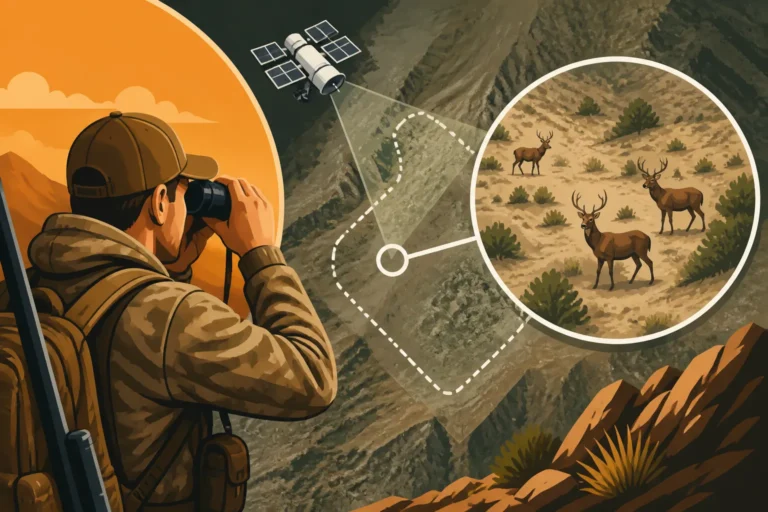
This is where modern technology becomes your best friend. Before you even set foot in the unit, an app like onX Hunt is indispensable. Load the maps onto your phone or GPS device, and use the land ownership layers to clearly differentiate public from private ground. You'd be amazed how often a promising looking two-track might suddenly dead-end at a private property boundary, or how a sliver of public land might be completely surrounded by private parcels, effectively landlocked. Reading a Land Ownership Layer Correctly can save you a lot of headache and potential trespassing issues.
Always respect private property, and if you're unsure, stay on clearly marked public access routes. Gaining permission from landowners can sometimes open up new hunting opportunities, but it's rarely guaranteed and requires respectful communication. Remember that BLM Ground Is Where Most Nevada Hunting Happens, but that doesn't mean it's a free-for-all everywhere.
Wilderness Considerations
Portions of the Schell Creek Range fall within designated Wilderness or Wilderness Study Areas (WSAs). These areas are managed to preserve their wild character, which means strict restrictions on motorized and mechanized travel. In these zones, you'll be limited to foot or horseback travel.
For hunters, this translates to true backcountry experiences, far from roads and vehicles. While the lack of vehicle access can make packing out an animal an enormous undertaking, it also means significantly less hunting pressure. If you're willing to put in the effort, these wilderness areas can offer some of the most rewarding hunts. Just be absolutely sure you understand the boundaries and regulations concerning motorized travel before you venture in. Violations in wilderness areas can carry hefty fines. Wilderness Study Areas and Vehicle Limits outlines these restrictions, which are crucial to follow.
| Access Type | Vehicle Requirement | Terrain Type | Game Pressure | Notes |
|---|---|---|---|---|
| Highway Adjacent | 2WD, High Clearance | Valley bottoms, lower slopes | Moderate-High | Quick access, but often more crowded. |
| Improved Dirt Roads | High Clearance 4×4 Recommended | Mid-slopes, major canyons | Moderate | Access to deeper areas, variable road conditions. |
| Primitive Two-Tracks | High Clearance 4×4 Essential | Remote mid-to-high slopes | Low-Moderate | Rough, washboarded, require careful driving. Often seasonal. |
| Wilderness/WSA | Foot/Horseback Only | High country, rugged canyons | Very Low | True backcountry, physically demanding. |
Strategies for a Successful Schell Creek Hunt
Hunting the Schell Creek Range demands a specific approach. This isn't timber hunting where you still-hunt through dense trees. It's an expansive, open country where patience and long-range observation are paramount.
Glassing is King
If you learn one thing about hunting in the Schell Creek Range, let it be this: you will spend most of your time behind optics. This is classic "spot and stalk" country. The vast, open nature of the terrain means that animals are often visible from great distances, but also that they can see you from far away too.
Find a high vantage point – a prominent ridge, a knob, or a saddle – that offers commanding views of several drainages, benches, and slopes. Set up your spotting scope and binoculars, and commit to long hours of patient glassing. Break the landscape into grids and systematically scan every shadow, every cluster of trees, and every rock outcropping. Animals, especially bedded deer or elk, can blend in perfectly. Look for subtle movements, horizontal lines that break up the vertical sagebrush, or a flicker of an antler.
High-quality optics are not a luxury; they are a necessity here. A good 10x or 12x binocular and a powerful spotting scope (20-60x or 25-75x) on a sturdy tripod will be your most important tools. Don't skimp on glass. It truly makes the difference between seeing game and walking right past it. I've had countless hunts where Glassing Nevada's Basin and Range for Mule Deer turned up animals I never would have found by simply walking. Understanding Optics Power for Nevada's Long Sightlines is absolutely critical here. Many hunters rely on resources like GoHunt to analyze draw odds for units like those in the Schell Creek Range, but once you have the tag, quality glass is what brings success.
Physical Demands and Preparation
As mentioned before, the Schell Creek Range is not for the faint of heart or the out of shape. The steep climbs, high altitudes, and vast distances demand a serious level of physical fitness. Long days of hiking up and down mountainsides, often at elevations where the air is noticeably thinner, will take a toll.
Start your physical conditioning well in advance of your hunt. Focus on cardiovascular endurance (hiking, running, stair climbing) and strength training, particularly for your legs and core. Practice hiking with a loaded pack, simulating the weight you'll carry with gear and potentially an animal quarter. Preparing Physically for Long Glassing Days is not just a suggestion; it's a requirement to maximize your enjoyment and chances of success.
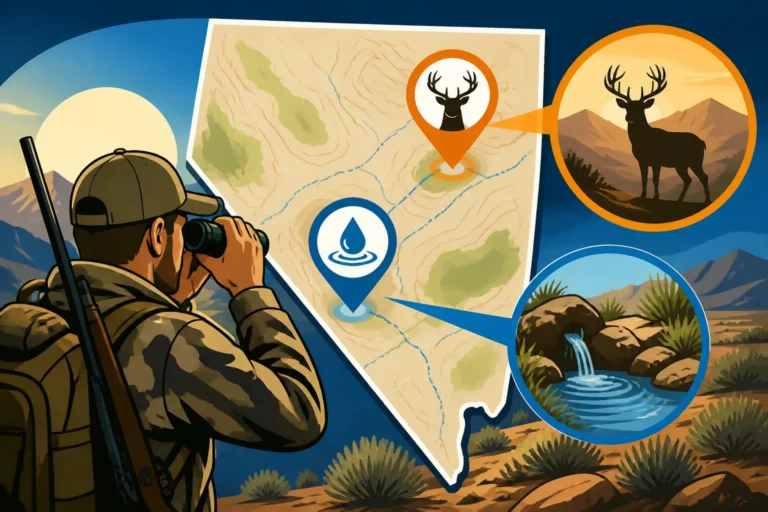
Hydration is another critical factor. Always carry more water than you think you'll need, and understand where potential water sources (springs, guzzlers) might be on your map. A reliable water filter or purification tablets are also smart additions to your pack. Dehydration can quickly turn a challenging hunt into a dangerous situation.
Seasonal Considerations
The time of year you draw your tag in the Schell Creek Range will significantly influence your hunting strategy.
- Early Archery (August): Expect hot days, cooler nights, and often dusty conditions. Animals will be in their summer patterns, frequently higher up, and often focused on water sources. This is a time for patience around water and long-distance glassing to find bachelor groups of bucks or bull elk. Nevada's August Archery Deer Window can be brutal but rewarding.
- Muzzleloader/Early Rifle (September/October): Temperatures become more pleasant, and the rut for elk often kicks off. This is a prime time for bugling and cow calling strategies for elk. Deer might still be higher but beginning to move more.
- Late Rifle (November/December): This is often when the biggest mule deer bucks are harvested as they move towards wintering grounds and begin their pre-rut or rut activity. Snow can be a factor, pushing animals to lower elevations but also making travel more difficult. Elk will have settled into post-rut feeding patterns.
Always study the specific hunt dates for your tag and research how deer and elk typically behave in that unit during that timeframe. Adjusting your tactics to the season is paramount.
Disclaimer
This article is for general informational purposes only and does not constitute professional advice. Laws, prices and regulations vary by location and change over time. Consult a qualified professional for guidance on your specific situation.