Hunting the Santa Rosa Range
Hunting the Santa Rosa Range in Nevada isn't for the faint of heart, or for those who prefer easy access and roadside comforts. This rugged, remote mountain range, tucked away in Humboldt County, presents unique challenges and incredible opportunities for the prepared hunter. If you've drawn a tag or are considering applying for this wild country, this guide is going to walk you through what to expect, how to prepare, and what it takes to find success in one of Nevada's true gems.
Unpacking the Santa Rosa Range: Terrain and Access Challenges
The Santa Rosa Range defines rugged. When you look at maps, the sheer scale might not sink in until you're actually there, feeling the steepness underfoot and seeing how far the next ridge stretches. Understanding this landscape is your first step to a successful hunt.
The Rugged Landscape and Its Impact on Hunters
The Santa Rosa Range is characterized by sharp peaks, deep canyons, and incredibly steep slopes that transition from high-elevation alpine pockets down into sagebrush-covered foothills. Elevations can climb quickly, often going from valley floors around 4,500 feet to peaks well over 9,000 feet. This dramatic elevation change means diverse vegetation, from aspens and mountain mahogany in the draws and north-facing slopes, providing excellent cover and forage, to vast expanses of sagebrush on the lower, drier slopes.
This vertical terrain dictates everything. Game animals, especially mule deer and elk, will use these elevation changes to their advantage, often bedding in the thick timber or rocky cliffs during the day and moving to more open feeding areas during dawn and dusk. For hunters, it means a lot of uphill climbing, demanding physical conditioning, and the right footwear. You'll be spending a lot of time glassing these vast, broken landscapes, trying to pick apart shadows and spot subtle movements. The sheer size of the country can be overwhelming, and it's easy to feel small and lost if you haven't prepared for the scale. The remoteness also means you're often many miles from the nearest paved road, let alone any services, so self-sufficiency is paramount.
Navigating Public and Private Lands
Like much of Nevada, the Santa Rosa Range is predominantly public land, managed by a mix of the Bureau of Land Management (BLM) and the Humboldt-Toiyabe National Forest at higher elevations. This is fantastic news for hunters, as it provides vast areas to roam without the constant worry of private property boundaries. However, "predominantly public" doesn't mean "entirely public." There are often private ranch inholdings, especially along the valley bottoms and near historical water sources. These private parcels can create access challenges or simply block off what looks like ideal public hunting ground.
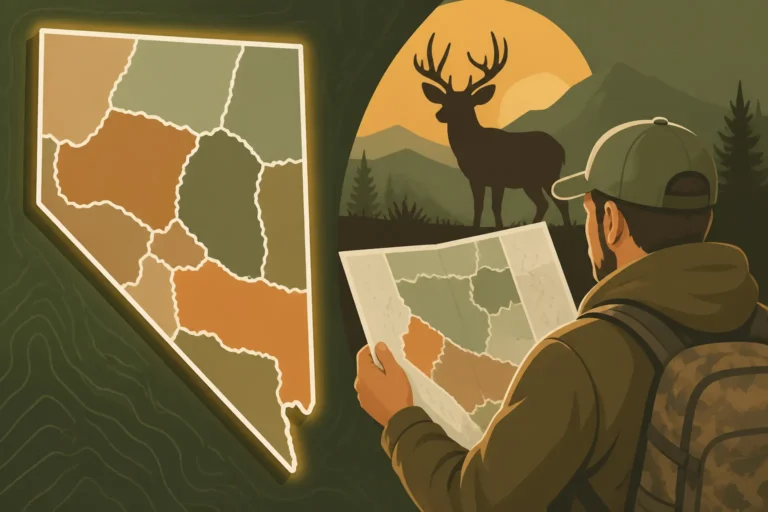
This is where a good mapping system becomes your best friend. Tools like onX Hunt are absolutely invaluable for clearly identifying public and private land boundaries in real-time on your phone or GPS. Before you even set foot on the range, you should be poring over these maps, identifying every potential access road, understanding where public land begins and ends, and noting any private tracts you need to avoid or consider for potential access requests. Knowing whether you're on National Forest or BLM land can sometimes affect specific regulations, so understanding the exact land manager is also important. Always assume any fenced-off land or developed areas are private unless proven otherwise. Having a solid understanding of Reading a Land Ownership Layer Correctly is crucial for avoiding frustrating encounters or accidental trespass.
Seasonal Access and Road Conditions
Access into and within the Santa Rosa Range is heavily influenced by the seasons and weather. During the late spring and early summer, many of the higher-elevation roads, particularly those maintained by the Forest Service or less-traveled BLM routes, will still be impassable due to snow. Even once the snow melts, rain can turn dirt roads into impassable mud bogs. Conversely, by late summer and fall, many roads can become dusty, washboarded, or scarred with ruts from previous heavy rains.
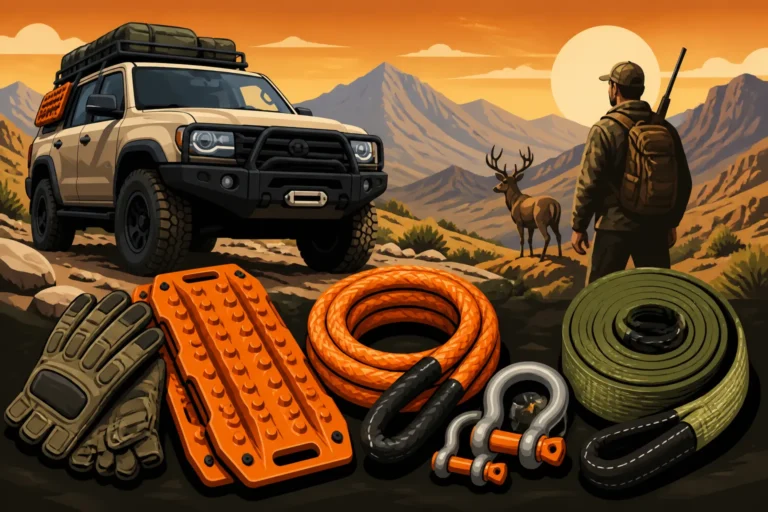
You absolutely need a high-clearance 4×4 vehicle to access much of the prime hunting country in the Santa Rosas. Don't expect passenger car access beyond the main paved highways that border the range. Even with a capable vehicle, be prepared for rough travel, potential flat tires, and the possibility of getting stuck. It's not uncommon for storms to roll through during hunting season, suddenly making roads impassable and stranding hunters. Always carry recovery gear – a shovel, traction boards, a winch, and a robust spare tire – and inform someone of your planned route and expected return. Check local Forest Service and BLM offices for current road conditions before heading out. Understanding Motorized Travel Rules on Nevada Public Land will also keep you on the right side of regulations, especially concerning off-road travel.
Game Species and Hunting Opportunities in the Santa Rosas
While Nevada offers a diverse array of game, specific ranges like the Santa Rosas tend to shine for certain species. Knowing what to target and what to expect from the local populations is key to planning your hunt.
Mule Deer: The Primary Draw
For many hunters, the Santa Rosa Range is synonymous with mule deer. The rugged terrain, mixed habitat, and vast stretches of public land provide excellent mule deer habitat, supporting a healthy population. While not every unit in the Santa Rosas will produce Boone and Crockett monsters, the range consistently offers opportunities for mature bucks for hunters willing to put in the effort. The deer here are mountain deer, adapted to steep country and often found at higher elevations among the aspens, mountain mahogany, and rocky outcrops. During early archery seasons, they might be higher up, utilizing cooler temperatures and thicker feed. As rifle seasons progress, especially into the later hunts, deer often begin to descend as the rut approaches or snow pushes them down into lower, more accessible forage.
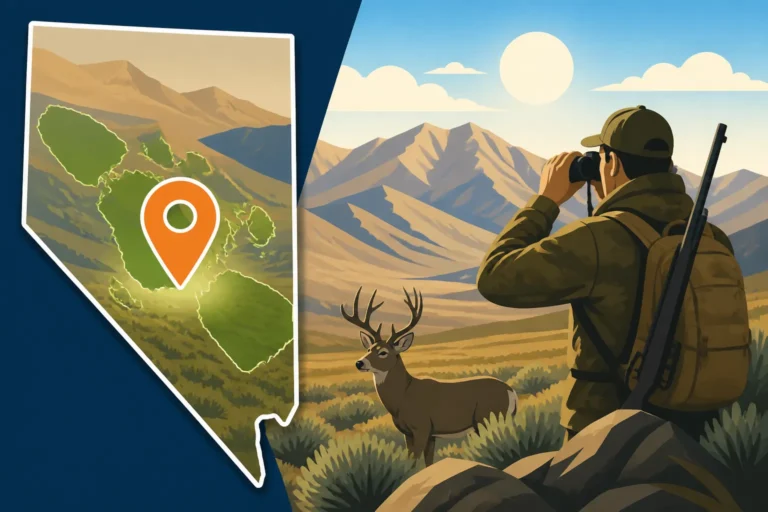
Hunting mule deer in the Santa Rosas demands patience and keen glassing skills. Expect to spend hours behind your binoculars or spotting scope, systematically picking apart distant slopes. The sheer scale means you'll spot more deer than you could ever stalk successfully, so learning to judge bucks at a distance and pick your battles is essential. When you do find a buck worth pursuing, the stalk itself can be brutal, involving navigating dense brush, crossing deep draws, and climbing steep, loose scree slopes. It's a true test of physical and mental endurance. For insights into mastering this skill, check out our guide on Glassing Nevada's Basin and Range for Mule Deer.
Elk and Other Big Game Potential
While mule deer are the stars, the Santa Rosa Range does hold a smaller population of elk, offering a very limited number of highly coveted tags. These elk tend to be even more elusive than the deer, often preferring the thickest, most inaccessible pockets of timber and high country. Drawing an elk tag here is a once-in-a-lifetime opportunity for most, and requires extensive pre-season scouting and an intimate understanding of the range. If you are fortunate enough to draw an elk tag, expect a physical hunt in rugged terrain, where encounters will likely be hard-earned.
Beyond deer and elk, the Santa Rosas also host mountain lions. These apex predators follow the deer and elk, and opportunities for a lion tag exist, often requiring the use of hounds in suitable conditions. Black bears have also expanded their range in Western Nevada, and while not a primary species for the Santa Rosas, it's always wise to be bear aware in any mountain environment. Bighorn sheep are generally not found in the Santa Rosa Range, with other ranges in Nevada holding the primary populations for these iconic animals.
Upland Birds: Chukar and Beyond
If you're a glutton for punishment and love a challenge, the Santa Rosa Range offers some exceptional upland bird hunting, particularly for chukar. These tenacious, red-legged rockets thrive on the steep, rocky slopes and broken terrain that defines much of the Santa Rosas. Chukar hunting here is not a casual stroll; it's a grueling, thigh-burning, lung-busting endeavor that will test your physical limits. You'll often find yourself climbing thousands of vertical feet in a day, scrambling over loose rock, and navigating thorny brush, all while trying to keep up with fast-flying birds.
However, the rewards are immense. The sheer numbers of birds, the stunning scenery, and the satisfaction of a hard-earned limit make it incredibly addictive. A good bird dog is almost a necessity for finding and retrieving downed birds in this challenging environment. For a deeper dive into what makes this such a unique experience, read our article on Chukar Country on Nevada's Steep Slopes. While chukar are king, you might also find opportunities for California quail in riparian areas or lower brushy draws, and possibly a few scattered coveys of Hungarian partridge in the northern reaches, though they are much less common than chukar.
Essential Strategies for Santa Rosa Success
Success in the Santa Rosa Range hinges on meticulous preparation and smart hunting strategies. This isn't a place where you can just show up and expect to fill your tag without serious effort.
Pre-Season Planning and E-Scouting
Before you even leave your couch, the work begins. Pre-season planning for a remote area like the Santa Rosas is non-negotiable. Start by thoroughly researching your unit's regulations, boundary specifics, and historical harvest data. Resources like GoHunt offer detailed draw odds, application strategies, and unit breakdowns that can be incredibly helpful for understanding the potential of your unit. Their filtering tools can help you narrow down areas based on public land percentage, historical success rates, and trophy potential.
E-scouting is also critical. Utilize satellite imagery, topographic maps, and land ownership layers on platforms like onX Hunt. Look for key features:
- Water sources: Springs, seeps, guzzlers, and stock ponds are magnets for game in this arid environment. Knowing their locations can help you predict game movement.
- North-facing slopes and thick cover: These areas often provide cooler bedding sites and security for deer and elk, especially during warmer early seasons.
- Basins and benches: These topographical features can funnel game, offer good glassing vantage points, or serve as natural travel corridors.
- Roads and trails: Identify every possible access point, but also mark areas that appear roadless, as these often hold less pressured animals.
- Escape routes: Consider how game will move when pressured, identifying areas where they might seek refuge.
This virtual reconnaissance will save you countless hours and miles once you're on the ground. It helps you prioritize areas for boots-on-the-ground scouting or focus your efforts during the actual hunt. Dive deeper into this process with our guide, E-Scouting a Nevada Unit Before the Season.
On-the-Ground Tactics and Gear Considerations
Once you're in the field, your tactics need to match the terrain. Glassing is paramount. Find a high vantage point, settle in comfortably, and systematically break down the landscape with your optics. Spend more time looking and less time walking, especially in this expansive country. Use quality binoculars (10x-15x) and a powerful spotting scope (20x-60x) on a sturdy tripod. Remember that "still hunting" is more about sitting still and observing than constantly moving through the woods.
Physical conditioning cannot be overstated. You'll be climbing, descending, and hiking across uneven terrain for hours on end, often at elevation. Start a rigorous training regimen well before your hunt. Footwear is another critical component: invest in high-quality, broken-in mountain boots with excellent ankle support and stiff soles to protect against sharp volcanic rock and provide traction on loose slopes. Layered clothing is also essential due to the dramatic temperature swings common in Nevada's mountains; mornings can be freezing, while midday can be scorching hot, even in the fall.
Water management is critical. The Santa Rosas are dry, and natural water sources, though present, can be few and far between, or unreliable. Carry more water than you think you'll need, and always know the location of the nearest reliable water source. Our guide on Water You Must Carry on a Desert Day Hunt offers excellent advice on this front.
Understanding Hunt Unit Specifics
Every Nevada hunt unit has its own character, and the Santa Rosas, depending on the specific unit or unit group you've drawn, will present its own nuances. It's not enough to simply know you're hunting in the Santa Rosas; you need to understand the specifics of your chosen unit. This includes:
- Exact boundaries: Double-check these against official NDOW maps and your mapping apps.
- Specific season dates: Archery, muzzleloader, and rifle seasons will have different timing and regulations.
- Weapon restrictions: Some units or areas might have specific rules about what firearms or bows are permitted.
- Access limitations: Are there wilderness areas, Wilderness Study Areas (WSAs), or other restricted zones within your unit that limit motorized access?
- Any special regulations: Are there antler point restrictions, specific tagging requirements, or unique rules about retrieval?
Always download and thoroughly read the official Nevada Big Game Seasons and Regulations document. This is your bible for the hunt. If something is unclear, contact the Nevada Department of Wildlife (NDOW) directly. Getting this right is fundamental to avoiding violations and ensuring a legal hunt. For general guidance on deciphering these crucial documents, check out Reading a Nevada Hunt Unit Before You Apply.
| Species | Primary Habitat | Key Challenges | Recommended Approach |
|---|---|---|---|
| Mule Deer | High-elevation aspens, mahogany, rocky slopes | Steep terrain, vastness, identifying mature bucks | Extensive glassing, patient stalks, physical fitness |
| Elk | Dense timber, remote high country | Very low tag numbers, extreme elusiveness | Deep scouting, calling (if legal), extreme fitness |
| Chukar | Steep, rocky, brushy slopes | Extreme physical demand, fast-flying birds | Good bird dog, sturdy boots, hydration, persistence |
Managing Logistics in Remote Country
Hunting in remote areas like the Santa Rosa Range isn't just about finding game; it's about successfully managing all the logistical challenges that come with being far from civilization.
Camping and Campfire Regulations
Dispersed camping is generally allowed on much of the BLM and National Forest land in the Santa Rosas, which is great for flexibility. However, it's not a free-for-all. Understand the rules:
- Time limits: There are often limits on how long you can camp in one spot (e.g., 14 days).
- Leave No Trace: Pack out everything you pack in, including human waste in some sensitive areas. Burying waste properly is essential.
- Distance from water: Respect minimum distances from water sources.
- Campfire restrictions: These are critical in Nevada's dry climate. Fire restrictions are common, especially in late summer and fall. Always check current restrictions before starting a fire. A small propane fire pit might be allowed when open fires are banned. Even if fires are allowed, never leave a fire unattended and ensure it's dead out before you leave. Our article on Camping Rules on Nevada BLM Ground provides more context.
Choose your campsite wisely: look for sheltered areas, but avoid dead-end canyons in case of flash floods. Consider proximity to roads for convenience, but also try to minimize your impact on wildlife.
Emergency Preparedness and Communication
Cell service in the Santa Rosa Range is virtually non-existent outside of a few very specific, high vantage points. Do not rely on your cell phone for navigation or communication. You absolutely need a satellite communication device – a satellite phone, a satellite messenger like a Garmin InReach or a Zoleo. These devices allow you to send and receive messages, access weather forecasts, and, most importantly, send an SOS in an emergency.
Beyond communication, a comprehensive first-aid kit is essential. You're hours from definitive medical care, so you need to be prepared to handle injuries, from minor cuts and scrapes to more serious trauma. Training in wilderness first aid is highly recommended. Always carry extra water, food, and warm clothing, even for day hunts, as weather can change rapidly, and a simple vehicle breakdown or getting turned around can quickly turn into an unexpected overnight stay. A robust vehicle recovery kit (tire repair, air compressor, jump starter, shovel, tow strap) is non-negotiable for the rough roads. Discussing your hunt plan with a trusted person at home, including your exact route and expected return, is a non-electronic but vital safety measure.
Post-Harvest Care in the Field
If you're successful, the real work often begins. Properly field dressing and caring for your animal, especially in warmer conditions, is critical to ensuring quality meat. Temperatures in the Santa Rosas can still be warm during early archery and rifle seasons, making quick cooling of the carcass a priority. Get the hide off, remove all internal organs, and split the brisket to expose the body cavity to air as quickly as possible. Many hunters bone out their animal in the field to reduce weight and facilitate cooling.
Have plenty of game bags ready – breathable cloth bags, not plastic. These protect the meat from flies and dirt while allowing it to cool. Plan how you'll get the meat off the mountain; a good backpack frame is essential for packing out quarters. If you're several miles from your vehicle, you'll need to work quickly. Having coolers and ice ready at your truck or camp is crucial for the final cooling phase. Review our tips on Getting Meat Cooled on an Early Season Hunt to ensure your hard-earned harvest doesn't spoil. Don't forget to tag your animal immediately and understand Nevada's evidence of sex requirements for transport.
This article is for general informational purposes only and does not constitute professional advice. Laws, prices and regulations vary by location and change over time. Consult a qualified professional for guidance on your specific situation.