How BLM Nevada Issues Joint Permits
Hunting in Nevada offers some incredible experiences, but for those providing guiding services, the administrative hurdles can feel like trying to stalk a wary mule deer across an open basin. Many aspiring guides, and even seasoned ones, find themselves scratching their heads when it comes to navigating the unique permit requirements for operating on the vast expanses of federal public land here. This guide will walk you through the specifics of how the Bureau of Land Management (BLM) in Nevada issues its joint permits, shedding light on a process that’s crucial for any professional outfitter.
The Complex Web of Nevada Guiding Licenses and Permits
Nevada, with its enormous tracts of public land managed by agencies like the BLM and U.S. Forest Service, presents a unique situation for hunting guides. It's not as simple as getting a state license and hanging out your shingle. The land you operate on dictates additional layers of authorization, and understanding this from the outset can save a world of headaches.
Why State Licenses Aren't Enough
First and foremost, any individual or business aiming to guide hunters in Nevada must secure a license from the Nevada Department of Wildlife (NDOW). This state-level certification ensures a guide meets certain standards for experience, insurance, and ethical conduct. NDOW performs background checks, verifies hunting proficiency, and confirms that the guide carries adequate liability insurance to protect both themselves and their clients. It's a critical first step, establishing credibility and ensuring a baseline level of professionalism in the field. Without it, you’re not even in the game. How NDOW Licenses Hunting Guides
However, the vast majority of Nevada's prime hunting opportunities, from chasing mule deer in the high country to calling in elk in the remote northern ranges, take place on land owned by the federal government. This includes extensive acreage managed by the BLM, which accounts for a huge portion of the state. Just because NDOW says you're good to go doesn't automatically grant you permission to conduct commercial operations on these federal lands. Federal agencies have their own set of rules and regulations designed to manage public resources, protect wildlife, and ensure fair use by all citizens. This often leaves guides feeling caught between two bureaucratic systems, each with its own demands and timelines.
What a "Joint Permit" Actually Means
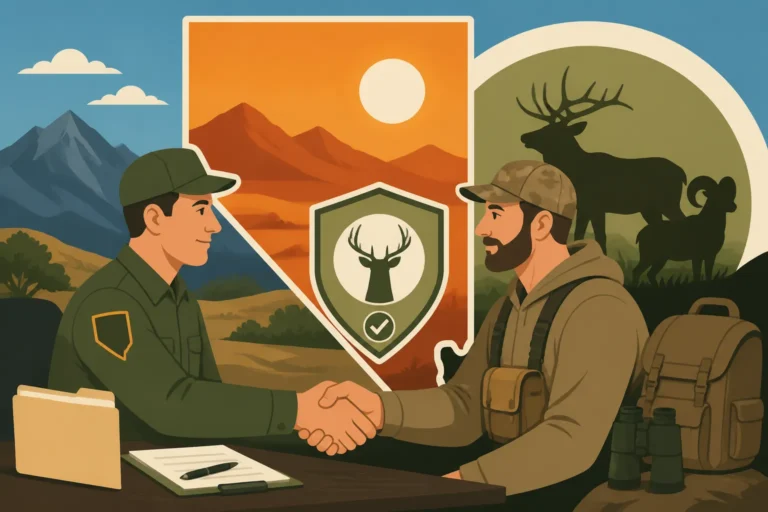
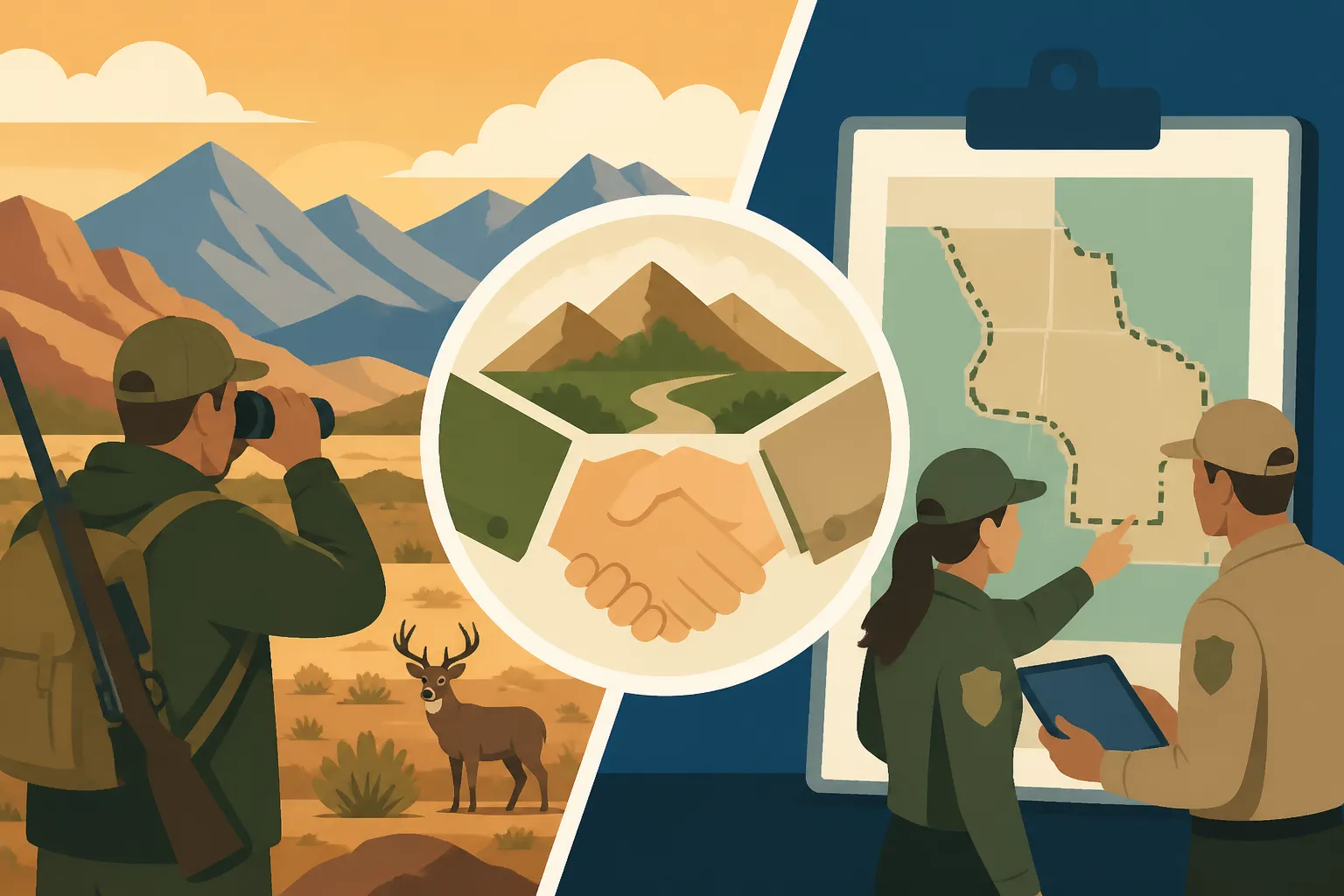
This is where the concept of a "joint permit" steps in, aiming to bridge the gap between state and federal requirements. A joint permit, in the context of Nevada guiding, essentially represents a streamlined agreement or coordinated effort between NDOW and the relevant federal land management agency—most commonly the BLM—to authorize a guide's operations. Instead of a guide having to navigate two completely separate, often overlapping, application processes, the joint permit system seeks to consolidate or at least coordinate the approval.
The primary purpose of this joint system is to simplify the administrative burden for licensed guides while still allowing federal agencies to maintain oversight of commercial activities on their lands. It acknowledges that a guide has already been vetted by the state for their hunting expertise and business legitimacy, and then adds the necessary federal layer to ensure compliance with public land use policies. For hunters, this translates to greater assurance that the guide they hire is operating legally and responsibly on the lands they're hunting, minimizing potential disruptions or ethical concerns during what should be an exciting outdoor adventure.
Navigating the BLM Joint Permit Application Process in Nevada
Securing a joint permit from the BLM in Nevada involves a structured process that builds upon a guide's initial state licensure. It's not something you can rush, and it requires careful attention to detail and good communication with the agencies involved.
Initial State Requirements for Guides
Before the BLM will even look at an application, a guide must have their Nevada Department of Wildlife Outfitter/Guide license firmly in hand. This foundational license is proof that the guide has met the state's minimum qualifications, which include demonstrating sufficient experience in the field, carrying appropriate insurance coverage, and passing any required examinations or background checks. It’s the state’s stamp of approval on a guide’s competency and reliability. Think of it as earning your hunting stripes at the state level before you even consider stepping onto federal ground with clients.
NDOW also plays a vital role in verifying a guide's operational plan and ensuring they have a clean record—meaning no significant violations of hunting regulations or other legal issues. This initial vetting is comprehensive, aiming to weed out any individuals who might pose a risk to hunters or to the state's wildlife resources. Without this crucial first step completed, a guide cannot move forward with the federal land use authorization process. It’s an absolute prerequisite, so anyone looking to become a Nevada guide should make this their top priority.
The Role of BLM District Offices
Once a guide is fully licensed by NDOW, the federal permit process begins, and this is where the specific BLM district offices come into play. Nevada's vast BLM acreage is divided into several administrative districts, each responsible for managing the public lands within its jurisdiction. A guide seeking to operate on BLM land must apply for a Special Recreation Permit (SRP) or similar commercial use authorization from the specific BLM field office(s) that manage the hunt units where they intend to guide. For instance, a guide working the remote Ruby Mountains for elk might deal with the Elko Field Office, while someone guiding antelope in southern Nevada would interact with the Las Vegas Field Office. BLM Acreage Across Nevada
The challenge here is that Nevada is a huge state, and a guide might plan to operate in areas that span multiple BLM districts, each with its own staff and potentially slightly different local procedures. This means a single guide could need permits from the Winnemucca, Ely, Battle Mountain, or Carson City District Offices, depending on their chosen hunting grounds. It's not a one-size-fits-all permit. Each office evaluates proposed operations based on local resource management plans, existing commercial use, and environmental considerations. Guides often need to clearly delineate their proposed operating areas, including specific hunt units and access points, to the relevant BLM office. Understanding Which District Office a Master Guide Applies To is key here.
The Joint Permit Application and Review
The process for a joint permit often begins with the guide submitting their commercial use application through NDOW, which then facilitates coordination with the BLM. Alternatively, guides may submit applications directly to the relevant BLM field office, but NDOW's involvement is always critical because the federal permit is contingent on the state license. The application typically requires a detailed operating plan, outlining the types of hunts offered, the units and dates of operation, the number of clients, proposed camping locations, vehicle use, and waste management plans. The BLM scrutinizes this plan to ensure it aligns with federal land use regulations and minimizes impact on natural resources and other public land users.
BLM staff will review the application for compliance with environmental laws, ensure no conflicts with other permitted activities, and verify that the guide has the proper insurance and safety protocols in place. This includes assessing potential impacts on wildlife habitat, cultural resources, and recreational opportunities. The agency might also consult with tribal governments or other stakeholders. The timeline for approval can vary significantly depending on the complexity of the proposed operation, the season, and the workload of the specific BLM office. Guides often report that this stage requires patience and clear communication, as there can be back-and-forth questions and requests for additional information before final approval is granted.
Benefits and Responsibilities of Joint Permitting
The joint permit system, while adding a layer of bureaucracy, ultimately provides significant benefits for both guides and their clients, fostering a more responsible and transparent hunting industry on Nevada’s public lands.
Streamlined Operations for Guides
One of the most immediate benefits of the joint permit system, despite its initial complexity, is the long-term streamlining of operations for guides. Once a guide navigates the combined state and federal approval process, they have a clear understanding of where, when, and how they can legally operate. This reduces the constant worry of inadvertently trespassing or violating federal land use regulations, allowing them to focus on what they do best: guiding successful hunts. It effectively consolidates much of the regulatory burden, making it easier for them to plan trips and manage their business without getting bogged down in redundant paperwork or approvals.
For hunters searching for a reputable outfitter, this means that guides listed on platforms like BookYourHunt or those they find through personal recommendations have, ideally, jumped through these hoops. Hunters can have greater confidence that the guides they are considering are operating above board, rather than taking shortcuts that could jeopardize their hunt or the public lands they cherish. A properly permitted guide signifies a professional who respects both the regulations and the land, which translates to a smoother, more ethical hunting experience for everyone involved.
Ensuring Accountability and Ethical Practices
The joint permit system serves as a powerful mechanism for ensuring accountability within the guiding community. By requiring both state and federal oversight, it holds guides to a higher standard of ethical and responsible conduct. If a guide were to operate without these necessary permits, they would not only be breaking the law but also undermining the integrity of the profession. This multi-layered approval process means that guides must adhere to a broader set of rules, protecting everything from proper game handling to minimizing environmental impact. Hunting Water in Nevada's Driest Country requires particular care to avoid disturbing fragile habitats.
This accountability extends to conservation. BLM permits often come with specific stipulations regarding resource protection, waste disposal, and minimizing disturbance to sensitive areas. These conditions are not just suggestions; they are enforceable terms of the permit. Hunters can rest assured that guides operating under a joint permit are generally more committed to sustainable practices and are less likely to engage in activities that could harm Nevada's precious wildlife populations or pristine landscapes. If issues arise, there are clear channels for redress, reinforcing trust in the guiding service. Filing a Complaint About a Nevada Guide provides a route for reporting concerns.
Hunter Confidence and Experience
For the hunter, especially those coming from out of state or new to Nevada's unique landscape, hiring a guide with a joint permit brings a significant boost in confidence. Knowing your guide has successfully navigated the intricate web of state and federal regulations means you're less likely to encounter unexpected legal issues, such as operating in unauthorized areas or facing fines. It’s peace of mind that allows you to fully immerse yourself in the hunt, rather than worrying about the legality of your guide’s operations.
Furthermore, a guide who takes the time and effort to secure all necessary permits is typically one who is invested in their business and committed to providing a high-quality, legitimate experience. These guides often have a deeper understanding of the specific units they operate in, including local access points, wildlife patterns, and any unique federal land regulations, enhancing your chances of a successful hunt. Services like GoHunt, which often detail hunt units and regulations, can also be a valuable resource for understanding the areas where these permits apply, helping hunters vet potential guides and their claimed operating zones. This commitment to legality and detail is a strong indicator of a guide’s overall professionalism and dedication to their clients.
What Hunters Should Ask About Permits
As a hunter, being proactive about understanding your guide's permit status is a smart move. It's not about being nosy; it's about protecting your investment and ensuring a legal, ethical hunt.
Confirming Your Guide's Permit Status
Before you commit to a hunt, it is perfectly reasonable, and indeed advisable, to directly ask your prospective guide about their licenses and permits. You should specifically inquire about their Nevada Department of Wildlife (NDOW) Outfitter/Guide license number. This can usually be verified through NDOW's official channels, often online or by calling their main office. But beyond the state license, you absolutely need to ask about their federal land permits, particularly from the BLM. If your hunt is planned for public land, they must have a permit from the specific BLM district office that manages that land.
Don't be shy about asking for details. A reputable guide will be transparent and proud of their compliance. Ask them to name the specific BLM district office(s) from which they hold permits and, if possible, the permit number itself. This is especially crucial if you're targeting a remote unit that might fall under a less common jurisdiction. Any hesitation or vagueness on their part should be a red flag. Your hunting experience is a significant investment of time and money, and ensuring your guide is fully legal and authorized is a fundamental part of a responsible hunting plan. Proving Your Certification Out in the Field is something guides should be prepared for.
Understanding Unit-Specific Limitations
Beyond simply possessing a permit, it's also important to understand that federal land permits often come with specific conditions or limitations tied to particular hunt units or areas. These might include restrictions on the number of clients a guide can take into a certain area, specific dates of operation, designated camping locations, or limitations on vehicle use. For example, some wilderness study areas or critical wildlife habitats might have tighter restrictions on motorized travel or even require non-motorized access. Wilderness Study Area Vehicle Limits are common and strictly enforced.
Your guide should be intimately familiar with these unit-specific limitations and be able to articulate how they will operate within those boundaries. This information helps you, as the hunter, to set realistic expectations for your hunt. For instance, if you're hoping for a drive-up camp but the unit requires a backcountry pack-in, knowing this upfront is vital. Always cross-reference your guide's proposed operating area with maps that clearly delineate federal land boundaries and any special use designations. Reading a Nevada Unit Boundary on a detailed map can highlight these crucial distinctions, ensuring your guide's plan aligns with the actual rules of the land.
Guide to BLM Joint Permit Elements
Here's a breakdown of the key elements involved in the BLM joint permit process for hunting guides in Nevada:
| Element | Description | Key Agency Involved | Hunter Relevance |
|---|---|---|---|
| NDOW Outfitter/Guide License | Mandatory state license for all commercial guiding operations. | NDOW | Verifies guide's baseline qualifications & ethics. |
| BLM Special Recreation Permit | Federal permit required for commercial use of BLM lands. | BLM Field Office | Ensures legal operation on federal public lands. |
| Operating Plan | Detailed proposal of guide activities, locations, dates, and client numbers. | NDOW & BLM | Outlines the scope of the hunt and environmental plan. |
| Insurance Coverage | Proof of adequate liability insurance for guide and clients. | NDOW & BLM | Protects clients in case of accidents or incidents. |
| Environmental Review | Assessment of potential impacts on natural resources and wildlife. | BLM | Minimizes damage to habitat and ensures sustainable use. |
| Local BLM Office Approval | Permits issued by specific BLM offices based on hunt unit locations. | BLM Field Office | Confirms guide's authorization for specific areas. |
| Compliance & Reporting | Adherence to permit conditions and post-hunt reporting requirements. | NDOW & BLM | Ensures ongoing accountability and resource management. |
Disclaimer
This article is for general informational purposes only and does not constitute professional advice. Laws, prices and regulations vary by location and change over time. Consult a qualified professional for guidance on your specific situation.