How Rainfall Drives Chukar Numbers
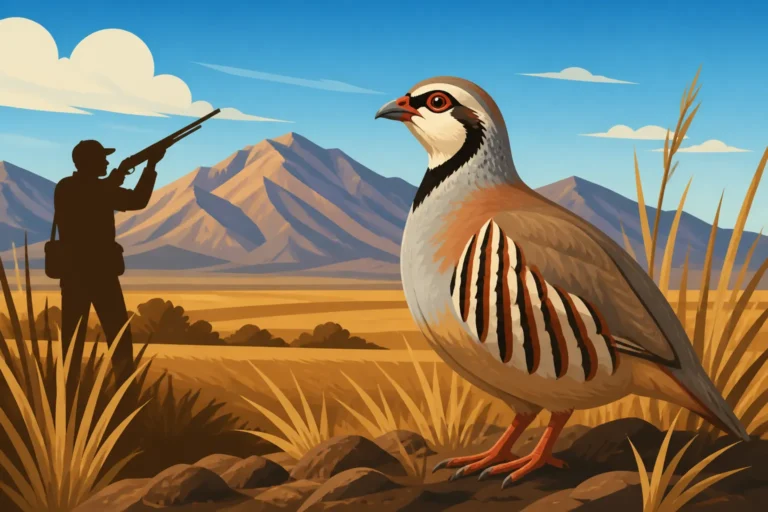
If you've ever chased chukar across Nevada's incredibly steep, broken country, you know the feeling of elation when you find birds and the crushing disappointment when you don't. One of the biggest mysteries, and often the source of a lot of frustration for hunters, is why chukar numbers seem to swing so wildly from year to year. This isn't just random luck; it’s deeply connected to the most precious resource in the desert: rainfall. Understanding this connection is absolutely crucial for any chukar hunter hoping to improve their odds, predict decent years, and find those elusive coveys.
The Boom and Bust: How Rain Creates or Breaks Chukar Seasons
Nevada's landscape is defined by its aridity, and for a species like the chukar, the amount and timing of rainfall are literally life or death. We often talk about "boom and bust" cycles in western wildlife, and for chukar, this couldn't be more true. A few inches of rain, or a lack thereof, can mean the difference between seeing healthy, numerous coveys or walking miles without flushing a single bird. It’s a dynamic that keeps us on our toes and constantly checking weather patterns leading up to the season.
The Critical Role of Spring and Early Summer Moisture
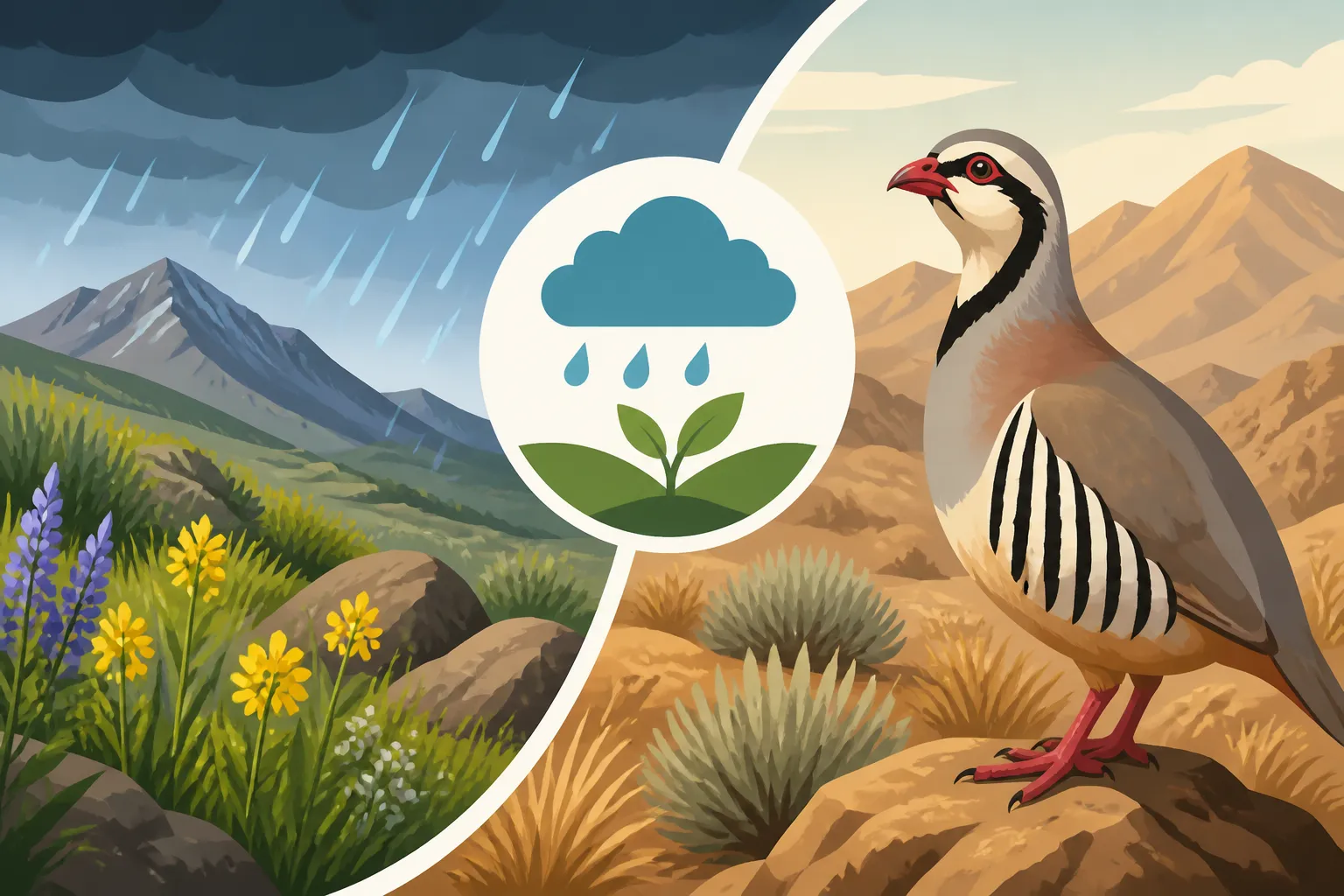
For chukar, it's not just if it rains, but when it rains that makes all the difference. The late spring and early summer periods are absolutely critical. This is when chukar hens are nesting and when the newly hatched chicks are at their most vulnerable. Ample, gentle spring rains mean a couple of things that are fantastic for chukar. First, it leads to a flush of green vegetation – think of those tender annual grasses and forbs popping up on the hillsides. This new growth provides vital insects, which are a primary food source for growing chicks. Without enough insects, chick survival plummets. Second, consistent moisture means more available surface water, reducing the stress on adult birds and providing necessary hydration for young birds that haven't yet developed the full ability to travel far for water.
Imagine a spring with consistent, light showers. The cheatgrass (which, despite its problems, is a chukar food source when green) and other annuals sprout, drawing in insects. Hens have plenty of cover for their nests, and chicks emerge into a world rich with food and hydration. These are the years when you hear stories of hunters flushing dozens of coveys, the birds seemingly everywhere. Conversely, a bone-dry spring, with scorching temperatures arriving too early, means very little green feed, few insects, and stressed adult birds. Chicks born into such conditions face an uphill battle, and many simply won't survive. This is where you end up hiking your legs off, questioning every decision you made, and finding very few birds.
The Impact of Prolonged Drought on Chukar Habitat
Beyond the immediate impact on chick survival, prolonged drought conditions wear down the entire chukar population over several years. Nevada, being the driest state, is no stranger to extended dry spells, and these periods take a heavy toll. When droughts stretch on, the overall health of the habitat declines. Perennial grasses struggle, shrubs become less vigorous, and the seed production that chukar rely on through the fall and winter diminishes. The birds that do survive dry years are often in poorer condition, which can affect their reproductive success in subsequent seasons.
Think about it: during a severe drought, even if a late summer storm brings a little green-up, the foundation of the ecosystem is weakened. The hardy cheatgrass can still pop up, but the diverse plant life that offers different food sources and cover often struggles. This long-term habitat degradation makes it harder for chukar populations to rebound quickly, even when a good rain year finally arrives. It's not an instant fix; it takes a few good years for the range to really recover, and for chukar numbers to reflect that recovery. Many of us have seen the effects firsthand, walking through country that looks prime but is strangely quiet. Tools like GoHunt can be invaluable here, allowing you to cross-reference long-term weather data with harvest reports from previous seasons to get a feel for how specific units have fared.
Understanding the Life Cycle: Why Moisture Matters to Chukar Chicks
It's easy to think of chukar as these tough, desert birds that can go without water, and to a degree, they can. They get a lot of their moisture from the plants they eat. However, the critical link between rainfall and chukar numbers isn't just about adults having a drink; it's profoundly about the survival of their young. When we talk about how How Rainfall Drives Chukar Numbers, it primarily funnels down to whether those tiny chukar chicks make it past their first few weeks of life.
Chick Survival and Insect Abundance
Newly hatched chukar chicks, like many upland game birds, are primarily insectivores. They need a high-protein diet of bugs to grow rapidly. Where do these insects thrive? In environments with plenty of green vegetation and available moisture. A wet spring means succulent plants, which in turn support a booming insect population. Grasshoppers, beetles, spiders – these are the fuel for rapidly growing chukar chicks. Without these protein-rich snacks, chicks simply don't have the energy to develop properly, evade predators, or withstand the harsh desert elements.
Consider two hypothetical springs:
- Spring A (Wet): Consistent, gentle rains from March through May. Hillsides are emerald green with cheatgrass and wildflowers. You see clouds of gnats and grasshoppers jumping everywhere. Chukar hens find abundant nesting cover and their broods hatch into a larder full of insects. These chicks grow strong and fast, with high survival rates. This is the recipe for a "boom" year Where to Find Chukar in Nevada becomes less about scarcity and more about sheer numbers.
- Spring B (Dry): A few early sprinkles, then hot, dry winds by April. The hills quickly turn brown, and the ground is parched. Insects are scarce, and any green shoots quickly wither. Chukar hens are stressed, and if their nests hatch, the chicks struggle to find enough food. Mortality rates are high, leading to a "bust" year.
The difference isn't just a slight adjustment; it's often a complete transformation in productivity. This is why knowing the spring weather history for your preferred units is such a valuable scouting tool.
Water Sources and Dispersal Patterns
While adult chukar can be incredibly resourceful in finding moisture, particularly from morning dew and succulent vegetation, easy access to water is still vital, especially for broods. During wet years, water is more abundant and widely distributed across the landscape. Seasonal springs flow longer, and potholes might hold water for weeks. This allows chukar coveys to disperse more widely, utilizing a larger range of habitat. They aren't tied to a few reliable water sources. This can make them harder to locate, but it also means less competition for resources and potentially healthier birds overall.
Conversely, in dry years, water becomes the ultimate limiter. Chukar, like all desert creatures, are drawn to reliable water. Guzzlers, perennial springs, and rivers become magnets. This can concentrate birds, making them easier to pattern if you know Hunting Water in Nevada's Driest Country. However, this concentration also means increased pressure from predators and hunters, as well as a higher risk of disease spread within coveys. You might find more birds in specific areas, but the overall population across the unit is likely lower. Understanding these patterns is key to adapting your strategy; sometimes a dry year can be productive if you know exactly where to look. Checking for historical Water Development and Hunting Ethics in your unit can sometimes give you a leg up.
Drought's Double-Edged Sword: Concentration vs. Decline
Drought years in Nevada present a unique paradox for chukar hunters. On one hand, the overall population might be lower due to poor chick survival. On the other, the birds that do survive often become incredibly concentrated around the few remaining reliable water sources. This can be both a challenge and an opportunity, requiring a different approach than during a banner year.
How Dry Conditions Concentrate Birds
When the landscape parches, chukar don't disappear into thin air. They gravitate towards areas where their basic needs can still be met. This means focusing on permanent water sources – established guzzlers, reliable springs, and river drainages that maintain some flow. The birds will often roost and feed in the steep, rocky terrain nearby, making short flights down to drink when necessary. This behavior is instinctual and driven by survival.
For the hunter, this concentration can be a blessing in disguise. Instead of wandering aimlessly across vast stretches of barren ground, you can focus your efforts on these critical areas. E-scouting becomes incredibly important here. Using mapping tools, you can identify potential guzzlers, springs, and green-up zones long before you lace up your boots. You're looking for the subtle hints of moisture, the north-facing slopes that hold dew longer, or the convergence of canyons that might funnel any runoff to a pocket of water. A mention of GoHunt here for its mapping overlays and historical data becomes practical for identifying these specific features. However, remember that these areas will also likely see increased hunting pressure, so early mornings and strategic approaches are key.
The Challenge of Finding Dispersed Birds in Wet Years
Conversely, in exceptionally wet years, chukar populations can boom, leading to high densities. But these birds are often far more dispersed. With abundant green forage and numerous temporary water sources scattered across the landscape, they don't need to congregate around guzzlers. They're fat and happy, spread out across a wider range, and often hold tight in the thick cover of well-fed cheatgrass and other vegetation.
This dispersal, while a sign of a healthy population, can make them incredibly challenging to find. Your traditional "sit a water hole" strategy might be far less effective. Instead, you'll need to cover more ground, focusing on likely thermal cover, sunny slopes in the morning, and shady spots in the afternoon. Walking out those massive volcanic rock slides and up and down endless drainages becomes even more critical. It’s physically demanding, and Why Chukar Hunting Is So Physically Hard is no understatement. These are the years where preparation, both physical and mental, really pays off. You might not find a huge covey every time, but you'll likely encounter smaller groups scattered across larger areas.
Scouting for Success: Adapting Your Hunt to Precipitation Patterns
Ultimately, understanding the link between rainfall and chukar numbers means you can adapt your hunting strategy for a more successful season. Blindly heading to the same spot year after year, regardless of the weather, is a recipe for disappointment in the dynamic world of Nevada chukar. The best hunters are those who treat each season as unique, starting their planning long before opening day.
Using E-Scouting and Local Knowledge
Modern e-scouting tools are your best friend when trying to interpret how rainfall has affected chukar in specific units. Before you ever hit the dirt, you can pull up satellite imagery and historical weather data. Look for areas that received more precipitation, indicated by greener vegetation earlier in the year. Identify potential water sources that would become critical in dry years or scattered habitat that would hold birds in wet years. Platforms like GoHunt are fantastic for this, offering overlays that can highlight public land, water sources, and even historical burn areas that might have improved chukar habitat in subsequent years.
Don't underestimate local knowledge either. Reach out to fellow hunters, check online forums, or even call the local Nevada Department of Wildlife (NDOW) office closer to the season. While they can't tell you exactly where the birds are, they can often offer insights into general conditions across broader areas. Asking about spring green-up, insect hatches, or overall dryness can provide crucial clues. This pre-season intel, combined with your e-scouting, gives you a significant advantage. It allows you to mentally plan your hunt, identifying primary and secondary areas based on the likely distribution of birds.
Strategic Planning for Variable Conditions
Once you've done your homework on rainfall patterns, you can develop a more strategic hunting plan.
In Wet Years (High Productivity/Dispersed Birds):
- Focus on broad areas: Don't get fixated on single water sources. Hunt entire slopes, drainages, and areas with good cover.
- Cover more ground: Be prepared for Preparing Physically for Long Glassing Days and covering extensive distances. The birds are spread out, so you'll need to walk to find them.
- Hunt thicker cover: Chukar will have more options for concealment. Work through dense cheatgrass pockets and rocky outcrops with vegetation.
- Listen for calls: In these boom years, birds are more vocal. Listen for those distinctive "chukar, chukar" calls, especially early and late in the day.
In Dry Years (Lower Productivity/Concentrated Birds):
- Prioritize water sources: Identify all reliable guzzlers and perennial springs in your unit. These are your starting points.
- Hunt early and late: Birds will move to and from water during cooler parts of the day. Be there when they do.
- Target specific terrain: Focus on the steepest, nastiest slopes immediately adjacent to water. This is where they feel secure.
- Be patient: You might not find as many coveys, but when you do, they could be larger. Be thorough in your glassing and follow-up.
- Carry ample water: For yourself! Water You Must Carry on a Desert Day Hunt is no joke, especially in parched conditions.
Understanding the rainfall patterns is like having a secret decoder ring for chukar hunting in Nevada. It allows you to anticipate where the birds should be, rather than just hoping you stumble upon them. It turns a frustrating guess-and-check into a calculated approach, increasing your chances of connecting with Nevada's signature upland bird.
| Rainfall Scenario | Chukar Population Outlook | Bird Distribution Strategy | Hunting Tactic Adjustment |
|---|---|---|---|
| Above Average Rain | High (good chick survival) | Widely Dispersed | Cover more ground, hunt diverse terrain, listen for calls, focus on food/cover over water |
| Average Rain | Moderate/Stable | Moderately Dispersed | Mix of covering ground and checking key water sources, focus on prime habitat |
| Below Average Rain | Low (poor chick survival) | Highly Concentrated | Prioritize permanent water sources (guzzlers, springs), hunt steep adjacent terrain, e-scout water |
This table illustrates the general trends, but remember, every year and every unit is slightly different. That's part of the fun (and frustration!) of chukar hunting in Nevada.
Disclaimer
This article is for general informational purposes only and does not constitute professional advice. Laws, prices and regulations vary by location and change over time. Consult a qualified professional for guidance on your specific situation.