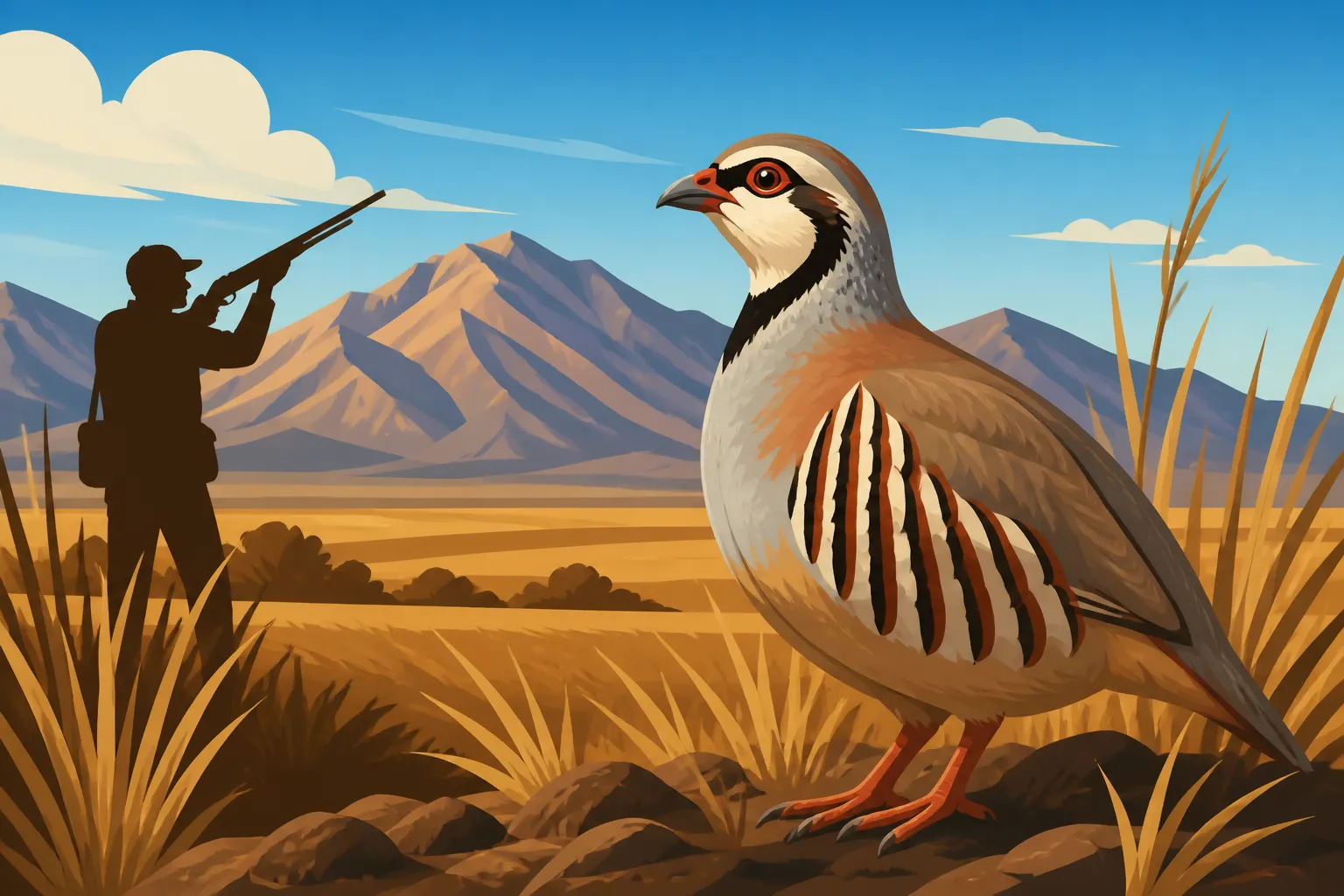
Hungarian Partridge on Nevada Farm Ground
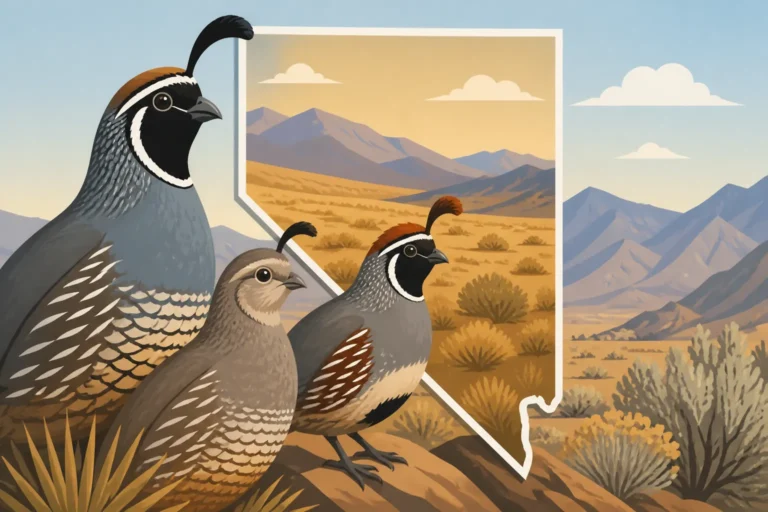
Hunting for Hungarian partridge in Nevada often conjures images of rugged chukar mountains, but these feisty little birds carve out a niche in a very different landscape: the agricultural fields and marginal farmlands of the state. Many hunters, accustomed to the steep climbs for other upland species, might overlook these areas, leading to frustration when trying to locate Huns. This guide will walk you through understanding where Hungarian partridge thrive on Nevada's farm ground, how to scout these unique environments, and effective strategies for a successful hunt, helping you unlock an often-underestimated upland opportunity.
Understanding Hungarian Partridge Habitat in Nevada
While Nevada is famous for its vast sagebrush seas and towering mountain ranges, there are significant pockets of agricultural land, particularly in the northern and eastern parts of the state. These farm grounds, often irrigated, provide a critical mosaic of food, cover, and water that Hungarian partridge simply can't resist. These aren't the high-desert birds you chase on volcanic rock; Huns here are intrinsically tied to cultivation.
The Allure of Farm Ground
Hungarian partridge, or "Huns" as they are affectionately called, evolved in agricultural regions, making them perfectly adapted to farm ground environments. In Nevada, this means looking for areas with a mix of cultivated fields—think alfalfa, winter wheat, or even fallow ground—adjacent to good escape cover. They're seeking seeds, tender shoots, and insects, all of which are abundant around farming operations. This isn't just about food, though; the structure of farm fields, with their edges, ditch banks, and fence lines, provides linear cover for birds moving between feeding and loafing areas. They prefer open, rolling country that allows them to run or fly short distances for escape, and farm ground often provides exactly that. The margins of these fields, where brush or native grasses meet crops, are absolute magnets for coveys.
Beyond the Croplands: Marginal Habitats
It’s easy to focus solely on the crops themselves, but Huns are often found in the neglected spaces surrounding agricultural operations. Think about the field edges, the strips of weeds between fields, irrigation ditches, old farmsteads, and brushy fence rows. These "marginal" habitats are crucial for nesting and escape cover, especially when crops are harvested. They offer protection from predators and the elements while remaining close enough to the food source in the fields. A well-vegetated ditch bank or a thick fencerow can hold multiple coveys, even if the adjacent fields are barren. These transitional zones are often overlooked by hunters who are too focused on the obvious crop fields, giving you an advantage if you learn to identify them. Hungarian Partridge on Nevada Farm Ground is really about finding these subtle distinctions.
Impact of Agriculture Practices
The type of agriculture and how it's managed profoundly impacts where you'll find Huns. Fields that are heavily tilled, sprayed with herbicides, or harvested cleanly leave little for partridge to eat or hide in. Conversely, farms that use no-till practices, leave stubble fields over winter, or have less aggressive weed control often create prime partridge habitat. Crop rotation also plays a role; a field of wheat stubble might be great one year, but if it's plowed under and planted with corn the next, it becomes far less appealing. It's a dynamic environment, and success often hinges on understanding current farming activities. Scouting before the season, or even a few weeks before your hunt, can reveal these crucial details. You might use tools like satellite imagery or services like GoHunt to examine past crop rotations or identify areas that consistently leave residue.
Identifying Key Areas for Hungarian Partridge
Finding Hungarian partridge isn't just about driving past a field and hoping for the best; it requires methodical scouting and understanding the subtle signs these birds leave behind. The vastness of Nevada can be daunting, but by focusing your efforts, you can pinpoint high-potential areas.
Locating Suitable Farm Ground
Start your search by identifying regions in Nevada known for agriculture, particularly grain and alfalfa production. Areas in the northern and eastern parts of the state tend to have more suitable habitat. Once you've got a region, zoom in using maps. Look for checkerboard patterns of green fields, particularly smaller, irregularly shaped ones, often indicating less intensive farming practices. Pay close attention to areas where irrigated fields meet dry sagebrush or rougher ground; these transition zones are where Huns truly thrive. Services like GoHunt can be invaluable here, allowing you to layer different map types, view public land boundaries, and even get an idea of terrain features that might concentrate birds. Don't be afraid to travel; the best Hun spots are rarely right off the main highway.
Public vs. Private Land Considerations
Access is always a big question in Nevada. While much of the state is public land, significant agricultural areas are privately owned. This means you need to be diligent in checking land ownership. Reading a Nevada Land Status Plat or using mapping apps like onX Hunt can clearly delineate public (BLM, Forest Service, State) from private ground. For private land, gaining permission from landowners is paramount. This isn't always easy, but a polite knock on the door, well in advance of the season, can sometimes open up excellent opportunities. Respecting gates, fences, and livestock, and offering to share some of your harvest, can go a long way in building rapport. Remember, trespassing is a serious offense and can jeopardize future hunting opportunities for everyone. If focusing on public land, identify where BLM or state land might abut agricultural fields, creating those critical edge habitats.
Reading the Landscape for Hun Sign
Once you're in a promising area, it’s time to become a detective. Huns are often heard before they're seen. Listen for their distinctive chuckling or cackling calls, especially in the early morning or late afternoon. Visually, look for their tracks in dusty roads or along field edges; they leave small, three-toed prints similar to quail but often slightly larger. Droppings, small and dark, can also indicate their presence. Pay attention to areas with residual crop stubble, tall weeds, and brushy draws or fence lines, as these provide both food and cover. If you find dusting bowls—small, shallow depressions where birds have "bathed" in dust to clean their feathers—you're definitely in the right neighborhood. Fresh dusting bowls are a clear sign of recent activity. A good pair of binoculars, like those discussed in Binocular Size That Survives an All-Day Session, can help you spot coveys feeding at a distance, particularly in open fields.
Hunting Strategies for Nevada Huns on Farm Ground
Hunting Hungarian partridge in Nevada's farm ground demands a different approach than chasing chukar up a rocky canyon. It’s less about vertical climbing and more about methodical coverage and quick reactions.
Walking Strategies and Dog Work
For Hungarian partridge, a good bird dog is almost indispensable. Their scenting ability allows them to locate coveys hidden in dense cover or spread out in stubble fields. A well-trained pointing dog will lock up on a covey, allowing you to approach for a shot, while a flushing dog can effectively push birds out of heavy weeds. Without a dog, you'll need to walk slowly and systematically, crisscrossing promising cover. Focus on the edges of fields, especially where different crops meet or where cover transitions into open ground. Walk into the wind when possible, as this helps carry scent to your dog and allows you to approach birds more quietly. Huns tend to hold tighter in cooler weather but will often flush wild on warm, sunny days. Consider covering the downwind edges of fields first, as birds often try to escape by running into the wind, which could push them towards you.
When working a field, imagine it in segments. Don't just wander aimlessly. Create a plan to cover the most likely areas systematically: the far edges, any brushy draws cutting through, or patches of taller weeds. Remember, Huns are quick to run, and they can cover ground surprisingly fast. Be ready for sudden flushes, often with multiple birds taking flight at once. Quick, instinctive shooting is key.
Early Season vs. Late Season Tactics
The timing of your hunt significantly impacts tactics. Early in the season (often late August or September), crops might still be in the fields, providing abundant cover and food. Birds will be more spread out and might hold tighter due to the dense vegetation. Focus on field edges, weed lines, and smaller, less disturbed patches. As the season progresses into late fall and early winter, crops are harvested, and cover becomes scarcer. This can concentrate birds into remaining pockets of dense cover, such as cattails along ditches, heavy brush, or unharvested corners of fields. They will often be in larger coveys for warmth and protection.
In late season, snow can be a game-changer. Fresh snow makes tracking easier and forces birds to move more, but it also makes them more visible to predators. Pay attention to weather patterns, as sudden cold fronts or snow can push birds towards accessible food sources, often found near old farm buildings or grain storage. Your ability to adapt your strategy based on the available cover and recent weather will be a huge asset. Don't forget to check Nevada Small Game Seasons at a Glance for specific season dates.
The Importance of Wind and Weather
Wind is a critical factor when hunting Huns. On windy days, birds can be harder to hear, and their flight paths can be unpredictable. However, wind also helps a dog pick up scent, making them more effective. Always try to hunt into the wind or with a crosswind so that your dog can work efficiently and you can hear approaching flushes. Huns will often flush into the wind, giving them more lift, so anticipating this can help you position for a better shot.
Weather dramatically affects bird behavior. On warm days, Huns might be more active early and late, seeking shade during midday. They might also be more prone to running before flushing. On cold, cloudy days, they may hold tighter, offering better shooting opportunities. Rain can drive them into heavier cover, making them tough to find, but immediately after a rain, they might come out to feed. Always be prepared for Nevada's often unpredictable weather, as discussed in Layering for Basin and Range Temperature Swings, and adjust your approach accordingly.
Essential Gear and Preparedness
Being well-equipped and prepared for a day in Nevada's farm ground will make your Hungarian partridge hunt much more enjoyable and successful. It’s not just about the gun; it’s about the whole package.
Shotguns, Loads, and Chokes
For Hungarian partridge, a fast-handling shotgun in 12, 16, or 20 gauge is ideal. These birds are small targets and incredibly fast. A double-barrel shotgun (side-by-side or over-under) allows for quick follow-up shots and the flexibility of different choke combinations. An improved cylinder or modified choke in the first barrel, followed by a modified or full choke in the second, is a popular setup. If you're using a pump or semi-auto, a single improved cylinder or modified choke is a good all-around choice.
When it comes to ammunition, lighter loads with smaller shot sizes (like 7.5 or 8) are usually sufficient for Huns. You're looking for dense patterns, not heavy knockdown power. Lead shot is typically allowed for upland birds in Nevada. Bring plenty of shells; Huns often flush in coveys, and you might get multiple shooting opportunities. Remember that safety is paramount: always know your target and what's beyond it, especially when hunting near agricultural buildings or roads.
Layering for Nevada's Temperatures
Nevada's weather can be notoriously variable, even in agricultural areas. Early season hunts might start with chilly mornings that quickly warm into the 70s or 80s, while late season can bring freezing temperatures and biting winds. The key is layering. Start with a moisture-wicking base layer, add an insulating mid-layer (fleece or down), and top it off with a windproof and water-resistant outer shell. You'll be walking, stopping, and starting, so having layers you can easily shed or put on is crucial to staying comfortable. Don't forget a good hat, gloves, and sturdy, comfortable hunting boots, especially if you anticipate walking through irrigation ditches or muddy fields.
Navigation and Safety in the Field
Even on farm ground, it's easy to get disoriented, especially when traversing irregular field patterns or following coveys. A GPS device or a smartphone with a reliable mapping app (like GoHunt) is essential. These tools allow you to track your movements, mark bird flushes, identify land boundaries, and navigate back to your vehicle. Always let someone know your hunting plan, including your intended area and expected return time.
Safety extends beyond navigation. Carry plenty of water, even on cool days, as walking can be strenuous. A small first-aid kit, a whistle, and emergency fire-starting materials are also wise additions to your pack. If hunting with a dog, ensure it has plenty of water and proper hydration, especially on warmer days. Be aware of farm equipment, irrigation lines, and potential hazards like old barbed wire fences or hidden wells. Always ask landowners about any specific hazards on their property if you have permission to hunt there.
Table: Hungarian Partridge Hunting Considerations by Season
| Feature | Early Season (Late Aug – Sep) | Late Season (Oct – Dec) |
|---|---|---|
| Cover | Dense crops, tall weeds, widespread | Sparse stubble, heavy brush, concentrated |
| Food Sources | Abundant seeds, green shoots, insects | Residual grains, winter weeds |
| Bird Behavior | More spread out, may hold tighter, run | Larger coveys, concentrated, may flush wild |
| Hunting Strategy | Work field edges, smaller patches | Focus on thick cover, draws, unharvested areas |
| Dog Performance | Good scenting, may be harder to find birds | Excellent scenting, birds often concentrated |
| Weather | Warm to mild, potential for hot afternoons | Cold, freezing, potential for snow |
| Gear Focus | Hydration, breathable layers | Insulation, wind/water protection, traction |
Remember, hunting Hungarian partridge on Nevada farm ground is a dynamic pursuit. Every field, every season, and every weather pattern presents a unique set of challenges and opportunities. By understanding their habitat, employing smart hunting strategies, and preparing appropriately, you can experience a rewarding upland hunt for these delightful birds.
Disclaimer
This article is for general informational purposes only and does not constitute professional advice. Laws, prices and regulations vary by location and change over time. Consult a qualified professional for guidance on your specific situation.