Nevada Elk Rifle Season Structure
Navigating Nevada's elk rifle seasons can feel like trying to solve a puzzle with a constantly shifting rulebook. It's not a simple, statewide opener and closer like you might find in other states. Instead, you're faced with a mosaic of hunt codes, units, and dates that vary wildly, making it incredibly challenging to understand when and where you might even have a chance to pursue one of Nevada's trophy bulls. This comprehensive guide is here to untangle that complexity, breaking down the layered structure of Nevada's elk rifle seasons so you can approach the draw and your hunt with clarity and confidence.
Decoding Nevada's Elk Rifle Season Structure
When you first look at the Nevada big game regulations, especially for elk, it can be downright overwhelming. You'll see dozens of hunt codes, each with its own unit, dates, and tag quotas. This isn't just bureaucratic red tape; it's a deliberate system designed to manage elk populations across a vastly diverse landscape, from high mountain forests to arid sagebrush basins. Understanding this foundational structure is the first step to making sense of where you fit in.
The Layered Complexity of Nevada Seasons
Nevada's elk rifle seasons are anything but uniform. Unlike states where you might have one or two broad rifle seasons for elk, Nevada employs a highly granular system. This means that a hunt in one unit might open in late September, while an adjacent unit could have a season that doesn't even begin until November, or perhaps two completely separate seasons within the same unit. This complexity stems from the unique challenges and opportunities presented by Nevada's diverse terrain and varying elk herd dynamics. Some areas hold isolated pockets of elk, while others boast robust, expanding populations, and the seasons are tailored to each scenario.
The Nevada Department of Wildlife (NDOW) designs these seasons to achieve specific management goals, which might include targeting a certain number of bull harvests, reducing elk numbers in areas with depredation issues, or providing high-quality trophy opportunities in specific units. As a hunter, this means you can't just assume a general season date. You have to dive deep into the regulations, almost unit-by-unit, to understand the specific timing, duration, and even the sex of the animal you're allowed to harvest for each given hunt code. It's a system built for precision, but it demands a lot of homework from anyone hoping to punch an elk tag.
Understanding Hunt Codes and Unit Groups
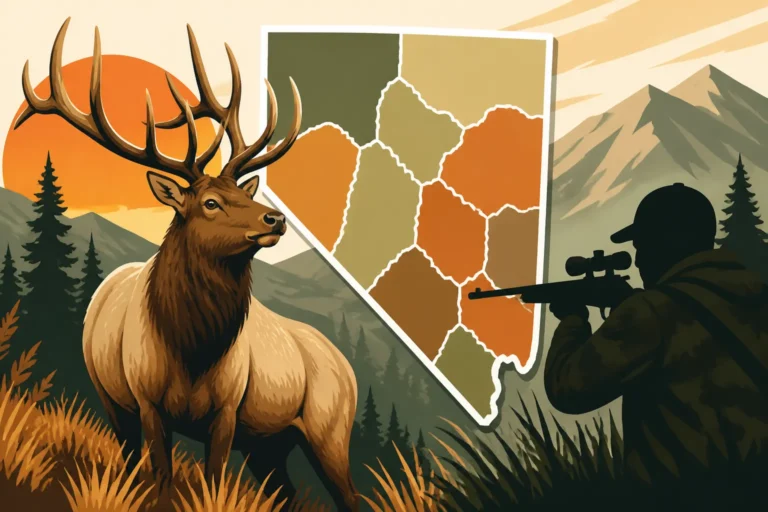
At the heart of Nevada's intricate system are the hunt codes. These multi-digit numbers are more than just identifiers; they're packed with critical information about the hunt itself. A typical Nevada hunt code will tell you the species (e.g., elk), the weapon type (e.g., rifle), the sex of the animal (bull, antlerless, either-sex), the specific unit or unit group, and the exact dates of the season. For example, a hunt code like "2111" might designate an archery bull elk hunt in Unit 11, while "2112" could be a rifle bull elk hunt in the same unit but with completely different dates. This level of detail is crucial because applying for the wrong hunt code means you're applying for the wrong hunt, plain and simple.
Beyond individual units, Nevada also uses "unit groups." These are collections of contiguous or geographically similar units that are managed together for certain species. For elk, you might find that a group of units shares a common rifle season framework, even if the specific dates might vary slightly between them. This grouping often reflects broader migration corridors, shared winter ranges, or similar habitat types across a larger geographic area. Understanding how Nevada's hunt units combine into these groups can be incredibly helpful when you're trying to Reading a Nevada Hunt Unit Before You Apply and decide where to put your valuable draw application. It allows you to broaden your focus from a single square on the map to a larger, more cohesive hunting landscape.
Early Rifle Elk Opportunities in Nevada
For many hunters, the thought of an early rifle elk hunt conjures images of bugling bulls and crisp, pre-dawn air. Nevada offers these possibilities, though they often come with their own unique set of challenges and rewards. These hunts tend to kick off the main rifle season framework and require a specific approach.
When the First Shots Ring Out
Nevada's early rifle elk hunts typically begin in late September or early October, often overlapping with the tail end of the archery season or immediately following the muzzleloader season. These initial rifle seasons are usually found in units that have healthy elk populations and where management objectives allow for an earlier harvest. Geographically, you might find these early opportunities in areas that hold elk at higher elevations or in more remote, less accessible regions where hunting pressure can be naturally moderated. The weather during these early windows can be a real mixed bag. You might start a morning with frosty temperatures requiring multiple layers, only to shed them all by midday as the desert sun beats down, making Heat Management on an August Archery Hunt (or early rifle) a real concern for you and your harvested animal.
The primary draw for these early hunts, beyond simply being the first to hit the field, is the chance to catch residual rut activity. While the peak of the elk rut in Nevada is usually associated with archery and muzzleloader seasons, it's not uncommon for bulls to still be vocal and actively pursuing cows into the very early rifle seasons. This presents a unique opportunity for rifle hunters to experience the excitement of calling elk, a tactic often reserved for archery, and potentially catch a bull off guard. However, elk can also be scattered and less predictable if the rut has truly wound down, making diligent scouting and adaptability crucial for success.
Tactical Considerations for Early Season Success
Success during Nevada's early rifle elk seasons often hinges on adaptability and a deep understanding of elk behavior in the transitional period from summer to fall. With potentially warmer weather and less snow to push elk into predictable patterns, these hunts can demand extensive glassing. Hunters often spend countless hours perched on high points, systematically Glassing Grids Across a Nevada Basin to locate pockets of elk that might still be grouped up or in bachelor herds. Identifying key bedding areas and water sources becomes paramount, as elk will be seeking refuge from the midday sun and staying hydrated in the typically dry Nevada landscape.
Another critical aspect of early season rifle hunting in Nevada is managing your approach once an animal is spotted. With less cover at higher elevations before snow truly arrives, and the wide-open nature of many Nevada units, closing the distance can be a real test of skill. Hunters must pay meticulous attention to wind direction, constantly re-evaluating their approach to avoid detection. This is where skills like Reading Wind on a Long Sage Stalk become invaluable, even in more mountainous terrain. Being prepared to hike long distances, often across rugged and broken ground, and carrying enough water are non-negotiable requirements for these challenging but rewarding hunts.
Peak Rut and Mid-Season Rifle Hunts
The idea of hunting elk with a rifle during the peak of the rut is a dream for many. While Nevada offers incredible opportunities, rifle tags during the absolute peak of the bugle are exceptionally rare, making them some of the most sought-after and hardest to draw.
Catching the Rut with a Rifle
Nevada's elk rut typically peaks in late September into early October, which, as mentioned, can coincide with some early rifle seasons. However, the most intense, widespread rut activity is often reserved for archery and muzzleloader hunters. Rifle hunts that fall directly within this peak are few and far between, reflecting NDOW's management strategy to distribute pressure and offer diverse experiences across different weapon types. When these coveted rifle tags are available during the rut, they are usually found in specific units known for their trophy potential and robust bull-to-cow ratios. The draw odds for such tags are astronomically low, often requiring many years of bonus points and a significant amount of luck, meaning most hunters are in for a long wait if this is their dream hunt.
Hunters lucky enough to draw one of these tags are in for an unforgettable experience. Imagine the thrill of hearing a bull bugle across a Nevada canyon, knowing you have a rifle in hand. The tactics often mirror those of archery hunting, utilizing locator bugles and cow calls to draw bulls closer. However, the added range and precision of a rifle change the dynamic, allowing for shots that bowhunters could only dream of. The key to these hunts is being in the right place at the right time, and that means extensive pre-season scouting, understanding the local herd's rutting patterns, and being prepared to be mobile and aggressive when a bull responds to your calls. These are not "sit and wait" hunts; they are active, exhilarating pursuits.
Mid-Season Challenges and Strategies
As the calendar rolls into mid-October and early November, Nevada's elk rifle seasons transition into what many would consider the "mid-season." By this point, the intense rutting activity has largely subsided, and bulls are starting to recover and move into different patterns. The vocalizations become less frequent, and elk often disperse from their rutting grounds, making them harder to locate. This period can be particularly challenging because elk are no longer driven by the strong urge to breed, forcing hunters to rely more on traditional glassing and stalking techniques. The weather can also be highly variable, with warm sunny days still interspersed with the first real cold fronts and even light snow, which can trigger some initial migratory movements.
Successful mid-season rifle hunting in Nevada demands patience, persistence, and a willingness to cover a lot of ground, either on foot or with optics. Elk might be found anywhere from lingering high on the ridges, feeding in aspen pockets, to starting their descent towards winter range if significant weather arrives. Hunters need to focus on finding fresh sign – tracks, rubs, and droppings – to narrow down potential areas. Often, glassing during the first and last hours of light is critical, as elk will be feeding during these times before bedding down in thicker cover during the day. This is also a time when understanding the terrain that hides an approach in open country is paramount, as elk become more wary after weeks of hunting pressure.
Late Rifle Elk Seasons and Migration Hunts
When the snow starts to fly in earnest and the air turns truly cold, Nevada's late rifle elk seasons kick into high gear. These are often the hunts associated with bigger bulls and predictable patterns, but they demand a different level of preparation and mental fortitude.
Pursuing Bulls into Winter
Nevada's late rifle elk hunts typically span November and even stretch into early December in specific units. These seasons are designed to coincide with the elk's natural migration from high-elevation summer ranges to lower-elevation wintering grounds. The beauty of these hunts lies in the predictability that weather, particularly snow, can impose on elk movement. As snow depths increase in the high country, elk are compelled to move, often using traditional migration corridors that they've followed for generations. This can concentrate animals, making them easier to locate compared to the more scattered patterns of the mid-season. Indeed, the principles are much like Hunting the Post-Rut Migration for Big Bucks, where animals are moving, exposed, and often grouped up.
However, pursuing bulls into winter brings its own formidable challenges. The weather can be brutal, with freezing temperatures, strong winds, and heavy snowfall becoming common. Road access can become severely limited, with many forest roads closing for the season, which means hunters must be prepared for extensive foot travel, often through deep snow. Physical conditioning is paramount for these hunts, as you'll be exerting yourself in harsh conditions. Despite the difficulties, late season hunts are highly sought after because they offer some of the best opportunities to find mature bulls that have gathered into bachelor groups after the rut, making them prime targets for trophy hunters.
Unit-Specific Late Season Timing
While many late rifle elk hunts fall into the November-December window, the exact timing and character of these seasons can vary significantly from unit to unit. Some units in the eastern part of the state, known for their higher mountain ranges and more robust snowfall, might have later, more traditional "winter range" hunts. Other units, particularly those in lower, more arid regions, might still experience relatively mild late seasons where elk behavior is less dictated by snow and more by feed availability and pressure. NDOW strategically structures Late Season Elk Hunts Into December to manage these specific herd needs and environmental factors.
For instance, certain units might offer antlerless or cow elk hunts late into the year, targeting specific herd reduction goals. These often have higher draw odds and provide an excellent opportunity for meat hunters. Conversely, trophy bull hunts in these late periods are still extremely difficult to draw, but the payoff can be substantial. Hunters must study the specific unit regulations meticulously, paying close attention to opening and closing dates, as well as any special provisions or access restrictions that might apply due to winter conditions. Thorough research, utilizing resources like GoHunt to analyze past draw data and harvest reports, is critical to selecting the right late-season hunt and maximizing your chances.
Key Factors Influencing Season Structure and Draw Odds
Understanding the logic behind Nevada's season structure is vital for any serious elk hunter. It's not just random dates on a calendar; it's a carefully calculated approach to managing a valuable wildlife resource.
Herd Management and Tag Quotas
The primary driver behind Nevada's elk rifle season structure and the number of tags issued is herd management. NDOW biologists conduct extensive surveys to estimate elk populations, assess herd health, and determine suitable harvest objectives. These objectives are influenced by factors such as habitat availability, forage quality, winter mortality, calf recruitment rates, and potential conflicts with agriculture or other land uses. The season dates, duration, and specific weapon types are then tailored to meet these goals for each individual unit or unit group. If a herd needs to be grown, tag quotas might be very low, and seasons might be short or restricted to specific areas. If a herd is over objective, you might see more antlerless tags or longer seasons.
The distribution of tags between archery, muzzleloader, and rifle seasons also plays a significant role. NDOW often allocates tags to provide diverse hunting opportunities while trying to maintain a balanced bull-to-cow ratio and age structure within the bull population. This often means that while archery and muzzleloader seasons might offer more opportunities during the rut, rifle seasons are distributed across early, mid, and late periods to ensure a sustained harvest throughout the fall and early winter. Understanding these underlying management principles helps explain why How Nevada Splits Elk Units Between Rifle Hunts can be so complex and seemingly arbitrary from a hunter's perspective, when in fact, it's a scientific approach to maintaining healthy elk populations for future generations.
Understanding Draw Odds with Tools like GoHunt
Given the highly desirable nature of Nevada elk tags, especially for rifle hunts, draw odds are notoriously low. This reality is a source of constant frustration for many applicants who diligently accrue bonus points year after year. To stand any chance, you need to deeply understand how the draw works, particularly Nevada's squared bonus point system, and how your choices impact your chances. This is where modern tools and data analysis become indispensable. Services like GoHunt are absolute game-changers for serious Western hunters. They compile years of draw statistics, harvest reports, and unit information, presenting it in an easily digestible format.
Utilizing such platforms allows you to analyze your odds of drawing a specific hunt code based on your accumulated bonus points and the historical success rates of other applicants. You can compare different units, evaluate the number of available tags, and even get an estimate of how many points it might take to draw a particular tag. This kind of detailed insight is crucial for making informed application choices, especially when considering a high-value species like elk. Without tools that help you with Checking Nevada Draw Odds Before You Apply, you're essentially throwing darts in the dark, which is a gamble few hunters are willing to take with their hard-earned bonus points.
Planning Your Nevada Elk Rifle Application
Applying for a Nevada elk tag is a strategic endeavor. It requires more than just picking a unit you like; it demands research, foresight, and a clear understanding of the application process.
Researching Units and Hunt Codes
Before you even think about submitting your application, thorough research into potential units and their specific hunt codes is non-negotiable. Don't just look at a map and pick a spot; dive into the details. Start by exploring the overall character of a unit – its terrain, public land access, and known elk populations. Are you looking for a backcountry pack-in experience, or something more accessible by vehicle? Do you prefer mountainous timber or expansive sagebrush country? Each unit offers a vastly different hunting experience, and your preference should guide your initial selection.
Once you've narrowed down a few units, delve into their specific hunt codes for elk rifle season. Pay close attention to the dates. Do they align with your availability? Does the season occur during a period that matches your preferred hunting style (e.g., early season for potential bugles, late season for migration)? Look at past harvest statistics for those hunt codes, which NDOW publishes annually. These reports can provide insight into hunter success rates, average bull scores, and overall hunt pressure. Websites like GoHunt consolidate this information, allowing you to easily compare units and hunt codes side-by-side, helping you make an educated decision for your application. This meticulous research is your best defense against disappointment and sets the stage for a successful hunt, should you draw that coveted tag.
Maximizing Your Draw Success
Nevada's draw system, with its squared bonus points, heavily favors persistence. Every year you apply and don't draw, your bonus points for that species are squared, dramatically increasing your chances in subsequent draws. This means that Why Four Nevada Bonus Points Buy Seventeen Chances is a reality, not a hypothetical. Understanding this exponential advantage is key to maximizing your draw success over the long term. If you're serious about drawing a quality elk rifle tag, you need to commit to applying consistently, building those points until you're in a competitive position.
Beyond accumulating points, strategic application choices are critical. Nevada allows you to list up to five choices on your application. Many hunters will use their first choice for their dream hunt – often a low-odds, high-point unit. However, they'll strategically use their subsequent choices for hunts with slightly better odds, perhaps in units that require fewer points or have higher tag quotas. It's a balancing act between aiming for the moon and ensuring you have a reasonable chance to draw something. Also, consider that while applying for multiple species in one year is possible, it complicates managing your bonus points. Carefully review the application guide each year, as rules and quotas can subtly shift, ensuring your strategy remains current and effective.
Nevada Elk Rifle Season Overview
To help visualize the general framework we've discussed, here's a simplified overview of how Nevada's elk rifle seasons often fall. Remember, specific dates and units vary greatly year to year and by hunt code.
| Season Period | Typical Dates | Key Characteristics | Hunter Considerations |
|---|---|---|---|
| Early Rifle | Late September – Early October | Potential for residual rut activity; warmer weather; elk scattered; higher elevation focus. | Demands extensive glassing; focus on water sources; physical conditioning for heat; challenging stalking. |
| Mid-Season | Mid October – Early November | Rut generally over; elk dispersing; less vocal; weather highly variable; transition period for elk movement. | Patience required; focus on feeding/bedding patterns; increased scouting; prepare for varied weather. |
| Late Rifle | Mid November – Early December | Snow-driven migrations; elk concentrate on winter range; cold, harsh weather; reduced road access; bachelor bull groups. | Extreme physical demands; preparation for deep snow/cold; access challenges; high potential for trophy bulls. |
Remember, this table provides a generalized overview. Always consult the official Nevada Department of Wildlife (NDOW) regulations for the most current and precise dates and hunt codes before applying or hunting.
Disclaimer
Please remember that hunting regulations, season dates, and unit boundaries are subject to change annually by the Nevada Department of Wildlife (NDOW). Always consult the most current official Nevada Big Game Seasons and Application Guide or the NDOW website before making any hunting plans or submitting applications. This article is intended for informational purposes only and should not be used as a substitute for official regulations.