Cell Coverage Across Nevada Hunt Units
Cell coverage realities across Nevada hunt units and practical strategies for staying connected during backcountry trips.
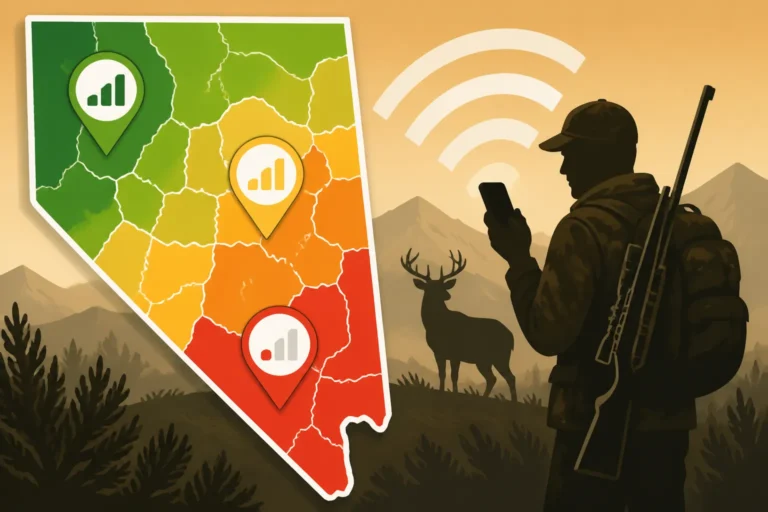
Cell coverage realities across Nevada hunt units and practical strategies for staying connected during backcountry trips.
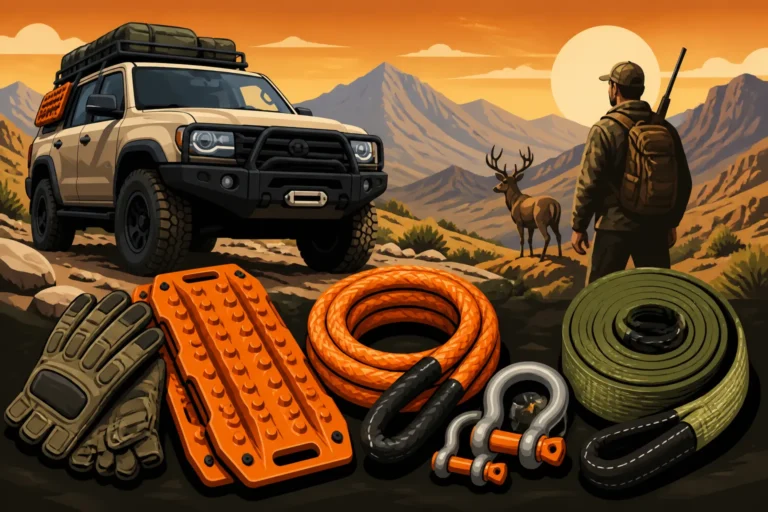
Vehicle recovery gear helps hunters handle sand, mud, and rocks fifty miles from paved roads in the Nevada backcountry.
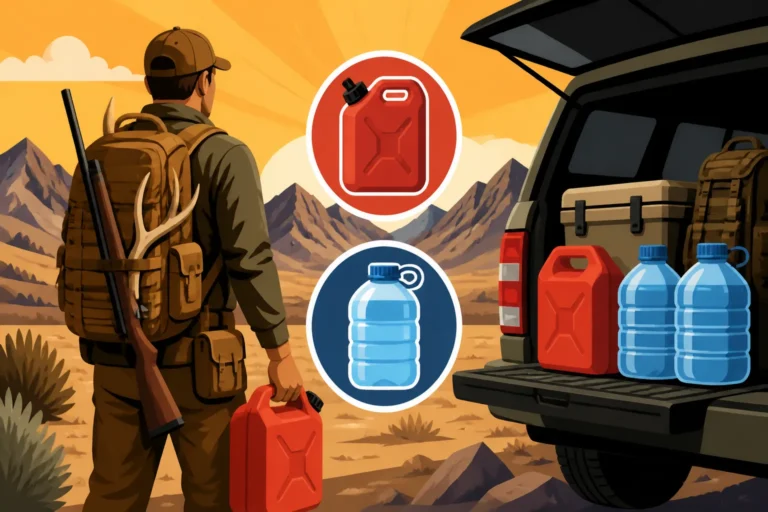
Nevada hunters learn practical strategies for carrying extra fuel and water to survive long distances in remote desert areas.
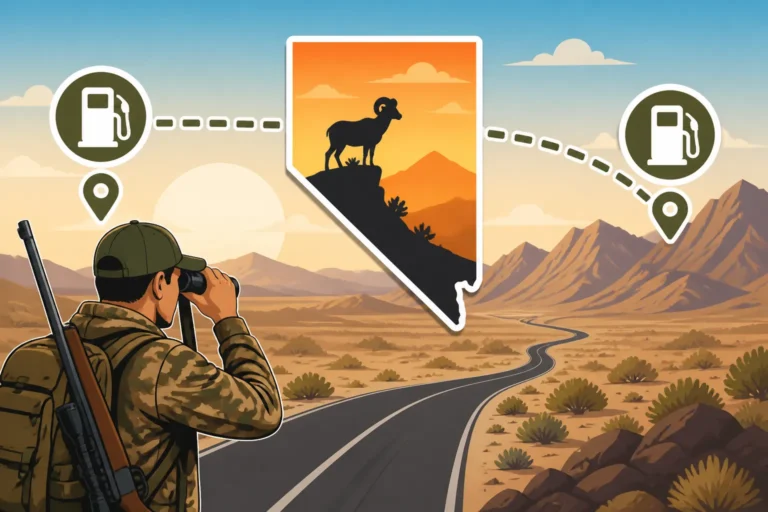
Nevada fuel stop distances between remote towns span seventy to one hundred miles, requiring careful route planning for hunting trips.
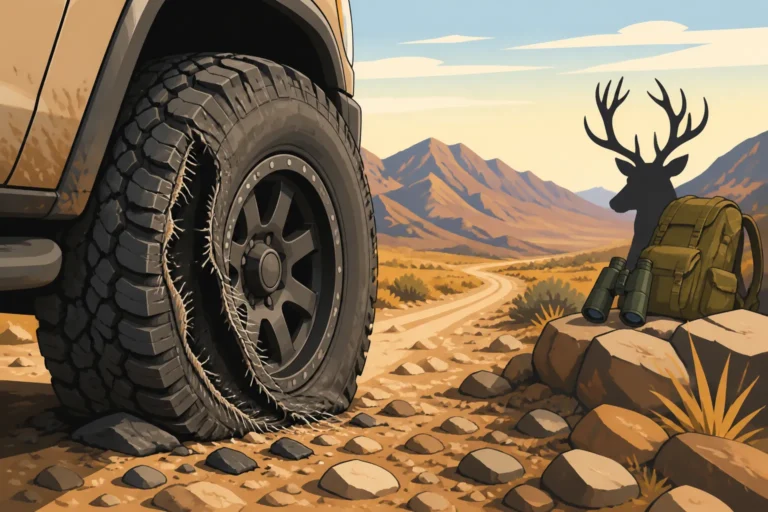
Nevada backroad terrain destroys vehicle tires through sharp volcanic basalt, granite, and jagged caliche rocks during remote hunts.
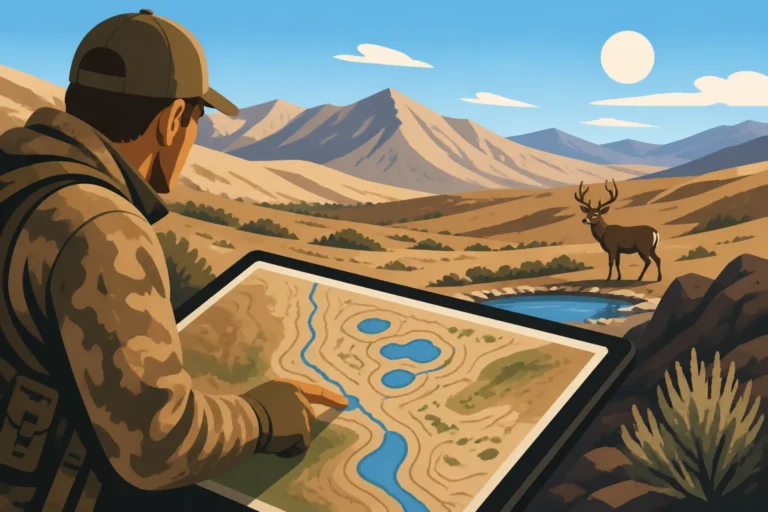
Nevada desert water sources for an August big game hunt, explaining how to locate natural springs, seeps, and man-made guzzlers.
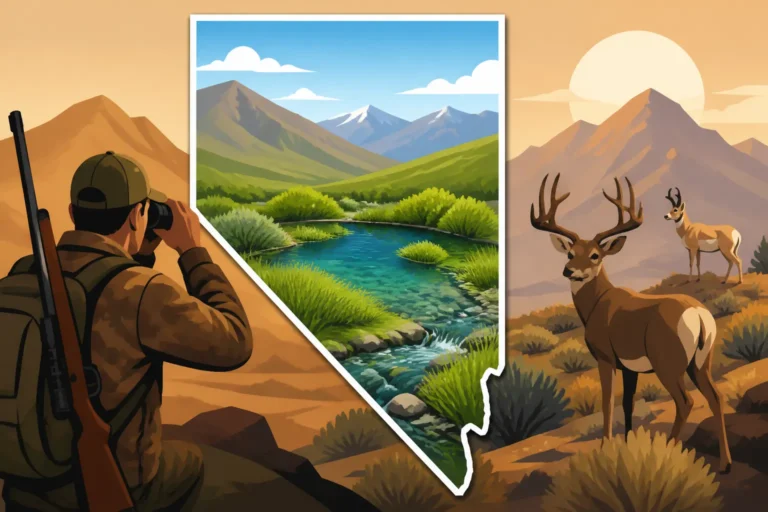
Natural springs dictate animal movement in Nevada, concentrating wildlife and providing predictable patterns for hunters.
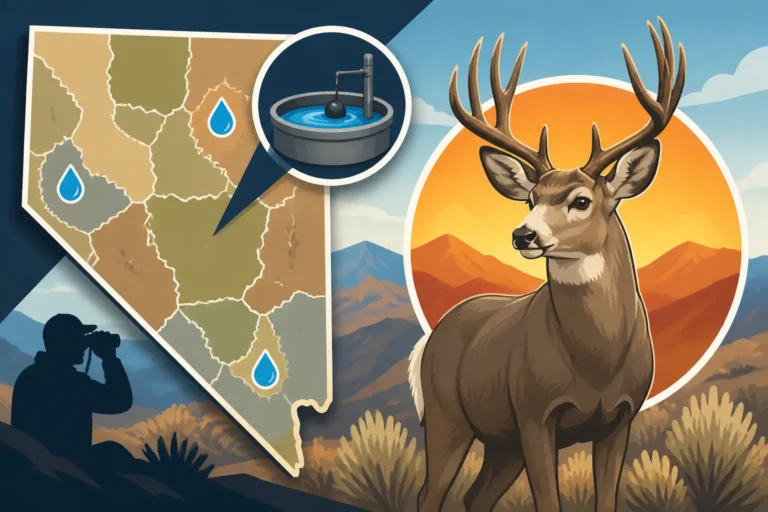
Locating man-made water guzzlers on Nevada unit maps helps hunters predict mule deer movement and plan successful hunting strategies.
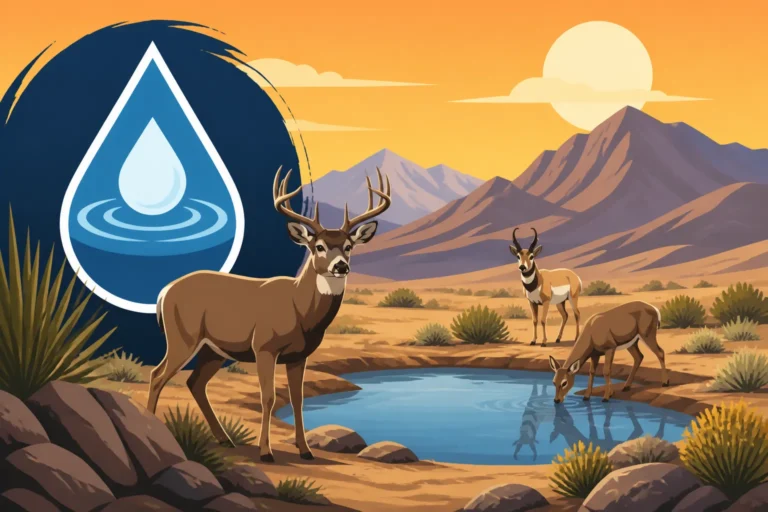
Nevada water sources concentrate desert wildlife within a mile or two, creating predictable hunting patterns near springs.
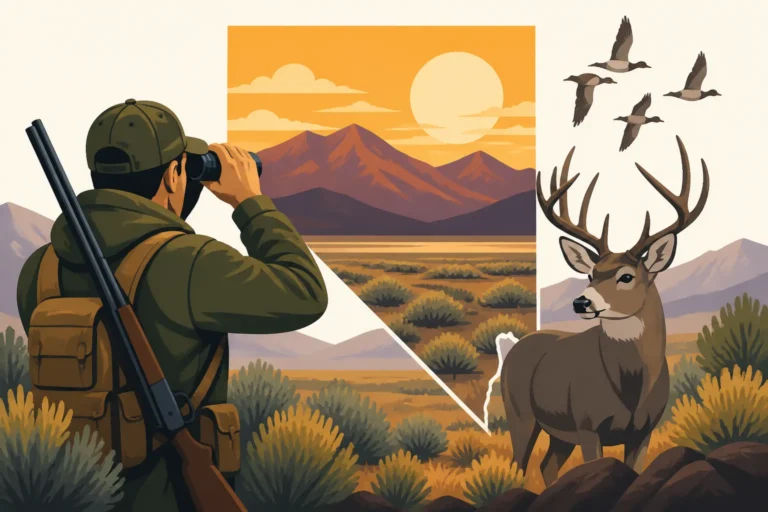
Key Pittman Wildlife Management Area provides public hunting opportunities for waterfowl and upland birds in Lincoln County.