Nevada Youth and Senior License Pricing
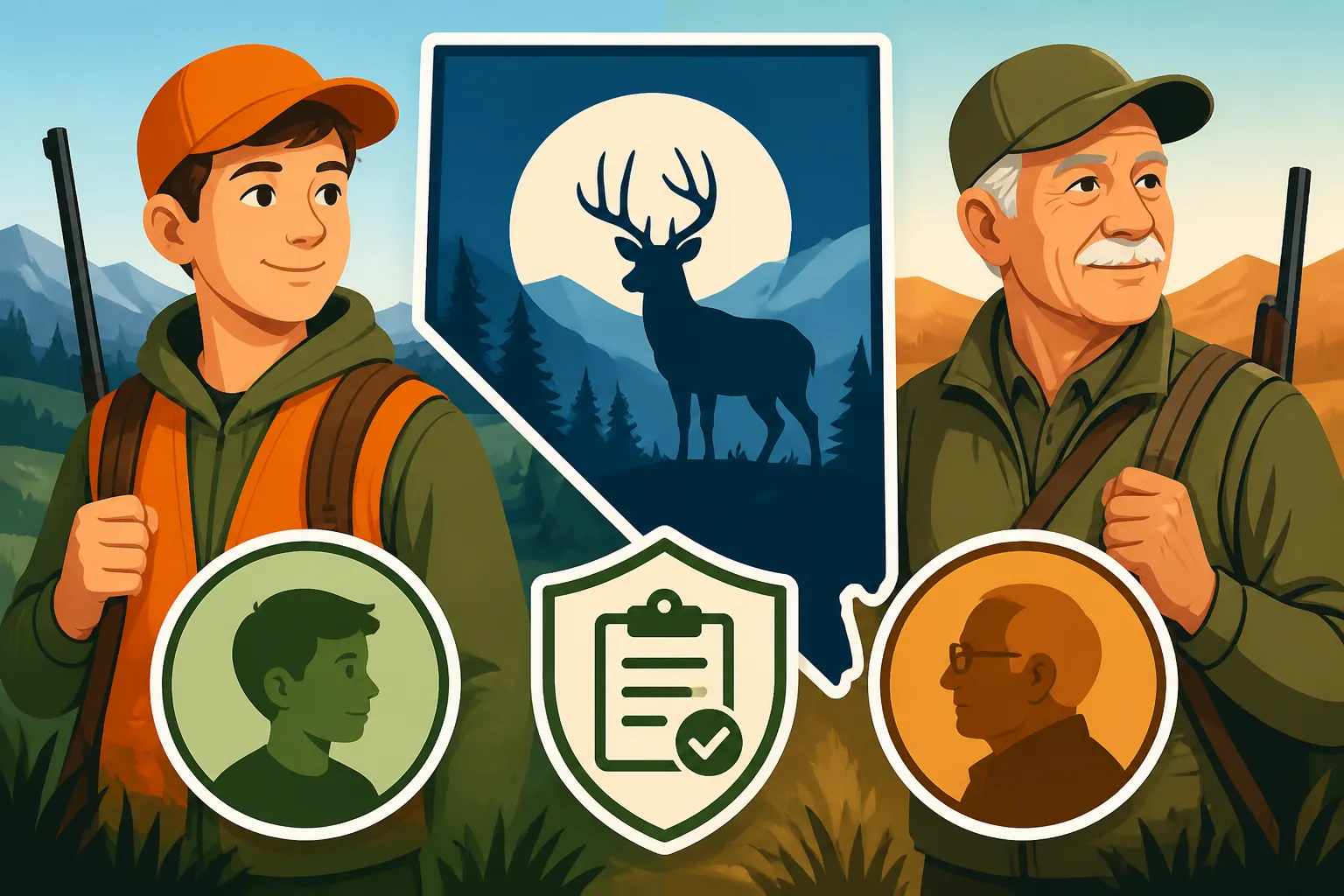
Hunting in Nevada can feel like navigating a complex maze, especially when you're trying to figure out the specific license and tag costs for different generations of hunters in your family. It's frustrating to want to share the outdoor experience with your kids or keep hunting well into your golden years, only to be met with confusing regulations and price lists. This guide is here to untangle the nuances of Nevada's youth and senior hunting license and tag pricing, ensuring you have all the information you need to plan successful, multi-generational adventures.
Understanding Nevada's Hunting License Structure
Before diving into the specifics of youth and senior pricing, it's really helpful to grasp the fundamental license structure in Nevada. The state manages its hunting and fishing opportunities through a combination of a general hunting license, often called a "combination license," and then species-specific tags. This two-tiered system means you first need a valid general license to even be eligible to apply for or purchase most big game or upland game tags. It's not just about what you're hunting, but also about who is hunting and their residency status.
The Foundation: Combination Licenses
The Nevada Department of Wildlife (NDOW) requires most hunters to purchase a "Combination Hunting and Fishing License." This single license covers a lot of ground, allowing you to legally hunt small game, upland game birds (like chukar and quail), and fish. More importantly for big game hunters, this combination license is the prerequisite that makes you eligible to apply for or buy those coveted deer, elk, or antelope tags. Without it, your application won't even be considered. This applies to both residents and nonresidents, though the pricing differs significantly. It's a critical first step, and understanding its role simplifies the entire process.
Resident vs. Nonresident Licensing
One of the biggest factors influencing license and tag costs in Nevada, beyond age, is whether you are considered a resident or a nonresident. Nevada offers substantially lower prices for its residents, a common practice across Western states aimed at providing affordable hunting opportunities for those who contribute to the state's economy and conservation efforts through their taxes. For a nonresident, the costs can jump significantly, making careful planning and budgeting essential. This distinction is especially important when considering the overall financial commitment for a family hunt, particularly if some members are residents and others are not, or if you're planning a trip from out of state with a junior hunter. Always double-check residency requirements to ensure you're applying under the correct status.
Youth Hunting Licenses and Tag Pricing
Getting young hunters involved in the outdoors is something many of us cherish, and Nevada makes efforts to encourage this through specific youth hunting provisions. However, it's not simply a free pass; there are still license requirements, age restrictions, and associated costs for tags. It's crucial for parents and guardians to understand these details to ensure their young hunters are legally prepared for the field.
General Requirements and Combination License Costs for Juniors
In Nevada, a junior hunter is generally defined as someone under the age of 18. Like adult hunters, they need a valid license to participate. The good news is that Nevada offers specific junior combination licenses at a reduced rate, making the entry point more accessible for families. For resident juniors, the cost for a Combination Hunting and Fishing License is quite reasonable, typically a fraction of the adult resident price. This junior license allows them to hunt small game and fish, and critically, it makes them eligible to apply for or purchase big game tags. Nonresident juniors also have a specific combination license, which, while more expensive than the resident junior license, is still less than the adult nonresident equivalent.
Beyond just the license, any individual born after January 1, 1960, must complete a hunter education course. This means virtually all junior hunters will need to show proof of certification before they can purchase a license. Thankfully, Nevada Accepts Hunter Education From Any State, which is a huge help for families moving into the state or nonresidents planning a trip. It's not just about the cost, but also ensuring they meet the legal requirements like Youth Hunting Requirements in Nevada before stepping foot in the field.
Big Game Tag Fees for Youth Hunters
While the junior combination license is affordable, the bulk of the cost for big game hunting for youth, just like adults, comes from the species-specific tags. However, Nevada does offer some relief here too. For example, a resident junior mule deer tag is typically less expensive than an adult resident tag. This applies across various species, including antelope and elk, making it a little easier on the family budget to get a young person involved in big game pursuits. For nonresident juniors, while their big game tags are still significantly higher than resident junior tags, they remain less than what a nonresident adult would pay for the same tag.
It's important to remember that these tags are still acquired through the draw system for most big game species. This means a junior hunter needs to apply during the application period, just like everyone else. Many parents use tools like GoHunt's Insider service to scout units and analyze draw odds, which can be invaluable when trying to pick the best units for a junior hunter to have a realistic chance. While The Minimum Age to Hunt Big Game in Nevada is generally 12, certain opportunities might open up at different ages, so always check the current regulations.
Senior Hunter Discounts and Eligibility
Nevada recognizes the contributions of its elder hunters and provides specific discounts for senior residents, allowing them to continue enjoying the state's rich hunting heritage without undue financial burden. These discounts apply to both the general combination license and often to specific tags, making hunting more accessible during retirement years.
Eligibility Criteria for Senior Discounts
To qualify for senior discounts in Nevada, you must meet specific age and residency requirements. Typically, "senior" status for hunting and fishing licenses kicks in at age 65. Critically, these discounts are almost exclusively for residents of Nevada. This means you need to prove your continuous residency in the state for a specified period (usually six months) to take advantage of these reduced rates. Nonresident seniors, while perhaps receiving some discounts in their home states, generally pay the full nonresident adult price for Nevada licenses and tags. This distinction is vital for those planning their retirement or considering moving to Nevada to hunt. It's always best to verify your eligibility directly through the NDOW website or by contacting their offices to avoid any surprises.
Senior Combination License and Big Game Tag Costs
For eligible senior residents, the Combination Hunting and Fishing License is offered at a significantly reduced rate compared to the standard adult resident price. This makes the foundational cost of being a hunter or angler in Nevada very affordable. For example, a Resident Nevada Combination License Price for a senior is remarkably low, fostering continued participation.
When it comes to big game tags, senior resident discounts often extend to these as well. A Resident Nevada Deer Tag Cost for a senior resident, for instance, is typically lower than for a non-senior adult resident. This applies to other species too, though the exact discount can vary. These savings can make a real difference when considering the total cost of a hunt, especially for those on a fixed income. It's a great way for NDOW to acknowledge the lifetime of experience and passion that senior hunters bring to the field.
Here's a simplified overview of typical license and tag price ranges for youth and seniors (resident vs. nonresident) in Nevada. Please note these are approximate ranges and can change year to year. Always consult the official NDOW regulations for the most current pricing.
| License/Tag Type | Resident Youth (under 18) | Resident Senior (65+) | Nonresident Youth (under 18) | Nonresident Adult (Standard) |
|---|---|---|---|---|
| Combo Hunting & Fishing | $15 – $20 | $15 – $20 | $90 – $100 | $160 – $170 |
| Big Game Application Fee | $10 – $15 (per species) | $10 – $15 (per species) | $15 – $20 (per species) | $15 – $20 (per species) |
| Mule Deer Tag (if drawn) | $40 – $50 | $40 – $50 | $300 – $350 | $300 – $350 |
| Elk Tag (if drawn) | $100 – $120 | $100 – $120 | $1200 – $1300 | $1200 – $1300 |
| Antelope Tag (if drawn) | $40 – $50 | $40 – $50 | $200 – $250 | $200 – $250 |
Note: The "Nonresident Youth" big game tag prices are often the same as "Nonresident Adult" in Nevada for the actual tag if drawn, but the combination license is discounted. Always verify current prices with NDOW.
Navigating the Application Process for Youth and Seniors
Applying for big game tags in Nevada is a universal experience, regardless of age. Both youth and senior hunters, along with everyone else, must go through the same draw system for limited-entry species like deer, elk, and antelope. Understanding the nuances of this process, especially the deadlines and how bonus points accrue, is vital for maximizing drawing odds across generations.
Key Deadlines and Application Windows
The application period for Nevada big game draws is a critical window that all hunters, young and old, must respect. Typically, Nevada Applications Run March 23 to May 13, with specific opening and closing dates that can shift slightly each year. Missing the deadline means missing out on the opportunity to draw a tag for that season. It's a good practice to mark your calendar well in advance and use reminders to ensure applications are submitted on time. Many families set aside an evening to complete their applications together, making it a shared experience. NDOW's online portal is the most common way to apply, and it's generally user-friendly, but last-minute rushes can lead to errors.
When applying, remember that even if a youth hunter doesn't plan to hunt that specific year, purchasing a bonus point might be a wise long-term strategy. This allows them to start building points without the financial commitment of a full tag application if you only opt for the point-only option. Services like GoHunt are excellent for tracking these dates and providing reminders, helping you stay organized.
Understanding Bonus Points for All Ages
Nevada operates on a bonus point system that heavily favors those who apply consistently over time. The unique aspect of Nevada's system is that it "squares" your bonus points, meaning the more points you have, the exponentially greater your chances become in the draw. Nevada Squares Your Bonus Points Into Draw Chances, which makes accumulating points a powerful strategy for coveted tags.
For youth hunters, starting to accrue points as soon as they are eligible (usually when they begin applying for big game tags, even if it's just a point-only application) can pay huge dividends in the future. Imagine a young hunter starting at 12 and consistently buying a point; by the time they are in their early 20s, they could have a significant number of points, giving them excellent odds at a dream tag. For seniors who have hunted for years, their accumulated points are invaluable, and it's essential to continue applying to maintain them. Even if you don't draw, you gain another point. Understanding how this system works is fundamental to long-term hunting success in Nevada for every age group.
Strategic Planning for Multi-Generational Hunts
Bringing together different age groups for a hunting trip creates unforgettable memories, but it also introduces unique planning challenges. From physical capabilities to legal requirements, a multi-generational hunt requires thoughtful consideration to ensure everyone has a safe, enjoyable, and successful experience.
Coordinating Schedules and Physical Abilities
One of the biggest hurdles in planning a hunt with both youth and seniors is accommodating varying schedules and physical capabilities. School, sports, and work commitments for youth often clash with the more flexible, but sometimes limited, physical endurance of senior hunters. When planning, it's crucial to openly discuss everyone's expectations and limitations. For youth, a full day of strenuous hiking might be exciting, but for a senior hunter, it could be exhausting or unsafe. Consider hunts that involve less demanding terrain or shorter distances, or plan for different groups to undertake different activities during the day.
For instance, a hunt focused on glassing from a comfortable vantage point might appeal to seniors and younger kids, while more active youth might enjoy a more rigorous stalk with an able-bodied adult. Remember to check regulations for Legal Shooting Hours and Blaze Orange in Nevada as well, as these can impact scheduling logistics, especially during early or late season hunts. The key is to find a balance that allows everyone to participate and enjoy the experience without pushing anyone beyond their comfort zone.
Shared Experiences and Mentorship Opportunities
Multi-generational hunts offer unparalleled opportunities for mentorship and shared experiences. For youth, learning from the wisdom and patience of a seasoned senior hunter can be transformative. It’s not just about the shot; it’s about understanding game behavior, reading the landscape, ethical considerations, and developing a deep respect for wildlife. A senior hunter, in turn, gains immense satisfaction from passing on their knowledge and seeing the spark of passion ignited in a younger generation.
These hunts become teaching moments. Imagine a grandparent teaching a grandchild how to identify tracks, or how to properly field dress an animal, or even how to patiently Glassing Grids Across a Nevada Basin. These are skills and memories that transcend the hunt itself. Planning for these interactions, rather than just focusing on the harvest, enriches the entire experience. It's about fostering a love for the outdoors and building family bonds that will last a lifetime.
Beyond Licenses: Additional Costs and Considerations
While license and tag fees are the initial financial considerations, planning any hunting trip in Nevada, especially a multi-generational one, involves a host of other expenses and practical considerations. Being aware of these additional factors upfront helps in comprehensive budgeting and ensures a smoother, more enjoyable experience for everyone involved.
Application Fees and Other Administrative Costs
Beyond the cost of the combination license and the potential tag fee if you draw, there are other administrative costs to consider. Each big game species you apply for typically incurs a non-refundable application fee. For example, applying for deer, elk, and antelope in the same year will mean three separate application fees, even if you only draw one (or none). While these fees are usually modest, they add up, especially if multiple family members are applying for several species. It's also worth noting that if you fail to draw a tag, your tag fee is usually refunded, but the application fee is not.
Other potential administrative costs could include things like hunter education course fees if a youth hasn't completed it yet, or the cost of replacing a lost license or tag. While seemingly small, these can cumulatively impact your budget. Using resources like GoHunt's draw odds data requires a subscription, which is another planning cost, but often invaluable for making informed application choices. This helps you understand Why Nevada Draw Odds Vary So Much by Unit and plan accordingly.
Gear, Travel, and Accommodations
The costs associated with hunting extend far beyond just licenses and tags. Gear, travel, and accommodations can quickly become the most significant portion of your hunting budget, particularly for a multi-generational group. Each hunter will need appropriate clothing, boots, and safety gear. Firearms, archery equipment, and optics (binoculars, spotting scopes) are major investments that might already be owned but need to be maintained or upgraded.
Travel expenses for Nevada hunts can be substantial, given the vast distances involved. Fuel for vehicles, especially 4x4s for accessing remote units, can quickly add up. Don't forget about potential tire repair or replacement funds, as What Nevada Backroads Do to a Tire is legendary. If flying, consider airfare and vehicle rentals. Accommodations can range from dispersed camping on BLM land (free, but requires all your own gear) to RV parks, hotels, or even hiring a drop camp outfitter for remote areas. Food, water, and emergency supplies are also critical line items. Planning for every contingency, from breakdowns to unexpected weather, is part of a realistic budget.
The True Value of the Experience
While the costs of hunting can seem daunting, especially for families trying to introduce new hunters or keep older generations in the field, it's crucial to remember the immense value of the experience itself. The lessons learned, the bonds forged, and the memories created during a multi-generational hunt are truly priceless. Investing in these experiences is an investment in family, tradition, and a deep connection to the natural world. Whether it's a youth's first successful hunt or a senior's cherished final season, these moments resonate far beyond any dollar figure.
For those looking to maximize their odds or understand the draw system better, exploring resources like Nevada's August Archery Deer Window or Why Late Seasons Produce Bigger Bucks can help inform your decisions and tailor the experience to your family's preferences and physical capabilities. It's about finding the right balance between opportunity, accessibility, and creating those lasting memories.
Disclaimer
Please note that hunting regulations, license fees, and season dates are subject to change annually by the Nevada Department of Wildlife (NDOW). Always consult the most current official NDOW regulations and proclamations before planning any hunting activity. This guide provides general information and should not be considered a substitute for official sources.