Trespass Law on Posted Property
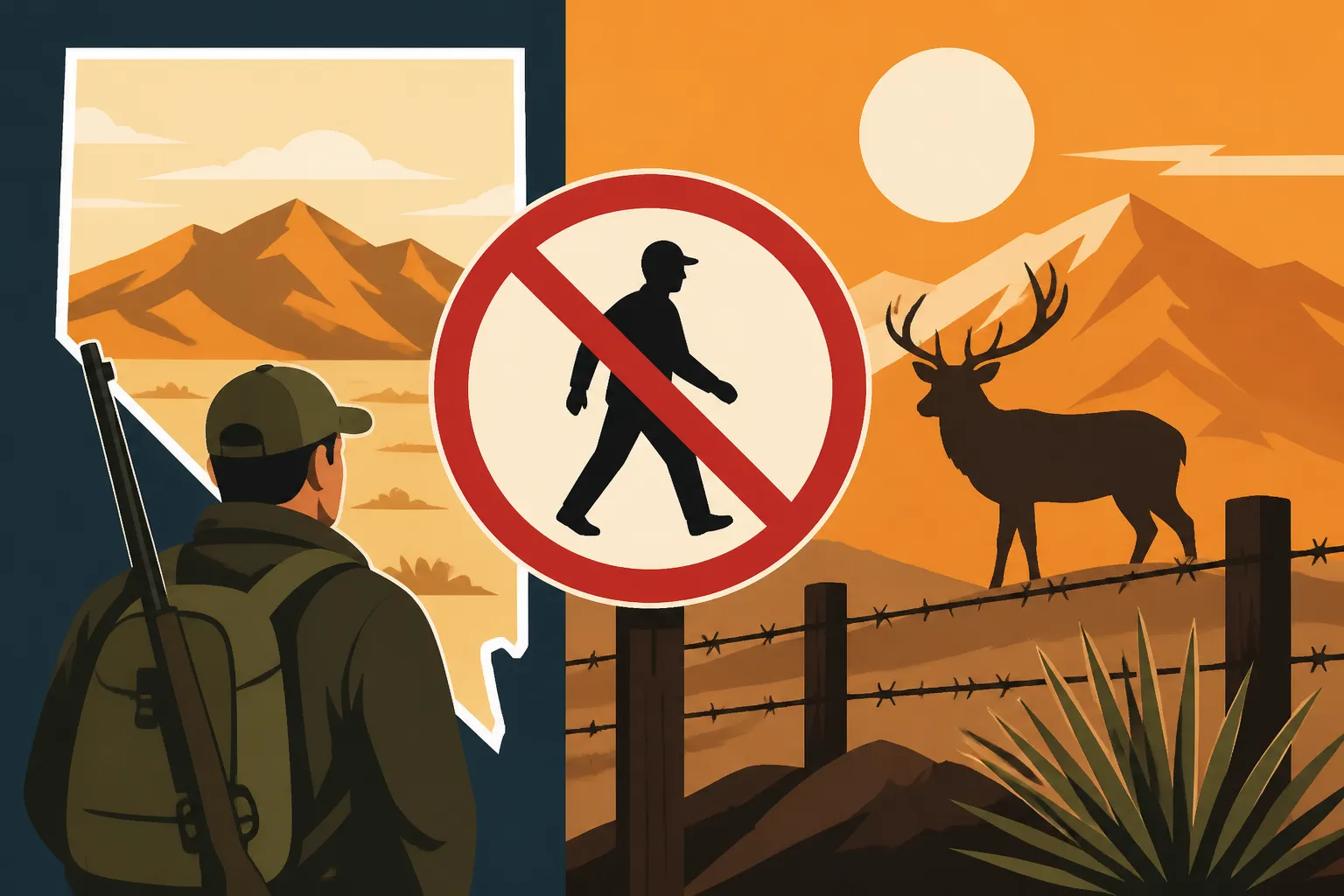
It’s happened to all of us: you’re deep in the Nevada backcountry, miles from pavement, focused on the hunt, when suddenly a faint, sun-bleached “No Trespassing” sign or a strip of painted fence wire catches your eye. That knot in your stomach is a familiar feeling for any hunter navigating the intricate patchwork of public and private land out West. Understanding Nevada's trespass laws on posted property isn't just about avoiding a fine; it's about respecting landowners, preserving hunting access, and upholding the integrity of our outdoor traditions. This guide will walk you through the specifics of what "posted" really means, how to avoid accidental trespass, and what to do if you find yourself in a sticky situation.
Decoding Posted Property Signs and Boundaries in Nevada
Navigating the vast landscapes of Nevada often means encountering a complex mosaic of land ownership. Unlike some states with clearer demarcations, the Great Basin can present a real challenge, with private parcels often appearing unexpectedly amidst vast stretches of public domain. Understanding what constitutes legally posted property is your first line of defense against accidental trespass.
What Legally Constitutes "Posted" Land?
In Nevada, "posted property" isn't just a suggestion; it carries legal weight. The state has specific requirements for how private land must be marked to constitute a legal trespass warning. It's not enough for a landowner to simply say it's private; they have to make it clear to anyone who might encounter it.
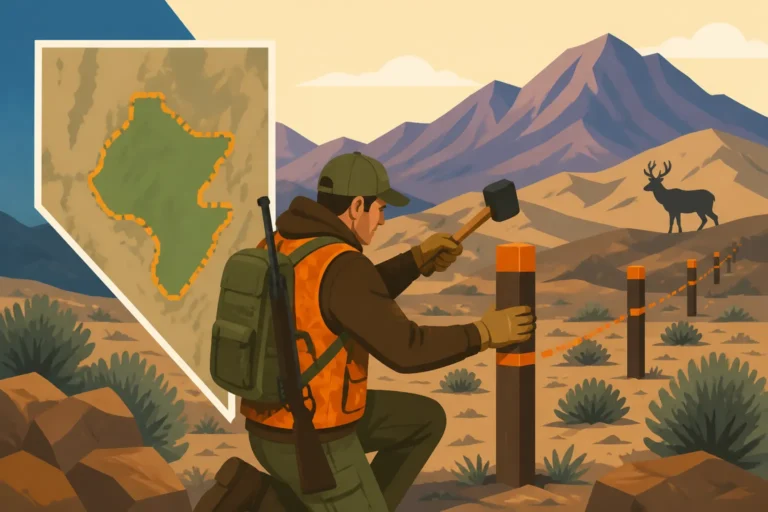
Generally, legal posting involves visible signs or markings at specific intervals. These signs often state "No Trespassing" or "Private Property" and might include contact information for the landowner. They should be placed at corners, along property lines, and at common access points where someone might enter the land. You might also encounter painted posts or trees, often in a bright, distinct color, which can also serve as a legal warning. Fences, while a physical barrier, don't automatically constitute posted property in all contexts, but a fence coupled with signs or paint certainly does. The key is that the posting must be reasonably conspicuous to a person exercising ordinary care. This means you can't just claim ignorance if the signs were clearly there. It's on you, the hunter, to be observant and understand these markers.
Navigating the Public-Private Land Maze
Nevada, like many Western states, is famous for its "checkerboard" land ownership patterns, particularly in areas near old railroad grants. Imagine a giant chessboard laid over the landscape, where alternating squares are private and public. This can make hunting incredibly challenging, as a ridge you believe is public might drop into a private valley, or a canyon that appears accessible might be completely surrounded by private ground. These patterns are why just looking at a general map isn't enough; you need detailed land ownership data.
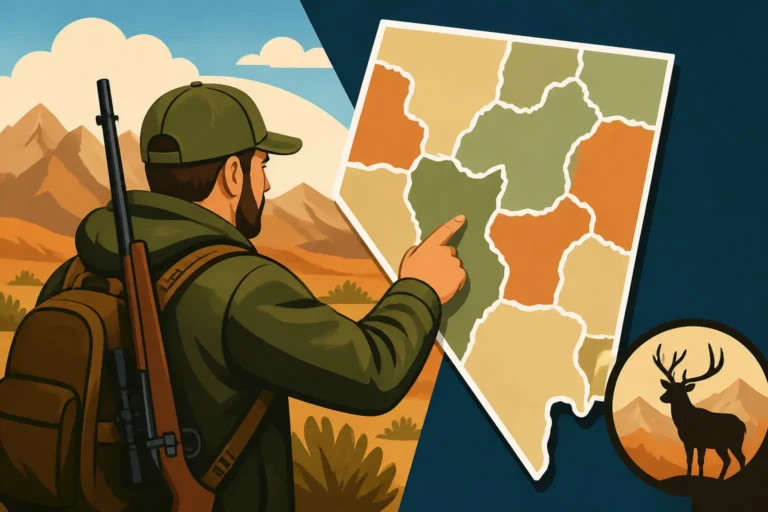
Beyond checkerboards, you'll find private in-holdings within National Forests or BLM acreage, sometimes with only a narrow easement for public access, or no public access at all. Roads that appear to be public might cross private land, and navigating them requires diligence. Always remember that while you might have the right to travel through an easement, you likely don't have the right to stop, hunt, or even walk off the designated path within that private stretch. It's a delicate balance, and mistakes can be costly. Reading a Nevada Unit Boundary Before You Apply is a crucial step to avoid these surprises. You'll want to delve into detailed maps long before you hit the field.
Understanding Nevada's Rules on Corner Crossing
"Corner crossing" refers to the act of stepping from one piece of public land to another by stepping over the common corner of two private land parcels without physically touching the private land. This has become a contentious legal issue in the West. While some argue that touching only air at the corner does not constitute trespass, landowners often maintain that any entry into their airspace, or even just the act of passing through a corner point that is theoretically theirs, is a violation.
In Nevada, as in other states, the legal landscape around corner crossing can be ambiguous and is often subject to local interpretation and specific court rulings. There isn't a clear, universally accepted legal precedent that makes it explicitly legal or illegal in all situations. For hunters, this means it's a high-risk maneuver. Until there's definitive state or federal law clarifying this, it's generally advisable to avoid corner crossing. The potential for a trespass charge, confrontation, or even civil action is too high. Always err on the side of caution. If you're unsure, find an alternative legal route, or secure explicit permission from the landowners before you even consider it.
Practical Strategies for Avoiding Accidental Trespass
Even the most well-intentioned hunter can accidentally cross a boundary in the field, especially in vast, open country where fences are few and subtle changes in terrain mark property lines. Modern technology and diligent pre-hunt planning are your best allies in preventing these situations.
The Indispensable Role of Mapping Technology
Gone are the days when a paper map and a compass were your only tools for land navigation. While those are still essential backups, digital mapping applications like onX Hunt and GoHunt have revolutionized how hunters interact with land ownership. These apps provide invaluable, real-time GPS tracking layered over detailed maps that clearly show public and private land boundaries, as well as features like roads, trails, and even water sources.
Imagine you're stalking a mule deer buck across a wide-open sage flat. With onX Hunt running on your phone, you can see your exact location in relation to property lines, depicted in different colors. This allows you to adjust your approach, knowing precisely where public ground ends and private begins. Many apps also include government survey markers, easements, and even landlocked public parcels, which can be critical for finding legal access. Before your hunt, ensure your maps are downloaded for offline use, as cell service in remote Nevada is often nonexistent. Relying on these tools isn't a crutch; it's a smart, responsible way to ensure you're always on legal ground. You can load Downloading Nevada Unit Boundary Layers directly into these apps for ultimate precision.
Pre-Season Scouting and Boundary Verification
While technology is powerful, it's not a substitute for diligent pre-season scouting and verification. Before you ever set foot in your hunt unit, dedicate time to thoroughly "e-scout" from home. Use satellite imagery on your mapping apps to identify potential access points, check for visible fences or roads that might mark boundaries, and get a feel for the terrain. This is also where you can look for areas with high Checking Public Land Percentage by Unit to focus your efforts.
Once you have a general idea, combine this with physical reconnaissance if possible. A drive through your hunt unit a few weeks before the season can reveal crucial details that satellite images might miss. Are there new "No Trespassing" signs? Are gates locked that were open before? Has a new fence been installed? These on-the-ground observations can save you a lot of headache during the actual hunt. Always cross-reference your digital maps with any physical postings you see. Sometimes, map data can be slightly off, or landowners may have updated their signage. E-Scouting a Nevada Unit Before the Season is a skill worth honing to maximize your time in the field and minimize the risk of trespass.
What to Do If You Realize You've Crossed Over
Despite all your precautions, it's possible you might inadvertently step onto private property. Perhaps you were tracking an animal, or visibility was poor, or the boundary was simply unmarked. The most important thing is to act immediately and responsibly.
First, stop where you are. Do not continue hunting or moving deeper onto the private land.
Second, immediately reorient yourself using your GPS or mapping app. Pinpoint your exact location and the property line.
Third, retraçe your steps carefully and directly back to public land. Do not take a shortcut, even if it seems faster, as this could appear as intentional trespass.
Fourth, do not harvest an animal while on private land, even if it was shot on public land and fell just over the line.
If you encounter a landowner or manager, be polite, apologetic, and explain that it was an honest mistake. Show them your GPS if you have it to demonstrate your attempt to stay legal. A calm, respectful demeanor goes a long way. The goal is to correct the mistake quickly and respectfully, minimizing any potential conflict or legal repercussions.
Here’s a quick checklist to help you stay on legal ground:
| Task | Description | Why It Matters | Tool/Resource |
|---|---|---|---|
| Review Hunt Unit Maps | Get the official boundary maps for your chosen unit. | Essential for understanding the general area and any complex land features. | Nevada Department of Wildlife (NDOW) website, paper maps |
| Use Digital Mapping Apps | Load your hunt unit onto apps like onX Hunt or GoHunt. | Provides real-time GPS tracking and visible land ownership boundaries in the field. | onX Hunt, GoHunt, other GPS apps |
| Identify Private Land Parcels | Specifically mark or highlight private land within or bordering your hunt area. | Crucial for planning your routes and avoiding accidental trespass. | Digital mapping apps, county assessor websites |
| Locate Potential Access Points | Find legal roads, easements, or public access points into public land. | Ensures you're not inadvertently crossing private land to access public ground. | BLM maps, Forest Service maps, digital mapping apps |
| Scout for Physical Markers | Look for fences, "No Trespassing" signs, or painted posts during pre-season scouting. | Ground-truthing your maps helps verify boundaries and identify specific postings. | Binoculars, in-person scouting, trail cams (where legal) |
| Research Corner Crossing Status | Understand the legal specifics of corner crossing if applicable to your area. | Avoids legal gray areas and potential charges in contentious areas. | State laws, local ordinances, legal counsel if necessary |
| Pre-contact Landowners | If hunting near known private land, consider asking for permission in advance. | Builds good will and provides a clear path for game retrieval if needed. | Local contacts, county records for landowner information |
Retrieving Game from Private Land and Other Sticky Situations
Sometimes, even with the best planning and execution, circumstances put you in a tough spot regarding private land. A wounded animal, a critical retrieve, or simply the need to cross a corner can create complex ethical and legal dilemmas.
When Your Animal Drops on Posted Property
This is perhaps one of the most agonizing scenarios for a hunter: you make a good shot on an animal on public land, but it runs a short distance and expires just over the fence on private, posted property. Legally, that animal is yours once tagged, but the land it's on is not. This is not an open invitation to trespass to retrieve it. Doing so can quickly turn a successful hunt into a legal nightmare.
Your first step is not to cross the fence. Instead, immediately contact the Nevada Department of Wildlife (NDOW) or local law enforcement to report the situation. They can often assist in making contact with the landowner on your behalf. More importantly, you must attempt to contact the landowner yourself to request permission to retrieve your animal. This might require some detective work using county assessor records (often available online) to find contact information. Be respectful, explain the situation clearly, and offer to work around their schedule or even compensate them for their time. Some landowners are understanding and will grant access; others may refuse. If they refuse, you are legally bound to respect their decision, even if it means losing your animal. It's a tough pill to swallow, but it's the law. This is why it's so important to have made an effort to establish relationships or at least identify landowners in areas bordering your hunt.
Respecting Private Property Even Without Explicit Posting
While Nevada law outlines specific requirements for legal posting, it's always good practice to respect private property even when the signs aren't perfectly aligned or visible. This concept falls under the "good neighbor" policy that is vital for maintaining positive hunter-landowner relations. Just because a fence line isn't plastered with "No Trespassing" signs doesn't mean it's open for public use.
Look for cues like agricultural activity, maintained roads that lead to homes, or even subtle changes in vegetation that indicate managed land. Assume that unposted land that is clearly cared for or actively used is private unless you have explicit information otherwise. This proactive respect can prevent misunderstandings and builds trust within the community. Hunters have a collective responsibility to portray themselves as ethical and law-abiding, and every interaction with private landowners contributes to that image. Keep an eye out for Why Some Nevada Valleys Are Entirely Private and plan your hunting accordingly.
Securing Permission: The Best Defense
The absolute best way to avoid any trespass issues is to secure explicit permission from landowners before you step foot on their property. This is particularly relevant if you plan to hunt areas with mixed ownership or need to cross private land to reach public access. Getting Landowner Permission in Nevada is a skill that takes time, politeness, and persistence, but the rewards are significant.
Start early, well before hunting season. Research who owns the land using county parcel maps or assessor websites. Draft a polite, concise letter or be prepared for an in-person visit. Introduce yourself, explain your intentions, and be clear about what you're asking for (e.g., foot access for hunting, vehicle access to a specific gate, permission to retrieve a downed animal if needed). Always offer to share your contact information and provide proof of hunter education and insurance. Be prepared for "no" as an answer, and accept it gracefully. Remember, landowners are under no obligation to grant you access. A simple "thank you" for their time, regardless of their decision, goes a long way. Building these relationships can unlock incredible hunting opportunities and ensures you're always on the right side of the law. Don't forget to ask about specific rules or restrictions they might have, such as no vehicle access, specific hunting times, or limitations on where you can shoot.
The Serious Consequences of Trespassing and Ethical Imperatives
Trespassing while hunting isn't a minor infraction; it carries significant legal penalties and has far-reaching consequences for the entire hunting community. Understanding these implications should underscore the importance of strict adherence to land ownership laws.
Legal Ramifications: Fines, Penalties, and More
In Nevada, trespassing can lead to serious legal repercussions. Depending on the specific circumstances and whether it's a first offense or repeat violation, penalties can range from substantial fines to imprisonment. For hunters, a trespass conviction can also result in the loss or suspension of your hunting license and privileges, not just in Nevada but potentially in other states through interstate compacts. Imagine drawing a coveted elk tag and then losing your ability to hunt due to a preventable trespass violation.
Furthermore, if property damage occurs during a trespass, you could face additional charges and be liable for civil damages. If a landowner feels threatened or believes you were acting maliciously, charges could escalate. Law enforcement takes these violations seriously, as private property rights are a cornerstone of state law. It’s far more than just getting yelled at; it can involve court appearances, legal fees, and a permanent mark on your record. This isn't a situation you want to find yourself in.
Erosion of Public Access and Hunter Reputation
Beyond the personal legal consequences, every instance of hunter trespass contributes to a larger, more damaging trend: the erosion of public trust and hunting access. When hunters disrespect private property, landowners become less inclined to allow any access, even for legitimate reasons like game retrieval or crossing to isolated public parcels. This can lead to more "No Trespassing" signs, locked gates, and animosity towards hunters in general.
The actions of a few individuals can negatively impact the entire hunting community. Our collective reputation as ethical, responsible conservationists is fragile. Every time a hunter is caught trespassing, it fuels anti-hunting sentiment and provides ammunition for those who seek to limit or abolish hunting altogether. It gives legitimate landowners a reason to deny access and makes it harder for everyone to enjoy the outdoors responsibly. We must constantly strive to demonstrate respect for private property, wildlife, and the land itself, ensuring that hunting remains a valued tradition for future generations.
Upholding the Hunter's Code of Conduct
Ultimately, understanding and respecting trespass law is a fundamental component of the hunter's code of conduct. It's about more than just following rules; it's about demonstrating respect – respect for the land, for landowners, for wildlife, and for fellow hunters. A true sportsman knows that ethical conduct extends beyond the kill, encompassing every aspect of their time in the field.
This means being prepared, knowing your unit boundaries, and having the tools (like onX Hunt or GoHunt) to stay legal. It means having the integrity to turn back if you realize you've crossed a line, even if it means missing an opportunity. It means making the effort to build relationships with landowners rather than relying on chance. By consistently upholding these standards, we reinforce the positive image of hunters as responsible stewards of the land and its resources. We protect not just our individual right to hunt, but the future of hunting for everyone.
Disclaimer
This article is for general informational purposes only and does not constitute professional advice. Laws, prices and regulations vary by location and change over time. Consult a qualified professional for guidance on your specific situation.