Corner Crossing Legality in Nevada
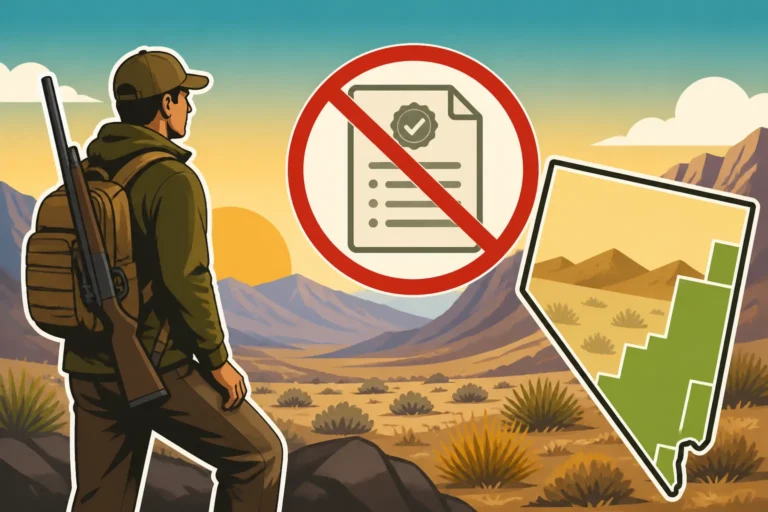
You’ve been pouring over your maps, maybe an onX Hunt layer, planning out your dream hunt in Nevada, when suddenly, you see it: that dreaded checkerboard pattern. Public land, stretching out in a beautiful grid, but with private parcels tucked in between, and sometimes, those public and private corners just touch. It leaves you scratching your head, wondering, "Can I step from one piece of public land to another if I just cross over that exact corner point? Is that legal?" This guide is here to untangle the confusion surrounding corner crossing in Nevada, offering insights into the legal ambiguities and practical advice for navigating these tricky spots safely and ethically.
Understanding the "Corner Crossing" Conundrum
The issue of corner crossing has become a hotly debated topic across the West, especially in states like Nevada where public land is abundant but often intermingled with private holdings in a way that feels like a giant, frustrating chessboard. It’s a challenge that many hunters, anglers, and outdoor enthusiasts face regularly.
The Checkerboard Land Ownership Puzzle
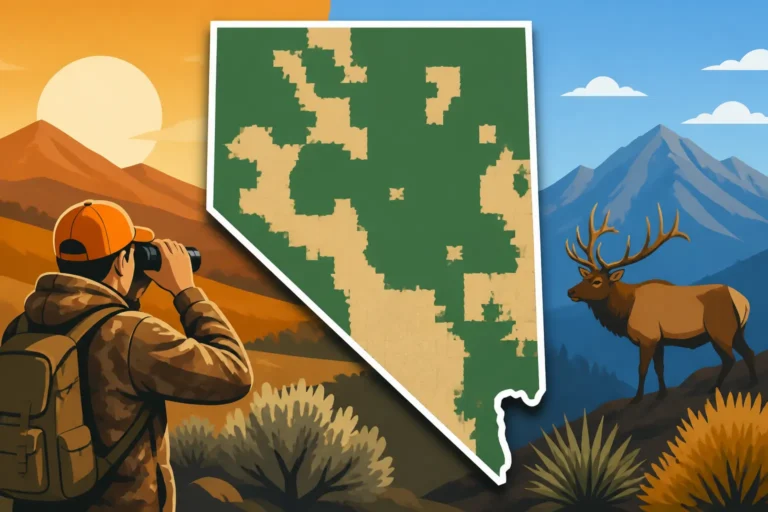
To truly grasp the corner crossing dilemma, you need to understand its historical roots. Many western states, including Nevada, were settled under land grant systems, particularly railroad grants, where alternating sections of land were given to private entities (like railroads) and the state or federal government. This created the classic "checkerboard" pattern we see on maps today, where a square mile of public land might be directly adjacent to a square mile of private land, then another public, then another private, all cornering each other.
Imagine you're standing on a ridge overlooking a vast basin, with your onX Hunt app open, and you see four squares of land meeting at a single point. Two of those squares are public land, and the other two are private. Your destination, a prime piece of mule deer habitat, is on the public square directly across that single corner point. The frustration is real; it feels like you're so close, yet potentially so far, because walking around the private parcels could add miles and hours to your trek. This interwoven pattern, while historical, presents a very modern problem for public land access. You can really see this challenge when you start Reading a Land Ownership Layer Correctly.
The Core Dilemma: Airspace vs. Ground Access
At the heart of the corner crossing debate is a legal concept often referred to as "trespass by air." The argument is this: if you step directly from public land, across the single point where four sections meet, to another piece of public land, are you technically trespassing? You're not putting your foot on the private land itself, only passing over its corner point, potentially through the airspace directly above it.
Private landowners often argue that their property rights extend upward indefinitely, and therefore, passing through the airspace, even just at a corner, constitutes trespass. They feel that it infringes upon their ability to manage their land and that the corner is an integral part of their property boundary. On the other hand, public land advocates argue that as long as no physical contact is made with the private ground, and access is not obstructed to adjacent public land, it should not be considered trespass. They contend that restricting such passage effectively "landlocks" public land, denying legitimate access. It’s a nuanced legal dance between property rights and public access, and it’s why so many hunters feel caught in the middle.
The Legal Landscape: Nevada's Approach to Corner Crossing
When it comes to corner crossing, each state has its own unique legal framework, or in some cases, a notable lack of explicit law. Nevada, like many western states, doesn't have a simple, straightforward answer, which only adds to the complexity for hunters trying to do the right thing.
Nevada's Specific Laws (or Lack Thereof)
Here's the rub: Nevada's statutes do not explicitly address "corner crossing" as a specific act. Unlike some other states where high-profile court cases or legislative efforts have brought this issue to a head, Nevada has largely remained quiet on the specific legality of stepping over a shared public/private land corner. This doesn't mean it's automatically legal or illegal; it just means there's no precise statute saying, "Yes, you can," or "No, you absolutely cannot."
Nevada does have general trespass laws, of course. These laws typically focus on entering or remaining on private property without permission. The ambiguity arises because, in a corner crossing scenario, a person isn't physically entering or remaining on the private property itself, but rather moving from public to public land, intersecting only at a single point. This lack of specific legislation leaves a gray area, where interpretation often falls to local law enforcement or, eventually, the courts if a situation escalates. For hunters, this translates into a higher degree of uncertainty when encountering these specific land patterns. Understanding general Trespass Law on Posted Property is a good start, but corner crossing adds a layer of complexity.
The "Trespass by Air" Argument in Nevada
As mentioned, the core of the corner crossing debate hinges on the "trespass by air" concept. In Nevada, where do we stand on this? While property rights traditionally include the airspace above one's land, modern interpretations often limit this to a reasonable height necessary for the enjoyment and use of the property. For example, airplanes flying thousands of feet overhead aren't trespassing, but a drone hovering a few feet above your backyard might be.
In the context of corner crossing, the question is whether merely passing through the air at a corner point, without touching the ground, is a violation of that landowner's airspace rights. Without specific Nevada case law directly addressing corner crossing, any enforcement would likely rely on a broad interpretation of existing trespass statutes. This ambiguity puts both hunters and landowners in a difficult position, as neither has definitive legal precedent to lean on. It creates an environment where discretion and courtesy become paramount, even in the absence of clear legal guidance.
Practical Implications for Hunters
So, what does all this ambiguity mean for you, the hunter, out in the field? Primarily, it means risk. Even if a strong legal argument could be made that corner crossing isn't trespass in Nevada, the lack of clear law means you could still face confrontation from landowners, be cited for trespass by local authorities, or even have your hunting license suspended while the issue is sorted out. The legal battle, even if you eventually win, could be costly and time-consuming.
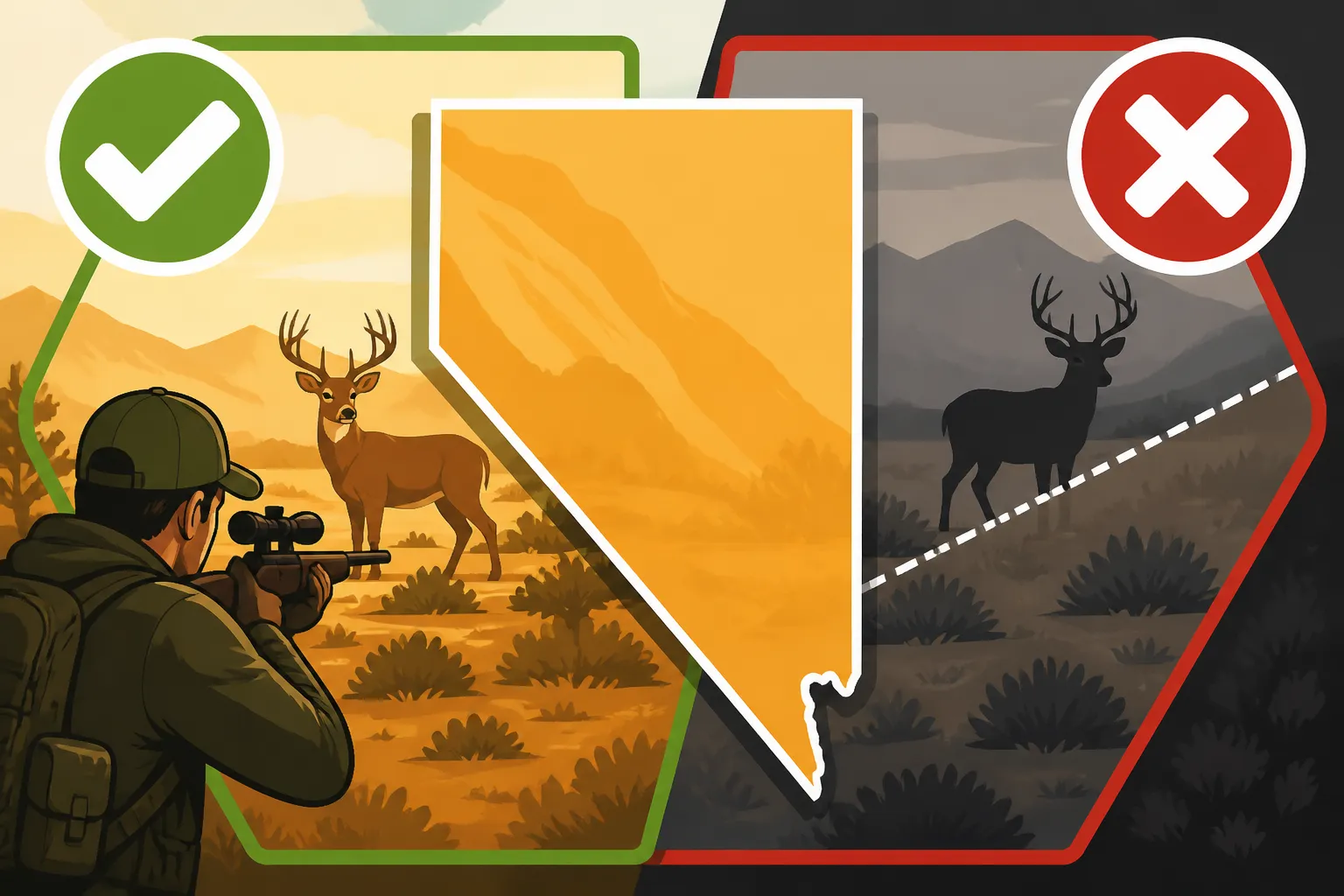
Therefore, for a Nevada hunter, the most prudent approach is often to avoid corner crossing altogether unless you have explicit permission from the landowners involved. It's a tough pill to swallow when you see public land tantalizingly close, but the potential headaches and legal battles far outweigh the convenience of cutting a corner. This is why tools like GoHunt and onX Hunt are so crucial, allowing you to identify these checkerboard patterns well in advance so you can plan a route that sticks strictly to public roads, trails, or areas where you have clear permission. Being prepared for your hunt involves more than just physical fitness and sighting in your rifle; it means truly understanding the legal boundaries of where you can and cannot go.
Navigating Checkerboard Land: Practical Strategies for Hunters
When you're out in the vast and rugged Nevada landscape, the last thing you want is a confrontation over land access. The checkerboard land ownership, with its intermingled public and private parcels, demands a proactive and informed approach from hunters. Thankfully, there are solid strategies to help you navigate these tricky situations legally and without incident.
The Golden Rule: Know Before You Go
This can't be stressed enough: your best defense against inadvertently trespassing is thorough preparation before you even leave home. This means spending significant time with maps and digital scouting tools. Modern technology has revolutionized this process, making it easier than ever to delineate public and private boundaries.
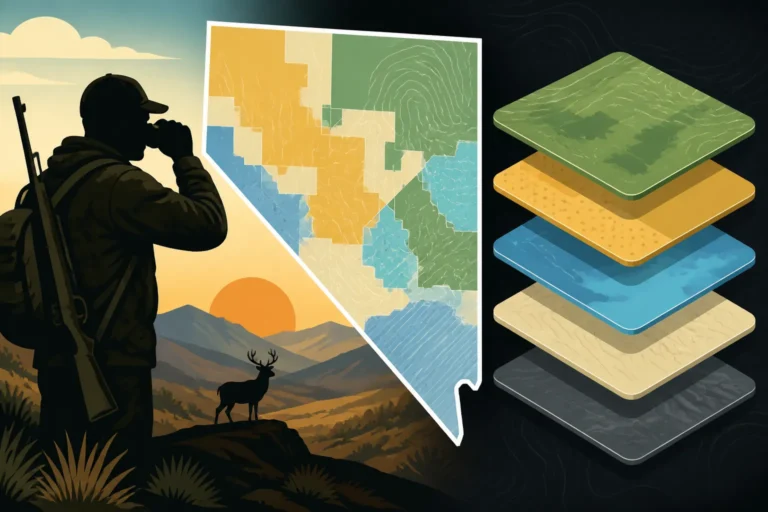
This is where applications like onX Hunt truly shine. They offer detailed land ownership layers that clearly mark public land, private land, and even delineate specific features like easements or wilderness areas. Before your hunt, dedicate time to zooming in on your chosen unit, identifying any areas where public and private land checkerboard or where public land becomes effectively Finding Landlocked Public Parcels. Use these tools to identify any potential corner crossing scenarios along your planned route. Mark alternative routes, even if they add extra miles. Planning is key. E-Scouting a Nevada Unit Before the Season is not just about finding game; it's about understanding the terrain and the legal access points. You might even find it helpful to understand How Nevada Numbers Its Hunt Units to better interpret the maps and regulations.
Seeking Permission: The Safest Bet
While it might seem daunting, reaching out to private landowners is often the safest and most respectful way to handle land access, especially near those contentious corners. Many landowners are reasonable and appreciate being asked, rather than simply assumed.
Start by identifying the landowner through public county records if the mapping apps don't provide contact information. Be polite, explain your intentions clearly, and respect their decision, whatever it may be. Even if they decline permission to cross a specific corner, this conversation builds goodwill and might open doors for other access in the future. Remember, it's their land, and they have the right to control who steps on it. A simple "no" is an answer, not an invitation to argue. This approach is fundamental to Getting Landowner Permission in Nevada and fostering positive hunter-landowner relationships.
Understanding Easements and Public Access
In some very specific circumstances, there might be established easements that grant public access across private land, or that explicitly clarify access at a corner. An easement is a legal right to use another's land for a specific purpose. For hunters, this might mean a public right-of-way across a private parcel to reach public land beyond it.
However, these are relatively rare in the context of corner crossing. Do not assume an easement exists unless you have definitive proof (e.g., it's clearly marked on a legal map, or you've confirmed it with land management agencies like the BLM). Most general purpose land ownership layers in onX Hunt or GoHunt will often indicate these if they are formally recorded. If you are ever in doubt, err on the side of caution and avoid the area. Relying on an assumed easement could lead you right back into a trespass situation. Always double-check and verify any claims of public access across private land. It's also important to be aware of Motorized Travel Rules on Public Land and ensure you're not inadvertently creating new access issues.
Beyond Legality: Respect, Ethics, and Avoiding Confrontation
Hunting in Nevada is an incredible privilege, and with that privilege comes a responsibility to act ethically and respectfully, not just toward the game animals we pursue, but also toward the land and other users—including private landowners.
Documentation and Diligence in the Field
Even with the best pre-hunt planning, situations can arise in the field. Maybe your GPS battery dies, or you find a fence that wasn't on the map. If you ever find yourself near a contentious corner, or if you're confronted by a landowner or law enforcement, your diligence can make a huge difference.
Always carry a physical map alongside your digital tools. Have your hunting license and tags readily accessible. If you're confident you are on public land or have permission, calmly and respectfully explain your position. If you have GPS tracks showing your movement, these can be invaluable. However, avoid arguing or becoming defensive. If asked to leave, it's generally best to comply, even if you believe you are in the right, and then seek clarification from the appropriate authorities (like the Nevada Department of Wildlife or the Bureau of Land Management) later. Documenting the interaction, including time, location, and any identifying information (without being confrontational), can be helpful if further action is needed. Remember, getting your harvest out safely and legally often means making smart, cautious decisions in the field, even when the pressure is on. This level of preparation extends to all aspects of your hunt, including Preparing Physically for Long Glassing Days and ensuring you have reliable communication like Satellite Messenger Use in Remote Country.
The Ethical Hunter's Approach
Ultimately, beyond the letter of the law, there's an ethical component to navigating land access. A true conservationist and ethical hunter respects property rights, whether public or private. Even if Nevada law were to explicitly state that corner crossing is permissible, the ethical choice might still be to seek permission or find an alternative route if it means avoiding potential conflict or disrespecting a landowner's wishes.
We want to be good stewards of the land and ambassadors for hunting. Confrontations over land access can sour relationships between landowners and the hunting community, potentially leading to further restrictions or negative perceptions. By demonstrating respect, seeking permission when appropriate, and diligently understanding property boundaries, we help ensure continued access and a positive future for hunting in Nevada. Remember that public land is a precious resource, and how we use it, and interact with those who share its boundaries, reflects on all of us. Thinking about How Guzzlers Support Desert Wildlife and the partnerships that create these resources can also put land use into perspective.
Here's a quick look at common land access scenarios and how to approach them:
| Scenario Description | Land Ownership Confirmed? | Hunter's Best Action | Potential Outcome of Poor Action |
|---|---|---|---|
| Clearly marked private land | Yes, via map and signage | Do not enter; find alternative public route. | Trespass charge, confrontation |
| Unmarked corner, adjacent to private | Yes, via map | Avoid corner crossing; seek permission or find alternative route. | Potential trespass, confrontation |
| Corner with fence and no gate | Yes, via map | Do not attempt to cross; treat as impassable private property. | Property damage, trespass charge |
| Private land blocking all public ways | Yes, via map | Seek landowner permission or contact land management agency. | Landlocked public, no legal access |
| Public land with clear access point | Yes, via map | Proceed confidently, adhering to all public land regulations. | Smooth, legal access |
| Private land with landowner permission | Yes, via map and verbal | Enter respectfully, follow any specific conditions from landowner. | Trust built, future access possible |
This article is for general informational purposes only and does not constitute professional advice. Laws, prices and regulations vary by location and change over time. Consult a qualified professional for guidance on your specific situation.