How to Ask a Nevada Rancher for Access
Hunting in Nevada, with its vast public lands, can still present a unique challenge: those tantalizing pockets of public ground that are completely landlocked by private ranchland. It’s a frustrating reality when you see prime habitat on a map but can't legally set foot on it without crossing someone else's property. This guide is all about giving you the tools and the confidence to respectfully approach a Nevada rancher and ask for access, turning a potential roadblock into an opportunity for a memorable hunt.
Understanding the Landscape: Why Rancher Access is Crucial in Nevada
Nevada is often celebrated for its incredible amount of public land, and rightfully so. It's the most federally owned state in the Lower 48, offering hunters millions of acres to roam. Yet, even with all that wide-open space, you'll inevitably encounter situations where private property, usually working ranches, creates a barrier to what should be accessible public hunting grounds. It's a complex puzzle, and understanding this reality is the first step toward navigating it successfully.
The Checkerboard Reality of Land Ownership
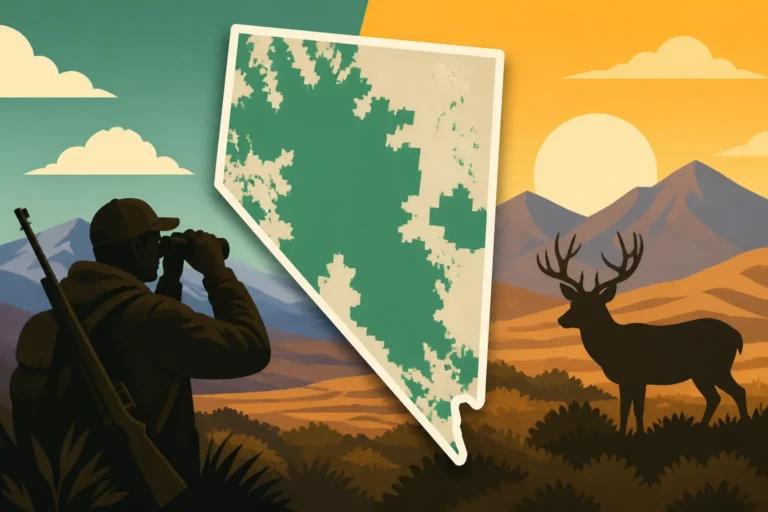
If you spend any time looking at a land ownership map of Nevada, especially through a tool like onX Hunt, you'll quickly notice it's not a simple block of public land here and private land there. Instead, you often see a "checkerboard" pattern, particularly in areas where historical railroad grants or homesteading laws created alternating sections of public and private ownership. Imagine trying to hunt a square mile of BLM ground when every adjacent square is privately owned. This creates what's often referred to as "landlocked" public land.
These private holdings aren't just arbitrary lines on a map; they represent generations of families raising cattle, haying fields, and making a living off the land. Their fences, roads, and waterways are integral to their operations. To them, these aren't just hunting spots; they are their homes and their livelihoods. Respecting this perspective is paramount when you're considering asking for access. It’s not just about a legal boundary; it's about their personal space and economic well-being. Knowing the exact boundaries, perhaps by learning how Nevada numbers its hunt units, can help clarify these complex ownership patterns.
The Challenge of Landlocked Public Land
It’s truly disheartening to scout a unit from home, using satellite imagery to pinpoint promising draws or water sources on public land, only to discover that the only way to get there is by crossing private property. This isn't just a minor inconvenience; it can completely derail a hunt plan. Hunters often lament these situations, feeling like they're being denied access to land that should technically be theirs to use.
However, this challenge also presents an opportunity. When you do secure permission, you're not just gaining access; you're often getting into areas that few other hunters can reach. This can lead to less pressured animals and a more secluded, high-quality hunting experience. The key is understanding that "landlocked" doesn't necessarily mean "impossible." It just means you need to engage in a little diplomacy and relationship-building. Many of these areas concentrate desert game, especially around crucial water sources.
Preparing for the Conversation: Doing Your Homework
Before you even think about knocking on a rancher's door, there’s some crucial legwork you need to do. Showing up prepared demonstrates respect for their time and property, and it significantly increases your chances of a positive outcome.
Identifying the Right Rancher and Property
The first step is to definitively identify who owns the land you wish to cross. This is where tools like onX Hunt become invaluable. You can overlay property lines with public land boundaries, clearly showing who owns what. Don't just assume; verify. Sometimes, the person living in the house isn't the owner, but rather a lessee or a ranch hand. You want to speak directly with the landowner or their designated manager.
Once you know the name and the boundaries, research the specific parcel. Is it active pasture land? Does it have cattle, horses, or other livestock? Are there cultivated fields? Understanding the ranch's operations helps you frame your request in a way that shows you're aware of their daily life and potential concerns. For example, if it's calving season, your request might be less welcome than during another time of year. Knowing Reading a Nevada Hunt Unit Before You Apply can give you a better grasp of the terrain and potential land uses within your target area.
Researching the Rancher and the Area
Beyond just the property lines, try to learn a bit about the ranching family or operation. Are they known to allow hunting? Have there been issues in the past? Sometimes a quick chat with locals in the nearest small town or a visit to the local feed store can yield valuable insights. This isn't about being nosy; it's about understanding the local culture and avoiding missteps.
Tools like GoHunt can provide some background on historical draw odds and hunter success in certain units, which might subtly inform your conversation by demonstrating your seriousness about hunting the area. While this won't directly help with permission, it shows you've done your homework on the hunting aspect, which can be a good conversation starter. You might even find some local knowledge about Hunting Water in Nevada's Driest Country, which could be a shared interest with a rancher.
Consider the layout of the land. Is there an obvious, non-intrusive path you could take to access the public land? Can you propose walking a fence line or an old two-track road that won't disturb livestock or critical infrastructure? Having a proposed route, clearly marked on a map, shows you've thought through the logistics and are trying to minimize your impact.
| Preparation Step | Why it's Important | Tools to Use |
|---|---|---|
| Identify Landowner | Ensures you're speaking to the decision-maker; avoids wasted time. | onX Hunt, County Assessor Websites |
| Understand Property Use | Helps tailor your request to their operations; shows respect for their livelihood. | Satellite imagery (onX Hunt, Google Earth), local observation |
| Research Local Reputation | Prepares you for potential concerns or past issues; helps gauge receptiveness. | Local conversations, online forums (with caution) |
| Plan an Access Route | Demonstrates thoughtfulness and minimizes perceived impact; offers a concrete solution. | onX Hunt, topographical maps |
| Know Your Hunting Dates/Species | Clear and concise request; shows you're serious and organized. | Nevada Big Game Seasons Document |
What to Bring to the Conversation
When you finally decide to make the approach, come prepared. This isn't just about having the right attitude; it's about having the right materials.
- A detailed map: A high-quality map showing the public land, the private land, and your proposed route. An onX Hunt printout or your phone/tablet with the app open is perfect. This helps avoid misunderstandings about where you want to go.
- Your hunting license and tags: Have them ready. It shows you're a legal, legitimate hunter.
- Identification: Your driver's license, clearly identifying who you are.
- A humble and respectful demeanor: This is probably the most important "thing" to bring. Your attitude speaks volumes before you even open your mouth.
- A small token of appreciation (optional but highly recommended): This could be a gift certificate to a local feed store, a nice bottle of wine, a box of chocolates, or even just offering to help with a chore around the ranch (if appropriate). This isn't a bribe; it's a gesture of goodwill and gratitude, whether they say yes or no. You might be surprised how far a genuine offer of help goes, especially in rural communities.
Making the Ask: The Etiquette of Approaching a Rancher
This is the moment of truth. How you present yourself and your request can make all the difference. Remember, you're asking for a favor, not asserting a right.
Timing Your Approach
Think about a rancher's day. They're up early, working late, often dealing with animals or equipment. Showing up at meal times, after dark, or during peak busy seasons (like planting, harvest, or calving) is generally a bad idea. Early to mid-morning, after the initial chores are done, or mid-afternoon before the evening rush, are often good windows. Weekends might be better for some, worse for others. If you see them out working, don't interrupt them in the middle of a critical task. Wait for a natural break or approach them at the house.
Consider the time of year as well. Asking for access right before opening day when they might be inundated with requests, or when they're dealing with issues like Heat Management on an August Archery Hunt, might not be ideal. A proactive approach weeks or even months before the season opens often yields better results. This gives them time to think about it and for you to build a little rapport.
What to Say and What Not to Say
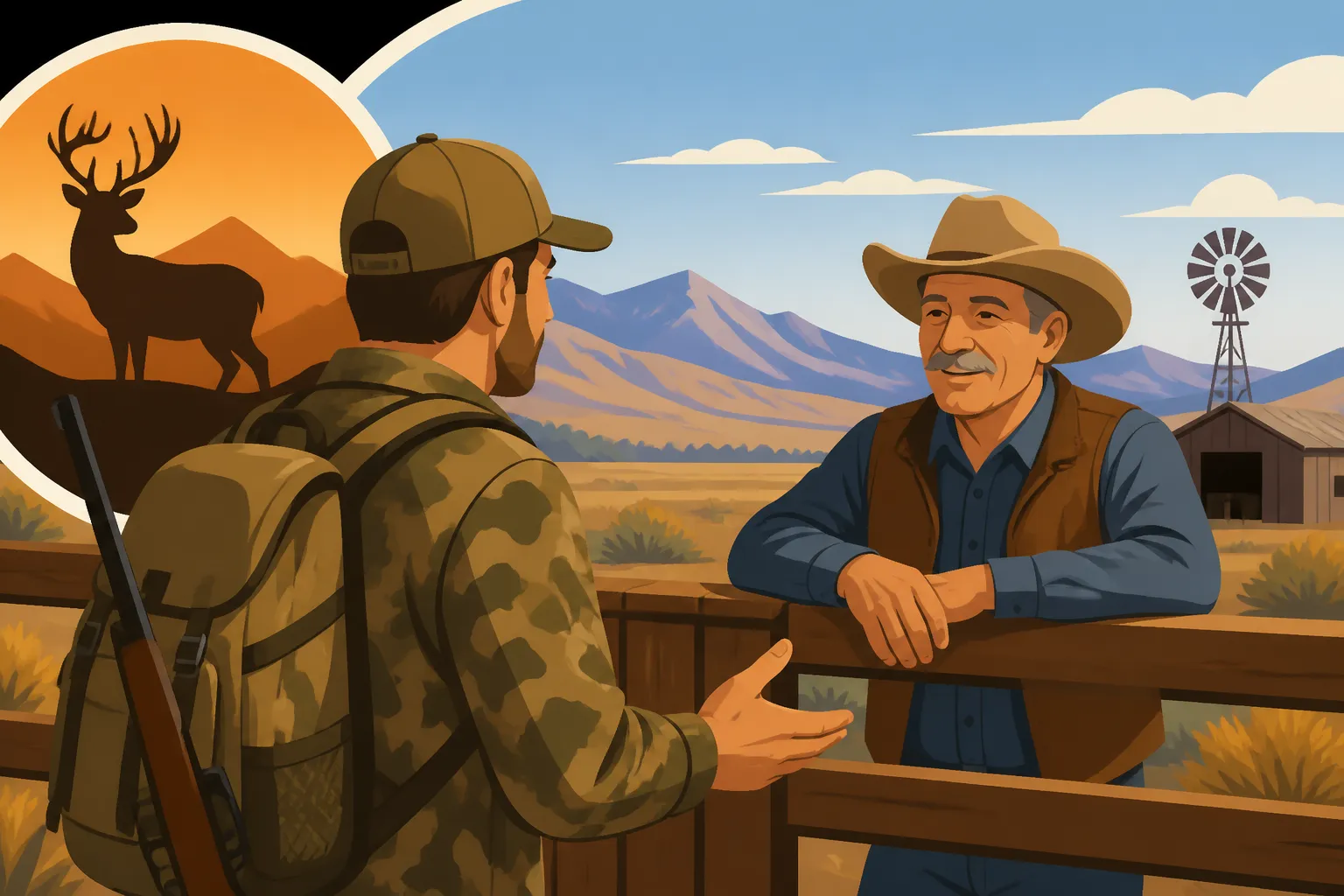
When you finally meet, start with a polite introduction. State your name, where you're from, and briefly why you're there. "Hello, Mr./Ms. [Rancher's Last Name], my name is [Your Name], and I'm a hunter from [Your Town]. I was hoping to speak with you for a few minutes about accessing some public land that borders your property."
Do:
- Be clear and concise: State exactly what you're asking for: permission to walk across a specific part of their land to reach public land, for a specific species, during specific dates.
- Show your map: Point out exactly where you want to go. "My map shows this patch of BLM ground right here, and it looks like the only way in is across this corner of your pasture."
- Emphasize respect for their property: "I will be extremely careful, close all gates, stay on existing roads/paths, and be mindful of your livestock."
- Offer your contact information: Give them your phone number and ask for theirs, or at least a way to contact them in an emergency.
- Offer to share: Some hunters offer to share game meat, or simply offer to let them know if they see anything suspicious (trespassers, broken fences, etc.) on their property. This can be a genuine help.
- Be polite if they say no: A gracious "thank you for your time anyway" leaves a positive impression, even if you don't get permission this time.
Don't:
- Assume anything: Don't assume they know who you are, what you want, or that they owe you access.
- Demand access: Never, ever act entitled. Even if it's the only way to public land, it's still their private land.
- Lie or exaggerate: Be honest about your intentions.
- Complain about landlocked public land: They didn't create the land ownership patterns, and complaining will only put them on the defensive.
- Show up with a group: Make the initial contact alone. If you get permission for multiple people, you can discuss that later.
- Bring up politics or other controversial topics: Stick to the matter at hand.
Offering Value and Respect
While you might not be able to offer monetary value directly for access, you can offer value in other ways. Being a good neighbor, even a temporary one, goes a long way.
- Offer to close gates: It sounds simple, but a promise to close gates and leave fences as you found them is huge for a rancher.
- Report issues: Offer to report any broken fences, stray livestock, or suspicious activity you might observe while on their property. You're effectively an extra set of eyes.
- Respect their rules: If they grant permission but have specific rules (e.g., "stay on the two-track," "no vehicles beyond this point," "don't disturb cattle in the north pasture"), adhere to them absolutely. Write them down if you need to.
- Leave no trace: Pack out everything you pack in, and perhaps even pick up some trash you find. Leave their property better than you found it. This applies to every hunt, especially when you're hunting on private land or accessing public land through private property. Consider this part of your Heat Management on an August Archery Hunt and general hunting ethics.
Navigating the Outcome: What to Do Whether You Get a Yes or No
The conversation is over. Now what? Your actions after the conversation are just as important as the conversation itself.
If You Get Permission: Setting Clear Expectations
Congratulations! You've successfully navigated the ask. But the work isn't over. This is where you solidify the good impression and ensure a smooth experience for everyone involved.
- Reiterate and confirm all terms: Make sure you both agree on the specifics: dates, times, access points, routes, vehicle use (or lack thereof), specific areas to avoid, and any other rules. If anything is unclear, ask. You might want to clarify rules around things like Baiting and Trail Camera Rules in Nevada if those are relevant to your hunt style.
- Provide your contact information: Give them your name and cell number, and if possible, get a number where you can reach them in an emergency or if you have a question.
- Thank them profusely: A genuine thank you goes a long way.
- Follow through on promises: If you said you'd close gates, close them. If you said you'd stay on a certain path, do it. Your word is your bond, and breaking it jeopardizes not only your future access but also the chances for other hunters who might ask in the future.
- Send a thank-you note: A handwritten card after the hunt, especially if you were successful, is a fantastic touch. It reinforces your gratitude and respect. This also applies if you were Retrieving Game From Private Land in Nevada.
- Share success (if appropriate): If you harvest an animal, offering to show it to the rancher or even sharing some of the meat can be a wonderful gesture, especially if they enjoy wild game.
If You Get Denied: Understanding and Respecting the Decision
It happens. Not everyone says yes, and that's perfectly okay. A "no" isn't a personal affront; it's their right as a landowner.
- Accept it gracefully: A simple, "I understand, thank you for your time anyway," is the appropriate response. Do not argue, beg, or show frustration.
- Don't press for reasons: They don't owe you an explanation. They might have had bad experiences in the past, or maybe they plan to hunt that area themselves, or they simply prefer not to have strangers on their property. Whatever the reason, respect it.
- Maintain a positive impression: Even a "no" can turn into a "yes" years down the road if you leave them with a positive memory of your interaction. You never know when circumstances might change, or if they might refer you to someone else.
- Seek alternative access: Go back to your maps. Is there another way in? A different corner? Sometimes, a longer walk on public land is the only option, but at least you know you tried the respectful approach first. Perhaps you need to revisit your e-scouting methods for Finding Landlocked Public Parcels and identify new routes.
Building Long-Term Relationships
The ultimate goal, beyond a single hunt, is to build a positive relationship with landowners. One positive interaction can open doors for years to come, not just for you but potentially for friends or family you might want to bring along later.
- Be consistent: If you get permission once, and want to return, repeat the process. Don't assume perpetual access. Re-introduce yourself, remind them of your previous visit, and re-confirm the terms.
- Offer help outside of hunting season: If you live nearby, occasionally offering a hand with a fence repair, checking on a water pump, or helping move cattle can establish a genuine, non-transactional connection.
- Share information: If you notice anything unusual or problematic on their property while you're hunting (like trespassers, broken infrastructure, or signs of disease in their livestock), let them know. This establishes you as a responsible and trustworthy individual.
Remember, every interaction is an opportunity to represent the hunting community in a positive light. By approaching Nevada ranchers with respect, thorough preparation, and a willingness to understand their perspective, you can often turn those frustrating landlocked areas into some of the most rewarding hunting experiences the state has to offer.
Disclaimer
This article is for general informational purposes only and does not constitute professional advice. Laws, prices and regulations vary by location and change over time. Consult a qualified professional for guidance on your specific situation.