What Happens After You File a Guide Complaint
It's incredibly frustrating when you invest your hard-earned money, time, and hopes into a guided hunting trip, only for it to fall short or, worse, go completely sideways. You're left with a bitter taste, a lighter wallet, and a lot of questions about what recourse you have. This guide is here to walk you through exactly what happens after you've decided to file a complaint against a hunting guide or outfitter in Nevada, offering a realistic look at the process and what you can expect.
The Initial Shock and Disappointment: Why You're Here
When a guided hunt doesn't live up to expectations, or outright goes wrong, it's more than just a bad day in the field; it's a profound disappointment. You've likely spent months, maybe even years, planning and saving for this experience. You dreamed of chasing mule deer across the high desert, or bugling a bull elk in the mountains. To have that dream tarnished by unprofessional conduct, safety concerns, or a blatant breach of contract can be devastating. It's perfectly normal to feel angry, cheated, or just plain sad. Understanding the avenues available for official complaints is the first step toward finding some resolution and ensuring others don't face the same issues.
What Constitutes a Valid Complaint?
It's important to differentiate between minor inconveniences, which are often part of any outdoor adventure, and genuine issues that warrant an official complaint. A truly valid complaint usually stems from something that directly impacts your safety, violates hunting regulations, misrepresents the service offered, or constitutes a significant breach of the agreement you had with the guide.
For example, if your guide consistently violated Nevada Legal Shooting Hours for Big Game, endangered you or other hunters, used illegal hunting methods like baiting where prohibited, or operated without the necessary licenses, these are serious grounds for complaint. Other issues could include a guide promising "guaranteed kills" (which is unethical and illegal in Nevada), failing to provide agreed-upon services (like transportation, lodging, or food), or showing up unprepared or under the influence. On the other hand, if you simply didn't see the trophy buck you hoped for, or the weather was bad, those are generally not grounds for a formal complaint, as hunting success is never guaranteed and weather is out of anyone's control. The key is whether the guide's actions or inactions directly violated laws, ethics, or the terms of your contract.
The Emotional Toll of a Bad Hunt
Beyond the financial aspect, the emotional toll of a bad guided hunt can be significant. Many hunters view these trips as once-in-a-lifetime opportunities, especially for species like bighorn sheep or trophy elk. The anticipation builds for months, fueled by daydreams and gear purchases. When the experience sours, it's not just money lost; it's a lost opportunity, a memory that should have been cherished but instead is tinged with regret and frustration.
You might feel a sense of betrayal, especially if you felt the guide was unprofessional or dishonest. This kind of experience can make you wary of booking future hunts, even with reputable outfitters. It can erode trust in the hunting community and diminish the joy you usually find in the outdoors. Recognizing this emotional impact is crucial, and it's why pursuing a complaint, while sometimes daunting, can be an important step in reclaiming your sense of fairness and holding irresponsible individuals accountable.
Understanding the Official Channels: Where to File Your Complaint
Navigating the complaint process can feel like wading through a thicket of regulations, but knowing which agencies are responsible is half the battle. In Nevada, you'll primarily be dealing with state wildlife authorities, and potentially federal land management agencies if your hunt took place on public lands.
The Nevada Department of Wildlife NDOW: Their Role in Licensing
The primary agency for most hunting guide complaints in Nevada is the Nevada Department of Wildlife (NDOW). This department is responsible for issuing and regulating hunting guide licenses within the state. They have the authority to investigate complaints, enforce regulations, and, if warranted, take disciplinary action against licensed guides and outfitters.
When you file a complaint with NDOW, you're essentially bringing a case against the guide's professional conduct and their adherence to state laws and licensing requirements. NDOW holds guides to certain standards, and complaints regarding safety violations, unethical practices, or operating without proper licensure fall directly under their purview. They can impose penalties ranging from warnings to fines, license suspension, or even permanent revocation. It’s important to understand How NDOW Licenses Hunting Guides so you know what standards they are expected to uphold.
Federal Agencies for Public Land Hunts: BLM and Forest Service
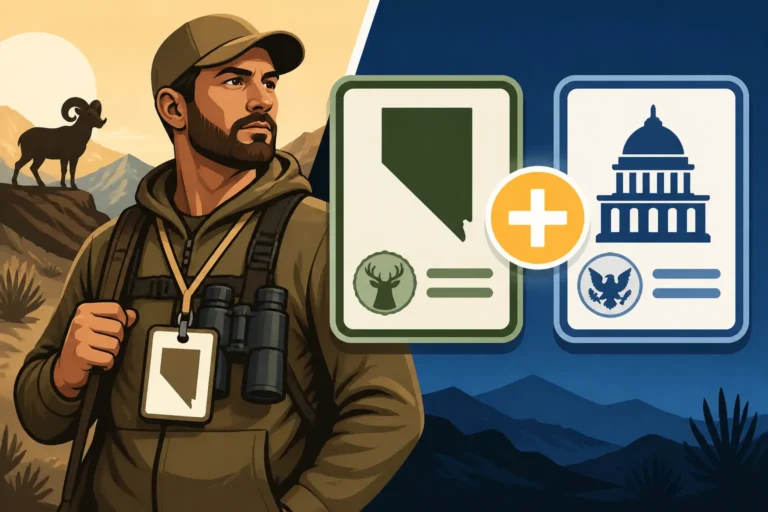
Many guided hunts in Nevada take place on vast expanses of public land managed by federal agencies, such as the Bureau of Land Management (BLM) and the U.S. Forest Service. If your guided hunt was on these lands, the guide or outfitter is required to hold special use permits from these federal agencies in addition to their state license. Why Nevada Guides Need Federal Permits on Top of a State License is a crucial piece of information to understand here.
If your complaint involves issues related to land use, environmental violations, or disregard for the terms of their federal permit (e.g., leaving trash, damaging resources, operating outside their permitted area), you may also need to file a complaint with the specific BLM field office or National Forest district that manages the area where your hunt took place. These federal agencies can investigate violations of their land use regulations and can also impose penalties, including revoking a guide's special use permit, which would prevent them from operating on those public lands in the future.
Alternative Dispute Resolution and Legal Recourse
Sometimes, an official complaint to a licensing agency isn't the only, or even the most effective, path. For issues primarily concerning contractual disputes, financial disagreements, or services not rendered, you might consider alternative dispute resolution methods. This could involve mediation, where a neutral third party helps you and the outfitter reach a mutually agreeable solution, or arbitration, where a neutral party makes a binding decision.
In more serious cases, especially those involving significant financial loss or gross negligence, you might need to pursue legal action through small claims court or by consulting an attorney. A lawyer can advise you on the strength of your case and the best course of action. This is often a last resort, as legal battles can be costly and time-consuming, but it can be necessary to recover damages or enforce a contract. Before taking this step, make sure you have meticulously documented everything.
The Complaint Process, Step-by-Step in Nevada
Once you've decided to move forward, understanding the practical steps and what to expect after you Filing a Complaint About a Nevada Guide is key to navigating the system effectively. The process generally involves submitting detailed information, an investigation, and then a decision on potential enforcement actions.
Documentation is Your Best Friend: What to Gather Before and After
The strength of your complaint hinges almost entirely on the quality and completeness of your documentation. Before you even submit a complaint, gather everything you can. This includes:
- Contracts and Agreements: Any signed documents outlining the services, costs, dates, and terms of your hunt. Pay close attention to Contract Clauses Worth Reading Closely.
- Correspondence: Emails, text messages, voicemails, or any other written communication with the guide or outfitter, especially those detailing promises or guarantees.
- Financial Records: Proof of payments, deposits, and any other money exchanged.
- Photos and Videos: Images or footage that support your claims, such as unsanitary camp conditions, safety hazards, evidence of illegal activity, or lack of promised equipment.
- Witness Statements: If anyone else was present and can corroborate your account, get their written statements.
- Hunting License and Tag Information: Details of your own licenses and tags for the hunt.
- Notes: A detailed chronological account of events, including dates, times, specific incidents, and who was involved.
| Type of Documentation | Why It's Important |
|---|---|
| Written Contract | Proves agreed-upon services, dates, costs, and terms. Essential for breach of contract claims. |
| Emails/Texts | Captures specific promises, communications, and potential misrepresentations made before or during the hunt. |
| Payment Records | Verifies financial investment and any refunds or outstanding balances. |
| Photos/Videos | Provides undeniable visual evidence of conditions, equipment, or alleged violations. "A picture is worth a thousand words" applies here. |
| Witness Statements | Corroborates your account and adds credibility, especially if the guide disputes your claims. |
| Detailed Journal | Helps you recall specific events, dates, and conversations accurately, which is crucial for a thorough investigation. |
The Investigation Phase: What to Expect from the Agencies
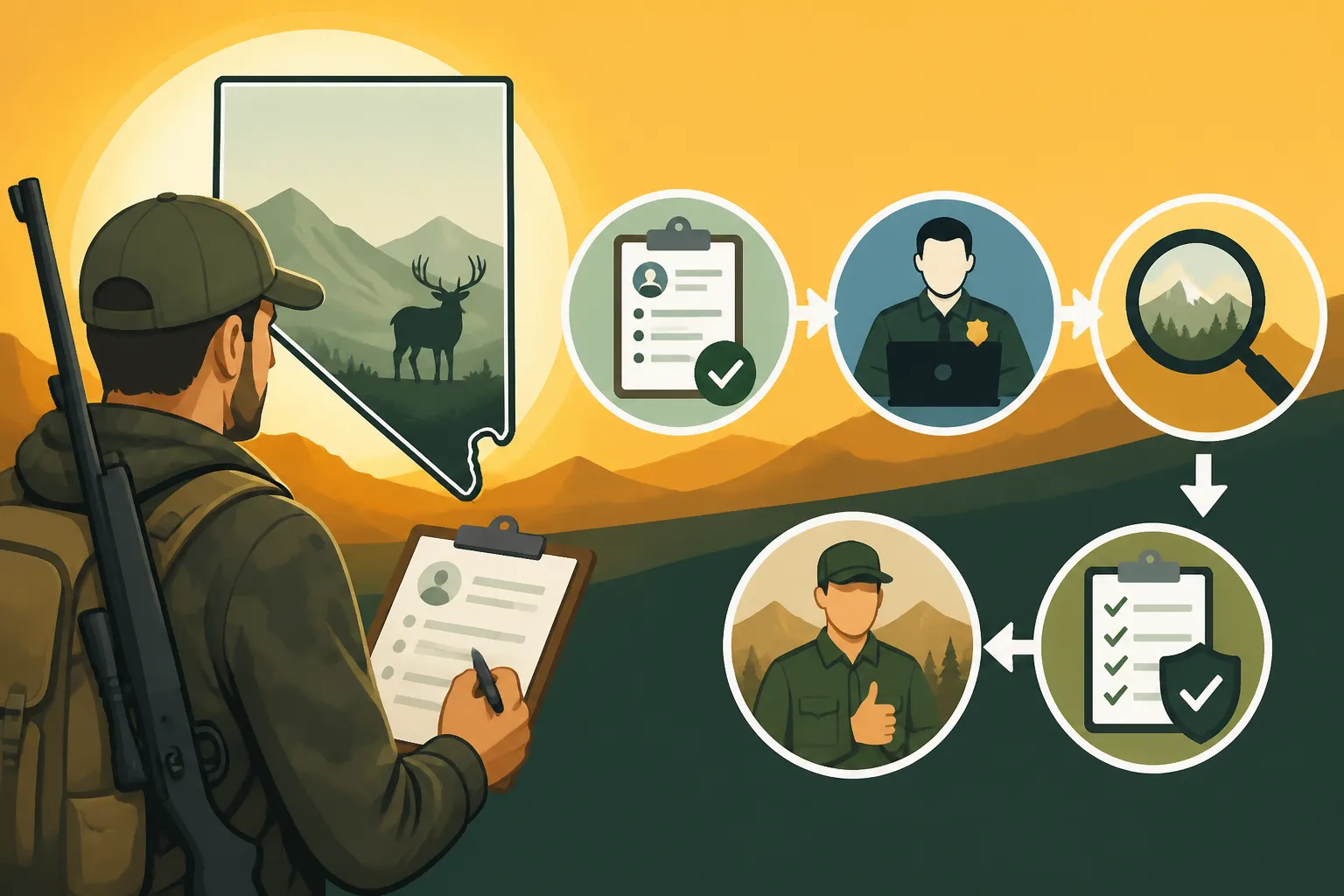
Once your complaint is filed with NDOW or the relevant federal agency, it enters the investigation phase. This isn't usually a speedy process, so patience is key. Here’s what typically happens:
- Initial Review: An enforcement officer or investigator will review your complaint to determine its validity and whether it falls within their jurisdiction. They'll assess if there's enough information to proceed.
- Contacting the Guide: The agency will typically contact the guide or outfitter in question, providing them with a copy of your complaint (often redacted to protect your personal information) and asking for their response. The guide has a right to respond and present their side of the story.
- Gathering More Information: The investigator might reach out to you for additional details, clarification, or more evidence. They might also interview witnesses, review additional documents, or visit locations if relevant.
- Fact-Finding: The goal is to gather all pertinent facts from both sides and any objective evidence. This process can involve reviewing regulations, permit conditions, and comparing them against the documented events.
- Recommendation: Once the investigation is complete, the investigator will typically make a recommendation to their superiors regarding whether a violation occurred and what action, if any, should be taken.
During this phase, it’s important to remain cooperative and responsive to any requests from the investigating agency. Avoid further direct communication or confrontation with the guide, and let the authorities handle the process.
Potential Outcomes and Resolutions
The outcome of your complaint can vary widely depending on the severity of the alleged violations, the strength of your evidence, and the specific policies of the agency.
- No Action: If the investigation finds insufficient evidence, or determines that no violation of laws or regulations occurred, the agency may close the case without taking action. This can be disappointing, but it underscores the importance of strong, irrefutable documentation.
- Warning Letter: For minor infractions, a guide might receive a formal warning letter, advising them to correct their behavior or practices.
- Fines: Penalties can include monetary fines, especially for regulatory violations or operating without proper permits.
- License Suspension: For more serious or repeated offenses, a guide's state license or federal land use permit could be temporarily suspended. This means they cannot legally guide for a specified period.
- License Revocation: In the most egregious cases, such as multiple safety violations, serious ethical breaches, or illegal hunting practices, a guide's license or permit could be permanently revoked. This effectively ends their guiding career in Nevada.
- Restitution: In some cases, agencies might facilitate or recommend restitution, where the guide is required to compensate you for losses. However, this is more commonly achieved through civil legal action.
The agency will usually notify you of their findings and the actions taken. While you might not always get the outcome you initially hoped for, the act of filing a complaint helps maintain integrity in the guiding industry and protects future hunters.
Preventing Future Issues: Choosing Your Next Guide Wisely
A negative experience can make anyone gun-shy, but it shouldn't deter you from future guided hunts entirely. Instead, use it as a learning opportunity to refine your approach to choosing a guide. The key is to be proactive and thorough in your research.
Thorough Vetting and Research: Using Resources like BookYourHunt and GoHunt
Before booking any future guided hunt, dedicate ample time to vetting potential outfitters. Don't just rely on pretty websites or glossy brochures.
Start by looking up guides and outfitters on reputable platforms. Websites like BookYourHunt offer a wide array of listings and often include client reviews and ratings, which can give you insights into other hunters' experiences. While reviews aren't the be-all and end-all, a pattern of negative feedback is a serious red flag. Similarly, resources like GoHunt provide valuable information for planning western hunts, including detailed unit breakdowns and potential outfitter connections, though they don't necessarily endorse specific guides. Use these platforms as starting points for your research, not as definitive endorsements.
Crucially, verify their licenses and permits. You can usually do this by contacting the Nevada Department of Wildlife directly and asking to Verifying a Nevada Guide License. Ask for proof of their federal land use permits if your hunt is on public land. Don't hesitate to ask for a list of recent references (within the last year or two) and actually call them. Ask specific questions about the guide's professionalism, safety practices, communication, and adherence to the agreed-upon itinerary. Pay attention to Red Flags When Booking a Guided Hunt, like a guide who pressures you for a quick deposit, makes outlandish guarantees, or has a history of vague communication.
Clear Communication and Contracts: Setting Expectations from the Start
Ambiguity is the enemy of a good client-guide relationship. Before committing to a hunt, ensure every detail is crystal clear and in writing.
A detailed written contract is non-negotiable. It should spell out:
- What's Included: Specific services (guide, food, lodging, transportation, field care of game), equipment provided, and the duration of the hunt.
- What's Not Included: Licenses, tags, meat processing, taxidermy, tips, and personal gear. This helps manage expectations regarding the What Outfitter Prices Almost Never Include.
- Costs and Payment Schedule: Total price, deposit amount, payment deadlines, and acceptable payment methods.
- Cancellation and Refund Policy: Understand Reading the Cancellation and Refund Terms thoroughly. What happens if you cancel? What if the guide cancels? What if you fail to draw a tag?
- Success Rates and Expectations: While no ethical guide guarantees success, they should be able to provide realistic expectations based on past performance and current conditions.
- Emergency Procedures: How will medical emergencies or unforeseen circumstances be handled?
Don't be afraid to ask Questions Worth Asking Before You Book, no matter how minor they seem. Clarifying everything upfront, and getting it in writing, protects both you and the guide and significantly reduces the chances of misunderstandings that could lead to another frustrating experience.
Disclaimer
This article is for general informational purposes only and does not constitute professional advice. Laws, prices and regulations vary by location and change over time. Consult a qualified professional for guidance on your specific situation.