Drop Camp Against Semi-Guided Hunts
Choosing how to approach a big game hunt in Nevada can feel like navigating a maze, especially when you want more support than a full do-it-yourself venture but aren't quite ready for the full price tag of a completely guided experience. Many hunters find themselves wrestling with the distinctions between a drop camp and a semi-guided hunt, each offering a unique blend of adventure, challenge, and convenience. This guide will walk you through the nuances of both options, helping you understand what to expect from each and which one might be the perfect fit for your next Nevada adventure.
What a Nevada Drop Camp Offers
When you hear "drop camp," picture being dropped off deep in the Nevada backcountry, often in a remote and rugged unit, with your gear and supplies. The outfitter handles the heavy lifting of getting you and your equipment to a pre-arranged camp spot, and then they leave you to hunt completely on your own. It's an incredible experience for those who truly crave solitude and self-reliance in the wild.
The Bare-Bones Wilderness Experience
A drop camp is essentially a backcountry taxi service for hunters. An outfitter, often utilizing horses, mules, or sometimes specialized vehicles to access roadless areas, transports you and your hunting party, along with all your food, camping gear, and hunting equipment, to a designated camp location. Sometimes, the outfitter might even set up a basic tent or wall tent for you, complete with a stove. However, once you're there, the "guidance" ends. You are responsible for everything from cooking your meals and navigating the terrain to finding, stalking, harvesting, and packing out your animal.
This option is perfect for seasoned hunters who have a solid group of capable partners and possess extensive backcountry skills. You need to be competent in navigation, first aid, meat care, and self-sufficiency for the duration of your trip. Outfitters generally offer various levels of drop camp service, from just packing you in and out, to providing a fully erected camp structure. Regardless, the hunting itself is 100% your responsibility. Think of it as accessing wilderness areas like the Jarbidge Wilderness or the Ruby Mountains where vehicles simply cannot go, but without the strenuous pack-in. Drop Camps in Nevada's Remote Ranges
Pros and Cons of Going It Alone
The appeal of a drop camp is undeniable for certain hunters. On the "pro" side, it's significantly more affordable than a fully guided hunt, allowing you to experience remote wilderness without the physical toll of packing in all your gear yourself. You get the ultimate freedom to hunt your way, on your own schedule, pursuing animals in truly wild country. It's an incredibly immersive experience that pushes your skills and deepens your connection to the landscape. Many hunters find immense satisfaction in a successful hunt where every aspect, from scouting to recovery, was their own doing.
However, the "con" list for drop camps is equally significant and must be weighed carefully. The biggest drawback is the complete lack of professional guidance during the hunt. You are solely responsible for finding game, making ethical shots, and retrieving your animal, which can be a monumental task in rugged Nevada terrain. Emergency situations, whether medical or related to equipment failure, fall entirely on your shoulders. You must have robust communication plans, extensive wilderness first aid knowledge, and a detailed emergency strategy. If you aren't absolutely confident in your ability to handle every possible scenario, a drop camp can quickly turn from an adventure into a predicament.
Understanding Semi-Guided Hunts in Nevada
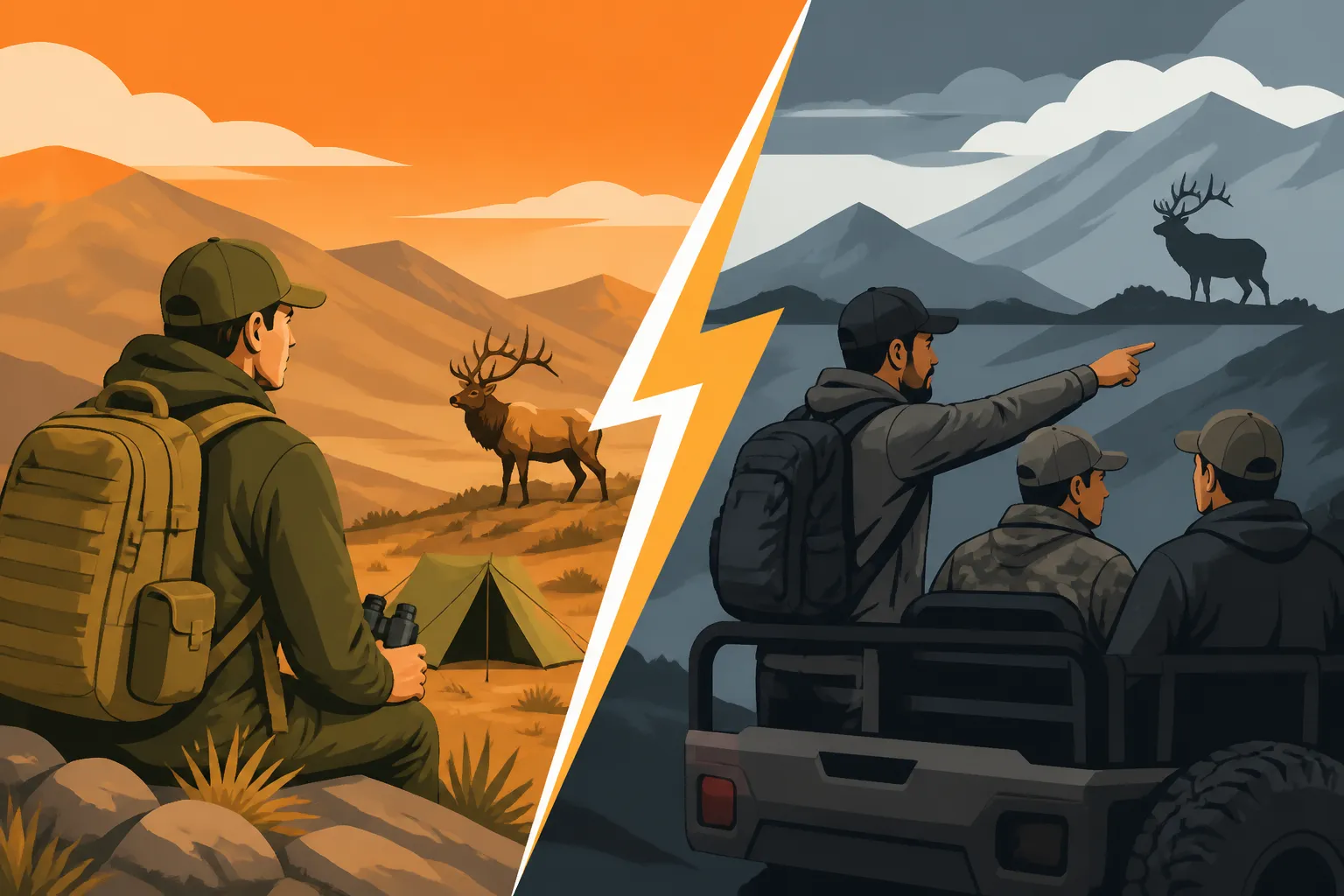
For many hunters, the ideal Nevada experience lies somewhere between the complete self-reliance of a drop camp and the full-service approach of a guided hunt. This is where semi-guided hunts shine, offering a "best of both worlds" scenario that provides valuable local expertise without sacrificing the thrill of personal accomplishment.
The Middle Ground of Support
A semi-guided hunt in Nevada typically means that the outfitter provides a crucial layer of support that a drop camp doesn't. This often includes things like comfortable lodging, home-cooked meals, and daily transportation to and from prime hunting areas. The most significant difference, however, is the intelligence and general direction you receive. A semi-guided outfitter will usually provide up-to-date scouting information, suggest specific areas to hunt based on recent animal movement, and might even drop you off at trailheads or access points known for producing game. They won't be with you every step of the stalk, but they will point you in the right direction.
Some semi-guided services might include assistance with game retrieval after you've harvested an animal, which is a huge benefit in steep, broken country. The exact level of support can vary widely from one outfitter to another, so it's absolutely critical to clarify every detail before booking. You might find outfitters on platforms like BookYourHunt that explicitly list what's included in their semi-guided packages. This level of service is ideal for hunters who possess solid hunting skills but want to minimize the logistical headaches of hunting unfamiliar territory, or who simply appreciate the comfort of a warm meal and a bed after a long day in the field.
Benefits and Drawbacks of Partial Guidance
The advantages of a semi-guided hunt are compelling. Firstly, it offers a significant reduction in the logistical burden compared to a full DIY or drop camp hunt. You don't have to worry about camp setup, cooking, or knowing every road or trail system. This frees you up to focus purely on the hunting. Secondly, you benefit immensely from the outfitter's local knowledge and ongoing scouting efforts. They know the terrain, the animal patterns, and where to put you for the best chance of success. This local insight can dramatically increase your odds, especially for a nonresident hunter unfamiliar with Nevada's vast public lands.
However, a semi-guided hunt still places considerable responsibility on your shoulders. You are still the one making the shot, executing the stalk, and often, field dressing the animal. It's not a guarantee of success, merely a boost to your potential. The quality of the "guidance" can also be inconsistent; some outfitters are more hands-on with advice and intel than others. You might also find that while it's more affordable than a fully guided hunt, it's still a significant investment. Always ensure you understand precisely what's included and what's not, to avoid any surprises once you're in camp.
Deciding Which Option Fits Your Nevada Hunt
The choice between a drop camp and a semi-guided hunt boils down to a careful assessment of your experience, goals, and budget. There's no single "better" option; only the right fit for you.
Assessing Your Experience and Goals
Consider your hunting experience level. Are you a veteran backcountry hunter, comfortable with extended periods in remote areas with minimal support? Do you and your hunting partners have strong navigation skills, wilderness first aid training, and a proven track record of successful self-reliant hunts? If so, a drop camp could offer the ultimate adventure and cost savings. This choice is often embraced by those who feel confident tackling everything from locating game to Packing an Animal Out of Roadless Country. You'll need to be mentally and physically tough, ready for long days and the inevitable challenges of the Nevada wilderness. Preparing Physically for Long Glassing Days
On the other hand, if you're relatively new to Nevada hunting, or you want to improve your odds with some local insight, a semi-guided hunt might be a smarter move. Perhaps you're a capable hunter but prefer not to spend precious hunting time worrying about camp logistics or getting lost in a new unit. Maybe you're looking to gain valuable experience and learn the ropes from someone who knows the area like the back of their hand. Hunters who've used services like GoHunt to research units and then want a local expert to help narrow down the best hunting spots often gravitate towards semi-guided options. This approach allows you to focus on the hunt itself, making your own stalks and decisions, but with a safety net of local knowledge.
Researching and Booking the Right Service
Once you've narrowed down your preferred hunt style, the next critical step is finding the right outfitter. This is where thorough research pays off. Start by looking for outfitters that specifically advertise drop camp or semi-guided services for the species and unit you're interested in. Platforms like BookYourHunt can be excellent resources for finding and comparing outfitters, often including reviews and detailed descriptions of their packages. Pay close attention to what is explicitly included versus what is an additional cost. Don't be shy about asking very specific questions: What kind of camp gear is provided? Is there cell service, or will a satellite messenger be available? What are the emergency protocols?
It's paramount to Vetting a Nevada Outfitter Before You Send a Deposit. Request references from past clients and actually call them to ask about their experiences. Inquire about their success rates for the type of hunt you're booking, and how they handle situations where hunters don't draw a tag if you're applying in the Nevada draw. Refunds When You Fail to Draw are a common concern for many applicants. Remember that popular outfitters, especially for trophy species, can book up well in advance, so it's wise to start your search early, even around the Booking a Nevada Hunt Around the May Deadline for the draw.
Here's a quick comparison of the key aspects:
| Feature | Drop Camp | Semi-Guided Hunt |
|---|---|---|
| Level of Independence | High (fully self-sufficient) | Moderate (some support, mostly independent hunting) |
| Outfitter Involvement | Primarily transportation, basic camp setup | Scouting info, area orientation, drop-offs, lodging/meals often included |
| Cost Expectation | Lower end of outfitter services | Mid-range (more than drop camp, less than fully guided) |
| Typical Terrain | Often remote wilderness, rugged backcountry | Varies, can be front-country accessible or deeper |
| Skill Level Needed | Experienced, self-reliant, strong navigation/survival | Proficient hunter, capable of independent stalking/recovery |
| Logistical Burden | High (you handle food, gear, hunting plan) | Moderate (outfitter handles some logistics, you hunt) |
| Guidance During Hunt | None | Directions, tips, sometimes post-shot assistance |
Maximizing Your Chances with Either Choice
Regardless of whether you choose a drop camp or a semi-guided hunt, your personal preparation and execution on the ground will be the biggest determinants of success. These options are about enabling your hunt, not guaranteeing it.
Pre-Hunt Preparation is Paramount
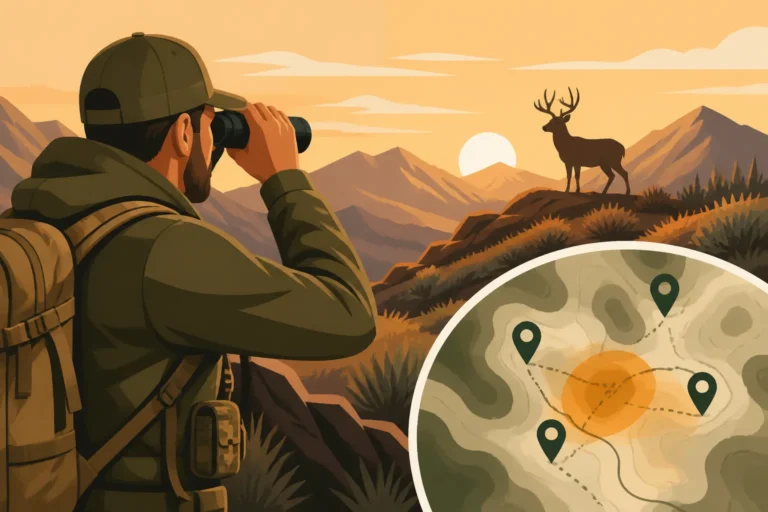
Success in either a drop camp or a semi-guided scenario starts long before you ever set foot in Nevada. Physical conditioning is non-negotiable, especially for hunting big game in the state's rugged, high-desert mountains. You need to be prepared for long hikes, steep climbs, and potentially packing out an animal in challenging conditions. Just as important is extensive e-scouting and map study. Familiarize yourself with your unit's topography, identify potential bedding areas, feeding zones, and crucial water sources. Hunting Water in Nevada's Driest Country is a major factor, especially during early seasons. Using tools like mapping applications to study public land boundaries and access roads will give you a significant advantage. Reading a Nevada Hunt Unit Before You Apply is a great first step.
For drop camps, meticulous planning of your gear, food, and emergency supplies is absolutely critical. Think through every possible scenario and pack accordingly. For semi-guided hunts, leverage the outfitter's expertise during the planning phase. Ask them for specific maps, aerial photos, or detailed descriptions of the areas they recommend. The more information you gather upfront, the more effectively you can hunt once you're there.
On-the-Ground Execution
Once your hunt begins, the execution is everything. In a drop camp, you and your partners are the ultimate decision-makers. Trust your instincts, be patient, and adapt to changing conditions. Your ability to read the terrain, understand animal behavior, and execute a stalk flawlessly will be constantly tested. Your glassing skills will be your most valuable asset. Glassing Nevada's Basin and Range for Mule Deer often means hours behind optics, systematically dissecting distant slopes for any sign of game.
With a semi-guided hunt, listen to the outfitter's recommendations, but remember that you are still the hunter. Use their intel to position yourself strategically, then rely on your own skills to make the shot. Don't expect them to find the animal for you or dictate every move. This hybrid approach offers a fantastic learning opportunity; pay attention to how the outfitter interprets the landscape and uses their knowledge to put you in promising areas. For both types of hunts, always adhere to ethical hunting practices and all Nevada Department of Wildlife regulations, including proper tagging and Field Dressing in August Heat to preserve your hard-earned meat.
Choosing between a drop camp and a semi-guided hunt is a personal decision that can profoundly shape your Nevada hunting experience. Both offer incredible opportunities to pursue big game in stunning landscapes, providing a valuable middle ground between a full DIY adventure and a completely guided trip. By carefully considering your experience, physical capabilities, budget, and desired level of support, you can make an informed choice that leads to an unforgettable hunt in the Silver State.
Disclaimer
This article is for general informational purposes only and does not constitute professional advice. Laws, prices and regulations vary by location and change over time. Consult a qualified professional for guidance on your specific situation.