Do Nevada Deer Points Help an Elk Application?
It’s a common and understandable frustration when you’re navigating the complex world of big game draws, especially in a state like Nevada with its unique point system. Many of us have spent years diligently applying for mule deer, building up what feels like a significant pile of bonus points, and then naturally wonder if all that effort can give us a leg up when we decide to chase a coveted Nevada elk tag. The short answer, which can be a tough pill to swallow, is no, your deer points do not directly help your elk application. This guide will walk you through exactly how Nevada's point system works, why it's structured this way, and how you can best strategize for both deer and elk opportunities.
Understanding Nevada's Bonus Point System
Nevada's bonus point system is designed to reward consistent applicants, but it operates under a very specific set of rules. It’s not a universal currency that can be spent across different big game species. Instead, points are compartmentalized, meaning the points you accrue for one animal stay with that animal's draw pool.
The Basics of Nevada's Squared Points
First off, let’s talk about how Nevada's bonus points actually function. When you apply for a big game tag in Nevada and are unsuccessful, you receive a bonus point for that species. This point is then squared in subsequent draws, significantly increasing your chances over a straight lottery system. For instance, if you have one point, you get one entry (1×1=1). If you have two points, you get four entries (2×2=4). Three points net you nine entries (3×3=9), and so on. This mechanism means that the longer you apply and build points, the exponentially better your odds become. It truly rewards long-term dedication, turning those years of unsuccessful applications into a powerful advantage. If you're curious about the mechanics, a deep dive into How Nevada's Squared Bonus Points Work can really illustrate the power of this system.
This system is pretty unique, and it’s why many hunters are so committed to building points year after year. It gives you a tangible asset in the draw, a real reason to keep putting in for those tough-to-draw tags. However, it’s crucial to remember that these squared chances are only applicable within the species you've been applying for.
Species-Specific Points: The Crucial Detail
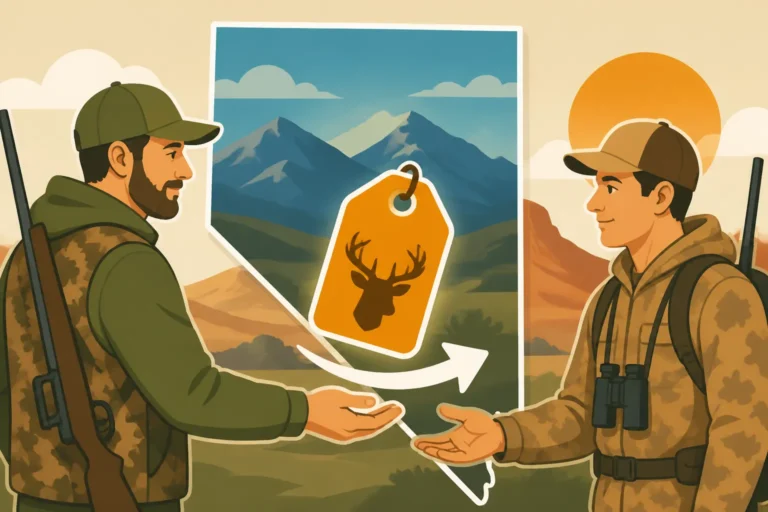
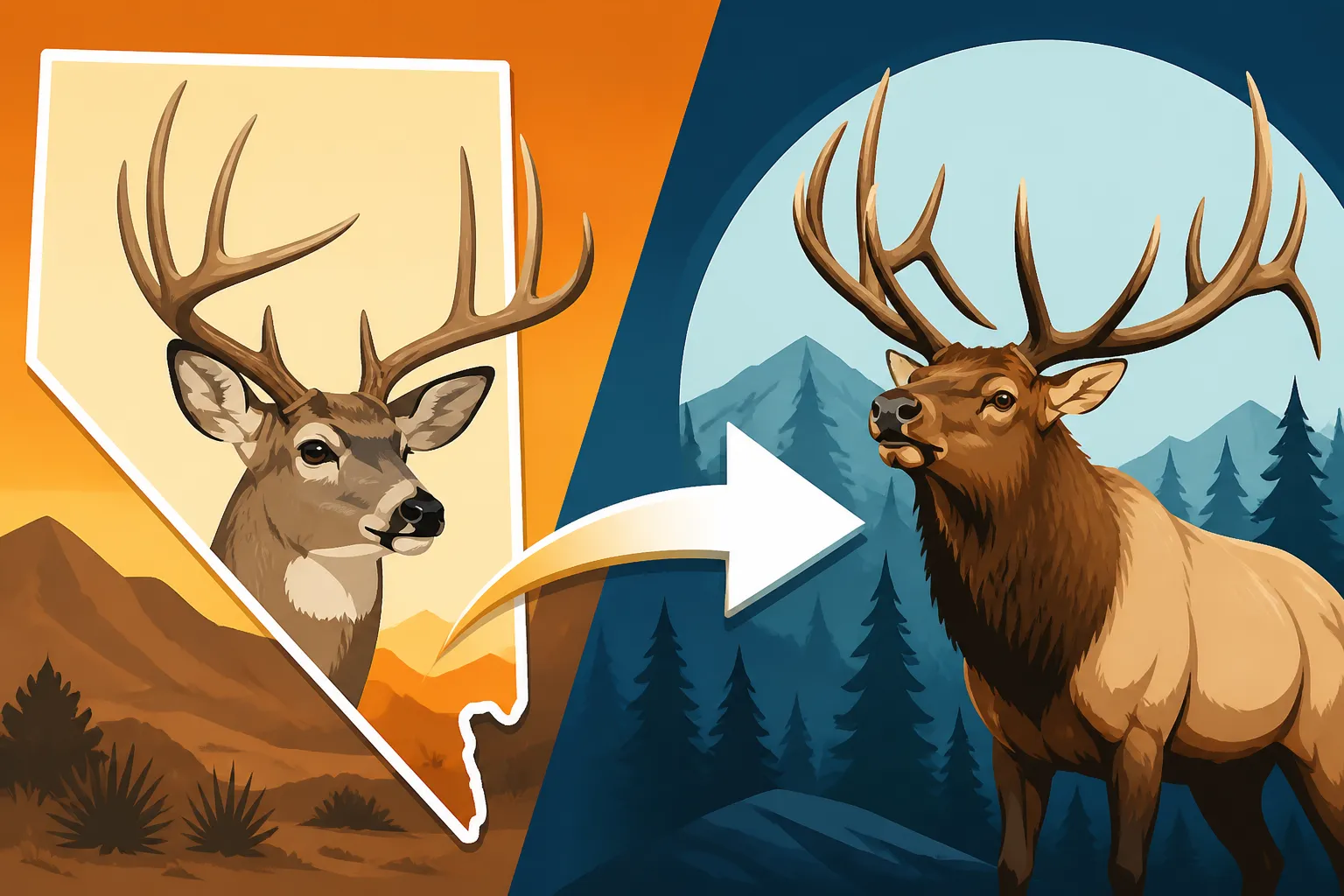
Here’s where the rubber meets the road for your question about deer points helping elk applications: Nevada's bonus points are strictly species-specific. This means the points you’ve accumulated for mule deer can only be used when applying for a mule deer tag. They hold no sway, no value, and no weight in the elk draw, or any other species draw for that matter.
I know, it’s a bit of a bummer. Many states have a more unified preference or bonus point system, where points might transfer or at least give a general edge. But in Nevada, the game is played differently. Your deer points are tied directly to mule deer. Your elk points are tied directly to elk. If you're holding a significant number of deer points, thinking they'll boost your chances for a bull elk, you'll need to adjust your strategy. It means that to even begin building a meaningful chance at an elk tag, you need to start from scratch in the elk point system, just as you once did for deer. This can be a real source of frustration, especially for those who have put in many years for a deer tag, only to realize their elk dreams require a whole new commitment.
Why Deer Points Don't Transfer to Elk Applications
The separation of points across species isn't arbitrary; it's a deliberate choice by the Nevada Department of Wildlife (NDOW) rooted in how they manage different big game populations and hunting opportunities. Understanding this rationale can help you better plan your applications.
The Nevada Department of Wildlife's Rationale
NDOW manages each big game species independently because each population has its own unique biological needs, habitat requirements, population dynamics, and hunting goals. Think about it: Mule Deer Are the Reason Most Hunters Apply in Nevada, and their management often focuses on factors like drought impacts, winter range conditions, and predation. On the other hand, Nevada Elk Herds Grew From Nothing Into a Trophy Draw, and their management involves different considerations, such as herd expansion into new areas, maintaining trophy quality, and minimizing depredation on private lands.
If points were universal, it would significantly complicate the draw process and potentially undermine the focused management strategies for each species. For example, if a hunter could use 10 deer points for an elk draw, it could suddenly flood the elk draw pool with high-point applicants who haven't necessarily been dedicated to the elk program. This would dilute the advantage of those who have been consistently building elk points. By keeping points species-specific, NDOW ensures that the limited number of tags for highly sought-after species like elk are primarily allocated to hunters who have shown consistent interest and patience for that specific species. It helps maintain the integrity of each species' draw pool and supports targeted wildlife management objectives.
Maximizing Your Chances for Both Species
Given that points are species-specific, if you're serious about hunting both deer and elk in Nevada, your strategy needs to reflect this reality. The most straightforward approach is to begin building points for both species concurrently. This means participating in both the deer and elk draws each year.
While this does mean an increased financial commitment (application fees and combination license costs add up), it’s the only way to build a competitive number of points for both animals. Many seasoned Nevada hunters adopt this dual strategy, knowing that patience is paramount for drawing trophy tags in the Silver State. You'll want to explore options like Buying Nevada Points Without Applying to Hunt if you're not planning to hunt a specific year but still want to keep your point accumulation going. When considering Applying for Multiple Species in One Nevada Year, remember that each application is a separate investment.
You might find it helpful to use resources like GoHunt's Insider service. They compile vast amounts of draw data, offering predictions and analysis that can be invaluable in deciding which units to apply for, and whether to go all-in on an application or simply purchase a point for the year. This kind of detailed research, especially for specific units, can help you manage your expectations and refine your long-term strategy.
Strategies for Building Elk Points in Nevada
So, if your deer points won't help, how do you start building a legitimate chance at a Nevada elk tag? It all comes down to consistent, informed effort. Drawing an elk tag in Nevada, especially for a trophy bull, is often a multi-year endeavor, but it’s absolutely achievable with the right approach.
Consistent Point-Building for Elk
The absolute cornerstone of drawing an elk tag in Nevada is consistency. You need to commit to building elk points year after year. There's no shortcut around it. Every year you apply and don't draw, you earn another bonus point, which, as we discussed, gets squared and significantly increases your odds in subsequent draws. Even if you're not ready to hunt this year, or perhaps you've drawn a tag in another state, you should still put in for a point-only application. This is a critical move to keep your point momentum going without committing to a full tag application. The cost for What a Nevada Point-Only Application Costs is minimal compared to the long-term value of those points.
Remember, the Nevada application period typically runs from late March to mid-May, so mark your calendar for When Nevada Applications Open in March and make it a priority. Missing a year means losing out on a crucial squared point, setting you back significantly. Think of it as an investment: each year you buy a point, you're investing in your future elk hunt.
Researching Elk Units and Draw Odds
Simply accruing points isn't enough; you also need to make smart application choices. This involves diligent research into specific elk units and their draw odds. NDOW publishes draw statistics annually, which are a treasure trove of information. You can see how many applicants applied for a particular unit, how many points the successful applicants had, and the overall success rates. This data is vital for making informed decisions.
Tools like GoHunt's Insider are fantastic for this kind of research. They centralize all the draw statistics, often presenting them in user-friendly formats that highlight trends and "sweet spots" where your points might give you the best chance. You can use this information to strategize whether to apply for a high-demand, high-point unit (where you'll need many more points) or a unit with slightly lower demand where you might draw sooner. Regularly Checking Nevada Draw Odds Before You Apply is non-negotiable for serious hunters. Understanding how to interpret these tables and applying them to your personal point total is key to success. You'll want to study Reading Nevada Hunt Draw Statistics closely to refine your strategy.
Here’s a simplified example of how elk draw odds might look depending on your point accumulation. These numbers are purely illustrative but show the general principle:
| Elk Bonus Points | Approximate Draw Entries (Squared) | Hypothetical Draw Odds (Low Demand Unit) | Hypothetical Draw Odds (High Demand Unit) |
|---|---|---|---|
| 0 | 1 | 0.5% | <0.1% |
| 1 | 1 | 0.5% | <0.1% |
| 2 | 4 | 2.0% | 0.2% |
| 3 | 9 | 4.5% | 0.5% |
| 5 | 25 | 12.5% | 1.5% |
| 10 | 100 | 50.0% | 10.0% |
| 15+ | 225+ | 100% | 30.0%+ |
As you can see, even a few points make a significant difference, especially for those highly sought-after, limited entry units. But it highlights the dedication required and why your deer points, unfortunately, can't just jump over to this separate, competitive pool.
Disclaimer
Please remember that hunting regulations, seasons, and draw mechanics in Nevada can change. While this information is accurate to the best of my knowledge, it's crucial to always consult the official Nevada Department of Wildlife (NDOW) regulations and website for the most current and authoritative information before making any application decisions.