Nevada Antelope Season Dates
It’s a common frustration for many hunters, especially those new to the Nevada draw or even seasoned veterans trying a new species: nailing down those exact antelope season dates. With different weapon types, units, and the intricacies of the draw process, it can feel like you need a secret decoder ring just to figure out when you can actually hunt. This guide will walk you through the typical timing for Nevada's exciting antelope seasons, demystify the application process, and help you strategize your hunt for these incredible prairie rockets.
Understanding Nevada's Antelope Season Structure
Nevada’s antelope seasons are generally shorter and often occur earlier in the fall compared to deer or elk. This earlier timing, sometimes stretching into late summer for archery hunts, means you're often dealing with warmer temperatures and antelope that haven't been pressured much, if at all. The Nevada Department of Wildlife (NDOW) meticulously sets these dates, often with slight variations year to year and across different hunt units. It's never a "one size fits all" situation, so paying close attention to the specific hunt code you apply for is absolutely critical.
Early Archery Opportunities
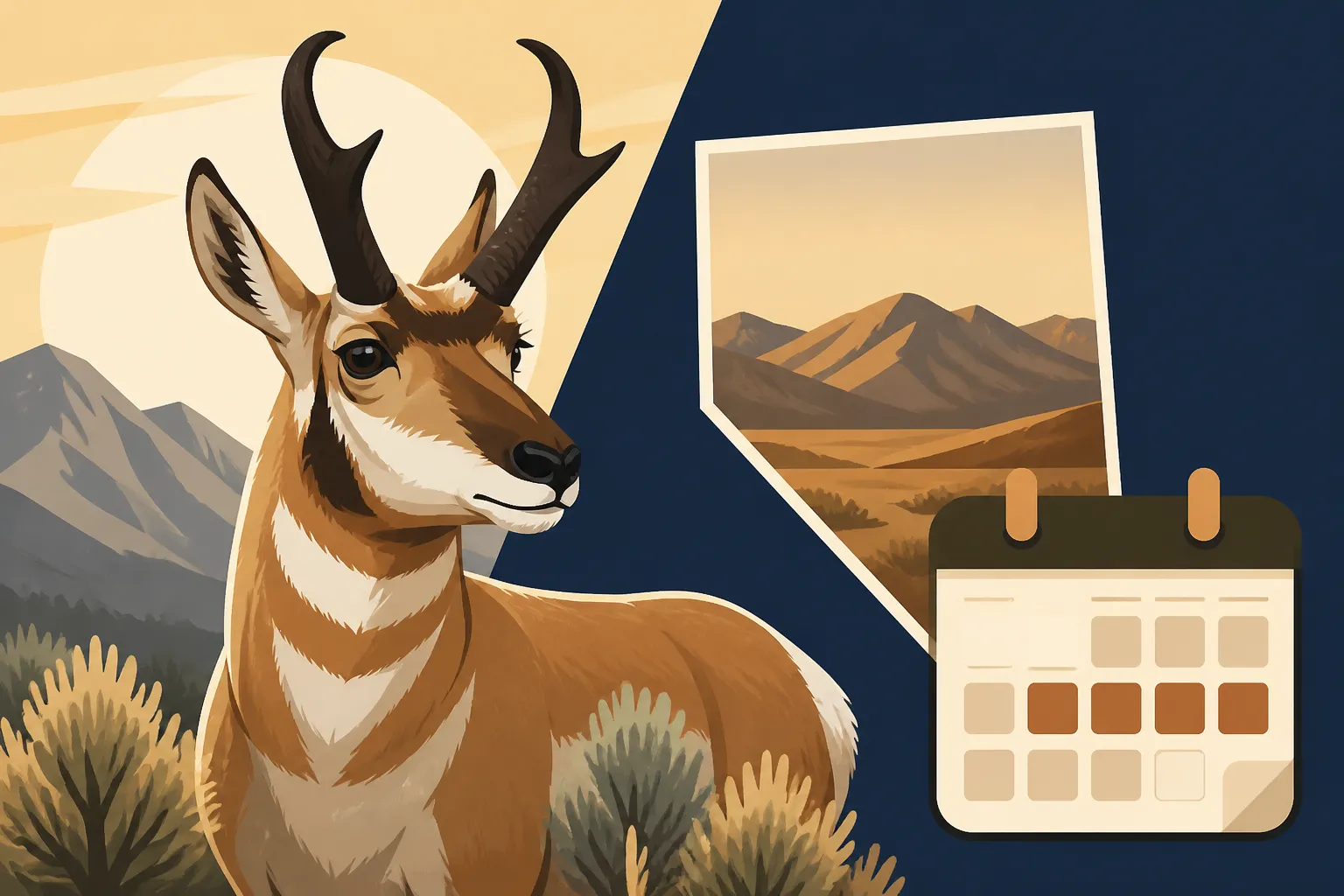
If you're an archery enthusiast, Nevada offers some fantastic, albeit challenging, opportunities for pronghorn. These hunts typically kick off in late August and run into early September. Imagine the dry Nevada landscape, the sun beating down, and those incredible antelope out on the flats, seemingly able to spot a predator from miles away. It's a true test of a bowhunter's patience and stalking prowess.
The biggest challenge with these early archery dates is the heat. You'll need to be incredibly mindful of hydration for yourself, and for proper game care once you've harvested an animal. Thinking about Heat Management on an August Archery Hunt isn't just a good idea, it's essential for a successful and safe hunt. Days can be long and hot, and pronghorn aren't known for hanging out in thick cover, so getting within bow range often means a slow, deliberate crawl through sparse sagebrush or using subtle terrain features for concealment.
Key Rifle Season Dates
For most hunters, the rifle seasons offer the highest success rates for antelope. These generally begin in mid-September and can stretch through early October, depending on the unit. This timeframe often brings slightly cooler temperatures than the archery seasons, though "cool" in Nevada can still mean warm, sunny days. The rifle seasons are generally short, often only a week or two, which means you need to be prepared to hunt hard from opening day.
Rifle hunting for antelope in Nevada is primarily a game of long-range glassing and strategic stalking. You’ll spend countless hours behind your optics, scanning vast expanses of Pronghorn Across Nevada's Open Valleys for a buck that stands out. Once you spot one, the real work begins: planning your approach. Learning Reading Antelope Body Language on a Stalk can give you an edge, as these animals are incredibly alert. This is where Spot and Stalk Antelope on Nevada's Open Flats truly shines, using every dip and rise in the terrain to close the distance. You'll want to be proficient with your rifle out to significant ranges, as shots can often be long, and the open terrain offers few second chances.
Navigating the Nevada Draw for Antelope Tags
Unlike some other states, Nevada operates on a pure lottery system with bonus points that are squared to give long-term applicants a better chance. Drawing an antelope tag in Nevada can take years for non-residents, and even residents face stiff competition for coveted units. Understanding the application period and how the draw works is paramount, as missing a deadline means missing an entire year of opportunity, and potentially setting your point accumulation back.
Application Deadlines You Can't Miss
This is perhaps the single most critical piece of information for any hunter eyeing a Nevada antelope tag: the application period. Nevada's big game applications typically open in mid-March and close in mid-May. Specifically, When Nevada Applications Open in March is usually around the 23rd, with The Nevada Application Deadline in May often falling around the 13th. These dates are firm, and there’s no grace period. Missing the deadline means you’re out of luck for the year, and that can be a real punch to the gut after building up bonus points.
To avoid this heartbreak, many hunters rely on tools and reminders. Websites like GoHunt offer excellent resources for tracking application deadlines across multiple states, sending alerts, and providing detailed information about the draw odds for specific units. They can be invaluable for staying organized, especially if you apply in several states or for multiple species within Nevada. Keeping these dates circled on your calendar and double-checking them as the season approaches is a must.
Understanding Antelope Hunt Codes and Units
Once you've got those application dates locked in, your next step is to dive into the hunt codes. Every single hunt opportunity in Nevada—be it for antelope, deer, or elk—is designated by a unique hunt code. This code specifies the species, weapon type (archery, muzzleloader, rifle), the hunt unit or units, and the precise season dates for that particular hunt. It's not enough to just apply for "antelope"; you need to select a specific hunt code.
For example, one unit might have an archery season from August 20-30, while another might have a rifle season from September 10-17. The hunt code ties all of that information together. This is where researching Reading a Nevada Hunt Unit Before You Apply becomes absolutely crucial. You need to understand the topography, public land access, and historical success rates for that specific unit and hunt type before committing your valuable bonus points. Resources like GoHunt provide detailed unit profiles, harvest statistics, and draw odds that can help you make an informed decision. These tools allow you to compare different hunt codes and understand their nuances, helping you maximize your chances or pick a unit that aligns with your hunting style.
Strategic Planning for Your Nevada Antelope Hunt
Getting a tag is only half the battle; the other half is putting in the legwork to convert that tag into a successful hunt. Nevada's vast, open country for antelope presents unique challenges that require thorough strategic planning, well beyond just knowing the season dates. From intensive e-scouting to selecting the right gear, every detail matters when pursuing these wary speedsters.
E-Scouting and Pre-Season Research
Long before you ever set foot on Nevada soil, the hunt begins from your computer. E-scouting is perhaps the most important pre-season activity for antelope hunters. Utilizing satellite imagery and topographic maps, you can identify potential hotspots, water sources, and key terrain features that might hold animals or offer a strategic advantage for a stalk. Look for subtle changes in elevation, dry washes, and isolated pockets of cover where antelope might bed down during the heat of the day. Remember, Hunting Water in Nevada's Driest Country is often a major factor in where these animals concentrate, so pinpointing guzzlers, windmills, and natural springs is invaluable.
Platforms like GoHunt are game-changers for this kind of research, offering layering tools for public land ownership, water sources, and historical harvest data. You can identify potential access points, note areas of limited access, and even begin to visualize potential stalk routes. This intensive digital scouting allows you to narrow down vast units into manageable hunting areas, making your actual time in the field much more productive. Consider also diving into E-Scouting a Nevada Unit Before the Season to refine your process and understand the nuances of the terrain from afar.
Gear Considerations for Nevada Antelope
Given the nature of antelope hunting in Nevada – vast open spaces and incredibly keen eyesight – your gear choices are paramount. High-quality optics are not just recommended, they are essential. You’ll spend hours, if not days, behind your binoculars and spotting scope. A good pair of 10x binoculars is a baseline, but a powerful spotting scope (20-60x or even 27-80x) will be your best friend for picking apart distant terrain and judging the quality of a buck. Think about Optics Power for Nevada's Long Sightlines and how it directly impacts your success.
When it comes to your rifle, accuracy at extended ranges is non-negotiable. Many shots on antelope in Nevada happen beyond 300 yards. Practice shooting from various field positions, including with shooting sticks or a bipod, which will be invaluable on the open plains. For archery hunters, a flat-shooting bow setup with razor-sharp broadheads is key. Comfortable, broken-in boots are also vital, as you'll be covering many miles on foot, often on uneven and rocky terrain. Lastly, don't forget plenty of water, sunscreen, and layers of breathable clothing, as temperatures can swing dramatically from morning to afternoon.
Here's a quick reference table for typical Nevada Antelope season dates and application periods:
| Hunt Type | Season Start (Approx.) | Season End (Approx.) | Weapon Type | Notes |
|---|---|---|---|---|
| Early Archery | Late August | Early September | Archery | Very warm, low pressure, challenging stalks |
| Rifle Seasons | Mid-September | Early October | Rifle | Primary method, often short seasons, long shots |
| Application Period | Mid-March | Mid-May | All | Crucial window for applying for tags |
| Draw Results | Late May / Early June | All | When successful applicants are notified |
Disclaimer
Please remember that hunting regulations, season dates, and application periods are subject to change by the Nevada Department of Wildlife (NDOW). Always consult the most current official NDOW hunting regulations booklet for the year you plan to hunt before making any plans or submitting applications. This article is intended for informational purposes only and does not supersede official state regulations.