Snake Awareness on an August Archery Hunt
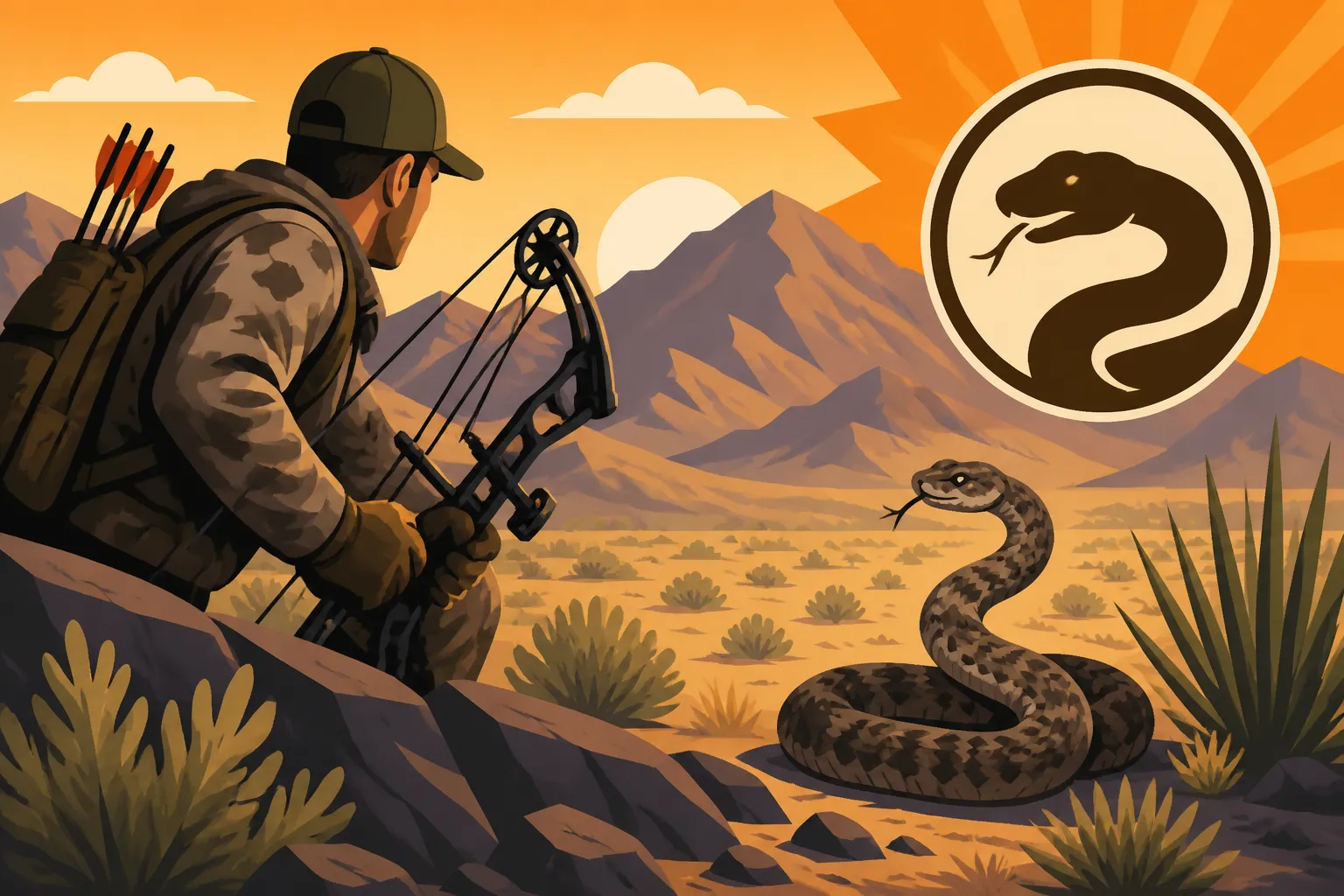
Hunting in Nevada during August archery season is an experience unlike any other—the heat is relentless, the country is vast, and the anticipation of chasing big game is palpable. But let's be real, out there in that sagebrush, under that searing sun, you're not alone. One of the biggest, and often scariest, realities we face is the increased activity of rattlesnakes. This guide is all about navigating that challenge, understanding the threats, and equipping yourself with the knowledge to stay safe and make smart choices when you're deep in their territory.
Understanding Nevada's Rattlesnakes and Their Habits
Nevada’s stunning landscapes are home to incredible wildlife, and that includes several species of rattlesnakes. When you’re out on an August archery hunt, you're entering their domain, and knowing a bit about them is your first line of defense. It’s not about fear, but about respect and awareness.
Species You'll Encounter in Nevada
Across the vastness of Nevada, you'll primarily encounter a couple of rattlesnake species that are particularly common in hunting areas. The most widespread is generally considered to be the Western rattlesnake, with the Great Basin rattlesnake being a common subspecies you'll find from the northern sage flats down into the central ranges. These snakes can vary quite a bit in coloration, often blending in perfectly with the rocks, dirt, and dry vegetation. They typically grow to a respectable size, and their venom is potent.
Further south, especially in the Mojave Desert regions, you might also run into the formidable Mojave rattlesnake. This species is often considered one of the more dangerous due to the neurotoxic components in its venom, which can cause different symptoms than the hemotoxic venom more common in other rattlesnakes. Regardless of species, all rattlesnakes in Nevada are venomous and a bite requires immediate, serious medical attention. Their preferred habitats are often exactly where we love to hunt: rocky outcrops, dense sagebrush, washes, and especially near any available water sources, which also happen to be crucial spots for game.
Why August is Peak Season for Encounters
If you've spent any time hunting in August, you know it's hot. And snakes know it too. The extreme heat of summer significantly influences rattlesnake behavior, often making August a peak month for human encounters. During the scorching midday sun, rattlesnakes tend to seek refuge from the heat, often retreating into shade, under rocks, or in rodent burrows. This means that as the temperatures begin to cool in the early morning and late evening – precisely when we're often at our most active glassing or stalking – snakes become more active themselves.
They’re out foraging for food or moving between cooler spots. This crepuscular activity means that your prime hunting hours for mule deer or elk often perfectly coincide with their most active times. Adding to this, the intense dryness of an August in Nevada means that any water source – a spring, a guzzler, or a small creek – becomes an absolute magnet for both game animals and rattlesnakes. Hunters naturally gravitate towards these water sources, putting them directly in areas where snakes are likely to be found. It’s a double-edged sword: you need to be where the animals are, but that also means being extra cautious where snakes might be.
Recognizing Rattlesnake Warning Signs
One of the most defining characteristics of a rattlesnake is, of course, its rattle. That distinctive buzzing sound is often your first, and sometimes only, warning before you're too close. It’s a sound that instantly sends a chill down your spine, and for good reason. However, it’s important to remember that not all rattlesnakes will rattle before striking, especially if they feel completely ambushed or are cold. Sometimes, the rattle can be muffled by brush, or the snake might be too close for you to react.
Beyond the sound, understanding their body language is critical. A coiled snake is often in a defensive posture, ready to strike. However, they can also strike from a non-coiled position. Their camouflage is incredible, allowing them to disappear against the natural backdrop, making them incredibly difficult to spot until you’re right on top of them. This is why vigilance isn't just a suggestion; it's a necessity. Every step you take, especially in thick cover or near potential den sites, needs to be deliberate and mindful.
Essential Gear and Practices for Snake Safety
When you're preparing for a Nevada's August Archery Deer Window, your gear list should definitely include items specifically for snake safety. It’s not about being paranoid, but about being prepared. Just like you wouldn't go into the desert without enough water, you shouldn't head out without considering snake encounters.
Protective Clothing and Footwear
The right clothing can literally be a lifesaver. Snake gaiters or chaps are an absolute must-have for August hunts in Nevada. These aren't just for show; they're made from puncture-resistant materials like tough nylon, ballistic fabric, or even polycarbonate, designed to deflect a rattlesnake's fangs. They typically cover your lower leg from ankle to just below the knee, protecting the most common strike zones. While nothing is 100% foolproof, wearing gaiters significantly reduces the risk of venom injection.
Pair these with sturdy, high-top hiking boots. Look for boots with thick leather or synthetic uppers that provide good ankle support and, crucially, a solid barrier against potential bites. A cheap pair of mesh trail runners just won't cut it. The combination of quality boots and snake gaiters gives you a much-needed layer of physical and psychological protection, allowing you to move through sagebrush and rocky terrain with a little more confidence, even when you're already focused on Preparing Physically for Long Glassing Days.
Vigilance and Situational Awareness
No amount of gear can replace an alert mind. When you're in rattlesnake country, your eyes and ears need to be engaged. Always look where you're stepping, especially when traversing rocky areas, stepping over logs, or pushing through thick vegetation. Before you reach for a trekking pole, or even consider sitting down for a break, scan the area around you. Snakes can be anywhere – under a bush, camouflaged on a sun-warmed rock, or nestled in a patch of dry grass.
Many seasoned hunters swear by trekking poles not just for stability, but also for probing suspicious areas before stepping. Use the pole to rustle through tall grass or tap around rocks where a snake might be hiding. Avoid blindly reaching into bushes or rock crevices. When moving through dense cover, a quick glance at your hunting app like GoHunt for terrain features can help you anticipate where snakes might be lurking, guiding you to choose a less risky path if possible. Remember, an ounce of prevention is worth a pound of cure, especially when it comes to a snake bite.
Safe Camp Practices
Setting up a safe camp is crucial, especially if you're out for multiple days. When choosing a campsite, opt for an area that's relatively clear of dense brush, rock piles, or heavy timber – basically, anywhere a snake might find prime hiding spots. Clear away any loose debris around your tent. Keeping a tidy camp isn't just about being a good steward of the land; it minimizes potential hiding places and attracts fewer rodents, which are a food source for snakes.
Before crawling into your sleeping bag each night, give it a good shake and check for any unwelcome visitors. The same goes for your boots in the morning – always turn them upside down and tap them out before putting them on. Snakes, or scorpions, love dark, cool places. Keep your tent zipped shut at all times. And while you're packing your essentials, make sure your first aid kit is comprehensive and includes items for managing a snake bite, even if it's just basic wound care while you seek medical help. This careful approach is as important as making sure you have Water You Must Carry on a Desert Day Hunt.
What to Do in Case of an Encounter or Bite
Even with the best preparation and vigilance, encounters can happen. Knowing how to react calmly and correctly can make all the difference. Panic is your biggest enemy in these situations.
Responding to a Rattlesnake Sighting
If you hear a rattle or spot a snake, the absolute best thing you can do is freeze. Assess the situation immediately. Is the snake coiled? Is it moving? Where is it in relation to you? Once you've got your bearings, slowly, calmly, and deliberately back away. Give the snake plenty of space. It’s important to remember that most snake bites occur when people try to harass, handle, or kill a snake. They aren't inherently aggressive; they strike defensively.
Resist the urge to throw rocks or try to shoo it away. Give it a wide berth and let it go about its business. If the snake is blocking your path, wait for it to move, or find a different route around it. Your hunt might be delayed by a few minutes, but your safety is far more important. This kind of calm assessment is a vital part of any successful hunt, whether it's dealing with wildlife or navigating tricky terrain.
Immediate Actions After a Bite
Okay, let's talk about the worst-case scenario: a bite. The single most important thing is to stay calm. Panic increases your heart rate, which can spread the venom more quickly. Immediately remove any tight clothing, jewelry, or watches from the bitten limb as swelling will occur rapidly. Immobilize the bitten limb and try to keep it below the level of your heart if possible, to slow the spread of venom.
Then, and this is crucial, seek immediate medical attention. Call 911 or emergency services if you have cell service. If you don't, activate your satellite communication device. Do not, under any circumstances, try to cut the wound, suck out the venom, apply a tourniquet, or use ice. These old wives' tales are not only ineffective but can actually cause more harm, leading to infection or further tissue damage. Focus on getting to a hospital where antivenom can be administered. Your hunting partner's immediate assistance and clear thinking can be invaluable here.
Getting Help in Remote Nevada
The vast, open spaces of Nevada are beautiful, but they come with a significant downside: cell service is often nonexistent in prime hunting areas. This is why having a plan for emergency communication is non-negotiable. A personal satellite messenger, like a Garmin InReach or Zoleo, isn't just a convenience; it's a lifeline. These devices allow you to send SOS messages to emergency services, along with your exact GPS coordinates, even when you're miles from the nearest road. This is a topic we often emphasize when discussing Satellite Messenger Use in Remote Country.
Before you ever leave home, know the nearest medical facilities to your hunting unit. Have a clear idea of your egress routes. Communicate your hunt plan and expected return time to someone reliable back home. If you're hunting with a partner, establish roles for emergencies: who has the sat phone, who is the primary communicator, and how you will carry out first aid. The reality of Carrying Extra Fuel and Water isn't just about surviving your hunt; it's about having the resources to get out if an emergency arises.
Integrating Snake Awareness into Your Hunt Plan
Being snake aware isn't just about reacting to an encounter; it's about proactively integrating it into your entire hunt strategy, from pre-season planning to your daily movements in the field.
Pre-Scouting for Snake Habitat
Long before you even set foot in your hunting unit, you can start identifying potential snake hotspots through diligent e-scouting. Tools like GoHunt or other mapping applications allow you to analyze the terrain from the comfort of your home. Look for areas with rocky outcrops, especially those with south-facing slopes that get good sun exposure but also offer plenty of crevices for shelter. Identify washes, dry creek beds, and, most importantly, any permanent water sources. Snakes, like all wildlife, need water, and these areas will naturally concentrate them, particularly during an August hunt.
By identifying these areas, you can develop a strategy that either avoids them during peak activity times or allows you to approach them with extreme caution. This kind of detailed E-Scouting a Nevada Unit Before the Season isn't just for finding game; it's a critical safety measure. Understanding where How Guzzlers Concentrate Desert Game can help you predict animal movement, but also snake activity, requiring you to be doubly vigilant.
Timing Your Movements Wisely
While we all want to be out glassing and stalking during the prime hours for game movement – dawn and dusk – these are also the times when snakes are most active. You might need to adjust your strategy. If you're heading to a known water source at first light, for example, approach slowly and deliberately, scanning every step. During the scorching midday, game often beds down in shady, thick areas, and guess what? Snakes do too. Pushing through dense cover in the hottest part of the day, when both you and a snake might be feeling sluggish, could lead to an unfortunate surprise.
Balancing the need to be where the animals are with minimizing your snake risk is a constant mental game. Sometimes, this might mean taking a slightly longer route around a particularly dense patch of brush, or waiting an extra hour for the sun to be higher before traversing a rocky slope. Remember that Sitting Water on a Nevada August Hunt can be incredibly effective for game, but it also necessitates increased awareness of your surroundings.
Educating Your Hunting Partners
If you're hunting with a group, snake awareness needs to be a team effort. Before you head out, have a serious conversation about snake safety. Discuss the local species, what to do in an encounter, and the immediate steps to take after a bite. Make sure everyone knows how to use the communication devices, where the first aid kit is, and understands the importance of staying calm.
Reinforce the "no heroics" rule: no one tries to handle a snake or risk their own safety to "help" a bitten partner in a way that isn't medically sound. Your primary goal is to get the bitten person to professional medical care as quickly and safely as possible. Assign roles for emergencies and ensure everyone knows the plan. A well-informed team is a safer team, and the knowledge you gain from choosing sturdy Choosing Boots for Sharp Volcanic Rock will be shared experience.
| Item | Purpose | Key Features |
|---|---|---|
| Snake Gaiters/Chaps | Leg protection from bites | Puncture-resistant fabric (ballistic nylon, polycarbonate), full lower leg coverage |
| High-Top Boots | Ankle and foot protection, support | Thick leather or synthetic, stiff sole, good ankle support |
| Trekking Poles | Probing ahead, stability | Adjustable, durable, provides distance from potential threats |
| Satellite Messenger | Emergency communication, GPS tracking | Two-way communication, SOS function, long battery life |
| Well-Stocked First Aid Kit | Basic wound care, emergency supplies | Bandages, antiseptic, pain relievers, emergency blanket, basic splint materials |
| Headlamp/Flashlight | Visibility in low light | Bright, reliable, hands-free option for dawn/dusk movements |
Disclaimer
The information provided in this article is for general guidance and informational purposes only, and does not constitute professional medical or safety advice. Always consult with qualified professionals for specific medical concerns or safety protocols. Hunting in the backcountry carries inherent risks, and individual judgment and preparation are always necessary.