Where Nevada CWD Sampling Happens
Navigating the ever-evolving landscape of hunting regulations and wildlife health can feel like a full-time job for many of us. One area that generates a lot of questions and, let's be honest, a fair bit of concern, is Chronic Wasting Disease (CWD). It's a serious issue, and understanding where Nevada is actively sampling for CWD is crucial for every hunter who cherishes the state's wildlife. This guide will walk you through the specifics of Nevada's CWD sampling efforts, helping you understand where and why this important work happens, and how you, as a hunter, play a vital role in protecting Nevada's herds.
Understanding the "Why" Behind CWD Sampling in Nevada
Before we dive into the "where," let's quickly touch on the "why." Chronic Wasting Disease is a neurological disease that affects cervids—that's deer, elk, and moose. It's caused by abnormal proteins called prions, and it's always fatal. While CWD has not yet been detected in Nevada's wild herds, it's been found in neighboring states. This proximity, coupled with the fact that hunters sometimes travel across state lines with harvested animals, makes a robust, proactive surveillance program absolutely essential.
Nevada's commitment to CWD sampling isn't about creating alarm; it's about being prepared. Think of it like a community watch program for wildlife health. By actively monitoring, the Nevada Department of Wildlife (NDOW) aims for early detection. If CWD were to ever be found, knowing about it quickly allows wildlife managers to implement strategies to contain its spread and protect the long-term health of our cherished deer and elk populations. This proactive approach helps safeguard the future of hunting in the Silver State, ensuring that future generations can enjoy the same opportunities we do. When you're Reading a Herd Management Plan, you'll often see CWD surveillance listed as a key component of maintaining healthy populations.
The Primary Locations for CWD Sampling Stations
When it comes to the nuts and bolts of where CWD sampling actually takes place, Nevada employs a multi-pronged approach designed to make it as accessible and effective as possible for hunters. You're not expected to travel hours out of your way just to submit a sample, though sometimes a little extra effort can make a big difference.
Designated Check Stations
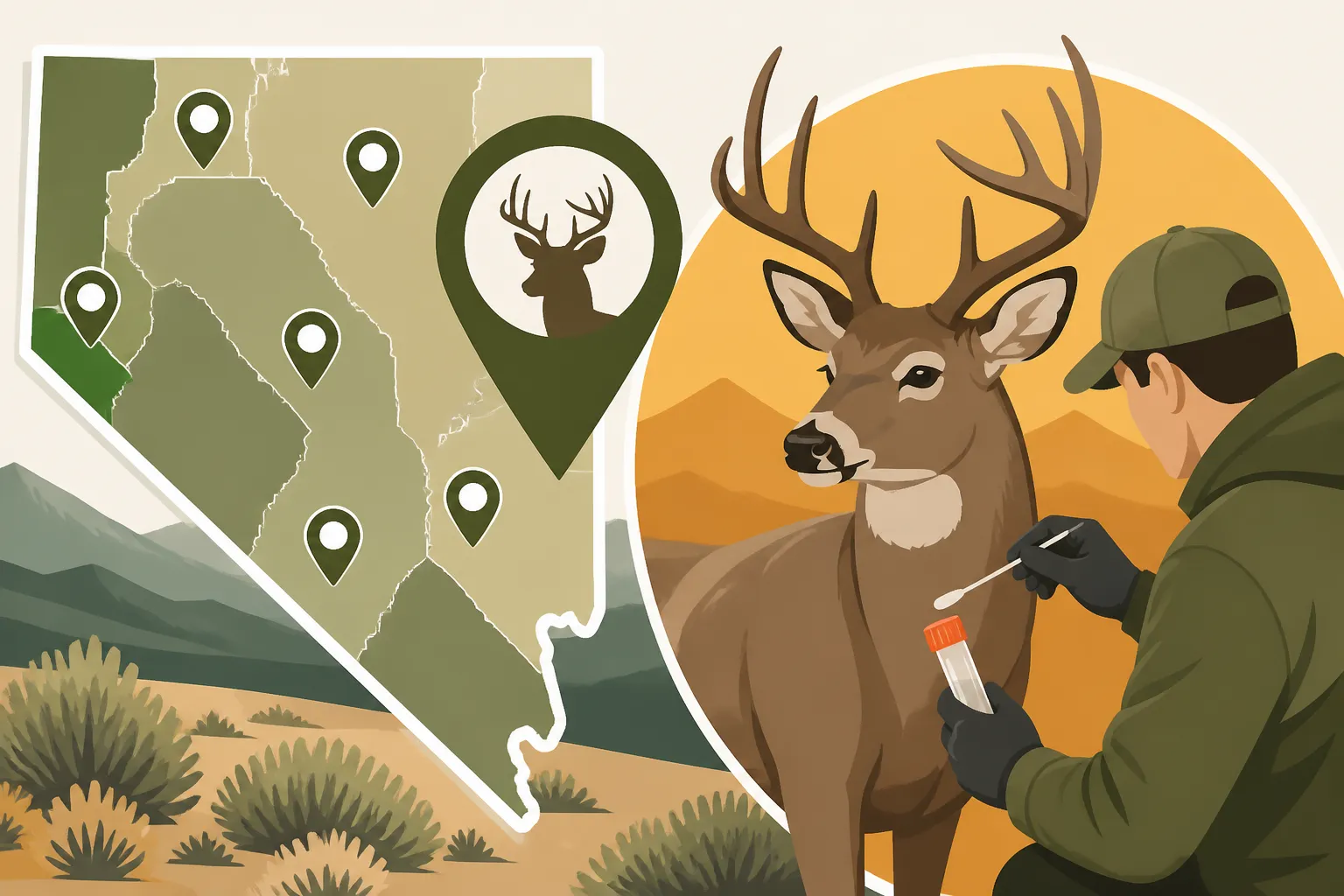
During certain hunting seasons, especially those with high harvest numbers or in units deemed higher risk, NDOW will often set up temporary check stations. These are usually located along main travel corridors or at strategic points leading out of popular hunting units. These aren't always mandatory stops for every hunter, but they are highly encouraged. When you roll up to one of these stations, wildlife biologists and volunteers are typically on hand, ready to explain the process, answer questions, and efficiently collect the necessary samples, usually lymph nodes from the head of a harvested animal. It's a great opportunity to contribute directly to wildlife health data. These stations are often announced in advance, so keeping an eye on NDOW's communications or checking resources like GoHunt can help you plan your route.
NDOW Regional Offices and Drop-Off Sites
Beyond seasonal check stations, all of NDOW's regional offices across the state serve as year-round drop-off points for CWD samples. Whether you're in Fallon, Elko, Las Vegas, Reno, or elsewhere, there's likely an office within a reasonable distance. These offices are staffed during business hours and can guide you through the process.
In addition to the main offices, NDOW often establishes strategically placed freezer barrel drop-off sites, particularly in more remote areas or units known for significant deer or elk harvest. These are typically large, clearly marked freezers where hunters can deposit heads from their harvested animals. Instructions are always provided at these sites, detailing how to properly label your animal with your tag information so NDOW can accurately track the sample. These sites are incredibly convenient, especially if you're wrapping up a hunt far from a regional office. Knowing your Carcass Transport Rules After a CWD Detection is important, even if just dropping off a head.
Partnering with Taxidermists and Meat Processors
Recognizing that many hunters utilize professional services after a successful hunt, NDOW also partners with a network of licensed taxidermists and meat processors across Nevada. These businesses are often trained and equipped to collect CWD samples from harvested animals brought to them by hunters. This is a fantastic convenience, as it integrates the sampling process seamlessly into your post-harvest routine. When you drop off your deer or elk for processing or mounting, simply inquire if they are part of the CWD sampling program. This collaboration extends the reach of the sampling effort significantly, making participation even easier for many hunters. Always confirm with your chosen processor or taxidermist ahead of time if this is a service they offer.
Here’s a quick overview of typical sampling locations:
| Type of Location | Accessibility and Timing | Hunter Action Required |
|---|---|---|
| Designated Check Stations | Seasonal, specific high-harvest units/corridors | Stop if active, cooperate with NDOW staff |
| NDOW Regional Offices | Year-round, during business hours | Transport head to office, coordinate with staff |
| Freezer Barrel Drop-off Sites | Seasonal, strategically placed in remote areas | Deposit head with required tag info, follow instructions |
| Partner Taxidermists/Processors | Year-round, during their business hours | Inquire about CWD sampling services when dropping off animal |
Hunter Responsibilities and How to Participate in Sampling
Your role as a hunter in Nevada's CWD sampling program is paramount. It’s not just a nice-to-do; it’s a critical part of protecting the future of our wildlife. The sheer volume of game harvested each year means that hunters collectively represent the largest and most widespread source of potential samples for monitoring.
Understanding the Requirements
First and foremost, familiarize yourself with the current regulations. While CWD sampling is often voluntary, there might be specific units or seasons where it's mandatory, especially if new concerns arise. Always check the current Nevada hunting regulations pamphlet or the NDOW website for the most up-to-date information specific to your hunt unit. You might find unit-specific details on platforms like GoHunt as well, which can be invaluable for planning your trip.
When you harvest an animal, particularly a deer or elk, NDOW asks that you consider submitting a sample. Typically, this involves providing the head of the animal, from which biologists can collect the necessary lymph node tissue for testing. Before you submit, ensure your tag is properly affixed to the animal. Remember, Mandatory Reporting After a Nevada Harvest applies to all big game, and CWD sampling is an additional, though often voluntary, step that greatly benefits wildlife management.
The Sampling Process
If you plan to drop off a head at an NDOW office or freezer barrel, here’s a general idea of what to expect:
- Tagging and Preparation: After harvesting your animal, field dress it appropriately. If you plan to submit the head, keep it cool, especially in warmer seasons. Make sure your tag is securely attached.
- Transport: Carefully transport the head to your chosen sampling location. Be mindful of Carcass Transport Rules After a CWD Detection which generally mean not transporting the brain or spinal column out of a suspected area, though for proactive sampling, the whole head is usually fine.
- Documentation: At a check station or NDOW office, staff will guide you. At a freezer barrel, you'll find clear instructions on how to fill out a data sheet or tag that identifies your animal, the unit and date of harvest, and your contact information. This ensures that if CWD is detected, NDOW can notify you.
- Deposit: Place the properly tagged and documented head into the designated freezer. If using a taxidermist or processor, they will handle the specifics, but you’ll still need to provide your hunt details.
It might feel like an extra step after a long hunt, especially when you're already focused on Getting Meat Cooled on an Early Season Hunt or Packing an Animal Out of Roadless Country. But that small effort makes a huge difference in the state's ability to monitor and manage wildlife health.
Beyond Sampling Stations: Other Avenues for CWD Monitoring
While hunter-submitted samples at designated stations form the backbone of Nevada's CWD surveillance, it's not the only way wildlife managers monitor for this disease. A comprehensive CWD strategy requires multiple layers of vigilance, ensuring that potential cases are caught regardless of how they present themselves.
Agency Surveillance and Opportunistic Sampling
NDOW biologists and game wardens are constantly in the field, monitoring wildlife populations. If they encounter an animal exhibiting symptoms consistent with CWD – such as extreme weight loss, stumbling, or unusual behavior – they will typically collect samples for testing. This "opportunistic" sampling is a critical safety net, allowing the agency to investigate animals that might not otherwise be part of the hunter harvest. It also extends surveillance to areas or species that might not be heavily hunted or where public access for sampling is more limited. This proactive work is vital for understanding herd health across all corners of the state.
Roadkill incidents also present opportunities for surveillance. When deer or elk are killed on roads, if the carcass is in suitable condition and the location is strategic, NDOW personnel may collect samples before the animal is disposed of. This provides valuable data from animals that weren't harvested through traditional hunting methods.
Educational Outreach and Reporting Sick Animals
An often-overlooked but crucial aspect of CWD monitoring is public awareness. Hunters, hikers, ranchers, and anyone spending time in Nevada's backcountry are the eyes and ears of the wildlife department. If you ever observe a wild cervid acting strangely, appearing emaciated, or showing other signs of illness, it's vital to report it to NDOW immediately. They have specific protocols for responding to and investigating reports of sick or dead wildlife, and your timely information can be instrumental in identifying potential disease outbreaks early. It's a true partnership between the public and wildlife professionals.
NDOW also engages in ongoing educational campaigns to inform hunters and the general public about CWD, its symptoms, and the importance of preventing its spread. This includes information on proper Field Dressing in August Heat to minimize disease transmission risks, and guidelines for The Meat Salvage Requirements for Big Game which often touch on responsible disposal of carcasses. By understanding the signs and knowing who to contact, we all contribute to a healthier wildlife population. Resources like GoHunt also play a role in disseminating this information, often featuring articles and updates relevant to CWD.
Long-Term Monitoring and Research
CWD surveillance isn't just about finding the disease; it's also about understanding long-term trends and population health. NDOW uses the data collected from hunter samples and opportunistic sampling to track disease prevalence (if it were ever to appear), identify high-risk areas, and inform future management decisions. This scientific approach helps ensure that How Nevada Sets Its Season Framework and other regulations are based on the best available biological information.
The fight against CWD is a marathon, not a sprint. It requires consistent effort, hunter cooperation, and a dedicated wildlife agency. By understanding where sampling happens, why it's important, and how you can contribute, you become an integral part of safeguarding Nevada's incredible hunting heritage.
Disclaimer
This article is for general informational purposes only and does not constitute professional advice. Laws, prices and regulations vary by location and change over time. Consult a qualified professional for guidance on your specific situation.