Motorized Travel Rules on Nevada Public Land
Hunting in Nevada offers unparalleled access to vast stretches of public land, but that freedom comes with a critical responsibility: understanding and adhering to the motorized travel rules. It's easy for even experienced hunters to get turned around or unknowingly stray off designated routes, leading to potential fines, habitat damage, and a black eye for all responsible outdoorsmen. This comprehensive guide aims to demystify the complex regulations governing vehicle use on Nevada's public lands, ensuring your next adventure is both successful and fully compliant.
The Foundation of Motorized Travel Rules on Nevada Public Land
The sheer expanse of Nevada's public lands, largely managed by federal agencies, can feel like an open invitation to roam wherever your tires can take you. However, this perception is far from the reality on the ground. Motorized travel is heavily regulated, and for good reason. Understanding the foundational principles behind these rules is the first step toward navigating the landscape responsibly.
Why Rules Exist: Protecting Resources and Access
Imagine hundreds of vehicles crisscrossing the fragile desert floor or the steep, sensitive soils of a mountain range. The damage to vegetation, the creation of new, unauthorized trails, and the erosion that follows can quickly degrade critical wildlife habitat, disturb nesting birds, and impact water quality. These rules aren't designed to make your life harder; they're in place to protect the very resources that make Nevada such an incredible place to hunt. They ensure that elk, deer, and other game species have undisturbed areas for feeding and bedding, and that the unique ecosystems of the Great Basin remain healthy for generations to come. Without these protections, the quality of our hunting experiences would rapidly diminish, and access might be curtailed even further.
Furthermore, regulated travel helps manage conflicts between different user groups. Hikers, horseback riders, mountain bikers, and off-highway vehicle (OHV) enthusiasts all share these public spaces. Designated routes help minimize interactions that could be frustrating or even dangerous, ensuring everyone can enjoy their chosen activity with minimal disturbance. It's about maintaining a balance so that the vastness of Nevada can be enjoyed by all in a sustainable way.
Agency Roles: BLM, Forest Service, and State Lands
Most of Nevada's public land falls under the jurisdiction of two primary federal agencies: the Bureau of Land Management (BLM) and the U.S. Forest Service (USFS). The rules can vary significantly between these agencies, and even between different districts or forests within the same agency. The BLM, which manages the vast majority of Nevada's lands, generally operates under a "designated route" system, meaning you're only allowed to drive on routes specifically identified as open. The Forest Service also employs a designated route system, often detailed in their Motor Vehicle Use Maps (MVUMs).
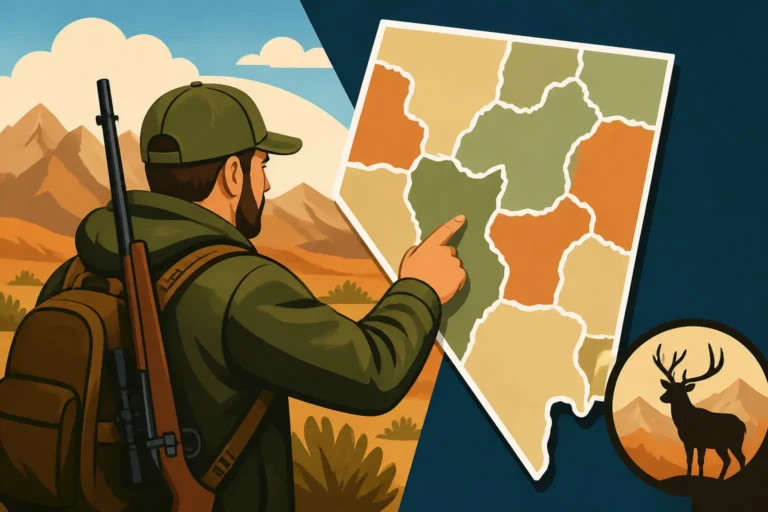
State-owned lands, while less extensive for hunting, also have their own set of rules, often managed by the Nevada Department of Wildlife (NDOW) within State Wildlife Management Areas (WMAs). It's crucial to know who manages the land you're on, as their specific regulations will dictate your motorized travel. This means that a map showing public land boundaries is just the first step; you then need to consult the specific agency's travel management plan for that area. BLM Ground Is Where Most Nevada Hunting Happens is a great resource to understand the sheer scale of this land.
The Concept of "Designated Routes"
The core principle behind most motorized travel rules on Nevada public land is the "designated route" system. This means that if a road or trail isn't specifically marked or identified as open for motorized use, it's considered closed. It's not a matter of "if there's no sign, it's open"; it's quite the opposite. This system was implemented to prevent the proliferation of user-created trails, which often lead to environmental damage.
Designated routes are typically marked with signs, numbered, and depicted on official maps. They can range from wide, graded gravel roads suitable for any truck to narrow, rocky two-tracks only passable by high-clearance 4x4s or OHVs. The important takeaway is that cross-country travel, driving off of these marked routes, is generally prohibited. This includes driving across open sagebrush flats to retrieve an animal or cutting a corner on an existing road. While it might seem like a small shortcut, these actions contribute to habitat degradation and can lead to serious fines.
Understanding Different Vehicle Restrictions
Not all vehicles are created equal when it comes to navigating Nevada's public land. The type of vehicle you operate plays a significant role in where you can and cannot go, even on designated routes. Agencies often have specific classifications, and misunderstanding them can quickly lead to trouble.
OHVs, ATVs, and UTVs: What's Allowed Where?
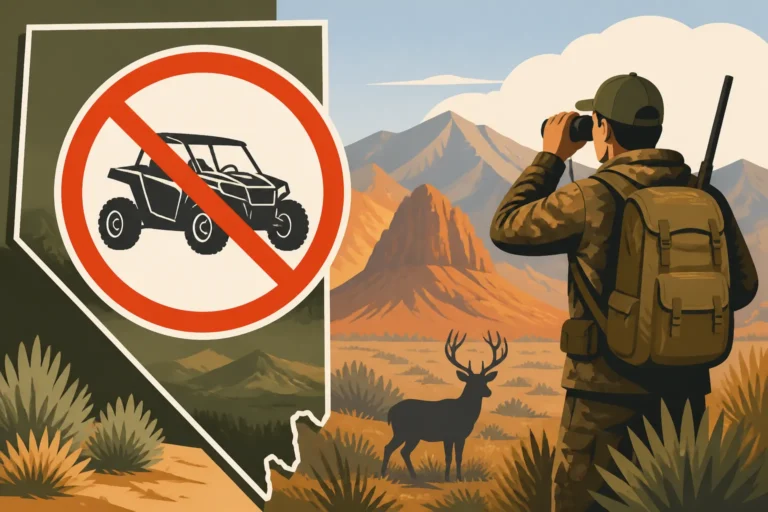
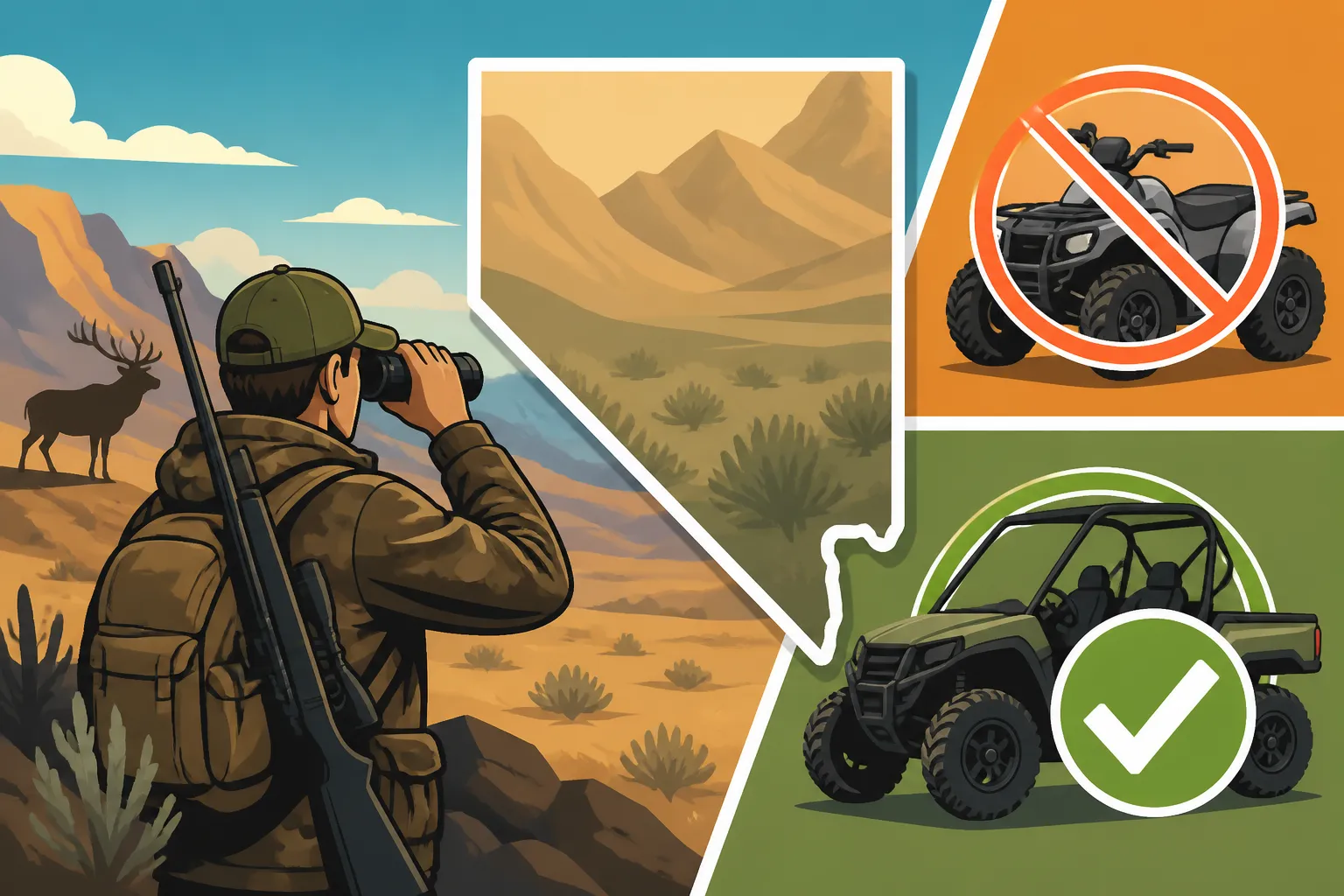
Off-Highway Vehicles (OHVs), which include All-Terrain Vehicles (ATVs) and Utility Task Vehicles (UTVs), are a popular choice for accessing remote hunting areas in Nevada. These vehicles are generally designed for rugged terrain and can traverse routes that might be impassable for standard trucks. However, even OHVs are restricted to designated routes. They are not a pass to drive anywhere off-road.
Each state has specific registration and equipment requirements for OHVs, and Nevada is no exception. Make sure your ATV or UTV is properly registered, insured, and equipped with the necessary safety gear. While some designated routes might be open to both full-size vehicles and OHVs, others may be specifically designated as "OHV trails" or "single-track" trails, which are only appropriate for smaller, narrower machines. Always check the specific route designation before heading out, especially if you're venturing into unfamiliar territory.
Full-Size Vehicles and "Improved" Roads
Most hunters will primarily rely on full-size trucks or SUVs to get them into their general hunting units. These vehicles are typically restricted to main roads, usually those maintained for two-wheel-drive access, or more rugged two-track roads that are clearly designated as open for motorized use. The term "improved" road can be misleading; it doesn't necessarily mean paved or even regularly graded. It simply refers to a route that has been formally established and is maintained to some degree, distinguishing it from an arbitrary track made by past vehicle use.
While your truck might be capable of handling some pretty rough terrain, remember that capability doesn't equate to legality. Just because your lifted 4×4 can drive up a steep, rocky wash doesn't mean it's a legal route. Always refer to official maps and signage. It's also critical to remember that Remote Road Conditions Across Nevada can change rapidly, with washouts, mud, or snow creating impassable sections, even on well-traveled routes. Be prepared for anything and avoid getting stuck far from help.
E-Bikes and Their Evolving Status
The rise of electric bicycles, or e-bikes, has introduced new questions regarding motorized travel. For many years, an e-bike was often treated just like a regular bicycle, allowed on non-motorized trails. However, regulations are evolving, and their classification can vary by agency and even by specific land unit. Some land managers consider e-bikes to be motorized vehicles due to their electric assist, and therefore restrict them to motorized routes only. Others classify them based on their power output (Class 1, 2, or 3) and allow lower-power e-bikes on some non-motorized trails.
If you plan to use an e-bike for scouting or accessing hunting areas, it is absolutely essential to check the specific regulations for the area you intend to hunt. Don't assume. A quick call to the local BLM field office or Forest Service ranger district can save you a headache and a potential citation. This is a rapidly changing area of regulation, so what was allowed last year might not be this year.
Navigating and Identifying Legal Routes
The key to responsible motorized travel in Nevada is knowing exactly where you are and whether your current route is legal. This requires a combination of modern technology, old-school map reading, and a keen eye for signage.
Using Maps and Technology: Essential Tools
Gone are the days when a single paper map was your only guide. Today, digital mapping applications are indispensable for navigating Nevada's public lands. Tools like onX Hunt or GoHunt are incredibly powerful, showing land ownership boundaries, designated roads, and often non-motorized trails. These apps frequently update their data, reflecting current travel management plans. Using onX Layers for Nevada Public Land can show you how to leverage these tools effectively.
Before you even leave home, spend time e-scouting your unit. Use satellite imagery to identify potential access points and routes. Overlay public land boundaries to confirm access. Then, switch to a designated routes layer to see which roads and trails are officially open for motorized use. Pay close attention to any markings that indicate seasonal closures or vehicle type restrictions. It's also smart to download offline maps, as cell service is notoriously spotty in much of Nevada's backcountry. E-Scouting a Nevada Unit Before the Season is a crucial step to planning any hunt.
Official Signage and Road Markers
While digital maps are invaluable, always defer to official signage on the ground. A road or trail may be depicted as open on a map, but if there's a "Road Closed" sign, a barrier, or clear evidence of closure (like rehabilitation efforts), respect it. Signs indicating "No Motorized Vehicles," "Wilderness Boundary," or specific vehicle restrictions (e.g., "ATV/UTV Only") must be obeyed. Many designated routes will also have numbered markers. Familiarize yourself with how these numbers correspond to your maps.
It's tempting to think a faint two-track trail is a road, but if it lacks official signage or doesn't appear on your designated routes map, assume it's closed. Vandalized or missing signs are also a problem in some areas; in such cases, revert to your map and err on the side of caution.
The Importance of Pre-Scouting and Planning
Even with the best maps and GPS units, there's no substitute for thorough pre-scouting and planning. Before your hunt, dedicate time to study your chosen unit. Understand Reading a Nevada Hunt Unit Before You Apply to grasp the lay of the land, including access. Look for major access roads and identify any areas that might be restricted or difficult to reach. If possible, do a reconnaissance trip well before the season opens to personally verify road conditions and access points.
This also means understanding where water sources are, which often dictate wildlife movement and can be critical for your own survival. Finding Guzzlers and Springs on a Map can help you locate these essential points, but remember, driving directly to them off a designated route is still often prohibited. Good planning includes having backup routes, understanding the distances between fuel stops, and knowing what to do if a planned route is unexpectedly closed.
Areas with Strict Motorized Travel Prohibitions
While much of Nevada's public land allows some form of motorized travel, there are significant areas where vehicles are completely prohibited or heavily restricted. Knowing these zones is paramount to avoid fines and protect sensitive environments.
Wilderness and Wilderness Study Areas
Designated Wilderness Areas are, by law, free from motorized vehicles, mechanized equipment (including mountain bikes and e-bikes), and permanent structures. They are managed to preserve their wild character, offering opportunities for solitude and primitive recreation. Driving into a Wilderness Area, even a short distance, is a serious violation. Wilderness Study Areas (WSAs) are lands that possess wilderness characteristics and are being considered for full wilderness designation. While they might not be full wilderness, they are managed under interim policies that generally prohibit motorized cross-country travel and often restrict vehicles to existing, maintained routes. In many WSAs, even those existing routes might be limited. Always confirm the specific rules for the WSA you plan to enter, but generally, assume strict limitations. Wilderness Study Areas and Vehicle Limits outlines these restrictions further.
These areas are typically well-marked on official maps and often have signage on the ground. They are precious resources for foot hunters, offering true escape into the wild, but they are absolutely off-limits for motorized access beyond designated perimeter roads.
Wildlife Management Areas and Refuges
State Wildlife Management Areas (WMAs) and federal National Wildlife Refuges (NWRs) are established specifically for the conservation and management of wildlife populations and their habitats. As such, they often have stricter rules regarding motorized travel than general BLM or Forest Service lands. While some WMAs might have designated roads open for access, others could be entirely closed to motorized vehicles, requiring foot or horseback access only.
For instance, certain areas might be closed seasonally to protect nesting birds or wintering big game herds. Always consult the specific regulations for any WMA or NWR you plan to enter. These regulations are usually posted at entry points, on agency websites, and sometimes detailed in your state hunting regulations booklet. Don't assume that because it's public land, it's open for vehicle travel. The purpose of these areas is wildlife, and access rules reflect that priority.
Private In-Holdings and Trespass Concerns
It's common for private land parcels to be interspersed within vast tracts of public land, especially along valley floors and near historical ranches. These "in-holdings" are private property, and driving across them without permission constitutes trespass, even if you're trying to reach another piece of public land. Land ownership maps, like those found on onX Hunt, are critical for identifying these boundaries. Reading a Land Ownership Layer Correctly is a skill every Nevada hunter needs.
Always ensure you have clear, legal access to the public land you intend to hunt. Sometimes, what looks like a public road might actually cross private property. If you're unsure, it's always best to err on the side of caution or contact the landowner for permission. Nevada's laws on trespass are clear, and ignorance is rarely an acceptable defense. Respecting private property not only keeps you out of legal trouble but also fosters good relations between hunters and landowners, which is vital for maintaining access to hunting grounds. Private Ranch Ground Along Nevada Valleys often have these access issues.
Seasonal Closures and Other Dynamic Limitations
Motorized travel rules on Nevada public land aren't static; they can change throughout the year due to environmental conditions, resource management needs, or emergency situations. Staying informed about these dynamic closures is just as important as knowing the permanent regulations.
Weather-Related and Winter Road Closures
Nevada's diverse climate, from scorching deserts to snow-capped mountains, means that weather plays a huge role in road accessibility. Many high-elevation roads in national forests and even some BLM routes are subject to seasonal winter closures. These closures protect roads from damage during freeze-thaw cycles and prevent vehicles from getting stuck in deep snow, which can be dangerous for drivers and costly for rescue efforts. These closures typically begin in late fall and extend into late spring or early summer, depending on snowpack.
Conversely, heavy rains can turn seemingly solid dirt roads into impassable quagmires, and flash floods can wash out entire sections of road, especially in the desert. Always check weather forecasts and current road conditions before heading out. Don't assume that a road open in August will be open in November. Agencies will post notices of these closures on their websites and sometimes at key access points.
Fire Restrictions and Emergency Closures
During hot, dry periods, Nevada is highly susceptible to wildfires. To mitigate risk, land management agencies frequently implement fire restrictions, which can range from limiting campfires to prohibiting motorized vehicles on certain routes or even closing entire areas to public access. These emergency closures are for your safety and the protection of natural resources. Driving into an area under fire closure is incredibly irresponsible and can lead to severe penalties.
It's crucial to check for current fire restrictions and closures, especially during summer and early fall hunting seasons. Resources like the National Interagency Fire Center (NIFC) website and local BLM/Forest Service office announcements are your best bet. A hunt plan can quickly be derailed by unexpected fire activity, so having alternative units or areas in mind is always a good strategy.
Administrative Closures for Resource Protection
Beyond weather and fire, land management agencies may implement temporary or long-term administrative closures for various resource protection reasons. This could include protecting critical wildlife habitat during sensitive periods (like lambing or fawning seasons), allowing for habitat restoration projects, or mitigating damage from overuse. These closures might affect specific roads, trails, or entire areas.
For example, a specific area might be closed to vehicle traffic during the mule deer rut to reduce disturbance to the animals. Or a recently reseeded area might be closed to allow vegetation to establish. These closures are typically well-advertised by the managing agency. As hunters, it's our responsibility to respect these closures, understanding they are in place for the long-term health of the wildlife and habitat we cherish. Ignoring these can compromise future access for everyone.
Best Practices for Responsible Motorized Travel
Adhering to the letter of the law is a good start, but truly responsible motorized travel goes beyond mere compliance. It involves a mindset of stewardship and preparedness that ensures your actions contribute positively to the hunting landscape.
Treading Lightly: Minimizing Your Impact
Even on designated routes, how you drive matters. Excessive speed, aggressive driving, or driving in wet conditions can cause erosion, widen trails, and damage vegetation along the shoulders. Think about the impact your vehicle has on the environment. Stay on the designated route, even if it means driving around a puddle rather than through it if going through would widen the track. Avoid spinning your tires unnecessarily, especially on inclines.
When parking, pull off the main track where allowed and ensure your vehicle isn't blocking the road or damaging sensitive plants. If you're retrieving a downed animal, and vehicle access is permitted, plan your approach carefully to minimize disturbance to the surrounding area. Remember, the goal is to leave no trace, or as little as possible, so that the next hunter finds the landscape just as pristine.
Preparing Your Vehicle for Remote Nevada Roads
Nevada's backcountry roads are often rugged, rocky, and remote. A breakdown far from civilization can turn a hunt into a dangerous situation. Proper vehicle preparation is non-negotiable. This includes:
- Tires: Ensure your tires are in excellent condition, properly inflated, and rated for off-road use if you plan to hit rougher two-tracks. Carry at least one full-size spare tire, a jack, and tools for changing it. Plugging a tire can save a hunt, so a good tire repair kit is wise.
- Fuel: Plan your fuel stops meticulously. Distances between services can be vast. Always carry extra fuel in approved containers, even if you think you have enough. Carrying Extra Fuel and Water is not just good advice, it's essential for survival.
- Fluids and Maintenance: Check all fluids (oil, coolant, brake fluid) before you leave. Ensure belts, hoses, and brakes are in good working order.
- Recovery Gear: A shovel, traction boards, a tow strap, and basic tools can get you out of a sticky situation. A high-lift jack can be a lifesaver.
- Navigation and Communication: Besides your onX Hunt app, carry paper maps and a compass as a backup. A satellite messenger or inReach device is highly recommended for communication in areas without cell service.
The Ethical Hunter's Approach to Access
As hunters, we are ambassadors for our sport. Our actions reflect on the entire hunting community. Respecting motorized travel rules is a fundamental part of ethical hunting. It demonstrates our commitment to conservation and responsible land use. If you see others violating these rules, politely educate them if it's safe to do so, or report serious violations to the appropriate land management agency.
Beyond just following the rules, consider the spirit of them. Sometimes, just because you can drive a route, doesn't mean you should. Opting to walk or use non-motorized methods of travel in certain sensitive areas, even if motorized access is technically permitted, can enhance your hunting experience and minimize your footprint. This commitment to thoughtful access helps secure hunting opportunities for the future and preserves the wild character of Nevada's incredible landscapes.
| Vehicle Type | Typical Allowed Use (General) | Common Restrictions/Considerations |
|---|---|---|
| Full-Size Trucks/SUVs | Main roads, maintained two-tracks, designated 4×4 routes | Limited on narrow OHV trails; prohibited off-road/cross-country |
| ATVs/UTVs (OHVs) | Designated OHV trails, some two-tracks, main roads (check local ordinances) | Prohibited in Wilderness/WSAs; must be registered and equipped |
| Motorcycles (OHVs) | Designated OHV trails, single-track trails | Prohibited in Wilderness/WSAs; must be registered and equipped |
| E-Bikes | Varies by agency/power output; often on motorized routes only | May be considered motorized; check local rules; prohibited in Wilderness |
| Bicycles (Non-motorized) | Non-motorized trails, designated routes, roads | Prohibited in some sensitive areas or where vehicle traffic is heavy |
Disclaimer
This article is for general informational purposes only and does not constitute professional advice. Laws, prices and regulations vary by location and change over time. Consult a qualified professional for guidance on your specific situation.