Getting Landowner Permission in Nevada
It’s a uniquely frustrating situation for hunters in a state like Nevada, where so much land is technically public, yet often completely inaccessible without crossing private property. You find yourself staring at an amazing piece of BLM ground on the map, only to realize a rancher's deeded land cuts it off from any public road. This guide is all about demystifying the process of securing landowner permission in Nevada, helping you understand the landscape, make the right approach, and hopefully, unlock new hunting opportunities.
Understanding Nevada's Land Ownership Mosaic
Nevada is famously a state dominated by federal public lands, with vast stretches of Bureau of Land Management (BLM) and National Forest acreage. However, that doesn't mean every square inch is easy to get to. The way private and public lands are interspersed, especially in the valleys and around water sources, often creates complex access challenges.
The Reality of Checkerboard Land
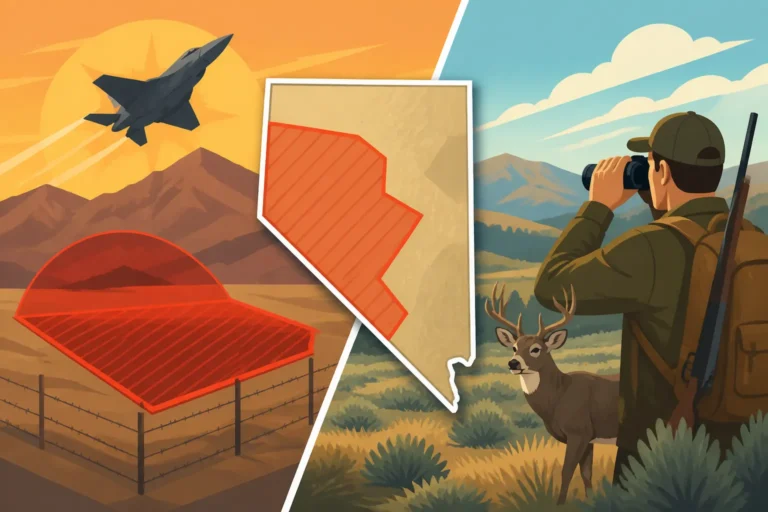
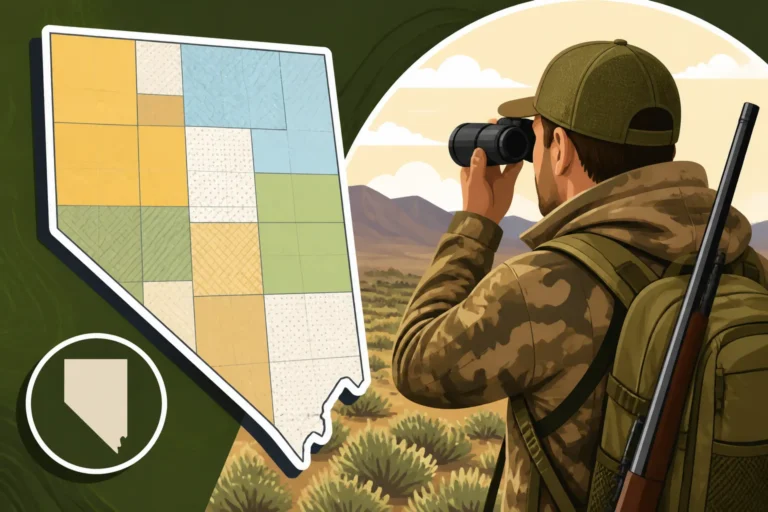
Imagine looking at a chessboard where some squares are public and others are private. That's often what you face in Nevada, especially in the transitional areas between agricultural valleys and the more rugged mountain ranges. Private parcels frequently line crucial roadways, border vital water sources, or simply lie directly in the path of where you want to go on public land. This "checkerboard" pattern means that even if a map shows public land, if you can't reach it without stepping onto private ground, it's effectively inaccessible without permission. This can be infuriating when you've done your homework, found what looks like a promising hunting spot, and then realize a half-mile strip of private land is the only way in. It changes everything about how you plan your hunt and forces you to confront the reality that not all public land is publicly accessible.
Many hunters, especially those new to the West, assume that if it's not fenced, it's fair game. That's a dangerous assumption to make in Nevada. Those critical private parcels often serve as vital corridors for wildlife moving between feeding and bedding areas, making them incredibly attractive to hunters. Understanding this reality is the first step toward respecting landowners and protecting your hunting privileges.
Identifying Private Property Boundaries
Knowing exactly where private land begins and ends is absolutely non-negotiable in Nevada. Gone are the days of guessing or relying solely on old paper maps that might not be precise enough. Modern technology has become an indispensable tool here. Applications like onX Hunt or GoHunt provide satellite imagery overlaid with land ownership boundaries, often color-coded to distinguish between private, BLM, National Forest, and other federal or state lands. This isn't just a convenience; it's a necessity for ethical and legal hunting. These digital tools allow you to zoom in and see the exact lines, often right down to fence lines or changes in vegetation. You can drop waypoints, measure distances, and plan your approach with incredible accuracy.
However, it's also important to remember that digital maps are a tool, not a substitute for real-world observation. Always be on the lookout for physical signs like fences, "No Trespassing" signs, gates, or even changes in road maintenance that might indicate a boundary. If there's any doubt, err on the side of caution. Always verify what you see on your screen with what's on the ground. For more on navigating property lines, check out Reading a Land Ownership Layer Correctly.
The Legalities of Trespass in Nevada
Let’s be crystal clear: trespass in Nevada is a serious matter, and ignorance of the law is no excuse. Stepping onto private property without explicit permission, whether it's fenced, posted, or not, can lead to significant consequences. Nevada law defines trespass, and landowners have the right to protect their property. The definition isn't just about hunting; it's about being on land you don't have permission to be on, for any reason. Even if you're just "scouting" or retrieving a downed animal, you need permission.
The penalties for trespass can range from fines that can easily run into hundreds of dollars, to confiscation of your game and equipment, and even loss of hunting privileges. A conviction can also stay on your record, potentially impacting future hunting draws or licenses in other states. Furthermore, it erodes the already delicate relationship between hunters and landowners. One hunter's careless mistake can make it harder for every other hunter to gain permission in that area for years to come. Understanding Trespass Law on Posted Property is fundamental to being a responsible hunter.
The Art of Approaching Landowners
Securing permission is less about luck and more about strategy, respect, and presentation. Many landowners have been burned by disrespectful individuals in the past, so your approach needs to be thoughtful and considerate.
Doing Your Homework Before You Knock
Before you even think about driving down that ranch road, do your homework. First, pinpoint exactly which parcel of private land is blocking your access or holding the game you're interested in. You can often find landowner information through county assessor's offices, which are usually public record. A simple online search might also yield results. Knowing the owner's name, or at least the ranch name, makes your approach much more professional. Next, research the specific area. Is it cattle country? Does it have irrigated fields? What kind of habitat is present? This shows you're not just randomly knocking on doors, but you've put thought into why you're interested in their land.
Consider the time of year. Ranchers are often busiest during planting, harvest, or calving seasons. Try to pick a time when they might have a few minutes to talk, perhaps mid-day or late afternoon, and avoid meal times. A brief, polite phone call can sometimes be better than an unannounced visit, but if you do visit in person, be prepared for them to be busy. For great tips on advance planning, consider E-Scouting a Nevada Unit Before the Season.
Crafting Your Introduction
First impressions are everything. When you approach a landowner, dress respectfully – clean clothes, not your grungiest hunting gear. Leave your rifle in the truck. Be polite, friendly, and speak clearly. Start by introducing yourself, stating your purpose immediately: "Hello, my name is [Your Name], and I'm a hunter interested in deer. I was looking at a map and saw your property is adjacent to some public land I'd like to access." Explain why you're interested in their specific property. Perhaps you've seen a nice buck on the boundary, or you need to cross their land to reach a public canyon.
Ask, don't demand. "I was hoping you might consider allowing me to hunt/cross your land" is much better than "I want to hunt your land." Be prepared for them to be cautious or even hesitant. Many landowners have heard it all before, from people promising the moon and then leaving gates open or trash behind. Emphasize your respect for their property, their livestock, and their livelihood. Keep your initial pitch concise, but be ready to answer questions honestly. For an even deeper dive on how to frame these conversations, refer to How to Ask a Nevada Rancher for Access.
What Ranchers Look For in a Hunter
Landowners aren't looking for money (usually, unless it's a specific trespass fee scenario); they're looking for trust and respect. They want to know you're responsible and won't cause them problems. Key qualities often include:
- Reliability: Will you do what you say you're going to do? Will you close gates, avoid driving off roads, and pick up your trash?
- Responsibility: Are you a safe hunter? Do you understand firearm safety, and will you be mindful of livestock and structures?
- Respect for Property: This means everything from not damaging fences to not disturbing their peace or operations. They want someone who will treat their land as if it were their own.
- Communication: Will you let them know when you're on the property, and when you've left? Will you report any issues you see, like downed fences or sick cattle?
Some hunters offer to help with small tasks around the ranch, like fixing a fence post, scouting for lost cattle, or even just sharing intel on game movement they observe. This isn't about paying for access, but about demonstrating a willingness to be a good neighbor. It shows you value their time and property beyond just what you can take from it.
Navigating the Permission Conversation
Once you've made your introduction, the real conversation begins. Be prepared for a range of responses and have a clear idea of what you're asking for.
Asking for Access vs. Hunting Rights
This is a critical distinction. Are you simply asking for permission to cross their private land to reach a landlocked piece of public property? Or are you asking for permission to hunt on their private acreage? Be very specific about your request. For example, "I'm hoping to access some BLM land past your west fence line. Would it be possible to walk or drive across your property along an existing two-track road to get there?" is a different request than, "I'd like to hunt deer on your north pasture." Many landowners are more willing to grant access across their property to reach public land, especially if you agree to stick to established roads, than they are to grant hunting rights on their deeded acreage.
If you are granted access across private ground, clarify the route. "Can I drive to that far gate, or should I park here and walk?" Ask about specific restrictions: "Are there any areas I should avoid, like certain pastures or around the house?" This clear communication prevents misunderstandings and demonstrates your respect. For more on this, look up Crossing Private Ground to Reach Public.
Common Landowner Concerns and How to Address Them
Landowners have legitimate concerns, and addressing them proactively can significantly increase your chances of getting a "yes."
| Concern | How to Address It |
|---|---|
| Liability | Reassure them you're a safe, experienced hunter. Some states have "recreational use statutes" that protect landowners, but offering to sign a simple waiver might put them at ease. |
| Gates/Fences | "I always close gates behind me," or "I'll make sure to leave fences exactly as I found them." Offer to report any damage you see. |
| Livestock | "I'll be extremely careful to stay clear of your cattle/horses and will never point a firearm in their direction." Emphasize you're focused solely on game animals. |
| Fire Danger | "I'll carry water and a shovel, won't smoke, and won't have any open flames." Be especially mindful during dry seasons in Nevada. |
| Trash/Litter | "I practice Leave No Trace principles and will pack out everything I pack in, including any spent casings." |
| Other Hunters | Clarify you're a solo hunter or only hunting with a specific, small group. Reassure them you won't share their private access with others. |
| Noise/Disruption | "I'll be respectful of your ranch operations and keep noise to a minimum." Avoid driving ATVs/UTVs unless specifically permitted. |
By anticipating these concerns and offering solutions before they even voice them, you build trust and show you've thought about the implications of your presence on their land.
The Power of a Written Agreement
While a handshake deal might seem old-fashioned and charming, a simple written agreement can save a lot of headaches for both parties. It doesn't have to be a legal document drafted by an attorney; a basic note outlining the terms of permission is often sufficient. This protects both you and the landowner by documenting what was agreed upon.
Key elements to include:
- Your Name and Contact Information: (Phone, email, address)
- Landowner's Name and Contact Information:
- Property Description: (e.g., "The XYZ Ranch, specifically parcels APN XXX-XXX-XXX")
- Dates of Permission: (e.g., "From October 10th to October 20th, 20XX")
- Specific Area of Permission: (e.g., "Access across the north pasture to the BLM boundary," or "Hunting rights on the south 40 acres")
- Species Permitted to Hunt: (e.g., "Mule deer only")
- Any Restrictions or Conditions: (e.g., "No off-road driving," "Gates must remain closed," "Notify owner before and after hunt")
- Signatures and Date:
Keep a copy for yourself and leave a copy with the landowner. This small step demonstrates your professionalism and commitment to respecting their terms, making them more likely to grant permission again in the future.
Building Relationships for Future Opportunities
Getting permission isn't a one-time transaction; it's the start of a potential relationship. The way you conduct yourself after permission is granted can pave the way for future opportunities.
Respecting the "No" and Moving On
Sometimes, despite your best efforts, the answer will be "no." It might be because they've had bad experiences, they only allow family to hunt, or they simply don't want anyone on their property. Whatever the reason, respect it. A polite "Thank you for your time, I understand completely," is the best response. Do not argue, badger, or try to convince them further. Do not leave a mess. Do not complain.
Pushing the issue or showing any disrespect after being denied will only ensure you never get permission from them and likely spread a negative impression of hunters to other landowners in the area. Burning bridges helps no one. Remember, it's their private property, and they have every right to deny access for any reason. A gracious exit can leave a small crack in the door for a different conversation years down the line, if circumstances change.
Proving Yourself a Trustworthy Hunter
If you're granted permission, your work has just begun. Now it's time to live up to every promise you made.
- Communicate: Let the landowner know when you arrive and when you leave, as agreed. If you see something unusual (like a downed fence or suspicious activity), report it.
- Follow the Rules: Adhere strictly to all conditions they set—stay on the designated path, close every gate, avoid certain areas, hunt only the specified species.
- Leave No Trace: Pack out all your trash, including spent casings, discarded broadheads, and any field dressing debris. Leave the property cleaner than you found it.
- Be Safe: Always handle firearms responsibly, be aware of your surroundings, and hunt safely. If you harvest an animal, retrieve it efficiently and ethically, making sure not to damage fences or disturb livestock in the process.
Think of it as an audition for future access. If you prove yourself to be responsible, respectful, and reliable, you might just find that door opening wider next season.
Beyond the Hunt: Offering Assistance
Building a lasting relationship often goes beyond just the hunt itself. If you're successful and the landowner allowed you access, a small gesture of appreciation can go a long way. A heartfelt thank you note, a small gift like a ham from your harvest, or even offering to help with a small chore can solidify your reputation. "Hey, I'm heading out for the season, but if you ever need an extra hand mending fences or moving some firewood, please don't hesitate to call," can open doors for years to come.
Many ranchers are just regular folks trying to make a living, and they appreciate genuine help and companionship. These types of relationships can be invaluable, not just for hunting, but for building community and respect between hunters and private landowners.
Alternatives to Direct Landowner Permission
Sometimes, despite your best efforts, direct permission isn't possible. But that doesn't mean your hunt is over. Nevada offers other avenues for accessing prime hunting grounds.
Outfitter Access and Trespass Fee Hunts
For hunters who want to access private land but can't secure individual permission, outfitters often provide a solution. Many Nevada outfitters have established relationships with ranchers, securing exclusive hunting rights or access across private property to reach public land. This comes at a cost, of course, but it can be a valuable option, especially for coveted species or units. Landowner Access Through a Nevada Outfitter can detail how this works.
Some landowners, particularly those with significant acreages or high-demand species, might offer "trespass fee" hunts. This is essentially paying a fee directly to the landowner for the privilege of hunting on their property for a set period. These arrangements typically don't include guiding services but grant you legal access to private ground. The terms and costs vary wildly, so always clarify what's included and what's expected. For more on this, check out Trespass Fee Arrangements on Nevada Ranches. It's a different dynamic than asking for free permission, and it's important to understand it's a commercial transaction.
State Wildlife Management Areas (WMAs) and Refuges
Nevada also has State Wildlife Management Areas (WMAs) and federal wildlife refuges that are open to public hunting, often with specific regulations. These lands are managed by the Nevada Department of Wildlife (NDOW) or federal agencies with a primary focus on wildlife habitat. While they are public, access might still be controlled, and you'll need to check specific WMA rules regarding vehicle access, camping, and hunting methods.
These areas can offer excellent hunting opportunities, particularly for waterfowl, upland birds, and sometimes deer or elk, without the need to navigate private landowner permissions. They are well-marked and usually have clear boundaries. Knowing the rules for State Wildlife Management Areas Open to Hunting is key to a successful experience.
Considering Less Pressured Public Lands
Sometimes, the best alternative to navigating complicated private land access is simply to adjust your sights to less pressured, albeit potentially less convenient, public land. Nevada has vast tracts of public land that are truly open and accessible, even if they require a longer hike or more rugged vehicle access. By studying detailed maps and using e-scouting tools, you can often identify areas where private land access isn't an issue at all.
These areas might not hold the same concentration of game as those near critical water sources or prime agricultural fields that tend to be private, but they offer solitude and a true backcountry experience. It often means working harder, covering more ground, and packing in further, but it guarantees you're hunting legally and ethically without the stress of managing private property boundaries. Sometimes, simply putting in the extra boot leather is the easiest way to avoid the headache of private land access. For tips on finding these spots, explore Finding Low Pressure Ground on Opening Weekend and Reading a Nevada Unit Boundary Before You Apply.
Disclaimer
This article is for general informational purposes only and does not constitute professional advice. Laws, prices and regulations vary by location and change over time. Consult a qualified professional for guidance on your specific situation.