Trespass Fee Arrangements on Nevada Ranches
Navigating the vast landscapes of Nevada for hunting can often feel like a puzzle, especially when you encounter those tantalizing pockets of private land that seem to hold all the secrets. Many hunters get incredibly frustrated when they see prime habitat or a key travel corridor on a map, only to find it's private ground, blocking access to public areas or holding unpressured game. This guide will meticulously break down the often-misunderstood world of trespass fee arrangements on Nevada ranches, helping you understand how they work, how to secure them, and how they can unlock new hunting opportunities for your next adventure.
Understanding Nevada's Private Land Landscape
Nevada is often hailed as a public land paradise, and for good reason—a massive percentage of the state is federally owned. However, this doesn't mean it's all one big, open playground. Far from it. As soon as you start diving into detailed maps, you'll quickly realize that private land holdings, particularly large ranches, play a significant role in the overall hunting landscape, especially in key areas that provide critical resources for wildlife. Understanding this dynamic is the first step to truly unlocking Nevada's hunting potential.
The Reality of Checkerboard Ownership
Imagine a vast grid laid out across the landscape. In many parts of Nevada, particularly in the northern and eastern regions, you'll encounter what's known as "checkerboard" land ownership. This pattern originated from historical railway grants, where alternate sections (square miles) of land were granted to railroad companies to encourage development. The result today is a patchwork of public (often BLM or Forest Service) and private land, frequently intermingled in a way that can make access incredibly challenging. One section might be public, the next private, the next public again. This isn't just a minor inconvenience; it can mean vast tracts of public land become effectively landlocked by surrounding private parcels. A beautiful canyon might be accessible from one side, but the only road in passes directly through a private ranch. This checkerboard pattern creates choke points, access dilemmas, and often means that some of the best habitat, especially areas with reliable water sources or critical winter range, is either entirely private or very difficult to reach without crossing private ground. It's a reality that can leave even the most experienced public land hunter scratching their head, wondering how to legally get to where they want to be.
Why Private Land Matters for Public Land Hunters
It might seem counterintuitive, but private land ownership can profoundly impact your public land hunt. For one, these ranches often encompass vital resources that game animals depend on. Think about those crucial water sources in a dry desert unit, or lush alfalfa fields that draw deer and elk from miles around. Animals don't recognize property lines; they follow food, water, and cover. If a major water source or a large portion of a herd's winter range falls within private property, those animals are naturally going to spend a significant amount of time there. This means that even if you're hunting on adjacent public land, your success can be directly tied to what the animals are doing on the private ground next door. Furthermore, as mentioned with the checkerboard system, private ranches can often block legal access to otherwise public lands. You might see a huge block of BLM on your Reading a Land Ownership Layer Correctly, but if the only roads or trails leading to it cross a private ranch, you’re out of luck unless you secure permission. Understanding this intricate relationship is key to strategic hunting, whether you're explicitly seeking private land access or simply trying to predict animal movement patterns on public ground. You can find more detail on this in Private Ranch Ground Along Nevada Valleys.
What Are Trespass Fees, Really?
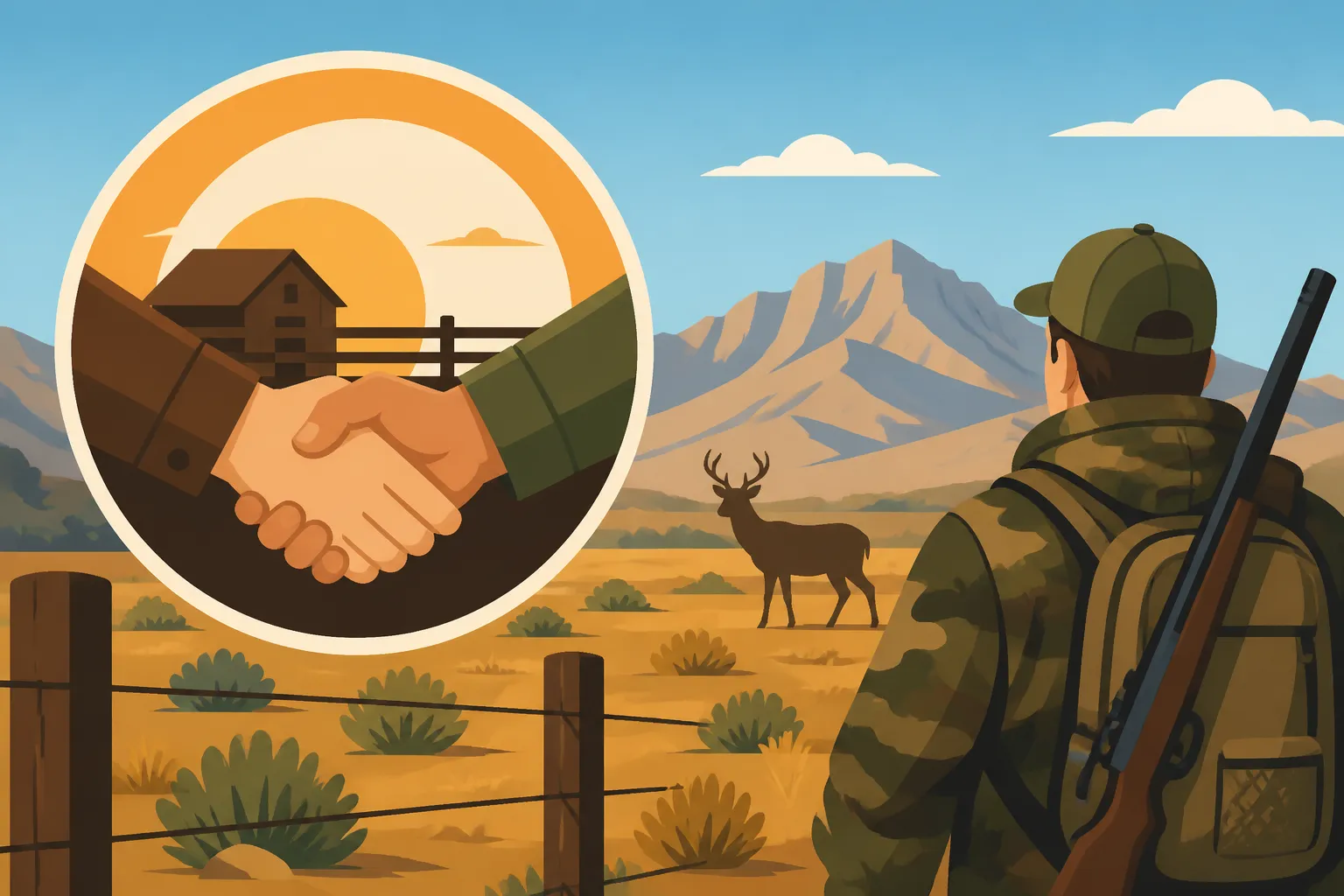
The term "trespass fee" might sound a bit harsh, almost like you're paying not to trespass. But in the world of Western hunting, it's a widely accepted and often beneficial arrangement. Essentially, a trespass fee is a payment made to a private landowner to gain legal access to their property for hunting purposes. It's a way for landowners to be compensated for the value of the wildlife habitat they steward, the potential wear and tear on their roads, and the simple act of allowing strangers onto their property. It’s not about buying the animal, but buying the privilege of pursuing it on specific, managed land.
The Concept Beyond the Simple Price Tag
When you pay a trespass fee, you're not just handing over cash for the right to walk around. You're entering into an agreement that typically comes with a set of rules and expectations. For the landowner, it's about managing their resources, protecting their livestock, and ensuring the safety of everyone on their property. For you, the hunter, it's about gaining access to potentially higher-quality hunting grounds, often with less pressure than typical public land, or gaining access to public land that would otherwise be inaccessible.
Think of it this way: a rancher might have invested decades in improving water sources, managing grazing to benefit wildlife, or simply holding onto vast acreages that naturally attract and hold game. A trespass fee acknowledges that value. It helps them offset costs, and in some cases, it can incentivize them to continue managing their land in ways that are beneficial to wildlife. The fee often includes specific conditions: designated areas you can hunt, limits on vehicle use, gates you must open and close, and perhaps even specific times you can be on the property. It's a formal understanding that allows both parties to operate with clear boundaries. It’s a far cry from just Getting Landowner Permission in Nevada through a friendly conversation, as this is a commercial arrangement.
The Benefits for Landowners and Hunters Alike
For landowners, trespass fees provide a valuable income stream that can help support their ranching operations, especially in tough economic times. It allows them to monetize a resource—the wildlife on their land—without necessarily changing their primary agricultural focus. This extra revenue can be crucial for fence repair, road maintenance, or even just keeping the ranch viable. It also gives them more control over who is on their property, when they are there, and what activities they are undertaking, compared to open public access. This control can lead to better game management on their specific parcel, potentially producing older, larger animals due to reduced hunting pressure.
For hunters, the benefits are equally compelling. The most obvious is access to areas that might otherwise be off-limits, including those landlocked public parcels. Beyond that, private land access often means less competition. While public land can sometimes feel like a circus on opening weekend, a private ranch experience typically offers a much more solitary hunt. This reduced pressure can translate to more undisturbed animals, better opportunities to pattern game, and a more relaxed hunting experience overall. You might also find higher quality animals if the landowner practices good game management. For those chasing trophy animals, paying a trespass fee can significantly increase the odds of encountering a mature buck or bull. It can also provide a crucial foothold in highly sought-after units where draw odds are astronomically low for public tags, as some outfitters leverage these private access deals. Consider the advantages of this compared to the heavy competition on opening weekend on public land, especially in prime areas.
Navigating Trespass Fee Arrangements
So, you're convinced that a trespass fee arrangement might be the key to your next Nevada hunt. Great! But how do you actually go about finding these opportunities and securing access? It’s not always as simple as knocking on a door with cash in hand. There's a bit of legwork involved, whether you're going it alone or working with a professional.
Finding Ranches That Offer Access
The first challenge is identifying which ranches even offer trespass fee access. Many ranchers in Nevada rely heavily on traditional cattle operations, and hunting is simply not something they entertain. Others, however, have recognized the value of their wildlife resources.
Here are a few ways to start your search:
- Online Research and Forums: Hunting forums, state hunting association websites, and even some dedicated land-access platforms can sometimes list ranches offering trespass fees. While specific prices are rarely posted, you might find contact information or discussions about areas known for such opportunities. Sites like BookYourHunt might feature outfitters who have secured private land access, offering a gateway to these ranches.
- Direct Contact (with caution): If you've identified a ranch on a map that looks promising, you could try to contact the landowner directly. This requires a respectful, professional approach. Never just show up unannounced. Try to find a phone number or mailing address. When you make contact, clearly explain your intentions, your hunting ethics, and what you're looking for. Be prepared for a "no," and always respect their decision. Some landowners might be more open to this if you're a local or have a mutual connection.
- Local Knowledge: Sometimes, the best way to find these opportunities is through word-of-mouth. Talk to hunters who frequent specific areas, ask at local sporting goods stores, or even inquire at small-town diners. Locals often have the inside scoop on which ranches are open to hunters and what their typical arrangements are.
- Outfitter Connections: Many Nevada outfitters specialize in securing private land access, often through long-standing relationships with ranchers. If a particular unit or species is your target and you're struggling to find direct access, an outfitter might be your best bet. They handle all the negotiations and logistics, bundling the trespass fee into their overall service cost. You can learn more about this in How an Outfitter Opens Private Nevada Ground.
Negotiating the Terms and Expectations
Once you've found a landowner willing to discuss a trespass fee, the negotiation begins. This isn't about haggling over every dollar, but about clearly defining the terms to ensure a positive experience for both parties.
- Clarity on Price: Naturally, the fee itself is a major component. Be aware that What Ranch Access Typically Costs can vary wildly based on the species, the quality of the hunting, the length of access, and the specific unit. A mule deer trespass fee in a renowned unit might be significantly higher than for an antelope in a less pressured area.
- Define the Scope: What exactly are you getting access to? Is it the entire ranch, or specific pastures? Are there areas off-limits due to livestock, private residences, or ongoing ranch work? Get a clear understanding of the boundaries.
- Dates and Duration: For how long is the access valid? Is it a single day, a specific weekend, or for the duration of a particular season?
- Permitted Activities: Can you scout beforehand? What kind of vehicle access is allowed? Are you permitted to bring a hunting partner, or is it a solo deal? What are the rules regarding retrieval of game? Are there any restrictions on camping?
- Hunter Responsibilities: Expect strict rules regarding gates, litter, fire use, and respecting livestock and property. Be prepared to sign an agreement outlining these responsibilities and perhaps even a liability waiver. This is about trust, and demonstrating that you're a responsible, ethical hunter is paramount.
- Water Sources: Ranches often contain crucial water sources like springs, stock tanks, and guzzlers. Understand rules around these, as animals will naturally congregate here. How Outfitters Plan Around Water Sources can give you an idea of their importance.
It’s often a good idea to put the agreed-upon terms in writing, even if it's just a simple letter of agreement signed by both parties. This helps prevent misunderstandings down the road.
The Role of Outfitters in Private Land Access
For many hunters, especially non-residents or those with limited time for scouting and negotiation, an outfitter is the most straightforward path to private land access. Outfitters often have established relationships with multiple ranches, sometimes spanning decades. They've done the legwork, built the trust, and understand the nuances of each property.
Benefits of using an outfitter for private land access:
- Established Relationships: Outfitters have often cultivated long-term agreements with ranchers, giving them consistent access to prime hunting grounds. This means you don't have to start from scratch.
- Negotiation Handled: The outfitter takes care of all the financial arrangements and terms with the landowner, bundling the trespass fee into their overall service. This simplifies the process for you.
- Guided Experience: Beyond just access, an outfitter provides a guided experience, including scouting, locating game, field dressing, and sometimes even camp amenities. This can be invaluable, particularly on complex private lands.
- Permit Expertise: Outfitters are typically well-versed in all state and federal permitting requirements, including those for their operations on specific private or public lands.
- Increased Success Rates: Because they know the land and the animals, outfitters often boast higher success rates, especially for specific species or trophy quality.
It's important to differentiate between a fully guided hunt that includes private land access and simply paying an outfitter for access alone. While some outfitters might offer "access only" packages, most will provide a guided experience where the private land access is a key component. Researching reputable outfitters, checking their references, and understanding their typical success rates are crucial steps. Sites like GoHunt often feature articles and resources that discuss strategies for selecting outfitters or understanding hunt opportunities, which might include private land options.
Here's a quick comparison of direct landowner contact versus using an outfitter for private land access:
| Feature | Direct Landowner Contact | Using an Outfitter (including private access) |
|---|---|---|
| Cost | Typically lower, just the trespass fee. | Higher, as it includes guiding services, camp, food, etc. |
| Effort | High: research, contact, negotiation, logistics. | Low: outfitter handles most logistics. |
| Guidance | None: you're on your own. | Full guidance: scouting, tracking, field dressing, etc. |
| Access Reliability | Can be hit or miss, depends on relationship built. | Generally reliable due to established outfitter relationships. |
| Flexibility | Potentially more flexible if a good relationship exists. | Less flexible, tied to outfitter's schedule and offerings. |
| Success Odds | Depends on your own skill and scouting. | Often higher due to outfitter's expertise and knowledge of game. |
| Paperwork/Agreements | Handled directly with landowner. | Outfitter handles agreements with landowner; you agree with outfitter. |
| Ideal For | Experienced, self-sufficient hunters with time for research. | Hunters seeking convenience, expertise, and higher success potential. |
Remember, whether you go direct or through an outfitter, always have a clear understanding of the agreement before any money changes hands.
Common Questions and Misconceptions About Trespass Fees
It's natural to have a lot of questions when considering paying a trespass fee. For many, especially those accustomed to exclusively public land hunting, the concept can feel a bit foreign or even ethically murky. Let's address some of the most common questions and clear up a few misconceptions.
Is It Worth the Cost?
This is perhaps the most frequent question, and the answer is rarely simple. "Worth" is subjective and depends entirely on your personal hunting goals, budget, and expectations.
- For Trophy Quality: If you are primarily seeking a record-book buck or bull and have struggled to find one on public land, a private ranch with managed wildlife and less pressure might significantly increase your chances. The investment in a trespass fee could be seen as an investment in a higher-quality animal.
- For Access to Exclusive Areas: If a private ranch is the only way to access a remote, prime public land area or if it controls key choke points for migratory animals, then the trespass fee is essentially buying you the opportunity to hunt. This could be invaluable if you're targeting a specific unit or area known for producing big game.
- For a Less Crowded Experience: Many hunters are willing to pay a premium simply to escape the crowds and enjoy a more serene, solitary hunting experience. The peace of mind and reduced competition can be well worth the cost for some.
- For Time-Constrained Hunters: If you have limited vacation time and want to maximize your hunting success without spending weeks scouting, a private land trespass fee, especially combined with an outfitter, can be a highly efficient way to hunt.
However, it's critical to be realistic. A trespass fee is not a guarantee of success, nor is it a guarantee of a giant animal. You're paying for access and opportunity, not a kill. Factors like weather, animal behavior, and your own hunting skills still play a huge role. Always balance the potential benefits against your personal budget and what you hope to achieve. Sometimes, the added challenge and lower cost of a truly DIY Hunting Solo Against Hiring a Guide public land hunt is exactly what a hunter wants, even if the odds are lower.
What About Respecting the Land and the Deal?
This is where hunting ethics truly come into play. When you pay a trespass fee, you're not just buying access; you're entering into a relationship built on trust with the landowner. Disregarding the terms of your agreement or disrespecting their property can have far-reaching consequences, not just for you, but for all hunters seeking similar opportunities.
- Adherence to Rules: Every rule the landowner sets, whether it's about gate closure, vehicle use, off-limits areas, or fire restrictions, is there for a reason. Respecting these rules is non-negotiable. Leaving a gate open, for example, could result in livestock wandering off, causing significant financial loss and frustration for the rancher.
- Environmental Responsibility: Leave no trace. Pack out all your trash, including spent shell casings. Be mindful of fragile ecosystems, especially in dry Nevada environments. Avoid driving off designated roads unless explicitly permitted, as this can damage sensitive habitat and create erosion.
- Respect for Livestock and Property: Treat livestock as if they were your own. Do not harass them, and give them plenty of space. Avoid damaging fences, water lines, or other ranch infrastructure.
- Honesty and Communication: If something goes wrong—you accidentally damage a fence, get stuck, or see something suspicious—communicate immediately and honestly with the landowner. They will almost always appreciate your forthrightness and be more willing to help.
- Building a Reputation: Remember that your actions reflect on the entire hunting community. By being a respectful, responsible hunter, you help maintain a positive relationship between landowners and hunters, potentially opening doors for future access for yourself and others. Conversely, irresponsible behavior can quickly lead to landowners closing their property to all hunters, making it harder for everyone to find private land opportunities.
In essence, a trespass fee is an exchange of value and trust. You value the access, and the landowner trusts you to treat their property and livelihood with respect. Upholding your end of that bargain is not just good manners; it's vital for the future of hunting access.
Maximizing Your Hunt Through Responsible Access
Securing a trespass fee arrangement is a significant step, but it's just the beginning. To truly maximize your hunt and ensure a positive experience, both for you and the landowner, you need to approach it with careful preparation, a solid understanding of the terrain, and a commitment to ethical conduct.
Preparing for Your Private Land Hunt
Just because you've paid for access doesn't mean the animals will walk up to you. Treat a private land hunt with the same diligence and preparation as you would any public land expedition, if not more so.
- Thorough Scouting (if permitted): If the agreement allows, scout the property beforehand. Understand the terrain, locate water sources, identify bedding areas, and look for game trails. Even if physical scouting isn't an option, use satellite imagery (like that offered by GoHunt's mapping tools) to virtually scout the property, identify key features, and plan your approach routes. Pay attention to how the private land connects to adjacent public ground, as animals often move between these areas.
- Understanding Animal Behavior: Spend time researching the specific habits of the game you're pursuing in that particular region. How do deer react to pressure? When do elk typically move through certain corridors? Does the presence of cattle influence their behavior? This knowledge is crucial for predicting where and when you'll find animals.
- Gear and Equipment: Ensure your gear is in top shape. Reliable optics are a must for glassing vast Nevada landscapes. Optics Power for Nevada's Long Sightlines is a great resource. Your rifle should be zeroed, your archery equipment tuned, and your clothing appropriate for the expected weather. Remember, even on private land, Nevada's weather can be unpredictable. Carry enough water, navigation tools, and a first-aid kit.
- Communication with Landowner: Before your hunt, confirm your arrival and departure times. Reiterate any specific rules. Ask about any recent changes on the property, like new pastures for livestock or recent storm damage to roads. Good communication is key to a smooth experience.
- Emergency Plan: Know the nearest towns, hospitals, and emergency services. Have a reliable way to communicate in remote areas, such as a satellite messenger, as cell service can be spotty. Inform someone of your hunting plans and expected return.
Building Relationships for Future Opportunities
The best trespass fee arrangements often evolve into long-term relationships. By proving yourself a responsible, respectful, and successful hunter, you can open doors for future hunts, potentially even gaining preferred access or early booking opportunities.
- Follow Through on Your Promises: Do exactly what you said you would do. Leave the property cleaner than you found it. If you said you'd report back on game sightings, do it. This builds trust.
- Share Your Success (Appropriately): If you're successful, consider sharing some photos with the landowner, or even a small token of appreciation. A simple "thank you" goes a long way. They often take pride in the game on their land and appreciate seeing a successful outcome.
- Offer to Help: While not expected, a genuine offer to help with a small ranch task—like closing a gate you see open on your way out, or reporting a downed fence—can be incredibly valuable. It shows you're invested in the well-being of their property.
- Provide Feedback: Share observations about the game you saw, the condition of the land, or anything else relevant. This can provide valuable information for the landowner's own management practices.
- Stay in Touch (Respectfully): A polite check-in once a year, just to say hello and inquire about potential future opportunities, can keep the relationship alive. Don't be pushy or demanding, just respectful and interested.
Remember, every time you step onto private land through a trespass fee arrangement, you're not just representing yourself, but the entire hunting community. By being a model guest, you help solidify the understanding that hunters are responsible partners in land and wildlife stewardship, ensuring these valuable opportunities continue for years to come.
Disclaimer
This article is for general informational purposes only and does not constitute professional advice. Laws, prices and regulations vary by location and change over time. Consult a qualified professional for guidance on your specific situation.