Dispersed Camping Limits on BLM Land
It’s a common scenario for any hunter in Nevada: you've spent days glassing a vast basin, hiked miles into a promising canyon, and now the sun is dipping below the western ranges. The last thing you want to do is pack up and drive an hour back to a designated campground or, worse, out of the unit entirely. Dispersed camping on Bureau of Land Management (BLM) land offers an incredible opportunity to stay immersed in your hunt, but understanding the rules, especially the time limits, can be confusing. This guide will walk you through the specifics of dispersed camping limits on Nevada's expansive BLM lands, helping you plan your next backcountry adventure without a hitch.
What is Dispersed Camping on Nevada BLM Land?
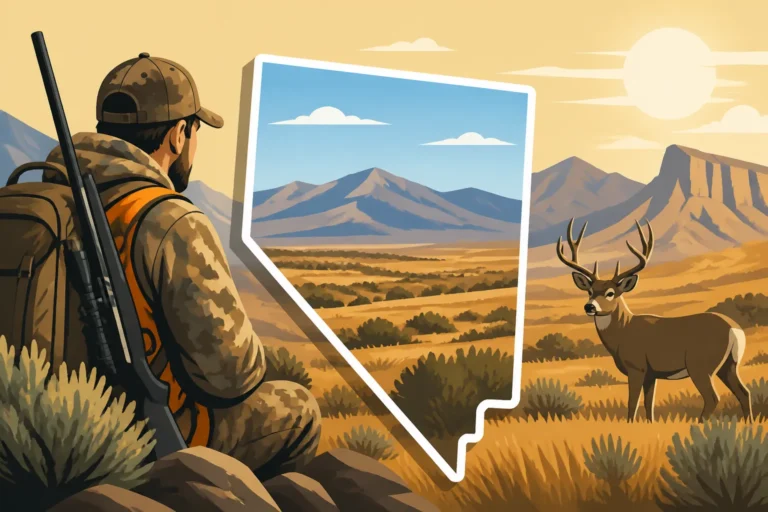
First things first, let's get clear on what "dispersed camping" actually means in the context of Nevada's vast public lands. Unlike a developed campground with designated sites, picnic tables, fire rings, and often a host, dispersed camping is simply setting up your camp outside of these established areas. It's primitive camping, usually free, and typically involves no services like water, restrooms, or trash collection. You're essentially on your own, embracing the raw, untamed beauty of the Great Basin.
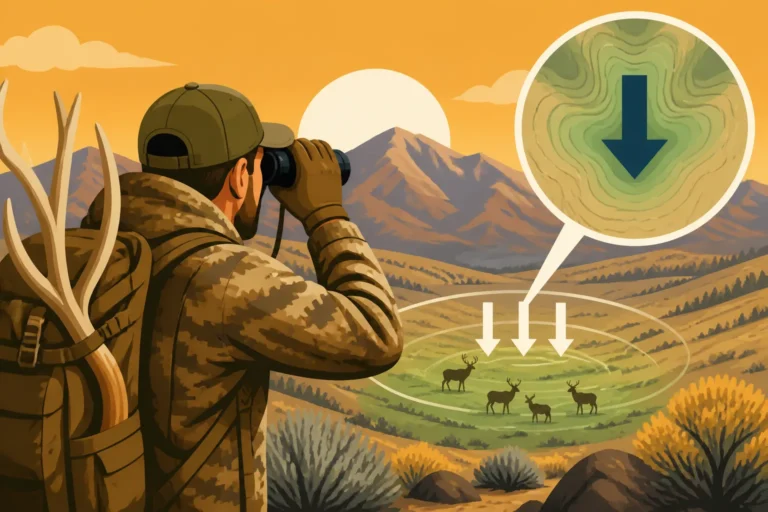
For hunters, this is often the only way to effectively pursue game. Imagine chasing mule deer high in the Schell Creek Range or stalking antelope across the open flats near the Black Rock Desert. You need to be where the animals are, and often, that means hours away from the nearest town or paved road. Dispersed camping allows you to wake up with the sunrise in the heart of your hunting grounds, ready to hit the hills. It's freedom, pure and simple, but with that freedom comes a significant responsibility to respect the land and follow the rules. This includes understanding Camping Legally on Nevada BLM Ground before you even set up your tent.
Where You Can and Cannot Disperse Camp
Most BLM land is open to dispersed camping, but there are some critical exceptions you need to be aware of. Generally, you can't camp within 200 feet of a water source, such as a spring, guzzler, or developed recreation site. This is partly to protect water quality for both wildlife and other users, and partly to avoid disturbing game animals that rely on these vital resources, especially in Nevada's arid environment. Additionally, areas with specific restrictions, like those near active mining operations, sensitive archaeological sites, or designated wilderness areas, might have different rules. It's always a good idea to check for local field office regulations before heading out.
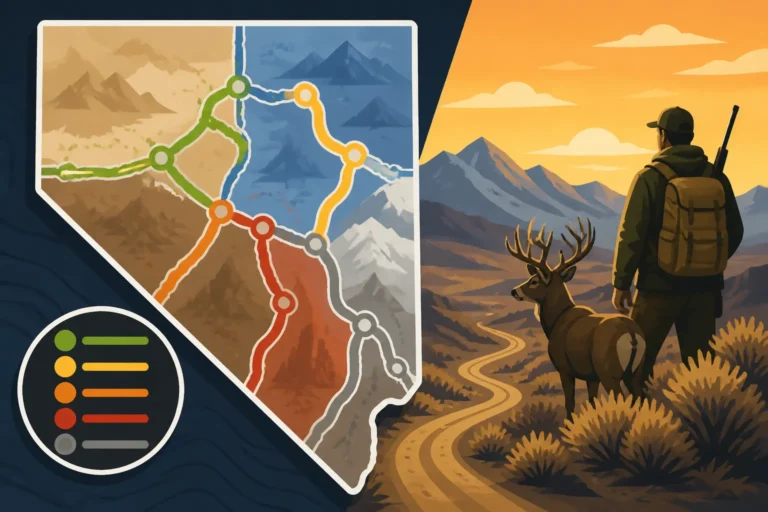
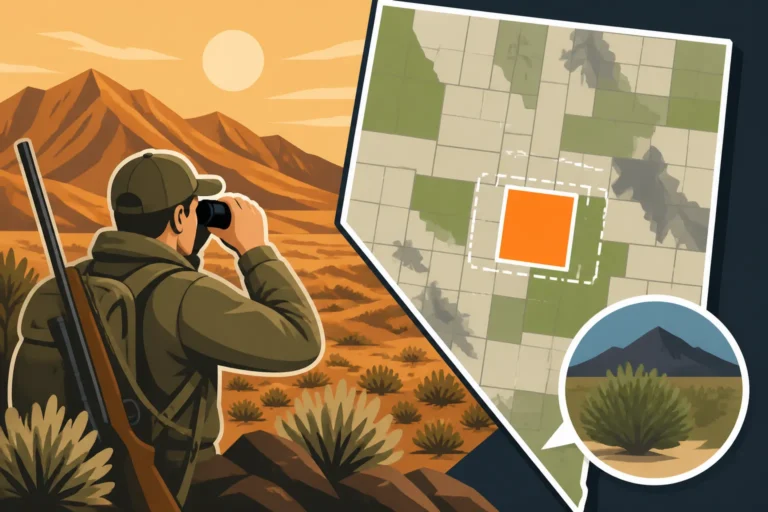
Using modern mapping tools like onX Hunt is absolutely invaluable here. With the land ownership layers, you can clearly delineate public land from private, ensuring you're setting up camp legally. Furthermore, many of these apps highlight features like water sources and roads, helping you choose a legal and convenient spot. Always consult your maps and be aware of your surroundings; accidentally trespassing is a surefire way to ruin a hunt and potentially incur legal trouble. Don't just assume an area is fair game; verify it.
The 14-Day Stay Limit and Relocation Rules
Now, let's dive into the core of dispersed camping limits: the dreaded (or welcomed, depending on your perspective) 14-day rule. This is the most common regulation across BLM lands nationwide, and Nevada is no exception. Simply put, you are generally allowed to camp in a single location for no more than 14 days within any continuous 28-day period.
This rule isn't arbitrary; it's designed to prevent long-term occupancy and overuse of any one specific area, which can lead to environmental degradation, sanitation issues, and essentially turn public land into de facto private property. While you might be tempted to just move your tent a hundred yards, the rule often specifies that after 14 days, you must relocate your camp to a site that is at least 25 miles away from your previous spot. This "25-mile rule" is crucial for ensuring proper dispersal and preventing people from simply hopping around a small radius. Understanding How Long You May Camp in One Spot is paramount for hunters planning extended trips.
Understanding the 28-Day Window
The "within any continuous 28-day period" part is key. It means that if you camp for 14 days, you then need to leave that specific area (remember, 25 miles away!) for the remainder of that 28-day cycle. You can't just move to a new spot a few miles down the road on day 15 and come back to your original spot on day 29. The intent is clear: to ensure that no single spot is continuously occupied. This prevents a sort of "squatter's rights" scenario from developing and helps maintain the wild character of these remote locations for everyone.
For hunters on a multi-week expedition, this might mean planning to shift units or at least make a significant move if your hunt extends beyond that initial two-week window. It forces you to be strategic about your camp locations, especially if you're trying to target specific game in a particular area. Imagine you're on a long Nevada Elk Rifle Hunts Stretch From October Into December and you draw a late-season tag. You might spend two weeks in one prime area, then need to move to a completely different part of your unit, or even an adjacent unit, for the next phase of your hunt. GoHunt, with its detailed unit breakdowns and harvest data, can be a great resource for identifying multiple productive areas within a larger hunt zone, helping you plan these necessary moves.
Enforcement and Common Misconceptions
While Nevada's BLM lands are vast and rangers might not be omnipresent, these rules are indeed enforced. Rangers do patrol, and they are especially vigilant in popular hunting or recreation areas. Violations can lead to fines, eviction from public land, or even more serious charges depending on the severity and duration of the infraction. Don't risk it.
A common misconception is that if no one else is around, the rules don't apply. This simply isn't true. The rules are in place to protect the land for future generations and for its inherent ecological value, not just to manage human conflict. Another misconception is that simply moving your vehicle a few hundred feet constitutes a "new camp." For the 14-day rule, it’s about the location, not just the specific spot your tent is pitched. A meaningful move of at least 25 miles is generally required to reset the clock for that particular area.
Why These Limits Exist: Protecting Our Public Lands and Access
These dispersed camping limits aren't about inconvenience; they're about stewardship. Nevada's public lands are a precious resource, covering a huge percentage of the state. Without proper management, even seemingly small individual actions can accumulate into significant environmental damage.
Think about the impact of dozens of long-term camps in one area: compacted soil, loss of vegetation, accumulation of human waste, and increased risk of wildfire. The 14-day rule helps mitigate these issues by encouraging campers to spread out and move frequently, allowing the land to recover. It ensures that the pristine nature of these remote hunting grounds remains intact for everyone to enjoy, whether they're a hunter, hiker, or simply someone seeking solitude. This directly relates to the importance of Leave No Trace principles, which are critical for any outdoor enthusiast.
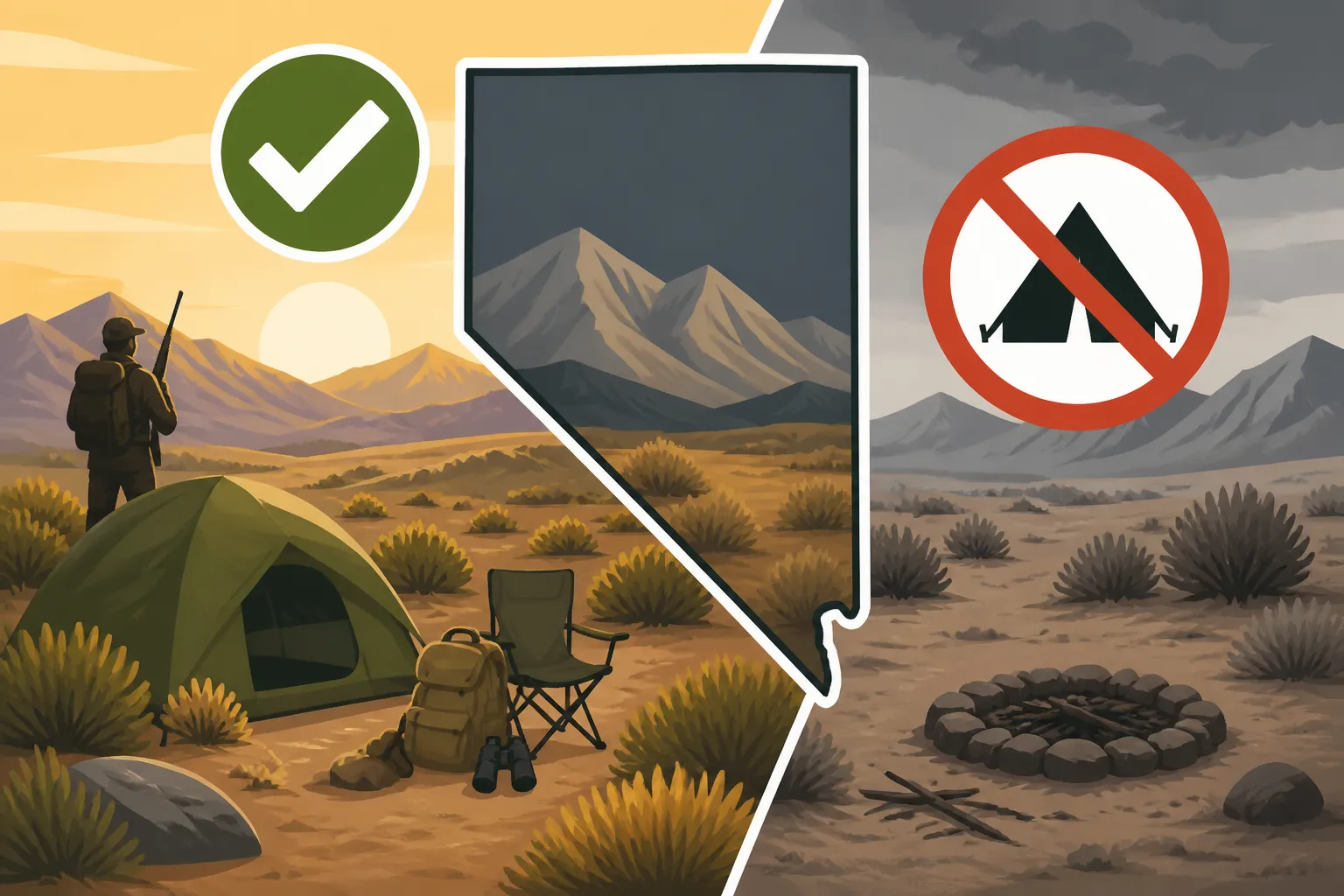
| Dispersed Camping "Dos" | Dispersed Camping "Don'ts" |
|---|---|
| DO camp in areas clearly designated as public land. | DON'T camp within 200 feet of a water source or developed area. |
| DO respect the 14-day stay limit and 25-mile relocation rule. | DON'T leave trash or food scraps behind – pack it all out. |
| DO practice Leave No Trace principles diligently. | DON'T cut down live trees or damage vegetation for firewood. |
| DO carry sufficient water and be prepared for emergencies. | DON'T build large, uncontrolled campfires, especially during fire restrictions. |
| DO bury human waste properly (6-8 inches deep, 200 feet from water). | DON'T drive off-road where not permitted or damage fragile desert crust. |
| DO check for current Fire Restrictions During Hunting Season. | DON'T assume rules don't apply if you're alone; rangers do patrol. |
Environmental Impact and Resource Protection
When a dispersed camp stays in one place for too long, the ground becomes compacted, making it harder for plants to grow. This can lead to erosion, especially in sensitive desert environments where the soil is already fragile. Trash and human waste, if not properly managed, can pollute water sources and attract wildlife, potentially habituating animals to human food—a dangerous situation for both humans and animals. This is especially true for black bears in Western Nevada, where their range is returning. The limits help prevent these issues, preserving the habitat for the diverse wildlife that calls Nevada home.
Moreover, concentrated camping can obscure or damage important cultural and historical sites. Nevada is rich in archaeological resources, from ancient petroglyphs to remnants of old mining operations. Dispersed camping rules help protect these non-renewable treasures by encouraging campers to spread out and minimize their footprint. It's a collective responsibility to preserve these landscapes for all, from the smallest sage grouse to the largest mule deer buck.
Ensuring Fair Use for All
Beyond environmental concerns, these rules are also about fairness. Public lands are for everyone. If one individual or group were allowed to continuously occupy a prime dispersed camping spot, it would effectively privatize that area, denying access to others. The rotating nature of the 14-day rule ensures that everyone has an opportunity to enjoy the solitude and beauty of these remote locations.
Consider a popular trailhead or a fantastic glassing knob in a unit like 102. If someone set up a semi-permanent camp there, it would limit access for other hunters and recreationists. By enforcing these limits, the BLM fosters an equitable use of public resources, maintaining the "public" in public lands. It's about sharing, even if that means moving your camp more frequently than you might prefer on a long hunt.
Responsible Practices for Long-Term Dispersed Campsites
Since services are nonexistent, being responsible is paramount when dispersed camping. This goes beyond just adhering to the 14-day rule; it's about minimizing your impact and leaving the area better than you found it.
One of the biggest challenges, especially on a longer hunt, is managing waste. Everything you pack in must be packed out. That means all trash, including food scraps. Even biodegradable items can take a long time to decompose in the arid Nevada climate and can attract unwanted wildlife. As for human waste, it needs to be properly buried in a "cathole" 6-8 inches deep and at least 200 feet from any water source, trail, or campsite. Some areas might even recommend packing out human waste, especially in highly trafficked or sensitive areas. Always be prepared for this possibility.
Fire Safety in Arid Nevada
Nevada is a dry state, and wildfires are a constant threat, especially during hunting season. Fire Restrictions During Hunting Season are common and often change rapidly. Always check current conditions with the local BLM office or Forest Service before lighting any fire, even if you brought a portable fire pit. Many times, open flames will be completely prohibited. If fires are allowed, keep them small, contained, and never leave them unattended. Clear a wide area around your fire pit down to bare mineral soil.
Better yet, consider using a portable propane fire pit or simply rely on a stove for cooking to reduce fire risk. A single spark from an unextinguished campfire can wipe out thousands of acres of critical wildlife habitat and put lives at risk. It’s a huge responsibility, and one that every hunter must take seriously. Be aware that the type of wood you burn also matters; avoid cutting down live trees, which stresses the ecosystem and leaves an unsightly mess. Instead, gather dead and downed wood, or bring your own.
Water, Vehicle Access, and Resupply Strategy
Accessing remote areas for dispersed camping often means navigating rough dirt roads. Always ensure your vehicle is up to the task and carry extra fuel and a spare tire, as services are few and far between. Remote Road Conditions Across Nevada can change quickly, especially after rain, and you don't want to get stranded miles from anywhere. Planning your resupply runs, knowing How Far Apart Nevada Fuel Stops Are, and identifying reliable water sources (or packing enough in) are critical for longer stays. Many hunters even use resources like Reading a BLM Surface Management Map and Using onX Layers for Nevada Public Land to scout potential camping spots and access routes from home.
When you're out there for multiple days, or even approaching the 14-day limit, a robust water strategy is non-negotiable. Water You Must Carry on a Desert Day Hunt is a good start, but for an extended camp, you'll need much more. Plan for at least a gallon per person per day for drinking and basic hygiene, more if you're exerting yourself heavily. While some areas have springs or guzzlers, always treat natural water sources, and never rely solely on them without a backup plan. Being self-sufficient is the hallmark of a successful dispersed camping hunter in Nevada.
By understanding and respecting these limits and embracing responsible practices, you can fully enjoy the incredible hunting opportunities that Nevada's vast public lands offer, making memories that will last a lifetime without leaving a lasting mark on the landscape.
Disclaimer
This article is for general informational purposes only and does not constitute professional advice. Laws, prices and regulations vary by location and change over time. Consult a qualified professional for guidance on your specific situation.