How Long You May Camp in One Spot
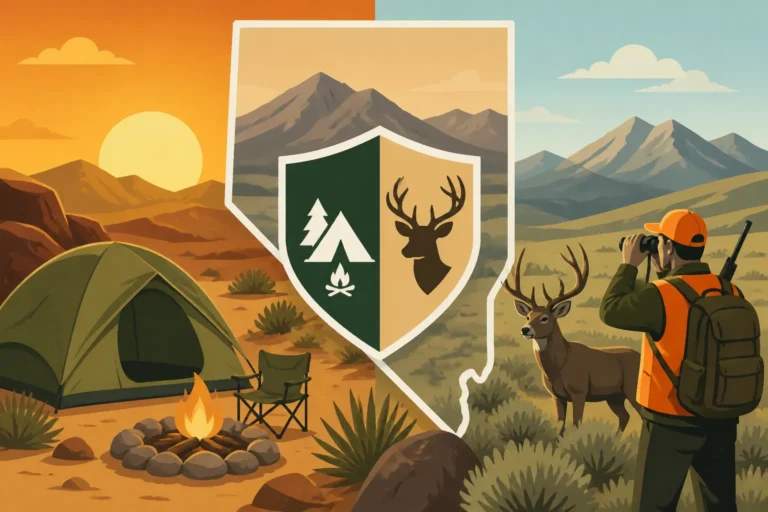
There's nothing quite like establishing a temporary home base deep in the Nevada backcountry, a place where you can truly immerse yourself in the hunt. But as rewarding as those long stays can be, the question often arises: how long can you actually camp in one spot on public land? It’s a common frustration when you're trying to plan an extended hunt or just enjoy the solitude, only to worry if you're overstaying your welcome. This guide is going to walk you through the various rules and regulations governing how long you can legally set up camp in Nevada, helping you plan your next adventure with confidence.
Understanding the Basics: Dispersed Camping vs. Developed Campgrounds
When you're out there, glassing a distant ridge for mule deer or trying to call in an elk, your camp becomes your sanctuary. But whether you're roughing it under the stars or pulled into a more established site, the rules for how long you can stay put are designed to balance public access with resource protection. It's not always straightforward, as different agencies manage different lands, and even within the same agency, rules can vary based on the specific location or season.
The "14-Day Rule" on BLM Lands
Most of Nevada's hunting grounds fall under the purview of the Bureau of Land Management (BLM), which means understanding their regulations is paramount for any hunter. The cornerstone rule for dispersed camping on BLM land, which is where most of us set up our remote hunting camps, is the 14-day limit. This isn't just about how long you can spend in the state, but specifically how long your camp can remain in one spot.
Imagine you've driven deep into a unit, found that perfect hidden flat among the sagebrush with a commanding view, and set up your wall tent or truck camper. You've got your gear spread out, maybe even a small fire pit going. The BLM's general rule states that you can occupy that specific site for a maximum of 14 days within any 28-day period. This doesn't mean you have to pack up and leave the unit entirely after two weeks; it means you need to move your camp to a new location at least 25 miles away from your original site. This "moving camp" rule is critical. It's designed to prevent long-term occupation of a single site, which can lead to sanitation problems, overuse of resources, and degradation of the natural environment. Think about the impact if everyone simply left their camp in the same place for months on end – it wouldn't be wild country for long.
National Forest Stays: Similar but with Nuances
While BLM land makes up the lion's share, Nevada also boasts beautiful National Forests, particularly in the northern and eastern parts of the state, like portions of the Humboldt-Toiyabe National Forest. These areas offer different terrain and often different hunting opportunities, but also come with their own set of camping regulations. Generally, National Forests mirror the BLM's 14-day stay limit in dispersed camping areas. However, there can be more specific nuances.
For example, some National Forest areas might have more restrictive limits in high-use areas, near trailheads, or within designated wilderness boundaries. It’s not uncommon to find signs posted at popular access points or on forest service roads detailing specific stay limits that might be shorter than 14 days, especially during peak hunting seasons or in ecologically sensitive zones. Always keep an eye out for these local postings. The rationale is the same: to protect the landscape, prevent resource damage, and ensure that everyone has an opportunity to experience these wild places. The difference often comes down to the types of resources and the volume of visitors these areas receive. While the BLM manages vast, open sagebrush country, National Forests often feature more fragile ecosystems, higher elevations, and more concentrated recreational use.
The Importance of "Moving Camp" and Minimizing Your Footprint
The "moving camp" aspect of these rules is where many hunters can get tripped up. It's not just about packing up your sleeping bag and moving it a few feet. It means relocating your entire setup – vehicle, tent, gear, and any signs of your presence – a significant distance away. The 25-mile rule on BLM land is a good benchmark, ensuring that you're truly establishing a new impact point rather than just shifting around the corner. This act of relocation helps distribute human impact across the landscape, giving previously used sites time to recover naturally.
When you do move, or even after a shorter stay, practicing Leave No Trace principles is absolutely essential. This means packing out everything you pack in, properly disposing of human waste, minimizing campfire impacts, and leaving your campsite cleaner than you found it. The goal is to make it look like you were never there, preserving the wild character of these hunting areas for the next person and, more importantly, for the wildlife that calls it home. Remember, we are guests in these landscapes, and our actions directly impact their health and the future of hunting opportunities.
| Camping Type | Typical Stay Limit (General) | Relocation Rule | Common Agencies | Examples of Locations |
|---|---|---|---|---|
| Dispersed Camping | 14 days/28-day period | Move camp 25+ miles to a new location | BLM, National Forest | Remote sagebrush flats, unpaved forest roads, many Nevada Hunt Units and Unit Groups |
| Developed Campground | Varies (often 7-14 days) | May require leaving the campground or area after limit | BLM, National Forest, State Parks | Designated sites with amenities (fire rings, picnic tables, vault toilets) |
| State Wildlife Mgmt. Areas | Highly variable | Check specific WMA regulations | NDOW | Lahontan Valley Wetlands Access, Mason Valley Wildlife Management Area |
| Wilderness Areas | Often shorter (e.g., 7 days) | Specific permits or designated sites may apply | BLM, National Forest | Jarbidge Wilderness Access, Wilderness Study Areas and Vehicle Limits |
Why These Limits Exist: Balancing Recreation and Resource Protection
It might seem inconvenient to have to pack up and move your entire camp when you're deep into a productive hunting unit, especially if you're hitting your stride on a specific buck or bull. But these regulations aren't arbitrary; they are the result of careful consideration by land management agencies to ensure the long-term health and accessibility of our public lands. They reflect a commitment to sustainable recreation and the protection of natural resources that hunters value so deeply.
Preventing "Squatting" and Long-Term Habitation
One of the primary reasons for stay limits, particularly the 14-day rule, is to prevent what land managers sometimes refer to as "squatting" or long-term habitation. Without these rules, individuals could potentially set up permanent or semi-permanent residences on public land, essentially claiming a piece of ground for their own. This creates a host of problems, from legal ambiguities about land use to environmental damage that can become severe over time.
For hunters, it also means maintaining fair access. If one individual or group were allowed to occupy a prime glassing knob or a strategic camp location for an entire season, or even year-round, it would unfairly limit the opportunities for others. Public lands are for everyone, and these rules ensure a rotation of use, keeping access equitable. It means that the vast expanses of BLM Ground Is Where Most Nevada Hunting Happens remain open and available to all who wish to recreate responsibly, rather than becoming enclaves for a select few.
Minimizing Environmental Impact and Resource Degradation
Even the most conscientious camper leaves a trace. Prolonged occupation of a single campsite, especially in dispersed areas without designated facilities, can lead to significant environmental degradation. This includes soil compaction, which harms vegetation and increases erosion; sanitation issues from improper waste disposal; accumulation of trash, even if unintentional; and repeated disturbance to local wildlife. These impacts are magnified across the arid and often fragile ecosystems of Nevada's high desert.
Consider a popular spring or a key water source in a dry unit. If multiple camps were to stay in the immediate vicinity for extended periods, the constant human presence could deter wildlife from accessing that vital water, disrupt natural foraging patterns, and contaminate the water source itself. Agencies like the BLM and Forest Service are tasked with maintaining these ecosystems, and managing camping duration is a critical tool in their arsenal to mitigate these cumulative impacts. They aim to protect the very wildness and health of the land that draws us there in the first place, ensuring that Water Is the Access Problem in Southern Nevada remains clean and available.
Ensuring Fair Access for All Public Land Users
Public land is a shared resource, and the rules governing its use are designed to benefit the broadest possible range of users. Hunters, hikers, anglers, off-road enthusiasts, bird watchers, and many others all vie for access to these landscapes. Without regulations on stay limits, popular areas could quickly become monopolized, leading to crowding, conflicts, and a diminished experience for everyone.
By requiring campers to move after a set period, land managers encourage a more dispersed use of the landscape. This allows different groups to utilize various areas throughout the season, fostering a sense of shared responsibility and ensuring that pristine spots remain pristine. It's about respecting not just the land, but also fellow outdoor enthusiasts. For hunters, this means that those promising areas you scouted with onX Hunt for your next season will likely be available, rather than being continuously occupied by others. It ensures that the spirit of open access, which is so fundamental to hunting on Nevada Is the Most Federally Owned State in the Lower 48, is upheld for generations to come.
Navigating Specific Situations and Exceptions
While the 14-day rule is a good general guideline for most public lands, Nevada's diverse landscapes and land designations mean there are plenty of specific situations where the rules might differ. It’s crucial to know how to identify these exceptions and adjust your plans accordingly. Ignorance of these rules isn't an excuse, and violating them can lead to fines or even more serious consequences, not to mention tarnishing the reputation of hunters as responsible land users.
Designated Wilderness Areas and Backcountry Permits
Nevada is home to numerous designated Wilderness Areas, managed by both the BLM and the Forest Service. These areas are specifically set aside to preserve their wild, untrammeled character, and as such, they often come with stricter regulations than general public lands. For example, within Wilderness Areas, motorized and mechanized travel is typically prohibited, meaning you'll be on foot or horseback. Camping rules here can also be more stringent.
Many Wilderness Areas might have shorter stay limits, perhaps 7 days instead of 14, or even require backcountry permits for overnight stays. These permits allow agencies to monitor use, collect important data, and manage visitor impact more closely. It’s not about keeping people out, but about maintaining the integrity of these truly wild places. If your hunt takes you into or near a Wilderness Area, like parts of the Jarbidge Wilderness Access, always check with the managing agency (BLM Field Office or National Forest Ranger District) beforehand. Their websites usually have specific rules listed, or a quick phone call can save you a lot of hassle.
State Wildlife Management Areas and Their Own Rules
Beyond federal lands, Nevada also has State Wildlife Management Areas (WMAs), which are managed by the Nevada Department of Wildlife (NDOW). These areas are specifically acquired and managed for wildlife habitat and public hunting, fishing, and recreation. While they offer fantastic opportunities, their camping rules are often unique and can vary significantly from federal regulations.
Some WMAs might have designated camping areas with specific fees and stay limits, while others might prohibit overnight camping entirely. Still others might allow dispersed camping but with shorter stay limits or during specific seasons only. For instance, some WMAs might have a 3-day camping limit, or only allow camping during certain hunting seasons to minimize disturbance to wildlife outside of those periods. Before heading out to a WMA, it is imperative to check the current NDOW regulations for that specific area. You can usually find these details on the NDOW website or by contacting the local NDOW office responsible for that WMA, especially if you're planning a waterfowl hunt on the Lahontan Valley Wetlands Access or pursuing upland birds in other specific WMAs.
When Local Ordinances or Seasonal Restrictions Apply
It's also important to remember that general federal or state rules can sometimes be superseded or supplemented by local ordinances or seasonal restrictions. This is particularly true in areas closer to towns or private property boundaries, or during periods of high fire danger.
For instance, during extreme drought or wildfire seasons, land managers might issue temporary fire restrictions that could prohibit campfires or even close certain areas to overnight camping altogether. These are often posted at access points, on agency websites, and sometimes even shared through local news outlets. Similarly, some counties or communities might have specific ordinances regarding camping on adjacent public lands, especially if those lands see heavy recreational use from nearby populations. These are less common in the remote hunting units but are always a possibility to consider. Using a mapping tool like onX Hunt with its public/private land layers and ability to display agency boundaries can be incredibly helpful here, allowing you to quickly see what jurisdiction you're in and research accordingly. Don't forget to check for things like Fire Restrictions During Hunting Season before you head out.
Planning for Extended Stays and Finding Current Information
The key to successfully managing your camp duration in Nevada is good planning and diligent research. Nevada's vastness means that conditions and rules can vary dramatically from one mountain range to the next, and even within the same hunt unit. Taking the time to gather accurate information will not only keep you legal but also ensure a more enjoyable and less stressful hunting experience.
Leveraging Digital Tools for Land Management Boundaries
In today's hunting world, digital mapping tools are invaluable for understanding land ownership and management boundaries, which directly dictates camping regulations. Services like onX Hunt provide detailed interactive maps that clearly differentiate between BLM, National Forest, State, and private lands. This allows you to visually determine what agency manages the ground you plan to camp on.
By using these layers, you can scout potential camp spots from home and immediately see if they are on BLM land, a National Forest, or perhaps even a State Wildlife Management Area, each with its own specific rules. These apps often update their maps with regulatory information, road closures, and even fire restrictions, though it's always best to cross-reference with the official agency websites. Knowing exactly where different jurisdictions begin and end is your first line of defense against inadvertently breaking a camping rule. It's also incredibly useful for avoiding Tribal Land Boundaries Nevada Hunters Must Respect or Military Land Closures Across Nevada where public access is restricted.
Checking with Local Ranger Districts and Field Offices
While digital tools are fantastic for general awareness, the most accurate and up-to-date information will always come directly from the managing agencies. Before any extended trip, make it a habit to contact the specific BLM Field Office or National Forest Ranger District that oversees your chosen hunt unit. These offices are staffed by experts who can provide precise details on current camping regulations, any temporary restrictions, road closures, or special conditions that might impact your stay.
A quick phone call or email can often clarify specific nuances that might not be obvious from a general online search. For example, they can confirm if the 14-day rule applies universally in your area or if there are any shorter limits due to high seasonal use or environmental concerns. They can also advise on things like Motorized Travel Rules on Nevada Public Land or Seasonal Road Closures Across Nevada that could affect your access to a preferred camping spot. Don't be shy about reaching out; these folks are there to help responsible public land users. When you are looking at Reading a Nevada Hunt Unit Before You Apply, it’s a great time to also check on camping rules for that unit.
The Art of Relocating Your Camp Effectively
If you're planning a hunt that will last longer than the typical 14-day limit, understanding how to effectively relocate your camp is crucial. This isn't just about moving your tent; it's about changing your base of operations in a way that respects the land management rules. As mentioned, for BLM land, this generally means moving your camp at least 25 miles from your previous site. This requires some strategic planning, especially in remote units.
You might need to identify a secondary or even a tertiary camping area during your e-scouting phase, ensuring each spot meets the distance requirement. This could mean moving to an entirely different part of the unit, or even into an adjacent unit if that's where the next legal camping spot lies. It’s an exercise in logistical thinking: Where are the available water sources? What are the road conditions like to the new spot? How will this impact your hunting strategy? Services like GoHunt often provide unit-specific information and resources that can help in this kind of advanced planning, allowing you to visualize potential relocation sites and assess their suitability long before you leave home. Remember, the goal is to leave your previous camp spot clean and allow it to recover, while still maintaining your ability to hunt effectively. You want to be prepared for Packing an Animal Out of Roadless Country, and moving your camp can influence that.
Disclaimer
This article is for general informational purposes only and does not constitute professional advice. Laws, prices and regulations vary by location and change over time. Consult a qualified professional for guidance on your specific situation.