Camping on Forest Ground During Hunting Season
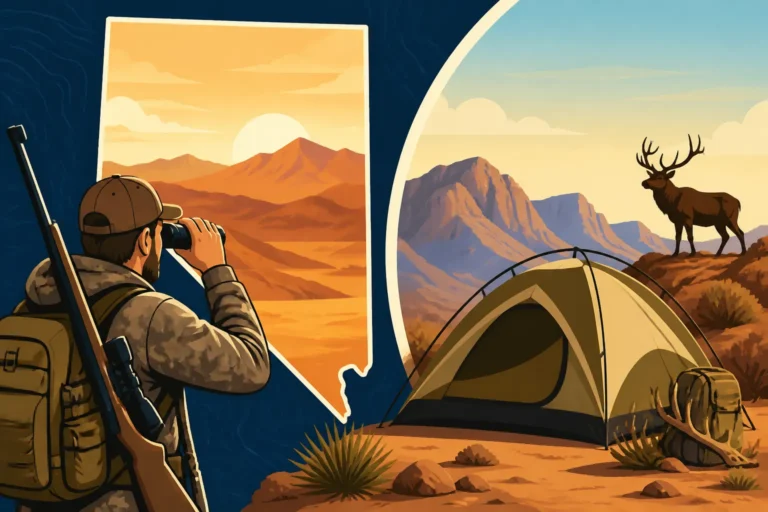
Finding a suitable spot to set up camp during Nevada's hunting season, especially within our national forests, can be surprisingly complicated. It's not just about pitching a tent; it's about understanding complex regulations, respecting the land, and finding a strategic location for your hunt. This guide will help you navigate the rules and realities of camping on forest ground in Nevada, ensuring you have a comfortable and compliant basecamp for your big game pursuit.
Understanding National Forest Camping Regulations
When you're planning a hunt in Nevada that involves camping on forest ground, it's easy to assume you can just pull off the road and set up shop anywhere. However, national forests, while largely public, operate under specific rules designed to protect resources and ensure public safety. Ignoring these rules can lead to fines, frustrating encounters, and even jeopardizing your hunt.
Dispersed Camping Rules and Ethics
Dispersed camping is what most hunters think of when they picture setting up a remote camp in the national forest. It means camping outside of developed campgrounds, usually without amenities like water, toilets, or trash service. While it offers incredible solitude and direct access to hunting areas, it comes with a significant responsibility to practice "Leave No Trace" principles. This means packing out everything you pack in, including all trash, food scraps, and even human waste (or burying it properly far from water sources). You need to be particularly mindful of fire restrictions, which are common and strictly enforced during dry seasons, especially in late summer and early fall when many archery and early rifle seasons are underway. Building a fire outside of designated fire rings may be completely prohibited, and even then, fire bans can be enacted across entire forest districts. Always check current conditions with the local forest service office before heading out.
When you're dispersed camping, think about your impact. Drive only on established roads or within designated off-road vehicle areas. Avoid driving across delicate vegetation to reach a campsite. Good spots are often found near existing pull-offs or clearings, not by trailblazing new routes. The goal is to leave no trace that you were ever there, allowing the next hunter or recreationist to enjoy the same wild experience.
Designated Campgrounds vs. Dispersed Camping
While the allure of a remote, private hunting camp is strong, sometimes a designated campground might actually make more sense. These sites offer basic amenities, like picnic tables, fire rings, and often vault toilets or potable water, which can make camp life a lot easier, especially on longer hunts or with a family group. The downside, of course, is less solitude and potentially more noise from other campers. During popular hunting seasons, even developed campgrounds can fill up fast, so reservations, if available, are a good idea.
Here's a quick comparison to help you weigh your options:
| Feature | Dispersed Camping (National Forest) | Designated Campground (National Forest) |
|---|---|---|
| Cost | Free | Fee required (per night) |
| Amenities | None (no water, toilets, trash) | Basic (fire ring, picnic table, vault toilet) |
| Privacy/Solitude | High, if you find a good spot | Low, shared with other campers |
| Accessibility | Requires careful navigation, often rough roads | Marked, easier access, paved or graded roads |
| Fire Rules | Strict, often prohibited outside of fire season | Fire rings provided, but bans still apply |
| Wildlife | More direct encounters, active food storage needed | Less direct impact on camp, still need food storage |
| Noise | Quiet, natural sounds | Potential for noise from other camps |
| Booking | Not required | Often reservable, first-come first-served options |
For hunters, the choice often boils down to strategy. If you need to be deep in a unit and packing in on foot, dispersed camping is likely your only option. If you're hunting an area with good road access and appreciate a few creature comforts, a campground could be a viable, less hassle-prone choice.
Seasonal Restrictions and Closures
Nevada's national forests, particularly the vast Humboldt-Toiyabe, are subject to various seasonal restrictions and closures that can impact your camping plans. These might include road closures due to snow, seasonal wildlife habitat protection areas, or fire restrictions. For instance, many higher-elevation roads in the Ruby Mountains or Schell Creek Range will be impassable until well into late spring or early summer due to snow, even if the lower valleys are clear. Conversely, as summer progresses and temperatures rise, many areas enter critical fire danger periods. Fire Restrictions During Hunting Season is a common challenge.
Always check with the local U.S. Forest Service district office for the specific forest and unit you plan to hunt. Websites and phone calls are your best bet. Conditions can change rapidly, and what was open last week might be closed today due to a new fire start or extreme weather. Ignoring these closures isn't just irresponsible; it's illegal and can result in significant penalties.
Permitting Requirements
For the most part, dispersed camping in Nevada's national forests does not require a special permit. Your Nevada hunting license covers your presence on public lands for the purpose of hunting. However, there are exceptions. Some specific areas might have special permits required for overnight stays, particularly in popular wilderness areas or zones with high recreational use. Additionally, if you plan to stay for an extended period – generally beyond 14 days in one spot or within a specific area – you'll likely need a long-term camping permit.
It's also worth noting that while you might not need a camping permit, you will certainly need your valid hunting license and the appropriate tag for the species you are pursuing. Any required hunter education certifications should also be readily available, as rangers or game wardens may check for these documents in the field. Anyone Born After 1959 Needs Nevada Hunter Education is a rule that applies universally.
Finding Your Ideal Hunting Camp Location
The perfect hunting camp isn't just about a pretty view; it's a strategic decision that can significantly impact the success of your hunt. You want a spot that offers a balance of accessibility, concealment, and proximity to your hunting grounds, all while staying within regulations.
Scout From Afar: Maps and Satellite Imagery
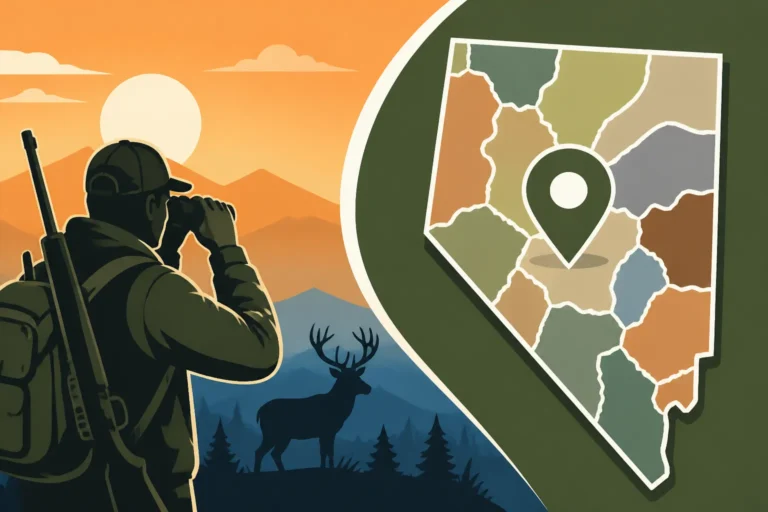
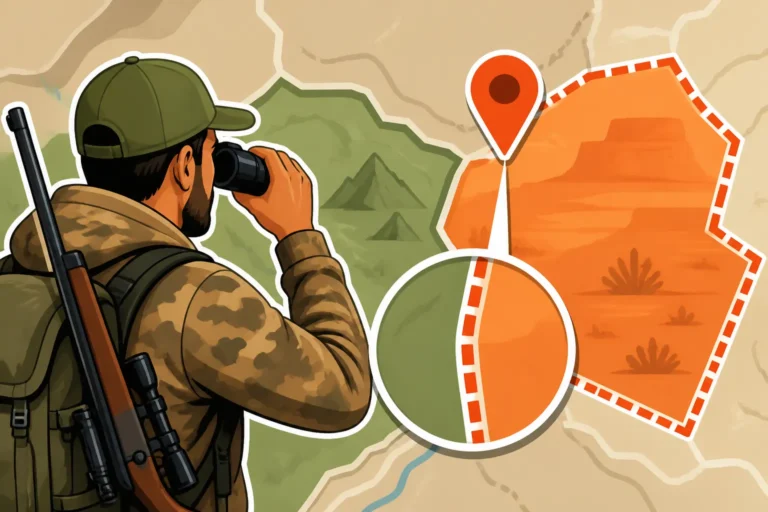
Before you ever leave your driveway, you can do an immense amount of scouting for potential campsites using modern mapping tools. Applications like onX Hunt are invaluable for this. You can easily see land ownership, identify public national forest boundaries, trace roads (including seasonal closures), and spot potential clearings or flat spots suitable for a tent. Use the satellite imagery to zoom in and look for game trails, water sources, and terrain features that might offer cover or good vantage points for glassing. E-Scouting a Nevada Unit Before the Season is not just for finding game, but for finding your camp.
GoHunt is another excellent resource, offering detailed unit information, draw odds, and sometimes even terrain analysis that can inform your camp choices. Look for areas away from popular hiking trails or roads, but still accessible enough for you to pack your gear in without an epic journey. Remember that while satellite imagery is powerful, ground-truthing is always the final step. What looks flat and accessible from space might be steep and brushy on the ground.
Proximity to Hunt Units and Access Points
Your camp location should be strategically chosen in relation to your hunt unit and desired hunting grounds. It's often a trade-off: camping right on the edge of the prime hunting area might mean less driving in the morning, but potentially more noise or impact on the game. Camping a bit further out might require a longer commute each day, but could offer more solitude and a less disturbed environment for wildlife. Consider how far you're willing to walk or drive each day.
When looking at access points, think about the condition of the roads. Nevada's national forest roads can be rough, and many require high-clearance 4×4 vehicles. Don't plan on taking your sedan deep into a unit unless you've personally scouted the road conditions. Look for secondary roads or two-track trails that lead into less-traveled areas. Remote Road Conditions Across Nevada are no joke and can end a hunt quickly if you're not prepared.
Water Sources and Terrain Considerations
Water is life in Nevada, and that applies to your camp too. While you should always pack in plenty of your own drinking water, proximity to a natural water source like a spring or perennial creek can be a huge bonus for things like washing up or filtering extra water for extended stays. Always camp at least 200 feet away from any water source to avoid contaminating it and to allow wildlife unimpeded access.
Terrain plays a massive role. Look for flat, well-drained areas, especially if you anticipate rain. Avoid washes or low-lying areas that could become flooded. Seek out natural cover – a stand of pines, a thick sagebrush flat, or the lee side of a ridge – to shield your camp from wind and keep it hidden from game and other hunters. Higher ground often means better views for glassing but can also mean more exposure to the elements. Remember, especially in units with significant wilderness or roadless areas, you may be packing your animal back to camp on foot. Packing an Animal Out of Roadless Country is a physical challenge, and a camp too far from the retrieve point can make it even harder.
Avoiding Crowds and Conflicts
Nevada's hunting seasons, particularly for popular species like mule deer and elk, can attract a good number of hunters. To maximize your solitude and minimize potential conflicts, try to choose camp locations away from obvious access points, major trailheads, or popular developed campgrounds. Study maps for less-traveled routes or areas that might require a bit more effort to reach.
Respect other hunters. If you arrive at a promising spot and find another camp already established, move on. The vastness of Nevada's public lands means there's almost always another suitable spot. Avoid sky-lining your camp on a ridge top where it's visible for miles, both for ethical reasons and to keep a low profile from game. Maintaining a low impact and respectful presence benefits everyone who uses our public lands.
Setting Up Camp for a Successful Hunt
Once you've found that perfect spot, setting up your camp correctly is crucial for both comfort and safety. It's more than just pitching a tent; it's about creating a functional, safe, and minimally impactful home base for your hunt.
Camp Layout and Safety Considerations
A well-organized camp is a safe camp. When you lay out your campsite, consider a few key zones: sleeping area, cooking area, and gear storage. Keep your sleeping tents away from the cooking area to reduce the risk of attracting animals to where you sleep. Make sure tents are secured, especially in Nevada's often windy conditions. Clear any flammable debris from around your fire pit, if fires are permitted.
Weapon safety is paramount. Store firearms unloaded and secured when not actively hunting. Never handle firearms inside a tent. Ensure all members of your party know and follow basic firearm safety rules at all times. Think about escape routes in case of an emergency, and have a first-aid kit readily accessible.
Minimizing Your Impact on the Environment
As stewards of the land, hunters have a responsibility to leave the forest better than they found it. This means adhering to Leave No Trace principles. Pack out all trash, including small items like bullet casings, tape from gear, and food wrappers. Don't bury trash; animals will dig it up. If you need to dig a cathole for human waste, ensure it's at least 200 feet from water sources, trails, and camp, and bury it properly after use.
When you break camp, ensure any fire rings are cold to the touch and scattered. Disperse any signs of your presence. The goal is for the next person (or animal) to find a pristine environment, not evidence of human activity. This commitment helps preserve our hunting areas for future generations.
Bear Awareness and Food Storage
While Nevada might not have the same density of grizzly bears as some other western states, black bears are present in many national forest areas, particularly in the northern and eastern parts of the state, such as portions of the Humboldt-Toiyabe National Forest. Proper food storage is absolutely critical. Never store food, scented items (like toothpaste or deodorant), or even empty food wrappers inside your tent. All food should be kept in bear-resistant containers, hung from a tree using a bear bag system, or stored in a locked vehicle out of sight.
Cooking and eating should be done away from your sleeping area. Dispose of all food scraps properly – ideally, packed out with your trash. If you harvest game, handle the meat hygienically and cool it rapidly, minimizing odors around your camp. Bears are opportunistic, and a poorly managed camp can quickly become an attractant, creating a dangerous situation for both humans and wildlife.
Vehicle Access and Camp Security
Most national forest camping in Nevada involves some level of vehicle access. Ensure your vehicle is parked in a spot that doesn't block roads or trails and is within designated camping areas if applicable. Consider the security of your camp and vehicle. While Nevada's backcountry is generally safe, theft can occur, especially in more accessible areas. Keep valuables out of sight and lock your vehicle.
If your camp is remote and you'll be leaving it unattended for long periods while hunting, consider discreet placement to deter opportunistic visitors. A vehicle that stands out or a camp strewn with gear can be an inviting target. Make sure your vehicle is prepared for the rough roads: good tires, a spare, and basic recovery gear are essential. Carrying Extra Fuel on a Nevada Hunt and water are also crucial for safety in remote areas.
Navigating Specific Nevada National Forests
Nevada is home to several national forests, each with its own character, challenges, and rules. Understanding these distinctions is key to a successful hunting camp.
Humboldt-Toiyabe National Forest
The Humboldt-Toiyabe National Forest is massive, stretching across much of central and eastern Nevada and into California. It's the largest national forest in the lower 48 states and offers the lion's share of Nevada's forest camping opportunities. With its diverse terrain, from the high desert sagebrush to towering alpine peaks, the regulations can vary by district. For instance, the Spring Mountains National Recreation Area near Las Vegas will have very different rules and use patterns than the remote Jarbidge Wilderness in the northeast.
When planning to camp here, always consult the specific district you'll be hunting. The forest is divided into multiple ranger districts (e.g., Mountain City, Austin-Tonopah, Carson, Bridgeport), and each may have slightly different local orders regarding fire restrictions, road access, or dispersed camping zones. Humboldt-Toiyabe National Forest Hunting means understanding its vastness and localized rules. High-clearance vehicles are often necessary, and self-sufficiency is paramount due to the sheer remoteness and distance from services.
Ely and Spring Mountains National Forests
While technically part of the larger Humboldt-Toiyabe, areas like the mountains around Ely (e.g., Schell Creek Range, Snake Range) and the isolated Spring Mountains near Las Vegas offer distinct hunting and camping experiences. The Spring Mountains, in particular, see heavier recreational use due to their proximity to a major metropolitan area. This means more developed campgrounds and potentially tighter restrictions on dispersed camping in certain zones. You'll need to be extra vigilant about understanding the specific regulations for these more heavily trafficked areas.
For the ranges near Ely, you're looking at classic Basin and Range country, with high mountain islands surrounded by vast valleys. Camping often occurs at the base of these ranges or within canyons that provide access to the higher elevations. These areas can be incredibly remote, with limited cell service, emphasizing the need for thorough preparation, self-reliance, and detailed mapping tools like onX Hunt to understand the terrain and land ownership.
Accessing Remote Areas and Wilderness
Many of Nevada's prime hunting units extend into designated wilderness areas or Wilderness Study Areas (WSAs). These areas have strict regulations designed to preserve their wild character, which directly impacts how you can camp and access them. In official wilderness areas, motorized vehicles, mountain bikes, and even wheeled carts are generally prohibited. This means any camp deep within a wilderness boundary must be reached on foot or with pack animals. Wilderness Study Areas and Vehicle Limits outline specific constraints you need to know.
If your hunt takes you into or near a wilderness area, plan for a true backcountry experience. This typically means lighter gear, careful water planning, and an understanding of minimum impact camping. While you might drive close to a wilderness boundary, your actual camp within it will be a packing expedition. Always verify the exact boundaries on a detailed map, as crossing into a wilderness area with a motorized vehicle can result in substantial fines.
Disclaimer
This article is for general informational purposes only and does not constitute professional advice. Laws, prices and regulations vary by location and change over time. Consult a qualified professional for guidance on your specific situation.