Crossing a State Line With a Harvested Animal
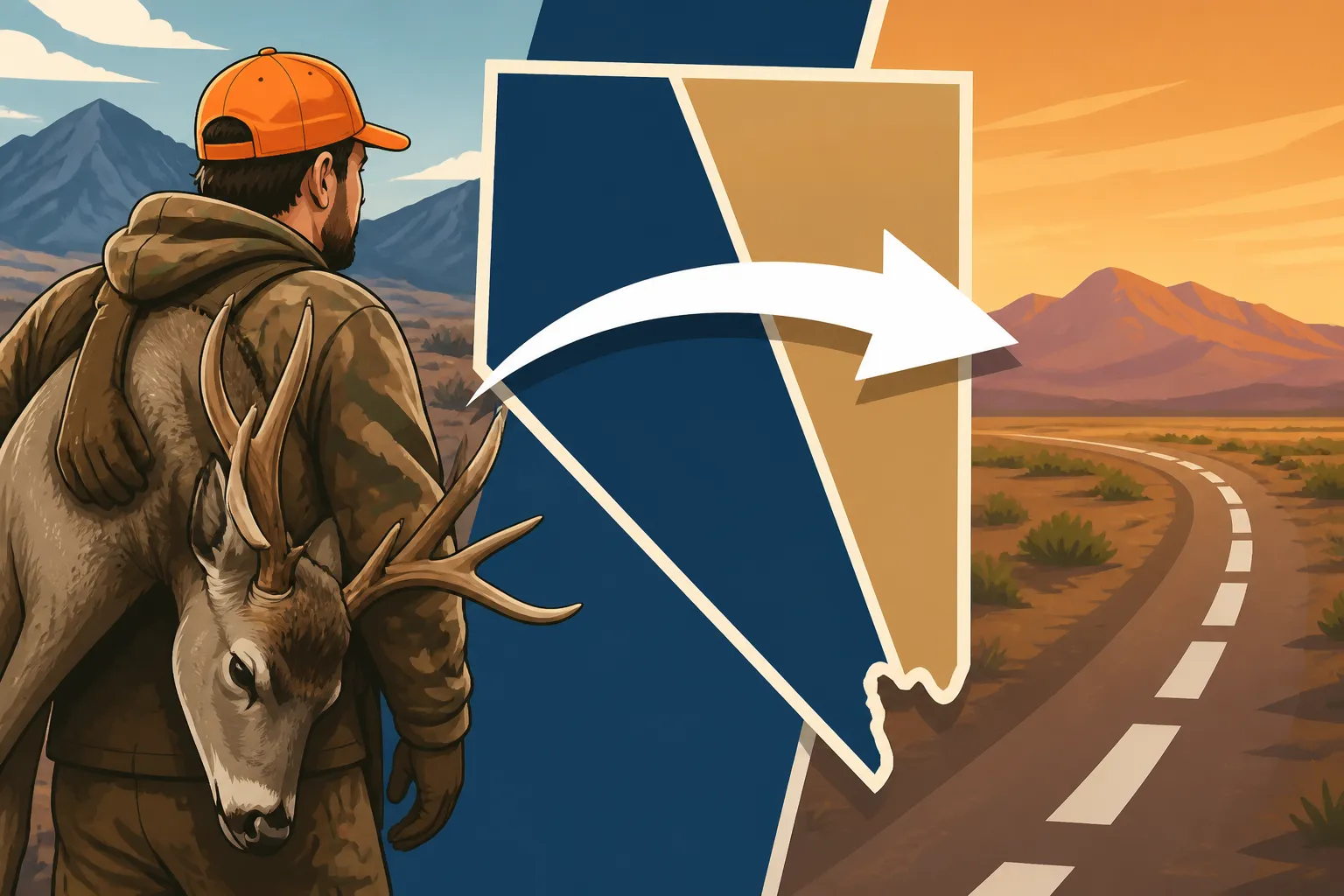
Oh boy, you've just dropped a magnificent mule deer buck in a remote Nevada unit, the kind of animal you've been dreaming about for years. The adrenaline is pumping, the hard work is done, and now comes the real work: getting that beautiful animal from the sagebrush back to your freezer, especially if your freezer happens to be across a state line. This isn't just about loading it in the truck; it's about navigating a maze of regulations that can turn a triumphant harvest into a stressful ordeal if you're not prepared. This guide is going to walk you through everything you need to know about crossing a state line with a harvested animal from Nevada, helping you avoid fines, frustration, and the heartbreaking loss of your hard-earned game meat.
Understanding Interstate Game Transport Regulations
Transporting a harvested animal across state lines might seem straightforward at first glance – you shot it, it's yours, right? But the reality is far more complex. Each state has its own set of rules, and these rules are often designed with very specific, and very important, goals in mind. Ignoring them, even unintentionally, can lead to serious consequences, from confiscated meat to hefty fines.
The "Why" Behind the Rules: Disease and Conservation
At the heart of many interstate game transport regulations is the crucial need to prevent the spread of wildlife diseases and to uphold conservation efforts. The most significant concern for big game hunters today is Chronic Wasting Disease (CWD). While Nevada has been fortunate to have a relatively low prevalence of CWD compared to some other states, the threat is always there, and proactive measures are vital. CWD is a neurological disease fatal to deer, elk, and moose, and it can be spread through infected animal parts, particularly brain and spinal cord tissue.
Imagine the devastating impact if CWD were to spread unchecked through a state's deer or elk population. It would decimate herds, ruin hunting opportunities for generations, and could even have broader ecological consequences. This isn't just a hypothetical scenario; it's why states, even those without widespread CWD, implement strict rules about bringing certain carcass parts across their borders. They're trying to protect their own wildlife resources from an external threat. These rules are a collective effort to safeguard the future of hunting and the health of our wild animals. It’s a bit of a hassle for us as individual hunters, but it’s for the greater good, ensuring there are animals to hunt for years to come.
Federal vs. State Regulations: What Applies Where
When you're dealing with interstate travel, you're essentially looking at two layers of regulations: federal and state. While federal laws primarily govern commercial transport of wildlife, state laws are often the ones that directly impact individual hunters transporting their personal harvest. Each state has the authority to regulate what comes into its borders, regardless of where the animal was harvested. So, while Nevada will have its rules about what you need to do before you leave, the state you're driving into will have its own set of rules about what you're allowed to import.
It's a bit like international travel with customs. You might have all the right papers to leave one country, but if the next country's customs officials have an issue with what you're bringing in, you've got a problem. This means you need to be familiar with the regulations of both your hunting state (Nevada, in this case) and your home state, or any other state you plan to pass through or end up in. Federal agencies like the U.S. Fish and Wildlife Service also play a role, especially if you're talking about protected species or specific transportation methods, but for most big game hunters, the state-level regulations are the most critical.
Key Information to Research Before You Go
The absolute golden rule for transporting harvested game across state lines is this: research, research, research. You simply cannot afford to assume. Before you even head out on your hunt, you need to know not only Nevada's regulations for exporting game, but also the specific regulations of your destination state for importing game. This isn't a task to save for the night before you leave or, worse, for when you're already at the state line.
Start by visiting the official wildlife agency websites for both Nevada and your destination state. Look specifically for sections on CWD regulations, carcass transportation, and importation rules for out-of-state harvests. Many states will have detailed FAQs or dedicated pages addressing these exact concerns. If you can't find clear answers online, don't hesitate to call the wildlife agencies directly. A quick phone call to a game warden or agency biologist can save you immense headache down the road. They are usually more than happy to help hunters understand the rules so everyone can stay compliant. Tools like GoHunt or onX Hunt can help you with understanding unit boundaries and potential CWD zones, but for the actual regulations, always go to the official source. Don't forget to check the specific section on Where the Current Nevada Regulations Are Posted.
Navigating Nevada's Specific Rules for Exporting Game
Once you've successfully harvested your animal in Nevada, your focus shifts to preparing it correctly for transport. Nevada has clear guidelines to ensure proper tagging, identification, and, if necessary, disease prevention measures are followed. These steps are crucial whether you're heading home within Nevada or planning an interstate journey.
Carcass Preparation and Evidence of Sex Requirements
Nevada's regulations typically require that certain evidence remains with the carcass or specific parts of the animal until it reaches its final destination or is processed for consumption. This is primarily to allow game wardens to verify the species, sex, and legal harvest of the animal. For deer and elk, for example, the regulations often specify that the head must remain with the carcass or certain portions of the meat until it's delivered to the hunter's permanent residence, a meat processor, or a taxidermist. When heading out of state, this is especially important as your destination state's officials will want to see this evidence.
The concept of "evidence of sex" is straightforward: for male animals, it usually means keeping the head with antlers or horns attached, or if antlers/horns are removed, keeping them with the carcass. For antlerless animals, specific parts (like the scalp or sex organs) might be required to remain attached. The key here is not just to comply with Nevada's rules, but also to consider what your destination state might require for imported game. If your home state has stricter CWD regulations, you might need to bone out all meat and only transport specific clean parts (like boned-out meat, hide, and skull plate) even if Nevada itself allows whole carcass transport. This careful field dressing is also essential for Field Dressing in August Heat to preserve the meat.
Tagging and Documentation: Your Animal's Passport
Your big game tag isn't just proof of legal harvest; it's your animal's essential travel document. In Nevada, once an animal is harvested, your tag must be immediately and securely attached to the carcass. The tag must remain attached during transport, even if you quarter the animal. This is non-negotiable. Think of it as your animal's passport—without it, you're going to have significant trouble.
Beyond the physical tag, it's always wise to carry your hunting license, any permit documentation, and a copy of the Nevada hunting regulations with you. While not always legally required for simple transport, having these documents readily accessible can clarify any questions a game warden might have, whether you're still in Nevada or crossing a state line. Some states might even require a declaration form for imported game, so be prepared for that possibility. It’s about being able to prove the legality of your harvest at every step of the journey. Don't forget that Mandatory Reporting After a Nevada Harvest is also a requirement for hunters, which ties into the overall legal framework.
The Role of Taxidermists and Meat Processors
Using local services in Nevada for taxidermy or meat processing can often simplify the interstate transport process significantly. If you have your animal professionally processed or handled by a taxidermist before you leave Nevada, they will ensure all local regulations are met. A reputable processor will bone out the meat, package it, and often have experience with the specific requirements for clients transporting meat to other states. This can eliminate the need for you to worry about carcass parts that might be restricted due to CWD concerns in your home state.
For taxidermy, a Nevada-based taxidermist can prepare your trophy head, cape, or hide according to all regulations. They can also often arrange for shipping to your home state, handling the necessary paperwork and ensuring compliance with federal and state regulations for animal parts. This takes a lot of the burden off your shoulders. However, if you choose to do it yourself, be sure to understand what constitutes a "clean" skull or hide if your destination state has CWD concerns. This usually means removing all brain and spinal tissue from skulls, and thoroughly salting and drying hides.
Rules for Importing Game into Neighboring States (California, Oregon, Idaho, Utah, Arizona)
This is where things can get particularly tricky. Each state surrounding Nevada—California, Oregon, Idaho, Utah, and Arizona—has its own set of rules regarding what you can bring across their borders. These rules are primarily focused on preventing the introduction of CWD and other wildlife diseases, as well as managing their own wildlife populations.
CWD Concerns and Carcass Restrictions
While Nevada has relatively low CWD prevalence, your destination state might be much more concerned. Many states have enacted regulations that restrict the importation of certain high-risk carcass parts from any state, regardless of its known CWD status. This is a preventative measure. High-risk parts typically include the brain, spinal cord, eyes, spleen, and lymph nodes. These are the tissues where CWD prions are most concentrated.
This means that even if you harvested your deer in a CWD-free unit of Nevada, a neighboring state like Utah or California might require you to bring in only boned-out meat, clean skulls (with all brain material removed), hides (without skull or spinal column material), and antlers. You would not be allowed to bring in a whole carcass or even a skull with brain tissue intact. This is why thorough field dressing and potentially quartering and boning out your animal at the kill site or a local processor is often the safest bet. Remember, this isn't about Nevada's CWD status; it's about what your destination state is trying to prevent. The discussion around Carcass Transport Rules After a CWD Detection is very relevant here, even if Nevada isn't the origin of a detection.
Here's a general idea of what you might encounter, but remember to always verify current regulations for your specific destination:
| Destination State (Example) | Common Carcass Restrictions (General) | Best Practice for Transport |
|---|---|---|
| California | Often restricts high-risk parts; boned meat, clean skull/hide generally okay. May have CWD zones. | Bone out all meat; clean skull plate/antlers. |
| Oregon | Similar to CA; focus on CWD prevention. May have specific declaration requirements. | Bone out all meat; clean skull plate/antlers. |
| Idaho | Generally allows boned meat, clean skull/hide. May have specific CWD rules if importing from certain areas. | Bone out all meat; clean skull plate/antlers. |
| Utah | Strong CWD regulations; often restricts brain, spinal cord, etc. High-risk parts prohibited. | Bone out all meat; clean skull plate/antlers. |
| Arizona | Focus on CWD prevention. Bone-in meat typically allowed if certain precautions are met. | Bone out if possible; if bone-in, ensure no high-risk tissues. |
Specific Importation Permits and Requirements
Beyond carcass restrictions, some states may have additional importation permits, declarations, or even inspection requirements for certain species or from specific areas. For example, if you're crossing into Which Nevada Units Border California or Which Nevada Units Border Utah, these states might require you to stop at an agricultural inspection station. While these stations are primarily looking for agricultural pests, they are also points where game wardens might be present, or where you might need to declare your harvested animal.
It's not common for individual hunters to need a special "import permit" for standard big game meat, but it's always worth confirming. The primary requirement is usually compliance with the carcass restrictions. However, for certain species, or if you're bringing in live animals (which is a whole different ballgame and highly restricted), permits would definitely be needed. Always have your Nevada hunting license, tag, and any other relevant documentation readily available. Being transparent and prepared at any checkpoint is key.
Practical Tips for Border Crossings
When you're approaching a state line with a harvested animal, a few practical steps can make all the difference.
First, have all your paperwork in order and easily accessible. This means your Nevada hunting license, the properly affixed tag on your animal, and any permits or declarations for your destination state. Keep it in a waterproof folder in the console, not buried in a backpack in the bed of your truck.
Second, be prepared for inspection. This doesn't mean you're doing anything wrong; it's simply a possibility. Your vehicle might be stopped, and you might be asked about your harvest. Knowing the regulations for both states will allow you to confidently answer any questions and demonstrate your compliance. If you've got boned-out meat in coolers, you're usually in a much better position than if you have a whole carcass.
Finally, know who to call if you have questions while on the road. Keep the phone numbers for both Nevada Department of Wildlife (NDOW) and your destination state's wildlife agency programmed into your phone. If an unexpected situation arises or you encounter conflicting information, a quick call can often resolve it. This proactive approach can prevent delays and potential legal issues.
Planning Your Hunt with Interstate Transport in Mind
The best way to handle interstate game transport is to plan for it long before you even leave for your hunt. Integrating these considerations into your pre-hunt strategy will reduce stress and ensure a smooth journey home with your trophy and meat.
E-Scouting and Unit Selection
When you're pouring over maps, choosing your Nevada hunt unit, and using tools like onX Hunt to scout terrain, consider the logistics of game retrieval and transport if you live out of state. If your home state has very strict importation rules (e.g., boned-out meat only), you might want to factor in access to a meat processor in Nevada, or plan for a scenario where you're doing a full bone-out job yourself in the field.
Units close to major towns with processing facilities might be more appealing, especially if you're on an early season hunt where temperatures demand quick cooling. E-Scouting a Nevada Unit Before the Season should include not just finding deer, but also identifying potential processing resources or suitable locations for extensive field butchering. For those living in California, targeting units like Which Nevada Units Border California could mean a shorter drive and less time worrying about meat spoilage, provided you understand California's import rules. The closer you are to home, the less time the meat is in transit, which is always a bonus for quality.
Gear and Cooler Considerations
Your gear choices should directly reflect your transport plan. If you know you'll need to bone out an animal in the field due to destination state regulations, make sure you have the right tools: a sharp knife kit, game bags, a sturdy bone saw, and plenty of clean cloths. More importantly, you'll need adequate cooler capacity. A whole mule deer or elk carcass won't fit neatly into your typical ice chest. Planning for boned-out meat means needing enough coolers to handle that volume and enough ice to keep it cold for the entire journey. Getting Meat Cooled on an Early Season Hunt is absolutely critical, especially in Nevada's often hot climate.
Consider the type of coolers too. High-quality, rotomolded coolers will hold ice longer, which is essential for preserving meat on a long drive across multiple states. Pre-chill your coolers before you even load them. Pack extra tarps, plastic sheeting, and absorbent pads to keep your vehicle clean and contain any blood or moisture. Nobody wants to arrive home to a truck that smells like a slaughterhouse.
Communicating with Game Wardens and Officials
Proactive communication is almost always better than reactive damage control. If you have specific questions or concerns about transporting an animal across a particular border, a friendly phone call to the relevant state wildlife agency before your hunt can alleviate many worries. Ask them directly about carcass restrictions, required documentation, and any specific CWD-related rules for importing game from Nevada.
Additionally, if you find yourself in a situation at a state line where you're unsure about the regulations, or if an official has questions, being polite, cooperative, and knowledgeable goes a long way. Have your phone numbers for the wildlife departments ready. The goal is to demonstrate that you are a responsible hunter who respects wildlife laws, and that you have made every effort to comply. While you might be frustrated, remember that game wardens are just doing their job, often to protect the very wildlife resources you value. Showing respect and preparedness can turn a potentially tense encounter into a smooth, uneventful crossing.
Disclaimer
This article is for general informational purposes only and does not constitute professional advice. Laws, prices and regulations vary by location and change over time. Consult a qualified professional for guidance on your specific situation.