Which Nevada Units Border California
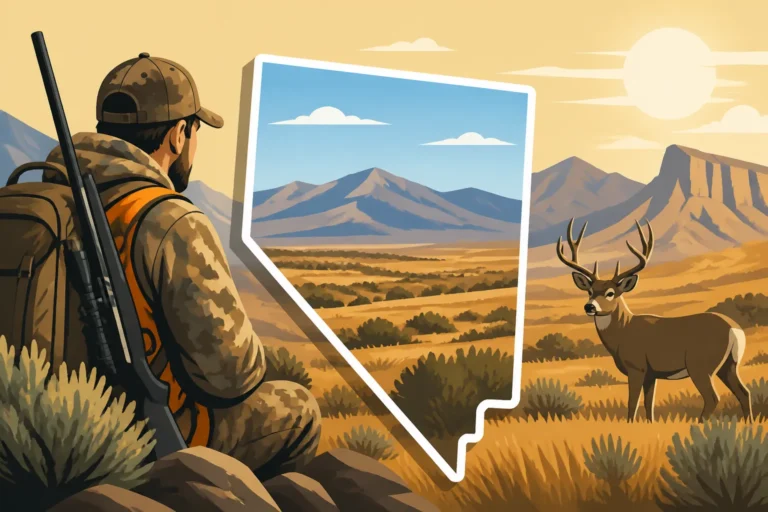
Trying to figure out which Nevada hunt units share a border with California can feel like you're staring at a giant, confusing puzzle. With so many unit numbers and vast stretches of public land, it's easy to get lost in the details, especially when you're planning a hunt that might skirt state lines. This guide is here to break down exactly which Nevada units run right up against the Golden State, helping you understand the terrain, access, and unique considerations for hunting these expansive and often challenging areas.
Understanding Nevada's Border Units Adjacent to California
Nevada is a massive state, and its western edge, where it meets California, covers a wide variety of landscapes. From high desert to alpine forests and vast sagebrush flats, the hunting opportunities along this border are incredibly diverse. However, this diversity also means that understanding the specific units and their characteristics is crucial. You're not just looking at a line on a map; you're looking at a transition zone where different game species thrive, access changes, and the weather can be wildly different just a few miles apart.
The Lay of the Land: General Geography and Terrain
When we talk about the Nevada-California border, we're really talking about a long stretch of land that changes dramatically from north to south. Up near the Oregon border, you'll find units that are part of the high desert, dotted with juniper and sage, gradually transitioning into the eastern slopes of the Sierra Nevada. As you move south, these units become heavily influenced by the rain shadow effect, meaning they are much drier, eventually giving way to the true Mojave Desert in the southernmost reaches. This variation in terrain directly impacts the type of game you'll find, the methods you'll use to hunt, and the challenges you'll face, from dense timber pockets to vast, open basins that demand serious glassing. Understanding these topographical shifts is the first step in Reading a Nevada Hunt Unit Before You Apply.
The eastern slope of the Sierra Nevada, running down the spine of the two states, creates some of the most rugged and beautiful hunting country. Here, you'll find steep canyons, towering peaks, and pockets of timber that hold mule deer and even some elk. Further east, the "Basin and Range" topography, a signature of Nevada, takes over, characterized by parallel mountain ranges separated by wide, flat valleys. These valleys often serve as crucial wintering grounds for big game, while the higher elevations provide summer forage and cover. Down south, the units turn stark, with volcanic rock, creosote bushes, and isolated mountain ranges that act like islands in a sea of desert. Each of these zones presents its own unique set of scouting and hunting challenges, and knowing what to expect physically is key to a successful trip.
Why Border Units Matter for Hunters
Hunting units that border another state introduce a few extra layers of complexity and opportunity that you wouldn't necessarily encounter in the middle of Nevada. For one, these areas often see significant game movement across state lines, especially with species like mule deer and elk that follow seasonal migration patterns. A buck that spends its summer in California might winter in Nevada, and vice versa. This cross-border movement can influence population dynamics and hunting pressure, making it an important factor to consider.
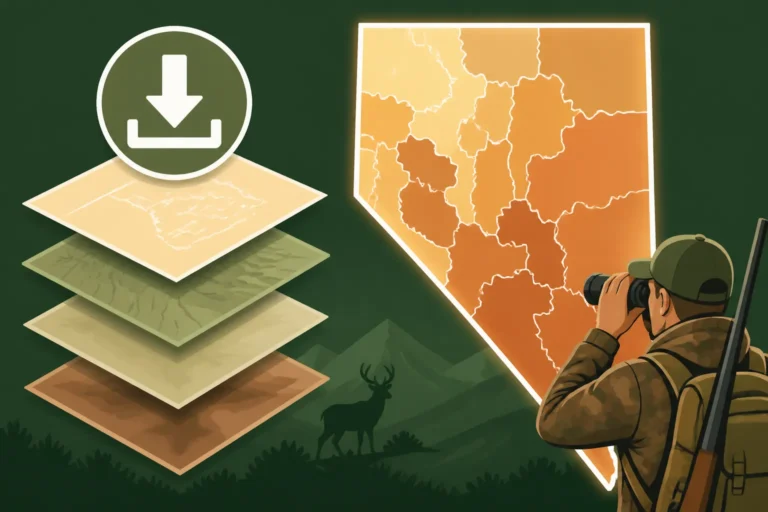
Secondly, access to these units can sometimes be influenced by nearby California towns or roads, offering different entry points than purely interior Nevada units. However, it also means you need to be hyper-vigilant about understanding exactly where the state line is. There are countless stories of hunters inadvertently crossing into the wrong state or onto private land simply because a map wasn't clear, or they weren't paying close enough attention. This is where tools like Using onX Layers for Nevada Public Land become indispensable, helping you stay on the right side of the law and on public ground. Plus, for non-residents, considering these units might simplify travel logistics if you're coming from California.
Specific Nevada Hunt Units Sharing a Border with California
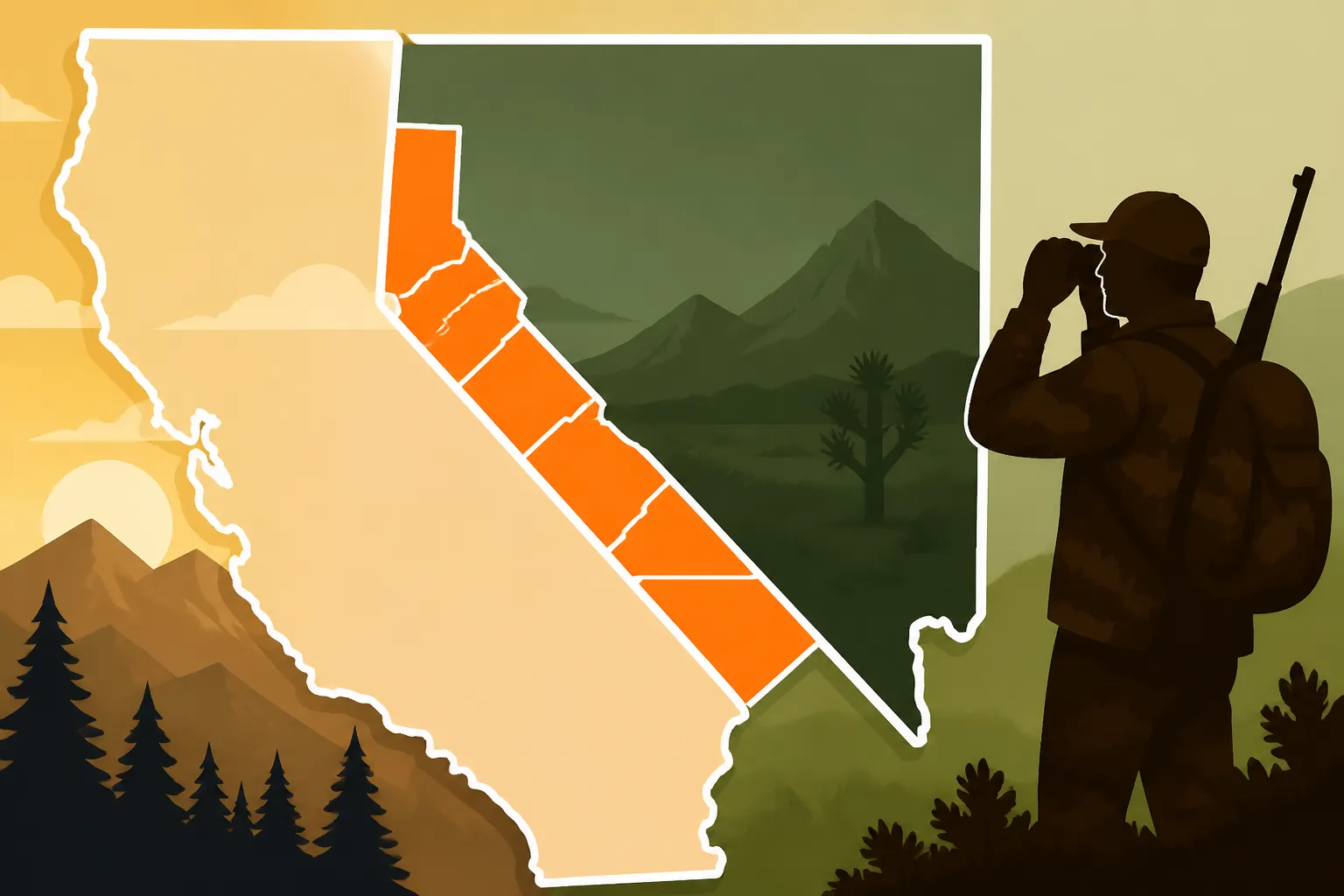
Nevada’s border with California stretches for hundreds of miles, encompassing an incredible array of ecosystems and corresponding hunt units. Breaking it down by region – northern, central, and southern – can help clarify which units you might be looking at for your next hunt. Keep in mind that unit boundaries can be intricate, often following geographical features like ridgelines, rivers, or specific roads. Always consult the official Nevada hunt regulations and detailed maps for precise boundaries before planning any hunt.
Northern Border Units: High Desert and Forest Edges
As you head north along the California border, especially above Reno, the landscape trends towards high desert plateaus interspersed with forested mountain ranges. These units are often characterized by extensive sagebrush, juniper, and pinyon pine, with pockets of aspen and pine at higher elevations. Mule deer are the primary big game species here, with some pronghorn in the more open valleys.
Units like Unit 011, Unit 013, and Unit 014 fall into this northern segment. Unit 011, for instance, is in the far northwest corner of Nevada, touching both California and Oregon. It’s vast and rugged, primarily high desert. As you move south slightly, Unit 013 (around the Honey Lake area) and Unit 014 (near the Sierras and west of Pyramid Lake) also share significant stretches of border. These units are often remote, offering a true backcountry experience for those willing to put in the effort. Access can be a mix of well-maintained dirt roads and much rougher tracks, depending on how far into the backcountry you plan to venture. You'll definitely want to be prepared for Vehicle Prep for Remote Nevada Roads if you're exploring these areas.
Central Border Units: Transition Zones and Mountain Ranges
Moving further south, from around Reno down towards Mammoth Lakes, California, the border units are heavily influenced by the Sierra Nevada mountain range. This is classic mule deer country, with robust herds that often migrate between the higher elevations in California for summer and the lower, more sheltered Nevada ranges for winter. You’ll find significant public land here, including portions of the Humboldt-Toiyabe National Forest, which offers vast stretches of prime hunting ground.
Units such as Unit 021, Unit 022, Unit 023, and Unit 024 are prime examples of central border units. Unit 021, directly west of Reno, is a diverse unit with both lower elevation sagebrush and higher, timbered peaks. Unit 022, further south, is iconic for its mule deer hunting and shares a long border with California's eastern Sierra. These units often feature steep, challenging terrain but can reward persistent hunters with exceptional opportunities. Mule Deer Are the Reason Most Hunters Apply in Nevada in these areas, and hunters often spend days glassing open slopes and canyon bottoms for mature bucks. The weather in these central units can be notoriously unpredictable, especially during late-season hunts, ranging from warm, sunny days to sudden blizzards.
Southern Border Units: Deserts and Mountain Islands
As the border continues south, past Lake Tahoe and into the lower half of Nevada, the landscape shifts dramatically to high desert and eventually, the Mojave Desert. These units are characterized by much lower elevations, less timber, and more open, arid terrain, though they still contain isolated mountain ranges that act as critical habitat islands for game. While mule deer are still present, you'll also find species like desert bighorn sheep in certain ranges, and pronghorn in the wide, open valleys.
Units like Unit 192, Unit 201, Unit 202, Unit 203, and Unit 204 are located in this southern stretch. Unit 192, for example, is southeast of Lake Tahoe and comprises a mix of high desert and some mountainous terrain. Units 201-204 extend into the vast southern desert, where the peaks of mountain ranges like the Spring Mountains and Sheep Range rise dramatically from the desert floor. These units are often hot, dry, and demand extreme physical preparation and water management. Hunting Water in Nevada's Driest Country becomes paramount here, as game animals are heavily reliant on scattered springs and guzzlers. Navigating these units often means long drives on rough roads and extensive hiking, so proper vehicle preparation and personal fitness are non-negotiable.
Here's a quick overview of some key border units and their general characteristics:
| Nevada Unit | General Location on Border | Primary Terrain | Key Big Game Species | Notable Considerations |
|---|---|---|---|---|
| 011 | Far Northwest | High Desert | Mule Deer, Pronghorn | Very remote, rugged |
| 013 | Northwest (Honey Lake) | High Desert/Foothills | Mule Deer, Pronghorn | Mix of public/private |
| 014 | West of Pyramid Lake | Mountain/Desert Transition | Mule Deer | Steep, diverse terrain |
| 021 | West of Reno | Mountain/High Desert | Mule Deer | Access from Reno area |
| 022 | East of Lake Tahoe | Sierra Nevada Front | Mule Deer, Bear | Rugged, high elevation |
| 023 | Central Sierra Border | Mountain/Pinyon-Juniper | Mule Deer, Elk | Challenging access |
| 024 | Central Sierra Border | Mountain/Pinyon-Juniper | Mule Deer, Elk | Good elk potential |
| 192 | Southeast of Lake Tahoe | Mountain/Desert Transition | Mule Deer | Mixed habitat |
| 201 | Southern Desert | Desert Mountain Ranges | Mule Deer, Bighorn | Hot, dry, remote |
| 202 | Southern Desert | Desert Mountain Ranges | Mule Deer, Bighorn | Water is critical |
| 203 | Extreme South | Mojave Desert | Mule Deer, Bighorn | Very arid, tough hunting |
| 204 | Extreme South | Mojave Desert | Mule Deer, Bighorn | Limited access points |
Note: This table provides a general overview. Always check current regulations and detailed maps for precise information on unit boundaries, species availability, and access.
Key Considerations for Hunting Nevada's California Border Units
Hunting along a state line brings a unique set of challenges and responsibilities. It’s not just about finding game; it’s about navigating legalities, logistics, and environmental factors that might differ subtly, or dramatically, from what you're used to in other parts of Nevada. Being prepared for these specifics can make or break your hunt.
Navigating Land Ownership and Regulations
One of the biggest headaches when hunting border units is meticulously identifying land ownership. Nevada is famous for its vast expanses of public land – Nevada Is the Most Federally Owned State in the Lower 48, with a huge percentage managed by the Bureau of Land Management (BLM) and National Forests. However, even within these public lands, there can be checkerboarded private parcels, especially along valley floors or near established ranches. In border areas, state lines often don't correspond to neat ownership changes, meaning you might have California state land directly adjacent to Nevada BLM ground, or private property that spans both states.
This is where digital mapping tools like onX Hunt become absolutely essential. They allow you to overlay land ownership layers on your GPS, clearly showing you public, private, and tribal lands. Without such a tool, you risk inadvertently trespassing, which can lead to hefty fines and a ruined hunt. Furthermore, remember that BLM Ground Is Where Most Nevada Hunting Happens, but rules for vehicles, camping, and even collecting shed antlers can differ slightly depending on the specific managing agency (BLM, Forest Service, or state parks). Always make sure you're aware of the specific rules for the parcel you're on, and never assume that what's legal in California is legal in Nevada, or vice versa, especially concerning firearm transport and tagging requirements.
Access Points and Logistical Challenges
The remote nature of many Nevada units, particularly those along the California border, means access can be a significant hurdle. Many roads are unpaved, rough, and may require a high-clearance 4×4 vehicle. During certain times of the year, especially after heavy snow or rain, some roads might become impassable or even be subject to seasonal closures. It’s crucial to scout your access routes thoroughly beforehand, using satellite imagery on platforms like GoHunt and checking local ranger district websites for current road conditions.
Beyond road conditions, logistical considerations like fuel and water are paramount. Services are often few and far between in these remote areas. You might drive for hours without seeing a gas station or a store, making it vital to carry extra fuel, ample water, and emergency supplies. Water You Must Carry on a Desert Day Hunt isn't just a suggestion; it's a survival imperative. Cell service is also notoriously spotty or nonexistent in much of Nevada's backcountry, so a satellite communication device is a smart investment for safety and peace of mind. Plan for self-sufficiency, as help could be hours away.
Game Species and Seasonal Variations
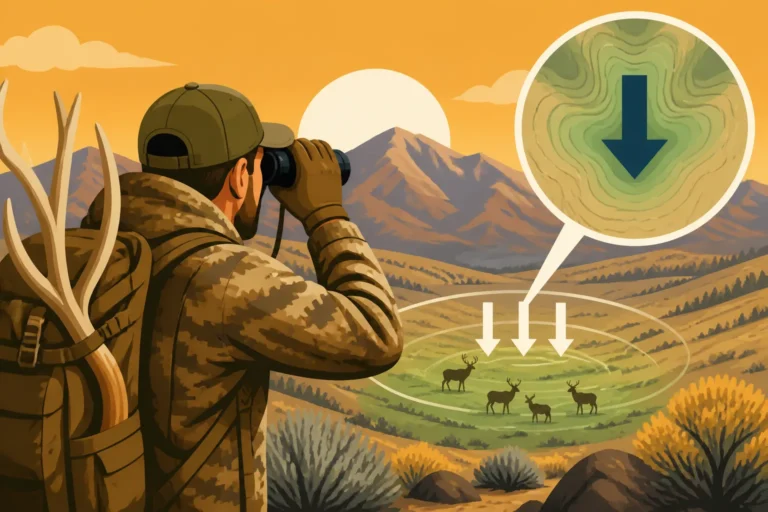
The specific game species you'll encounter along the border units largely depends on the latitude and elevation. In the northern and central regions, mule deer are king. These herds are often migratory, moving between the higher, summer ranges of the Sierra Nevada and the lower, more sheltered wintering grounds in Nevada. This means timing your hunt to coincide with these movements, especially during the rut or post-rut migration, can be key to success. In the high-elevation Sierra units, you might also find black bear.
As you head south, into the more arid units, desert bighorn sheep become a highly sought-after species in the craggy mountain ranges that punctuate the desert landscape. Pronghorn inhabit the wide-open valleys, presenting a unique spot-and-stalk challenge on the flats. Elk are less common along the direct border but can be found in some of the more forested central units. Understanding the nuances of each species' behavior in these diverse environments is vital. For example, Hunting the Post-Rut Migration for Big Bucks in the central units can be completely different from Spot and Stalk Antelope on Nevada's Open Flats in the southern desert. Always check the specific unit's draw odds and harvest success data on the Nevada Department of Wildlife (NDOW) website or through resources like GoHunt to gauge your chances and tailor your expectations.
Planning Your Hunt in Nevada's Border Country
Successful hunting in Nevada’s border units demands meticulous planning, from digital scouting to understanding local regulations and being physically prepared for the unique challenges of the landscape. Don't underestimate the vastness and ruggedness of these areas.
Essential Mapping and Scouting Tools
Before you ever set foot on Nevada soil, your hunt begins with rigorous e-scouting. This is where modern technology truly shines. Platforms like onX Hunt or GoHunt provide satellite imagery, topo maps, and crucially, land ownership layers that clearly delineate public and private boundaries. You can identify potential access roads, water sources like springs and guzzlers (critical in arid environments), and bedding areas or travel corridors. Use these tools to mark potential glassing knobs, escape routes, and even emergency rally points. This thorough E-Scouting a Nevada Unit Before the Season will save you countless hours and prevent frustration in the field.
Beyond digital maps, physical maps are still invaluable as a backup. Print out high-resolution topo maps of your chosen unit, marking key features you identified during e-scouting. When you arrive, spend time verifying your e-scouting observations. Ground truth is always king. Look for fresh sign, identify common game trails, and confirm water sources. Remember, Reading a Nevada Unit Boundary Before You Apply is only the first step; understanding it on the ground is where the real work happens.
Respecting Boundaries and Ethical Hunting
When you're hunting near a state line, respecting all boundaries is non-negotiable. This includes not just the Nevada-California border itself, but also public-private land interfaces and wilderness area designations. Make sure you know exactly where you are at all times using your GPS and mapping apps. Accidentally crossing into California with a Nevada tag, or vice versa, can lead to severe legal penalties. The same goes for trespassing onto private land. If there's any doubt about a boundary, err on the side of caution.
Ethical hunting also extends to proper game handling. In these often remote and warm environments, especially during early seasons like Nevada's August Archery Deer Window, swift and efficient field dressing is paramount to preserve the meat. Understand Getting Meat Cooled on an Early Season Hunt and consider carrying game bags and ice chests to ensure your hard-earned harvest doesn't spoil. Additionally, be aware of specific regulations regarding Carcass Transport Rules After a CWD Detection in case you're in an area with CWD management zones.
Practical Tips for Cross-State Hunting
Hunting close to a state border means you need to be doubly diligent about regulations. Even if you're only hunting in Nevada, familiarizing yourself with basic California hunting regulations for adjacent units isn't a bad idea, just so you understand potential movements of game or other hunters. Always ensure you have the correct Nevada hunting license and tags for your chosen species and unit. Make sure you understand The All-In Price of a Nevada Nonresident Deer Tag before you commit.
Lastly, prepare for the physical demands. Many of these border units are vast, rugged, and require significant hiking, often at elevation. Preparing Physically for Long Glassing Days and long stalks is crucial. Hydration, sturdy footwear, and appropriate layering for sudden weather shifts (especially in the Sierra-influenced units) will directly impact your comfort and success. Don't underestimate the sun and dry air, even in cooler months. A well-planned, well-executed hunt in Nevada's border units can be an incredibly rewarding experience, offering some of the most challenging and beautiful hunting in the West.
Disclaimer
This article is for general informational purposes only and does not constitute professional advice. Laws, prices and regulations vary by location and change over time. Consult a qualified professional for guidance on your specific situation.