Which Nevada Units Border Utah
One common question I hear from hunters, especially those familiar with the diverse landscapes just across the state line, is about the specific Nevada hunt units that share a border with Utah. It can feel a bit overwhelming trying to parse through regulations and maps to figure out which units truly offer that seamless geographical connection, and more importantly, what kind of hunting experience you can expect there. This guide is here to untangle that, providing a clear breakdown of those border units, what they offer, and key considerations for planning your next high-desert adventure.
Understanding Nevada's Border with Utah
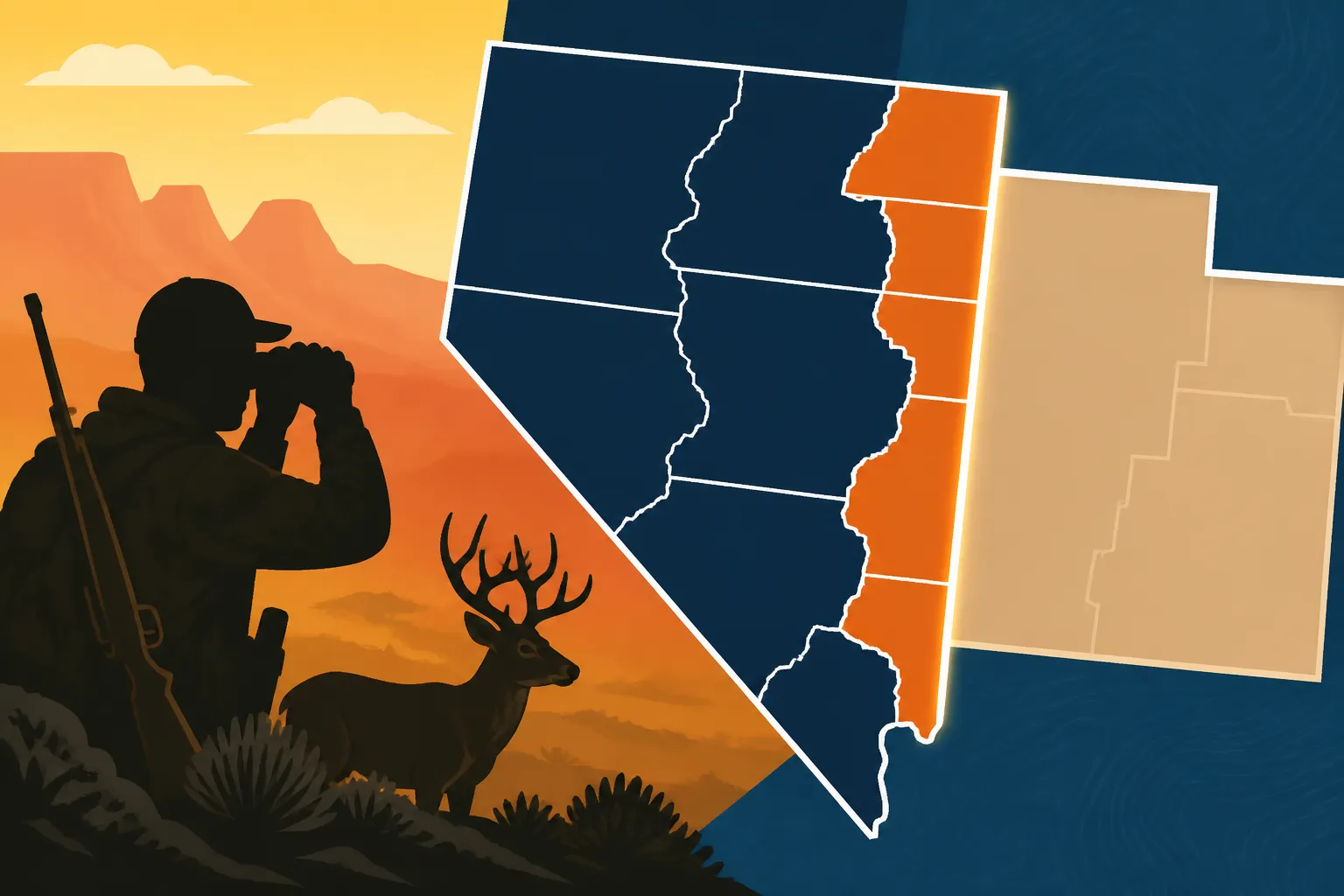
Nevada's eastern flank is a long, often rugged, and incredibly beautiful border with Utah. For hunters, this isn't just a political line on a map; it represents a continuation of habitat, migration corridors, and a shared high-desert ecosystem that influences game movement and hunting strategies. Understanding this geographical reality is the first step to unlocking some fantastic hunting opportunities.
The Geographic Reality of the Border
The Nevada-Utah border stretches for hundreds of miles, from the barren, low-lying desert of the south to the higher, more forested mountains in the north. This means that "border units" aren't a monolithic block; they encompass an incredible diversity of terrain. You'll find everything from vast sagebrush flats and rolling pinyon-juniper foothills to steep, snow-capped mountain ranges and isolated canyons. This varied topography directly impacts which game species thrive where, and how you'll need to approach your hunt. Hunters coming from Utah might find familiar landscapes or discover new challenges just a few miles into Nevada.
It's a mistake to think of these borders as hard stopping points for wildlife. Mule deer, elk, and even antelope often migrate freely across state lines, especially in the northern and central sections where mountain ranges like the Snake Range straddle both states. This inter-state movement means that understanding the units on both sides of the border can give you a significant advantage in patterning animals. It also means that pressures and opportunities in one state can spill over into the other, creating a dynamic environment for big game populations.
Why Border Units Attract Attention
Border units often hold a special appeal for hunters for several compelling reasons. For one, they can serve as a natural extension of scouting efforts for those living near the state line. If you've been putting in time across the border in Utah, the adjacent Nevada unit might offer similar habitat and a continuation of the same game herds you've been observing. This can reduce the learning curve significantly, letting you focus more on the hunt itself rather than entirely new terrain.
Furthermore, these units can sometimes offer unique tag opportunities or different season dates compared to their counterparts deeper within each state. A hunter might not draw a specific unit in Utah but could find a comparable, accessible unit in Nevada with a slightly better chance or a more appealing season window. It's all about diversifying your options and maximizing your time in prime hunting habitat. Many seasoned applicants use tools like GoHunt to compare draw odds and season structures across multiple states, precisely to identify these cross-border opportunities. For anyone trying to get a feel for how Nevada's hunt units are structured, it's worth reviewing Reading a Nevada Hunt Unit Before You Apply to grasp the system.
Key Nevada Units Along the Utah Border
Nevada's eastern border is long and varied, and so are the hunt units that lie alongside it. We can generally divide these into northern, central, and southern sections, each with its own character and species focus.
Northeastern Nevada Units: Elko County
Moving north along the border, you'll find units primarily within Elko County. These units are characterized by vast, high-elevation sagebrush basins interspersed with dramatic mountain ranges. This is classic mule deer country, with good elk populations in the higher elevations.
Units like 101, 076, and 077 directly abut the Utah border. Unit 101, in particular, is a well-known mule deer unit that shares significant habitat with Utah. These areas feature expansive public land, primarily managed by the BLM, with pockets of National Forest land in the higher mountains. The terrain here can be unforgiving, with long draws, juniper-covered slopes, and wide-open flats that demand serious glassing. Access can involve miles of dirt roads, and services are few and far between, underscoring the need for meticulous planning, perhaps aided by detailed maps from onX Hunt to understand land ownership and access points. For those considering these areas, knowing how to approach big game seasons is crucial, and reading about When Nevada Rifle Deer Seasons Fall can give you a good start.
Eastern Nevada Units: White Pine and Lincoln Counties
Further south, in White Pine and Lincoln counties, the border landscape continues to offer a mix of high desert and significant mountain ranges. These units are arguably some of Nevada's most iconic for big game hunting, especially for trophy elk and bighorn sheep.
Units such as 111, 115, 121, 221, 222, and 231 are all directly on the Utah line. The Schell Creek Range, which is a major feature in units like 111 and 115, is a prime example of a trans-state mountain range. It offers critical habitat for mule deer, elk, and even Rocky Mountain Bighorn Sheep. These ranges typically see more precipitation than the lower deserts, supporting thicker timber and higher forage quality. The challenges here include steep elevations, potentially deep snow in later seasons, and the sheer vastness of the landscape. Hunters looking at these units should be prepared for significant physical exertion and be adept at navigating remote terrain. Understanding Nevada Elk Rifle Hunts Stretch From October Into December or Nevada's August Archery Deer Window can help pinpoint specific opportunities in these high-country zones.
Southeastern Nevada Units: Lincoln and Clark Counties
As you head into southeastern Nevada, the landscape transitions to classic Mojave Desert and Great Basin interface. The mountains here are often lower, more arid, and isolated, but they still hold surprising pockets of wildlife, including Desert Bighorn Sheep.
Units such as 242, 244, 251, and 271 share a border with Utah in this more extreme desert environment. These units are often remote, with limited water sources and rugged, rocky terrain dominated by creosote bush, blackbrush, and Joshua trees. While big mule deer can be found, success often comes down to intense glassing and a deep understanding of water sources. Access can be a real issue, with few maintained roads and challenging off-road conditions. For those unfamiliar with the arid demands of these areas, researching Hunting Water in Nevada's Driest Country is a must. Knowing Reading a Nevada Unit Boundary Before You Apply is absolutely critical here, as private inholdings and wilderness study areas can complicate travel and access.
Unique Hunting Opportunities in Border Units
Hunting the units bordering Utah isn't just about finding a tag; it's about embracing a specific kind of high-desert and mountain hunting experience. These areas offer distinct advantages and challenges that can make for unforgettable hunts.
Species Diversity and Overlap
One of the most exciting aspects of hunting Nevada's border units is the potential for species diversity and habitat overlap. Because these units represent a geographical transition zone, you often find a blend of species that thrive in different environments. For example, in the eastern units of White Pine County, you might be hunting high-elevation elk and mule deer in the same general area where you could potentially apply for Rocky Mountain Bighorn Sheep. Further south, you transition to Desert Bighorn Sheep country, still with mule deer, but in a much more arid setting.
This overlap can be particularly beneficial for general season hunters. While drawing a tag for multiple species in the same unit is rare, the sheer presence of diverse game means your time in the field is often filled with wildlife encounters, even if you're only targeting one species. Understanding the specific habits of these animals is crucial, and resources like Mule Deer Are the Reason Most Hunters Apply in Nevada or Nevada Elk Herds Grew From Nothing Into a Trophy Draw can provide valuable insights into the primary big game species.
Terrain and Habitat Similarities
Hunters coming from Utah will often find the terrain and habitat in adjacent Nevada units remarkably similar to what they're accustomed to. This isn't surprising, as the mountain ranges and desert basins don't stop at the state line. The vegetation, rock formations, and elevation changes often mirror those just across the border, creating a continuity that can simplify scouting and strategizing.
This familiarity can be a huge advantage. If you've spent years learning how to read the landscape for mule deer in western Utah, those skills translate directly to the eastern Nevada units. You'll recognize the pinyon-juniper benches where deer bed, the sagebrush draws they travel, and the higher alpine pockets where elk seek refuge. However, it's also important to remember that Nevada's vastness can be deceptive. While familiar in places, the scale of the landscape and the remoteness can exceed expectations. Glassing Nevada's Basin and Range for Mule Deer emphasizes the unique challenges and techniques for hunting in this expansive environment, which applies perfectly to these border units.
Here's a quick look at some key characteristics of Nevada's border units:
| Border Region | Representative Nevada Units | Primary Game Species | General Terrain | Access Challenges |
|---|---|---|---|---|
| Northeastern (Elko) | 101, 076, 077 | Mule Deer, Elk, Pronghorn | High sagebrush basins, pinyon-juniper mountains | Extensive dirt roads, long distances between services |
| Eastern (White Pine) | 111, 115, 121, 221, 222, 231 | Elk, Mule Deer, Bighorn Sheep | Rugged mountains, forested slopes, high desert valleys | Steep terrain, some paved roads, but remote off-shoots |
| Southeastern (Clark) | 242, 244, 251, 271 | Desert Bighorn Sheep, Mule Deer | Arid mountains, Joshua tree forests, creosote flats | Extremely limited water, very rough roads, wilderness areas |
Navigating Logistics and Regulations in Border Areas
Hunting any unit in Nevada requires careful planning, but border units add a few extra layers of consideration. From understanding mapping tools to being acutely aware of cross-state regulations, there are critical logistical and regulatory aspects to master.
Mapping and Boundary Awareness
In border units, having reliable mapping technology is not just helpful; it's essential. The exact location of the state line can sometimes be less obvious on the ground than it appears on a map, especially in open, featureless terrain or across undulating mountain ranges. Modern GPS mapping apps, like onX Hunt, are indispensable here. They allow you to overlay land ownership, unit boundaries, and crucially, the state line directly onto your satellite imagery, giving you real-time confidence in your location.
Before you even leave home, spend considerable time digitally scouting. Use these mapping applications to identify the precise border, mark potential access points from both states, and locate critical features like water sources and natural funnels. While the paper map will always have its place as a backup, the ability of a digital map to show you exactly where you stand in relation to that invisible line can save you from inadvertently crossing into a different jurisdiction or even a closed area. For a deeper dive into this, check out Using onX Layers for Nevada Public Land or Reading a Land Ownership Layer Correctly, as both cover crucial aspects of digital scouting.
Understanding Cross-State Rules and Permits
This is where things can get a bit tricky and require diligent research. Even if you're hunting entirely within Nevada, it's vital to be aware of the other state's regulations, especially if you're accessing the unit from Utah or if game animals are known to cross the border. Each state has its own specific rules regarding hunting licenses, tag requirements, shooting hours, method of take, and even carcass transport.
For instance, while Nevada might accept hunter education from any state—as detailed in Nevada Accepts Hunter Education From Any State—your hunting license and tag must be specific to Nevada for any animals harvested within its boundaries. You absolutely cannot use a Utah tag to harvest an animal in Nevada, even if that animal just crossed the border. It's also critical to understand rules around transporting harvested game across state lines, particularly concerning Chronic Wasting Disease (CWD) regulations, which can change. Always check the current regulations for both states before your hunt. Don't assume.
Navigating the application process for these tags also requires foresight. Nevada's draw system is unique, often utilizing a "squared" bonus point system that significantly impacts your draw odds, as explained in How Nevada's Squared Bonus Point System Works. Application fees can vary widely by species and residency, which you can investigate by looking at What Nevada Charges Per Species Application. It's a complex system, and services like GoHunt provide invaluable insights into draw odds and application strategies for both Nevada and Utah, helping you make informed decisions about where to invest your points and money.
Conclusion
The Nevada units bordering Utah offer a treasure trove of hunting opportunities, from towering elk in the Schell Creek Range to elusive mule deer in the vast sagebrush flats of Elko County, and even the iconic desert bighorn in the rugged south. While the landscapes can feel familiar to hunters accustomed to the Great Basin and Rocky Mountains of Utah, Nevada's scale and specific regulations demand careful planning and respect. With the right preparation, the right tools, and a solid understanding of the terrain and rules, these border units can provide some of the most rewarding big game hunts in the West.
Disclaimer
This article is for general informational purposes only and does not constitute professional advice. Laws, prices and regulations vary by location and change over time. Consult a qualified professional for guidance on your specific situation.