Nevada Sheep Guides and the Tag of a Lifetime
Drawing a Nevada bighorn sheep tag is often considered the pinnacle of Western hunting, a true once-in-a-lifetime opportunity that many hunters spend decades chasing. But once that coveted tag is in hand, the real work begins, and for many, that means considering a guided hunt. This guide is here to walk you through everything you need to know about working with Nevada sheep guides, from understanding the unique challenges of the hunt to vetting the right outfitter and preparing for an experience you'll never forget.
The Ultimate Quest: Understanding Nevada Bighorn Sheep Hunts
The sheer difficulty and unique nature of a Nevada bighorn sheep hunt elevate it beyond almost any other big game pursuit. It’s not just about drawing a tag; it's about making the most of a truly rare opportunity in some of the West’s most unforgiving terrain.
The Lure of a Nevada Bighorn Tag
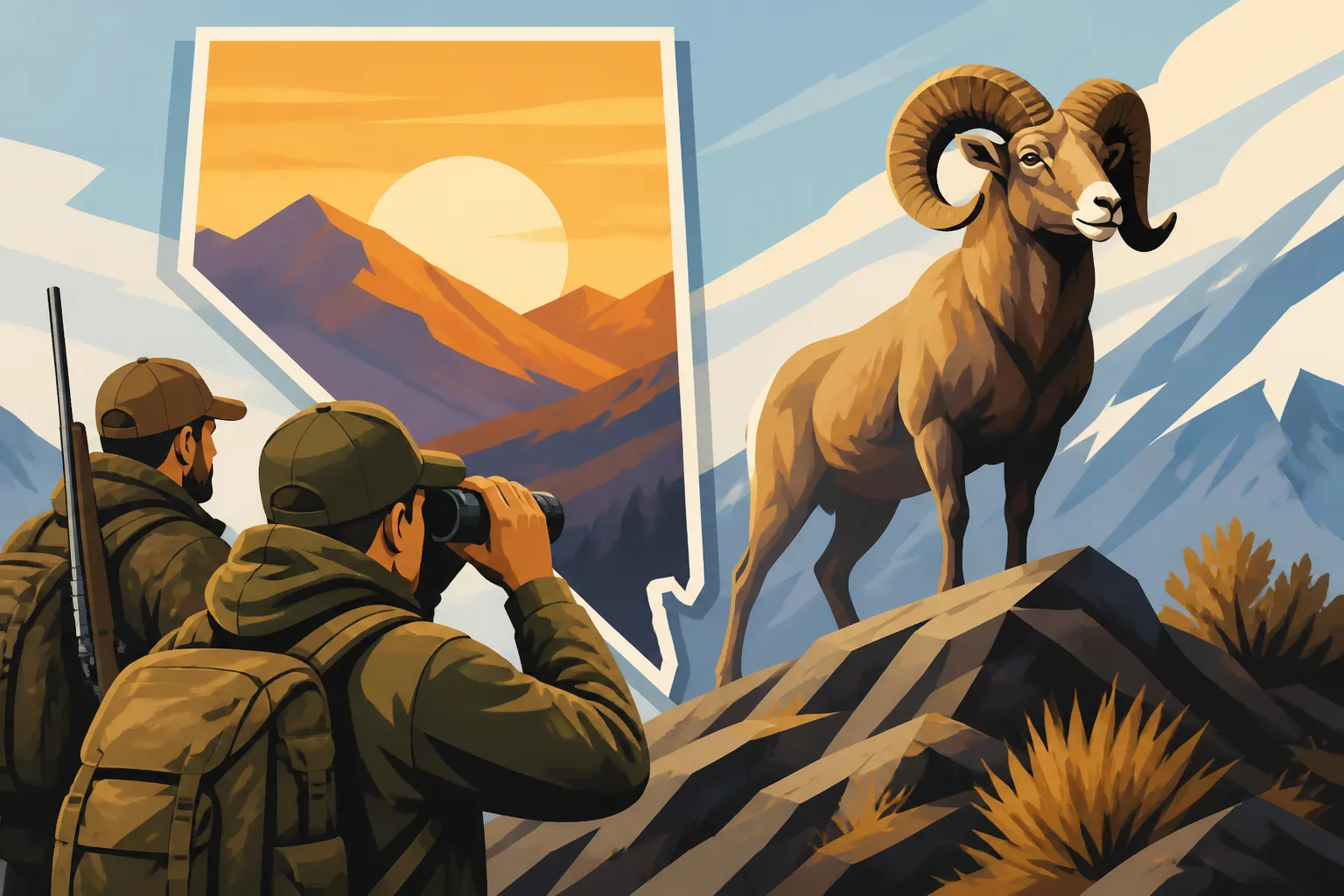
There's something inherently mystical about bighorn sheep. They live in places most people only glimpse from afar, their very presence a testament to resilience and wildness. For hunters, a Nevada bighorn tag represents the ultimate challenge and a profound connection to these incredible animals. Nevada is especially unique because it's home to all three subspecies found in the contiguous United States: the Desert bighorn, California bighorn, and Rocky Mountain bighorn. Each offers a slightly different adventure and distinct habitat, from the searing, rocky canyons of the south to the rugged, sagebrush-dotted mountains of the north.
The rarity of these tags, often with single-digit draw odds even for residents, makes securing one a monumental achievement in itself. For non-residents, the odds are even slimmer, amplifying the excitement and pressure once success is achieved. This isn't just another hunt; it's an expedition into vertical country, a test of will, and an opportunity to pursue an iconic animal that few ever get to chase. The trophy potential is certainly a draw, with Nevada consistently producing record-book rams, but for many, it's the profound experience and the privilege of being in sheep country that truly makes it the tag of a lifetime.
The Unique Challenges of Nevada Sheep Country
Nevada's diverse and often extreme landscapes pose formidable challenges for any hunter, but especially for those pursuing bighorn sheep. Sheep thrive in steep, rocky, and often high-elevation terrain, frequently far from roads or reliable water sources. This isn't flat-ground mule deer hunting; this is vertical living. Hunters must contend with dramatic elevation changes, navigating treacherous scree slopes, sheer rock faces, and seemingly endless canyons. The ground underfoot can be loose, jagged volcanic rock, or slick with dust and pebbles, demanding absolute concentration with every step.
Beyond the physical demands, the environmental conditions can be brutal. Temperatures can swing wildly from scorching desert heat during early seasons to freezing, wind-whipped conditions in the later hunts. Water, or rather the lack of it, is a constant concern, especially in the Desert bighorn units, making hydration and strategic planning around known water sources absolutely critical. Animals themselves are incredibly wary, with eyesight that rivals any optic you can bring. They blend seamlessly into their surroundings, making them notoriously difficult to spot, even with powerful glass. Their acute senses mean a slight breeze shift or a misplaced footfall can send them vanishing into the crags, turning a hard-won stalk into a bitter lesson in humility.
The Role of Expertise: Why Guides Are Almost a Necessity
Given the extraordinary challenges and the once-in-a-lifetime nature of a Nevada sheep tag, many hunters find that hiring a professional guide is not just a luxury, but almost a necessity. A seasoned Nevada sheep guide brings an unparalleled level of specialized knowledge to the hunt. They often spend countless hours year-round in these remote units, scouting, observing sheep movements, and understanding the nuances of the terrain and the animals' behavior. This deep familiarity with the specific unit, the location of key bedding areas, feeding grounds, and escape routes, is invaluable. They know which draws hold rams, which peaks offer the best glassing vantage points, and how the sheep react to different weather patterns or hunting pressure.
Furthermore, guides are experts in navigating the extreme conditions, providing crucial insights into safety, route planning, and physical conservation. They understand how to approach sheep silently in broken country, how to read thermals and unpredictable mountain winds, and how to execute a successful stalk when the moment arises. With a tag this precious, hunters want to maximize every single day in the field, and a guide's expertise dramatically increases the chances of success, often saving days of fruitless searching or dangerous mistakes. For many, the investment in a guide ensures that their hard-won tag doesn't go unfilled due to inexperience or misjudgment in such a challenging environment.
Finding Your Partner in the Pursuit: Vetting Nevada Sheep Guides
Once you've drawn that coveted Nevada sheep tag, the next critical step is finding the right guide. This isn't a decision to be taken lightly; your guide will be your partner in one of the most physically and mentally demanding hunts you'll ever undertake.
What Defines a Reputable Nevada Sheep Guide?
A reputable Nevada sheep guide isn't just someone who knows how to spot an animal; they are professionals who operate with integrity, extensive knowledge, and proper authorization. First and foremost, ensure they are fully licensed by the Nevada Department of Wildlife (NDOW). Nevada has specific requirements for guides, and a legitimate guide will be able to provide proof of their licensure. Beyond state requirements, most prime sheep hunting grounds in Nevada are on federal lands managed by the Bureau of Land Management (BLM) or the U.S. Forest Service. This means a guide must also possess the necessary federal permits for the specific units they operate in. These permits are often limited and demonstrate a guide's established presence and compliance with federal regulations.
Experience with bighorn sheep, specifically in Nevada and ideally within the unit you've drawn, is paramount. Ask about their history with the different subspecies – Desert, California, or Rocky Mountain – as each presents its own unique challenges. A strong reputation, backed by numerous references from satisfied clients, speaks volumes. You want a guide known for ethical practices, exceptional effort, and a realistic approach to hunting. Remember, a good guide's reputation is built on consistency and results, not just one lucky hunt. If you're looking for where to start your search, many states, including Nevada, often Where Nevada Lists Licensed Guides on their wildlife agency websites, which can be a valuable resource for cross-referencing.
Essential Questions to Ask Prospective Guides
Choosing a sheep guide is like interviewing a critical team member, and you should come prepared with a thorough list of questions. Don't be shy; this is a significant investment of time, money, and effort. Start with their success rates specifically on Nevada sheep, and ask for details – was it 100% opportunity or 100% harvest? How many clients drew tags in your unit in recent years, and what was their outcome? Ask for a list of at least three to five recent sheep clients you can contact as references. Speak to these references directly and ask probing questions about the guide's demeanor, physical capabilities, camp management, and overall honesty.
Dive into the logistics: What is their typical camp style for a sheep hunt? Are we talking wall tents with a cook, or minimalist spike camps, or something in between? What kind of food can you expect? How is transportation handled from the nearest town to the trailhead, and then in the field? Will you be riding horses, using ATVs, or primarily backpacking? What is their guide-to-hunter ratio? For sheep, often a 2-on-1 guide-to-hunter ratio is preferred, sometimes even 1-on-1 for truly remote or difficult units, allowing for more eyes on the mountain. Crucially, discuss contingency plans for unforeseen events: what happens if the weather turns dangerous, if someone gets injured, or if the ram you've been chasing vanishes? A good guide will have clear, well-rehearsed emergency protocols.
| Category | Questions to Ask | Why It Matters |
|---|---|---|
| Experience | How many sheep hunts have you guided in Nevada? Specific units? | Demonstrates expertise in the unique challenges of Nevada sheep and local knowledge. |
| What's your success rate on sheep? | While not everything, it indicates proficiency and realistic expectations. | |
| Logistics | What's a typical day look like? Camp style? Meals? | Understanding daily routine, comfort level, and physical demands. |
| How is transportation handled in the field? | Crucial for navigating remote terrain and covering ground efficiently. | |
| Safety & Ops | What are your emergency protocols? Medical certifications? | Paramount for peace of mind in dangerous, isolated environments. |
| What happens if weather grounds us or prevents access? | Knowing contingency plans ensures flexibility and safety. | |
| Contract & Fees | What's included and excluded in the price? Payment schedule? | Avoids hidden costs and misunderstandings about the total investment. |
| What's your cancellation/refund policy, especially if I don't draw? | Protects your financial investment if circumstances change. | |
| Client Support | Can I speak to past sheep clients? | Direct testimonials offer invaluable insight into their actual experience. |
| What gear do you recommend, and what should I bring/not bring? | Ensures you're properly equipped for the specific conditions and style of hunt. |
Recognizing Red Flags and Making an Informed Choice
As with any significant investment, watch out for red flags during your vetting process. Be wary of guides who make unrealistic promises about guaranteed success or exaggerate their harvest statistics. Sheep hunting is incredibly tough, and while a guide maximizes your chances, there are no guarantees in wild country. Vague answers to direct questions about their licenses, permits, or operational specifics should raise an eyebrow. A reputable guide will be transparent and proud of their credentials. Likewise, be cautious if a guide pressures you for a large upfront payment without a clear contract or seems unwilling to provide references. A professional outfitter understands the magnitude of this hunt and will patiently answer your questions.
Always insist on a written contract that clearly outlines all services, costs, payment schedules, cancellation policies, and liability waivers. This protects both you and the guide. Before signing anything, take the time to read every clause carefully, especially the refund policy should you fail to draw a tag in a subsequent year or if unforeseen circumstances arise. You can verify a guide's standing by contacting NDOW directly; knowing How to Verify a Nevada Guide License provides an important layer of security. Tools like BookYourHunt can also offer a platform for finding and comparing outfitters, often with client reviews and verified information, helping you narrow down reputable choices and get initial contact established. Don't let the excitement of drawing a tag rush you into a hasty decision; a well-vetted guide is key to a safe and successful experience.
The Investment: Costs Associated with a Guided Nevada Sheep Hunt
A Nevada bighorn sheep hunt isn't just a tag of a lifetime; for most, it's also the financial investment of a lifetime. The costs involved are substantial, far exceeding those of a typical deer or elk hunt, reflecting the extreme demands of the pursuit, the rarity of the tag, and the specialized expertise required.
Breaking Down the Price Tag: What to Expect
When budgeting for a guided Nevada sheep hunt, you're looking at several significant categories of expense. First, there's the cost of the tag itself, which for non-residents, can be a substantial upfront investment, often requiring the full tag fee to be paid if you are successful in the draw, in addition to non-refundable application fees. Residents typically pay a lower fee, but it's still significant. Beyond the tag, the guide fee constitutes the largest portion of the cost. These fees are considerably higher than for other species, reflecting the intense scouting, physical demands, specialized gear, and inherent difficulties of sheep hunting. While I can't give specific current prices, you should prepare for an expenditure that places it among the most expensive guided hunts in North America.
It's wise to consider the shape of the cost: very high. This isn't a weekend getaway. You'll also need to factor in your Nevada hunting license, which is a prerequisite for applying. Other expenses include transportation to Nevada, potentially chartering small planes or hiring specialized vehicles to reach remote trailheads, specialized gear (like high-end optics), taxidermy for your trophy, and potentially meat processing and shipping if you harvest an animal. Every single component adds up, and it's easy for the total sum to climb into numbers that require serious financial planning.
Understanding Inclusions and Exclusions
One of the most important discussions to have with your prospective guide is a crystal-clear understanding of what their fee includes and, just as critically, what it excludes. Typically, a guided sheep hunt fee will cover the services of the guide(s) for the duration of the hunt, food and non-alcoholic beverages while in camp, and often transportation from a designated meeting point (e.g., a local airport or nearby town) to the trailhead and within the hunting unit. It might also include lodging while in the field, whether that's a remote spike camp, a wall tent setup, or occasionally even a cabin, depending on the unit and outfitter style.
However, there's a long list of things that What Outfitter Prices Almost Never Include. This almost always starts with your actual hunting license and tag fees – those are always your responsibility. Beyond that, personal travel expenses to and from Nevada, pre- and post-hunt lodging in hotels, alcoholic beverages, specialized personal gear (such as high-end binoculars, rifles, or extreme weather clothing), and gratuities for your guide and any camp staff are typically not included. Taxidermy, meat processing, and shipping are also separate expenses. Some outfitters might have "trophy fees" for specific ram sizes, though this is less common with sheep given the rarity of the tag. Make sure your contract explicitly lists every item included and excluded to avoid any unpleasant surprises once you're in the field or after the hunt concludes. This is a conversation you need to have early and document thoroughly.
Financial Planning for the Hunt of a Lifetime
Given the monumental expense of a guided Nevada sheep hunt, robust financial planning is absolutely essential. This isn't a spur-of-the-moment trip; it's a long-term goal that requires dedicated savings. Many hunters begin saving the moment they decide they want to pursue a bighorn tag, knowing that the draw could take years or even decades. Consider setting up a specific savings account dedicated to this hunt. Some outfitters may offer payment plans for their guiding services, which can help spread the financial burden over time. It's crucial to understand these terms fully, including deposit schedules and final payment deadlines, especially in relation to when draw results are released. Booking Before Nevada Draw Results Post is a common practice, but ensure your deposit is refundable or transferable if you don't draw.
Beyond the guide and tag fees, budget for a significant contingency fund. Unexpected costs can arise: a flight delay, damaged gear, needing a specific piece of equipment quickly, or unforeseen travel expenses. Having a buffer ensures that these minor hiccups don't derail the hunt or create additional stress. Some hunters also look into hunt cancellation or travel insurance, especially for the non-refundable portions of their investment, to protect against unforeseen personal emergencies or circumstances that might prevent them from going. This hunt is a dream for many, and proper financial preparation ensures that the dream can be fully realized without undue financial strain. The Cost Expectations for a Nevada Sheep Hunt are high, but with careful planning, they can be managed.
Pre-Hunt Preparation: Beyond the Application
Drawing a Nevada sheep tag is just the first victory. The real preparation, physically and mentally, begins the moment you know you're going. This isn't a hunt you can walk into unprepared.
Physical and Mental Conditioning
Nevada's sheep country is relentless, and a guided hunt will still demand extreme physical exertion from you. You will be climbing steep, rocky slopes, covering miles at high altitudes, and navigating unpredictable terrain day after day. This is where your physical conditioning truly pays off. Start a rigorous training regimen months, if not a year, in advance. Focus on building cardiovascular endurance through activities like running, cycling, or stair climbing. Incorporate strength training, particularly for your legs, core, and back, as you'll be carrying heavy packs, rifles, and potentially parts of an animal.
Hiking with a weighted pack on uneven terrain is invaluable. Mimic the conditions you'll face: find the steepest trails you can, and practice ascending and descending with a pack loaded to the weight you expect to carry. Think about Preparing Physically for Long Glassing Days as well, which requires a strong back and core to maintain a steady position. Mental toughness is equally crucial. Sheep hunting often involves long, frustrating days of glassing with no animals, challenging weather, and the physical toll of the mountains. Develop resilience and patience, knowing that every step, every hour spent glassing, brings you closer to your goal. The mental game is just as vital as the physical one.
Gear for the Nevada Bighorn Hunter
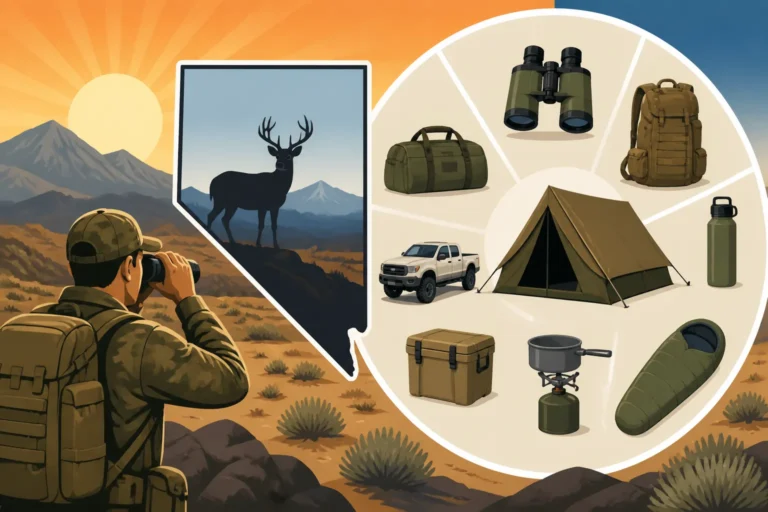
Your gear can make or break a sheep hunt. Every item needs to be lightweight, durable, and reliable in extreme conditions. High-quality optics are perhaps the most critical component. You'll spend an enormous amount of time behind glass, systematically picking apart mountainsides. A top-tier pair of 10x or 12x binoculars, often mounted on a tripod for stability, is a must. Even more essential is a powerful spotting scope, ideally 60-80x, paired with a sturdy, lightweight tripod. This setup allows you to identify sheep at extreme distances and spend hours judging rams without eye strain. Knowing the Spotting Scope Power for Open Country that works best for you is vital.
Layering is key for clothing. Nevada's mountains can deliver intense cold in the mornings and evenings, blistering sun at midday, and sudden wind or snow. Pack moisture-wicking base layers, insulating mid-layers (down or synthetic), and a bombproof waterproof/breathable outer shell. Your footwear must be exceptional: stiff, broken-in mountain boots with excellent ankle support and aggressive tread are non-negotiable for navigating scree and rock. Don't forget a quality backpack that can comfortably carry your daily essentials and potentially a heavy load of meat on the pack out. For your rifle, reliability and accuracy at extended ranges are paramount; practice shooting from various field positions, including steep angles, and ensure your optic is dialed in for potential long shots. Broadhead requirements for bowhunting bighorn sheep are strict, so ensure your archery setup complies with all regulations and is capable of ethical harvesting.
Logistics and Travel Planning
Even with a guide handling many of the in-field logistics, you'll have personal travel to coordinate. This includes booking flights, securing rental vehicles (often a high-clearance 4×4 is advisable for Nevada roads), and planning for any pre- or post-hunt overnight stays in towns. Communication in Nevada's vast, remote units is often nonexistent for cell service. A satellite communication device, such as an inReach or Zoleo, is highly recommended for personal use and can be a lifesaver for emergencies or simply checking in with family. Your guide will have their own communication plan, but personal devices add a layer of security.
Work closely with your guide on the exact meeting point and time. They'll advise on the best airport to fly into (often Reno or Las Vegas, but sometimes smaller regional airports like Elko, depending on your unit). Understand the vehicle requirements for reaching the trailhead or camp – some areas might require heavy-duty trucks or even ATV support. Be prepared for long drives on rough, unmaintained dirt roads once you leave the pavement. Planning for extra fuel and water for these stretches is crucial, as services can be hundreds of miles apart. A detailed travel itinerary shared with family or friends back home, including your guide's contact information, is a simple but important safety measure.
The Hunt Itself: Strategies and Experience
Once you're in Nevada's bighorn country, the real work and wonder of the hunt begin. It's a grueling, mentally challenging, and often awe-inspiring experience that tests every fiber of your being.
Glassing as the Cornerstone of Sheep Hunting
Bighorn sheep hunting is fundamentally a glassing game. You won't be still-hunting through timber or rattling in bucks. Instead, you'll spend countless hours, often from high vantage points, meticulously sweeping mountainsides with your binoculars and spotting scope. Patience is not just a virtue here; it's a prerequisite. Your guide will often pick a strategic point, set up a tripod, and begin systematically dissecting the landscape. You'll learn the importance of using a grid pattern, moving your glass in small, overlapping sections, looking for anything that seems "out of place" – a patch of lighter color, a horizontal line in a vertical world, a flicker of movement. This is similar to the method used for other Western species, but for sheep, the stakes are higher and the terrain more revealing, making careful observation paramount. You might even use techniques like Glassing Grids Across a Nevada Basin to ensure no piece of potential habitat is missed.
You'll be looking not just for sheep, but for parts of sheep – a horn tip, a patch of white rump, a shadow that doesn't quite fit the rock. Once an animal is spotted, the real test of patience begins: observing, identifying, and judging. Your guide will be invaluable in helping you distinguish rams from ewes, and more critically, judging the age and size of a ram to ensure it's a legal, mature animal. This takes time, often hours, as the animal may be bedded, obscured, or simply too far to properly assess. Your ability to remain focused, comfortable, and steady behind the glass for extended periods is absolutely critical to success.
Stalking and Shot Placement in Extreme Terrain
Once a suitable ram is spotted and identified, the next phase is the stalk – a grueling, often multi-hour endeavor that demands extreme stealth, physical stamina, and careful planning. Your guide will map out a route, using terrain features like draws, ridges, and rock formations to remain out of sight of the eagle-eyed sheep. This often means long detours, crawling on hands and knees, or navigating precarious slopes to get within shooting range. Reading the wind becomes absolutely critical in these unpredictable mountain environments; a slight shift can carry your scent directly to the sheep, ending the stalk instantly.
When the moment of truth arrives, shot placement is paramount. Sheep often present challenging shots, whether it's an extreme uphill or downhill angle, a long distance across a canyon, or a limited window in broken timber. You'll need to be calm, steady, and proficient with your rifle or bow under pressure. Practice shooting from various field positions – prone, kneeling, sitting, using a pack or shooting sticks – and be comfortable with angle compensation. Your guide will likely be right there, helping you range the animal, adjust for elevation and wind, and give the final call on the shot, ensuring you're doing everything possible to make a clean, ethical harvest on this once-in-a-lifetime animal.
Life in a Remote Sheep Camp
Life in a remote Nevada sheep camp is an experience in itself, stripping away the comforts of modern living and forcing you to connect deeply with the wilderness. Whether it's a sparse spike camp nestled among the rocks or a more comfortable wall tent setup with a dedicated cook, these camps become your temporary home in some of the most isolated places on earth. Expect minimalist living: basic amenities, shared spaces, and a focus on functionality over luxury. The importance of teamwork, respect for the environment, and a positive attitude cannot be overstated in these close quarters.
You'll quickly learn to appreciate the simple things – a hot meal after a long day, a clear night sky filled with stars, or the quiet camaraderie around a campfire. Your guide and any camp staff will handle the lion's share of camp duties, from cooking to keeping water flowing, but contributing where you can is always appreciated. Be prepared for all types of weather, as conditions can change rapidly. The isolation means you're relying entirely on your team and your own resilience. There will be moments of physical exhaustion and mental fatigue, but overcoming these challenges alongside your guide and fellow hunters forms a bond and creates memories that last a lifetime. This is where the true adventure unfolds, far from the paved roads and constant distractions of everyday life.
After the Harvest: Care, Compliance, and Memories
Bringing down a Nevada bighorn ram is an emotional, exhilarating moment – the culmination of years of dreaming and days of grueling effort. But the work isn't over. Proper field care, strict compliance with regulations, and preserving the memory are the next critical steps.
Field Care and Trophy Preservation
Once your ram is on the ground, the clock starts ticking, especially if hunting in warmer conditions common during early seasons. Your guide will be an expert in field care, but understanding the process is key. The priority is to properly field dress the animal quickly to cool the meat and prevent spoilage. This involves removing the internal organs efficiently. If the weather is warm, like an August archery hunt might be, you'll be focused on Field Dressing in August Heat and getting the meat cooled down as rapidly as possible, often by separating quarters and placing them in game bags in the shade or on cold ground.
For a sheep, the trophy is paramount, meaning careful caping of the hide for a shoulder or full-body mount. Your guide will demonstrate how to make the correct cuts to ensure the taxidermist has enough hide to work with, protecting the delicate hair and cape. The horns themselves are surprisingly robust, but protecting them from damage during transport is important. This meticulous field care ensures that both the meat is salvageable and the magnificent trophy can be properly preserved, serving as a lasting reminder of your incredible achievement.
Legal Requirements and Reporting
Nevada has specific and non-negotiable legal requirements after harvesting any big game, and sheep are no exception. The most immediate is tagging: your physical tag must be immediately and properly affixed to the animal. Your guide will ensure this is done correctly, but it's ultimately your responsibility as the hunter. Beyond tagging, there are often mandatory check-ins and reporting requirements. Nevada mandates Mandatory Reporting After a Nevada Harvest, and for a trophy species like bighorn, there may be additional steps, such as presenting the skull and horns to NDOW for official scoring and validation, sometimes within a specific timeframe or at a designated location. This ensures compliance, allows the state to collect vital harvest data, and verifies the legality of your ram.
Be aware of carcass transport rules, especially if there are any concerns about Chronic Wasting Disease (CWD) in certain regions (though CWD is not currently a widespread concern in Nevada sheep herds, it's always good to be informed). Your guide will be up-to-date on all the latest regulations, but it's always a good idea for you to familiarize yourself with the current Nevada big game regulations document. Adhering strictly to these rules protects both you and the resource, ensuring future generations have the same opportunity.
Cherishing the Experience and What Comes Next
While the physical animal is a tangible reward, the true trophy of a Nevada bighorn hunt is the experience itself. The days spent high in the mountains, the intense glassing sessions, the arduous stalks, the camaraderie with your guide, and the profound connection to wild country will forge lifelong memories. Take time to soak it all in, to photograph the landscape, your guide, and the magnificent ram you harvested.
After the initial excitement, the next steps typically involve getting your trophy to a taxidermist. Your guide can often provide recommendations for reputable taxidermists who specialize in bighorn sheep. If you harvested a ram, you'll be legally required to present the horns for official measurement and often for a permanent plug to be inserted by NDOW, ensuring proper record-keeping. The meat, if properly cared for, will provide excellent table fare and extend the enjoyment of your hunt long after you've left the mountains. This isn't just a hunt; it's a journey, and cherishing every aspect of it, from the draw to the dinner table, completes the "tag of a lifetime" narrative.
The Draw and Application Strategy
Successfully drawing a Nevada bighorn sheep tag is arguably the hardest part of the entire pursuit. The odds are astronomically low, making it a game of patience, strategy, and often, sheer luck. Understanding the application system is crucial for anyone dreaming of this hunt.
Understanding Nevada's Sheep Draw
Nevada operates on a bonus point system for its big game draws, including bighorn sheep. This system is designed to reward loyalty and persistence, though it doesn't guarantee a tag. Essentially, for every year you apply for a species and are unsuccessful, you earn a bonus point. When you apply again, your total accumulated bonus points are "squared" to determine your draw entries. For example, if you have 4 bonus points, they become 16 entries in the draw pool, plus one entry for your current application, totaling 17 chances. This unique "squared" system, explained in more detail in resources like How Nevada's Squared Bonus Point System Works, drastically increases the weight of accumulated points compared to a linear system.
However, even with squared points, the draw odds for bighorn sheep remain incredibly tough due to the extremely limited number of tags issued annually, especially for non-residents, who typically have a small percentage of the total tags allocated to them. Each sheep unit has different quotas, and some units are significantly harder to draw than others, often due to a reputation for producing large rams or offering more accessible terrain. Researching past draw odds for specific units is a critical step in developing your application strategy, though it's important to remember that draw odds can fluctuate year to year based on applicant numbers and tag quotas.
Leveraging Resources for Application Success
Navigating the complexities of the Nevada draw system and choosing the right units can be daunting, but there are excellent resources available to help. Platforms like GoHunt specialize in providing comprehensive draw odds, application strategies, and unit breakdowns for Western states. They offer detailed statistics on historical draw success, point creep, and harvest data, allowing you to make highly informed decisions about which units to apply for based on your accumulated points and desired hunt experience. While no service can guarantee a tag, these tools can significantly optimize your application strategy.
Many hunters also consult with experienced Nevada sheep guides even before they apply. These guides spend years, if not decades, in specific units and can offer invaluable insights into unit quality, sheep populations, and the physical demands of different areas. They can help you understand the nuances of various hunt codes and seasons, aligning your application choices with your physical capabilities and trophy goals. While you can't officially apply for a tag with a guide, their input during the research phase can be instrumental. Additionally, some hunters explore alternative ways to acquire a tag, such as through conservation tag auctions (Heritage Tags) or raffle programs (Dream Tags), which often include a guided hunt as part of the package, though these come with their own substantial costs.
The Wait and the Unexpected
After painstakingly researching units, submitting your application, and perhaps buying a bonus point if you didn't apply for a tag, the waiting game begins. The Nevada big game draw results typically land around the end of May, and the period leading up to that can be filled with anxiety and anticipation. For many, the result is the familiar disappointment of not drawing, reaffirming the long-term nature of this goal. When this happens, ensure you opt to buy a bonus point for the following year, which is a common practice for those dedicated to the sheep hunt dream.
However, for a fortunate few, draw results day brings elation. That's when the real planning kicks into high gear. This is also where your prior research into guides becomes invaluable. If you haven't already, now is the time to finalize a guide if you plan to use one. Some hunters will even make tentative arrangements or get on a guide's waiting list before results are out, knowing that popular guides book up quickly. Understanding a guide's refund policy if you fail to draw is crucial for these situations. While most of the time you’ll be buying a point only, those who do draw face the immediate, exhilarating challenge of preparing for the hunt of a lifetime.
Disclaimer
This article is for general informational purposes only and does not constitute professional advice. Laws, prices and regulations vary by location and change over time. Consult a qualified professional for guidance on your specific situation.