How Auction Tag Hunters Choose an Outfitter
Drawing one of Nevada's highly coveted auction tags is an incredible achievement, a true once-in-a-lifetime opportunity for many. But landing the tag is just the first step on the journey. The real challenge, and often the source of a lot of anxiety, is making sure you choose the right outfitter to help you maximize that unparalleled opportunity. This guide will walk you through the essential considerations and critical questions to ask when selecting a guide service for your incredibly valuable auction tag hunt.
Understanding the Unique Value of an Auction Tag
Let's be honest, an auction tag isn't just any hunting tag. It represents a significant investment, often a multi-year dream, and a chance at an experience that most hunters only read about in magazines. The process of choosing an outfitter for such a hunt demands a different level of scrutiny and a clearer understanding of what you're actually purchasing.
Why Auction Tags Are Different
When you secure an auction tag, whether it's for bighorn sheep, elk, or mule deer, you're not just getting a license to hunt; you're gaining access to an expanded season, often a broader unit choice, and sometimes even a statewide reach that regular draw tags simply don't offer. This flexibility is incredible, but it also means the stakes are higher. You've bypassed the years of applying, the frustrating near-misses, and the often-slim draw odds that many of us face every season. This tag is guaranteed, and its value, both monetary and experiential, is immense.
Think about the financial commitment alone. These tags can command serious bids, far beyond the cost of a standard over-the-counter or draw tag. That kind of investment means you're not just looking for "a guide"; you're looking for a partner who understands the gravity of the hunt and has the expertise to deliver an extraordinary experience. It's about more than just filling a tag; it's about pursuing a top-tier animal in an ethical and memorable way, a testament to the tag's premium status.
Maximizing the Opportunity
The goal with an auction tag isn't merely to harvest an animal. It's to realize the full potential of such a rare opportunity, often meaning targeting an exceptional, mature trophy. This shift in focus is precisely where a truly exceptional outfitter becomes indispensable. They bring logistical support, in-depth game knowledge, and access to areas that would be impossible for a DIY hunter to manage, especially if you're traveling from out of state or simply don't have years to scout a vast Nevada unit.
A skilled outfitter understands the pressure that comes with an auction tag. They should be equipped to handle extended hunt periods, adapt to changing conditions across large, diverse units, and dedicate themselves fully to the pursuit of a specific caliber of animal. This isn't just a business transaction; it's a collaboration aimed at creating a story and a memory worthy of the tag's distinction. The outfitter is there to leverage their experience and resources to turn your incredible tag into an unforgettable hunt.
Initial Steps in Researching Outfitters
Once that auction tag is in hand, the real work of finding your guiding partner begins. You can't just pick a name out of a hat; you need a methodical approach to ensure you're entrusting your hunt to the right professionals. This often starts with tapping into established networks and meticulously verifying credentials.
Leveraging Networks and Industry Resources
For hunters with auction tags, particularly for species like bighorn sheep or record-class elk, the first line of inquiry often isn't Google. It's personal connections. Start by reaching out to conservation organizations like the Wild Sheep Foundation, Rocky Mountain Elk Foundation, or Mule Deer Foundation. These groups are often involved in the tag auctions themselves and have deep networks of members and past auction tag winners who can offer invaluable referrals. Speak with other hunters who have purchased similar tags in Nevada or neighboring states; their experiences, both good and bad, are gold.
Online platforms like BookYourHunt or GoHunt can be useful for initial searches, providing lists of outfitters, but for an auction tag, they typically serve as a starting point, not the end-all-be-all. You'll want to dive much deeper than what a profile page might offer. Look for outfitters who actively support these conservation groups and are known within the high-end hunting community. Sometimes, these organizations will even have a list of recommended outfitters who have a proven track record with auction tags specifically.
Verifying Licenses and Permits
This step cannot be overstated. Nevada's vast landscape means a huge portion of hunting occurs on public lands—Bureau of Land Management (BLM) and Forest Service ground. Therefore, it's not enough for an outfitter to simply possess a state guide license. Nevada Guides Need Federal Permits on Top of a State License to legally operate on these federal lands. Without the proper federal permits, any hunt on public land conducted by an outfitter is illegal, and you, as the client, could face repercussions.
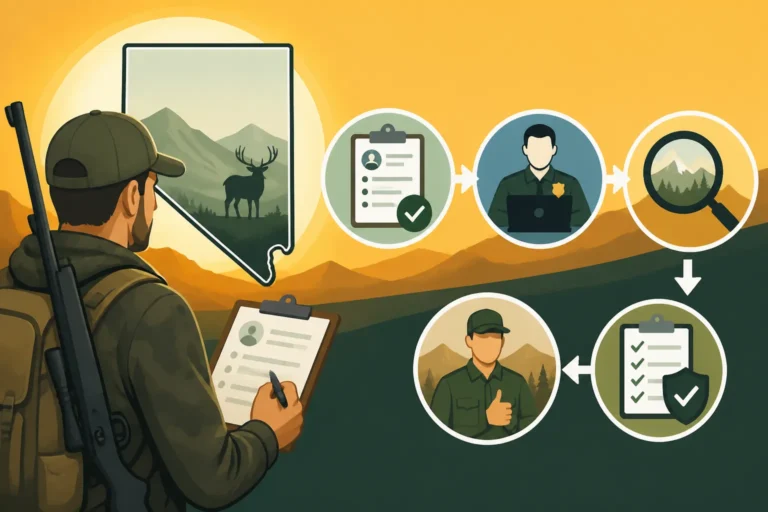
Here’s how to approach verification:
- State License: First, confirm the outfitter is licensed by the Nevada Department of Wildlife (NDOW). You can usually do this by checking NDOW's official website or contacting their licensing division directly. Ask the outfitter for their NDOW license number. How NDOW Licenses Guides and Outfitters is publicly available information you can cross-reference.
- Federal Permits: Next, inquire about their Special Recreation Permits (SRPs) from the appropriate federal land management agencies (BLM or Forest Service). These permits are issued for specific areas or districts. Ask the outfitter which BLM field offices or National Forests they hold permits for, and then contact those offices directly to verify. A reputable outfitter will be transparent and willing to provide this information, often even before you ask.
This due diligence protects both you and the outfitter, ensuring a legitimate and lawful operation.
| Permit Type | Issuing Authority | Covers | Typical Scope | Importance for Auction Tags |
|---|---|---|---|---|
| State Guide License | Nevada Dept. of Wildlife | Guiding services within Nevada | General oversight of guiding activity | Mandatory for all commercial guiding. |
| Federal Land Permit | BLM / US Forest Service | Commercial use of federal public lands | Specific units, districts, or ranges | Crucial for hunting on the majority of Nevada's terrain. |
Evaluating Experience and Specialization
An auction tag hunt isn't the time to hire a brand-new guide still learning the ropes. You need someone with a deep well of experience, especially with the unique demands and high expectations that come with such a special tag. Their track record and specific knowledge are paramount.
Track Record with Trophy Animals and Auction Tags
This is where you really need to drill down. Don't just ask about their general success rates; inquire specifically about their experience guiding hunters with auction tags or those pursuing truly world-class animals. There’s a distinct difference between guiding a hunter to a legal buck and guiding a hunter to a buck that defines a once-in-a-lifetime hunt. An outfitter who consistently guides high-end hunts understands the patience, effort, and strategic planning required.
Ask for references from past auction tag clients. These conversations are invaluable for understanding the outfitter's approach, their ability to handle pressure, and their dedication to exceeding expectations. Inquire about Outfitter Success Rates on Mule Deer or Outfitter Success Rates for Elk for hunts in the units you're considering, but always ask for details beyond just the percentage. How many opportunities were there? What was the average score? Did they deliver on the promise of a trophy animal? This level of detail will help you gauge if their definition of "success" aligns with yours.
Knowledge of the Specific Unit/Range
While an auction tag often grants incredible flexibility—sometimes even statewide access—a successful hunt still relies heavily on an outfitter's intimate knowledge of specific hunting areas. A Nevada auction tag might let you hunt across a huge swath of country, but an outfitter with deep, specific knowledge of certain Nevada hunt units and unit groups will be able to pinpoint the best areas and adapt to conditions.
You need an outfitter who can tell you, with confidence, about the historical patterns of game movement, the most productive glassing points, the prevailing wind currents in different canyons, and where animals retreat during various weather conditions. Ask about their pre-season scouting efforts: How much time do they personally spend in the field? What kind of intelligence do they gather on specific animals? What's their strategy for covering vast landscapes? Their ability to speak concretely about water sources, forage, and bedding areas will reveal their depth of knowledge. This level of granular detail is critical for such a high-stakes hunt, far beyond general regional familiarity.
Logistical Considerations and Contract Details
Beyond the guide's experience and reputation, the practical details of the hunt and the formal agreement that binds you are just as important. For an auction tag hunt, where the investment is so significant, you need absolute clarity on every aspect of the logistics and the terms of your contract.
Camp Setup, Staff, and Equipment
An auction tag hunt can be a long, demanding affair in remote Nevada country, so the logistical support needs to be top-notch. Start by understanding the camp setup: Will it be a comfortable base camp with amenities, or a more Spartan spike camp deep in the backcountry? What kind of food and catering can you expect? Comfort and good nutrition are critical for maintaining energy during long hunting days, especially when you're Preparing Physically for Long Glassing Days.
Equally important are the staffing ratios and equipment. For an auction tag hunt, many clients prefer a one-on-one guide-to-hunter ratio to maximize individual attention and flexibility. Ask if this is guaranteed, or if it might be a What a Two-on-One Guided Hunt Means, which typically involves two hunters sharing one guide. Inquire about the transportation in the field—are horses involved, ATVs, or are you primarily relying on foot? What kind of vehicles do they use, and what are their contingency plans for breakdowns in remote areas? What safety equipment do they carry, and what are their procedures for emergencies, including How Outfitters Plan Emergency Evacuations? Every detail matters when you're far from civilization. A professional outfitter will have robust plans for all contingencies.
Contract Review and Contingencies
This is the most critical step from a legal and financial standpoint. Never, ever sign an outfitter contract for an auction tag hunt without a thorough review. These hunts are a substantial investment, and the contract should clearly outline every detail, leaving no room for ambiguity.
Here are key elements to scrutinize:
- Inclusions and Exclusions: What exactly is covered in the price? What Outfitter Prices Almost Never Include often includes things like license fees, taxidermy, meat processing, gratuities, and sometimes even travel to and from the hunt area. Make sure every service, meal, lodging, and logistical support element is clearly itemized.
- Payment Schedule and Cancellation Policy: Understand when deposits are due, final payments, and what happens if you need to cancel or if the outfitter has to cancel for unforeseen reasons. Given the nature of auction tags, securing a refund or credit for a future hunt in such scenarios is a massive consideration.
- Guarantees and Expectations: While no ethical outfitter can guarantee a kill, they should be able to articulate what constitutes a "successful hunt" in their view and how they work to meet your trophy expectations.
- Liability and Waivers: Understand any liability waivers you're asked to sign. Consider consulting with an attorney for high-value contracts to ensure your interests are protected.
- Emergency Procedures: How are medical emergencies handled? What's the nearest medical facility? How will communications work in remote areas?
Don't be afraid to ask for clarifications or propose amendments. A reputable outfitter will appreciate your diligence and be transparent in their dealings. Platforms like GoHunt or BookYourHunt may offer resources or suggested contract clauses, but they aren't a substitute for a direct, detailed conversation with the outfitter and, if necessary, legal advice. This is your hunt of a lifetime; treat the contract with the seriousness it deserves. Being proactive in vetting your outfitter, as covered in Vetting a Nevada Outfitter Before You Send a Deposit, is key to a smooth and successful experience. Ultimately, the contract solidifies all the promises and ensures that the What a Fully Guided Nevada Elk Hunt Includes (or whatever species you're hunting) is exactly what you expect.
Disclaimer
This article is for general informational purposes only and does not constitute professional advice. Laws, prices and regulations vary by location and change over time. Consult a qualified professional for guidance on your specific situation.