Horseback and Pack String Outfitters
Hunting in Nevada often conjures images of vast, open country, and while that's certainly true, it can also lead to a common frustration: how do you get deep into those remote areas without exhausting yourself before the hunt even begins? This guide dives into the world of horseback and pack string outfitters in Nevada, exploring how these specialized services can unlock some of the state's most secluded and game-rich backcountry, offering an experience many hunters only dream of.
Understanding Horseback and Pack String Outfitters in Nevada
When we talk about horseback and pack string outfitters, we're not just discussing a casual trail ride; we're talking about a highly specialized service designed to transport hunters and their gear into rugged, often roadless terrain that would be incredibly difficult, if not impossible, to access on foot alone. Nevada, with its immense tracts of public land and designated wilderness areas, presents a unique challenge and opportunity for this kind of hunting. The sheer scale of the landscape means that getting off the beaten path isn't just a preference, it's often a necessity to find undisturbed game.
Defining the Service: More Than Just a Ride
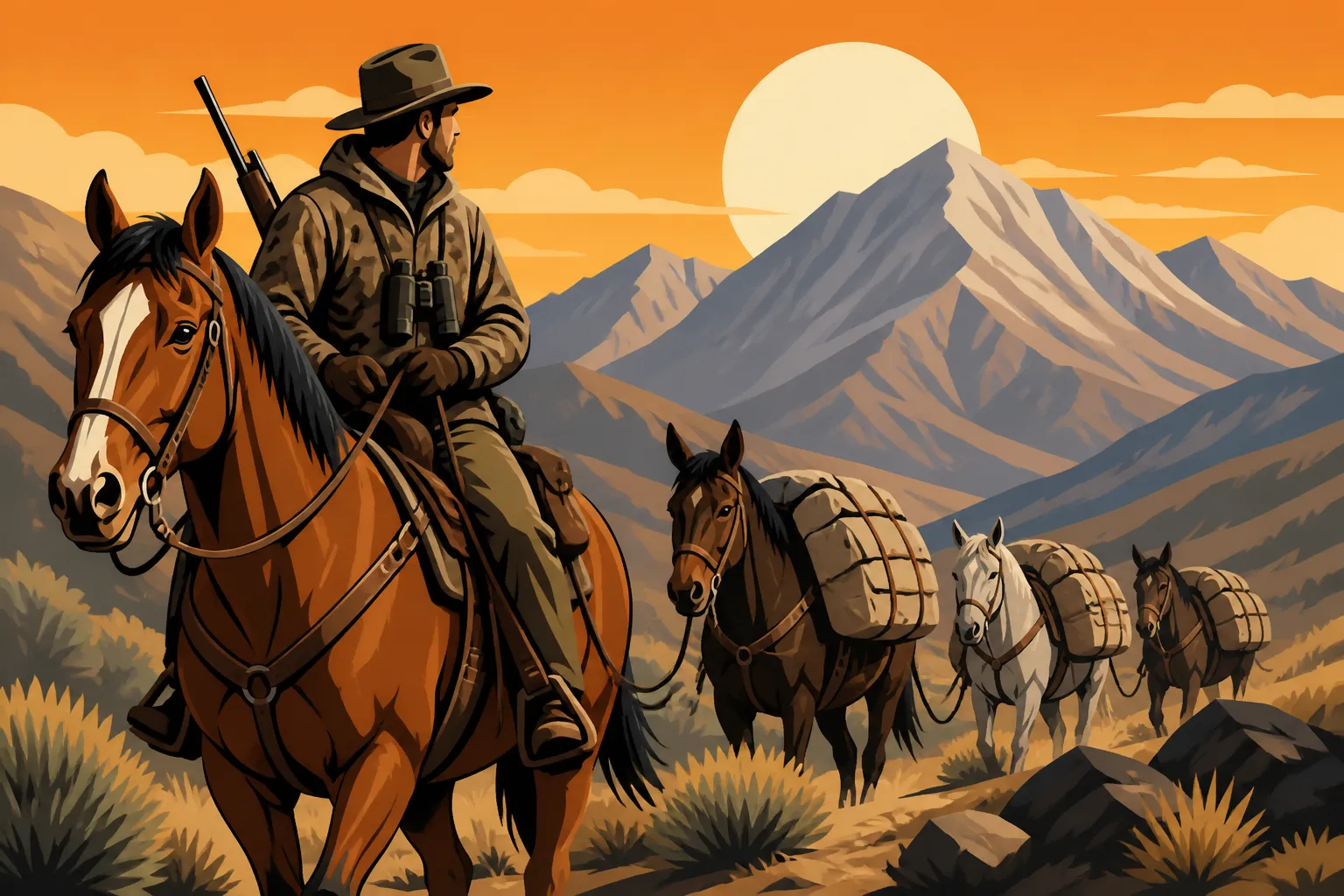
At its core, a horseback and pack string outfitter provides logistical support for a backcountry hunt. This means animals – typically horses for riding and mules for packing gear – are employed to carry hunters, their supplies, camping equipment, and, crucially, harvested game in and out of remote locations. It's an entire ecosystem of planning, animal husbandry, and intimate knowledge of the chosen hunt unit. This service bridges the gap between accessible trailheads and truly wild, unpressured hunting grounds, transforming a strenuous backpacking trip into a more efficient and comfortable expedition. It’s about leveraging the strength and endurance of these animals to extend your reach far beyond what your own two feet could manage.
Imagine trying to haul a week's worth of food, water, hunting gear, and a heavy wall tent into a remote basin miles from the nearest two-track. Now imagine doing that, then packing out a fully quartered mule deer or elk. That's where a pack string becomes invaluable. It's the silent workhorse behind many successful deep backcountry hunts, allowing hunters to focus their energy on the pursuit rather than the grueling logistics of ingress and egress. It also significantly cuts down on the physical toll of Packing an Animal Out of Roadless Country, a monumental task even for fit hunters.
Types of Pack Strings: Horses Versus Mules
While the terms are often used interchangeably, there's a distinction in the roles horses and mules play in a pack string. Both are incredibly capable animals for backcountry travel, but they each have their strengths.
Mules, known for their incredible strength, surefootedness, and calm demeanor, are the undisputed champions of carrying heavy loads. They are often the primary animals used to "pack" in supplies like food, water, tents, camp stoves, and eventually, the meat and antlers of a harvested animal. Their ability to navigate rocky, steep, and brushy terrain with heavy panniers strapped to their backs is legendary among backcountry hunters. They move with a deliberate pace, conserving energy and picking their way through difficult ground with an inherent wisdom.
Horses, on the other hand, are typically used for riding. While they can carry lighter packs, their primary role is to get hunters into the backcountry refreshed and ready to hunt. A good mountain horse can traverse steep trails, cross creeks, and cover many miles in a day, saving a hunter's legs for stalking and glassing. Some outfitters might use horses for both riding and packing, especially on shorter trips or with lighter loads, but for serious deep-country excursions, mules often handle the bulk of the packing duties. The choice often comes down to the terrain, the amount of gear, and the outfitter's specific experience and animal stock.
The Nevada Context: Accessing Vast, Roadless Areas
Nevada is a land of superlatives when it comes to open space. It's known as Nevada Is the Most Federally Owned State in the Lower 48, meaning an incredible amount of terrain is accessible to the public. However, "accessible" doesn't always mean "easy to get to." Much of this federal land, particularly in the state's mountain ranges and designated wilderness areas, is roadless. This is precisely where horseback and pack string outfitters shine.
The Basin and Range topography, characterized by north-south running mountain ranges separated by expansive valleys, creates immense tracts of wild country. While many major roads follow the valley floors, the mountain interiors remain largely untouched by motorized travel. For species like mule deer and elk, which often seek refuge in these remote, rugged pockets, a pack string provides the only practical way to pursue them effectively. Whether you're targeting big bulls in the high country or elusive bucks far from any trail, a pack string allows you to penetrate these remote areas, establish a comfortable camp, and hunt with a renewed vigor that simply isn't possible when you've hiked in all your supplies on your back. Wilderness and Wilderness Study Areas Across Nevada are prime examples of where this service is not just helpful, but often essential.
Why Choose a Horseback or Pack String Hunt in Nevada?
The decision to embark on a horseback or pack string hunt is often driven by a desire for a deeper, more immersive backcountry experience and the practical realities of hunting Nevada's vast and often challenging terrain. It's an investment in access, efficiency, and a connection to hunting traditions that predate motorized vehicles.
Accessing Remote Wilderness and Unpressured Game
One of the most compelling reasons to utilize a pack string outfitter in Nevada is the unparalleled access it provides to truly remote wilderness. Many of Nevada's prime hunting units contain extensive areas with limited road infrastructure or outright wilderness designations. These are the places where mature animals often thrive, having learned to avoid areas of high human activity. Hiking in can be an option for some, but it inherently limits the amount of gear you can carry, the duration of your stay, and your ability to pack out a large animal.
With horses and mules, an outfitter can establish a comfortable base camp miles from any road or trailhead, allowing you to wake up in the heart of prime hunting country. This dramatically reduces the time and energy spent simply getting to and from hunting grounds each day. By reaching these secluded pockets, you significantly increase your chances of encountering less pressured animals that haven't been pushed around by other hunters. It’s about getting beyond the crowds, beyond the easy-access spots, and into the true wild.
Covering Vast Distances Efficiently
Nevada's hunting units are enormous. The sheer scale of the landscape means that covering ground is a constant challenge. Whether you're glassing from a ridge top or stalking across a sagebrush flat, distance management is key. A horseback hunt allows you to cover far more ground each day, both getting to your hunting area and moving between glassing points, than you ever could on foot. This efficiency is critical in a state where game populations can be spread out across immense territories.
Imagine riding several miles each morning to a prime glassing ridge, rather than hiking it, saving your legs for the actual stalk. Or covering multiple basins in a day on horseback to locate sign or spot animals, rather than dedicating an entire day to just one. This conserved energy translates directly into more effective hunting hours. After a long ride, you’ll be more physically prepared for Preparing Physically for Long Glassing Days and making that crucial stalk when the opportunity arises. The animals act as your transport, leaving you fresh and focused when it truly matters.
The Authentic Backcountry Experience
Beyond the practical advantages, a horseback and pack string hunt offers an authentic backcountry experience that connects you to the historical roots of hunting in the American West. There's something inherently powerful about moving through wild country on horseback, much like the frontiersmen and early explorers did. The rhythm of the trail, the smell of pine and sage, and the quiet clip-clop of hooves immerse you in the environment in a way that a truck or ATV simply cannot.
These hunts often involve camping in wall tents under star-filled skies, cooking over open fires, and disconnecting entirely from the hustle and bustle of modern life. It’s an opportunity for deep camaraderie with your hunting partners and guides, sharing stories around the campfire and experiencing the wild together. This immersive experience, far from any road or town, fosters a profound appreciation for the wilderness and the animals that inhabit it. It's not just about the harvest; it's about the journey, the challenge, and the unforgettable memories forged in the heart of Nevada's backcountry.
What to Expect on a Guided Pack String Hunt
Deciding to go with a horseback or pack string outfitter means entrusting a significant part of your hunt to their expertise. Understanding what to expect, from camp logistics to hunting strategies, will help you prepare and ensure a more enjoyable and successful experience. These are not typically "roughing it" hunts in the extreme sense, but they are certainly rustic and rely heavily on the outfitter's backcountry acumen.
Camp Logistics and Comfort in the Backcountry
Outfitters specializing in pack strings are experts at setting up comfortable, functional camps in remote locations. The type of camp can vary depending on the outfitter and the duration/style of the hunt.
Most often, you'll encounter a main base camp that is packed in at the beginning of the hunt. This camp usually features large wall tents, often equipped with wood stoves for warmth, comfortable cots, and designated cooking/dining areas. This is your home away from home, providing shelter from the elements and a place to relax and recharge after a long day of hunting. These camps are usually well-appointed with cooking gear, ample food, and sometimes even a shower system, all brought in by the pack string. The goal is to provide enough comfort that you're well-rested and ready to hunt hard each day, without sacrificing the backcountry feel.
Some outfitters also utilize spike camps, which are smaller, more primitive satellite camps set up closer to specific hunting areas. These might involve smaller tents, minimal gear, and freeze-dried meals, allowing hunters to stay out for a day or two without returning to the main camp. This flexibility can be a huge advantage when pursuing game that has moved into a distant drainage or during intense periods like the elk rut. Regardless of the camp style, expect to be living communally, sharing stories, and enjoying hearty meals prepared by the camp cook, all orchestrated by the outfitter and their experienced crew.
Guide-Client Interaction and Support
Your guide is not just a trail boss; they are your hunting partner, your animal handler, your navigator, and often, your camp host. On a guided pack string hunt, you'll have constant interaction with your guide and the rest of the outfitter's team. They are responsible for every aspect of the trip, from leading the horses and mules safely through challenging terrain to spotting game and assisting with the stalk and recovery.
Safety is paramount, especially when working with animals in rugged country. Your guide will provide instruction on how to ride safely, how to handle your horse, and what to do in various situations. They are intimately familiar with the hunt unit, its topography, and the game movements within it. They’ll be the ones interpreting sign, planning the day's hunt, and making decisions about where to go and how to approach an animal. They carry essential gear for emergencies and field care, and they know the area like the back of their hand. What a Nevada Guide Carries in the Truck often includes emergency supplies, first aid, and repair kits, but for a pack string hunt, a lot of that gear will be on horseback with them. Their experience and local knowledge are invaluable in maximizing your chances of success and ensuring a safe, enjoyable experience.
Hunting Strategies Employed with Horsepower
While the horses and mules are primarily for transport, their presence often influences the hunting strategies employed. The ability to cover vast distances means you can effectively hunt multiple drainages or basins in a single day. Guides will typically lead you to prime glassing points each morning, allowing you to use high-quality optics to scan the landscape for game. Once an animal is spotted, the horses can often be used to close a significant portion of the distance, dropping you off at a strategic point from which to begin a final stalk on foot.
This approach saves your energy, making you a more effective hunter when it counts. It also allows for flexibility; if one area isn't producing, you can quickly move to another. For larger game like elk or big mule deer, the ability to pack out an animal quickly and efficiently is a major consideration. The guide will handle the field dressing, quartering, and loading of the animal onto the pack mules, ensuring the meat is cared for properly and brought back to camp. This logistical advantage means you can hunt deeper and harder, knowing that the challenging work of extraction is well within the outfitter's capabilities.
Planning Your Pack String Adventure
A successful horseback and pack string hunt in Nevada requires careful planning and preparation on your part. It's not just about showing up; it's about being physically ready, having the right gear, and communicating effectively with your outfitter. This attention to detail will ensure you get the most out of your backcountry experience.
Physical and Riding Preparation
While horses do much of the heavy lifting, a pack string hunt is far from a sedentary vacation. You'll be riding for hours each day, often over uneven terrain. Good physical conditioning is essential. This means focusing on core strength, leg endurance, and overall cardiovascular fitness. Even if you're not hiking miles on foot, sitting in a saddle for extended periods requires stamina. Think about building up to Preparing Physically for Long Glassing Days – many of those days will start and end on horseback.
If you don't have extensive riding experience, it's highly recommended to take a few lessons or at least spend some time on horseback before your hunt. Getting comfortable in the saddle, learning basic cues, and understanding how to maintain your balance will make the trip much more enjoyable and safer. You'll want to be able to relax on the horse, not constantly fight it, so you can focus on the hunt itself. Your outfitter will provide a well-trained mountain horse, but a basic level of riding competency from you will go a long way.
Essential Gear and Packing Considerations
Outfitters will provide a detailed gear list, and it's crucial to stick to it. Pack space and weight are often limited, as everything must fit into panniers and be carried by the mules. Focus on essential, multi-purpose items. Quality layering clothing is critical for Nevada's unpredictable weather, which can swing from warm sunny days to cold, windy, and even snowy conditions, sometimes all in the same day. Consider robust rain gear, warm insulating layers, and comfortable, broken-in hiking boots for when you are off the horse.
When packing, think about compressed, lightweight items. A good sleeping bag rated for colder temperatures than you expect is a wise choice. A high-quality backpack for day hunts, optics (binoculars, spotting scope, rangefinder), and your hunting weapon are obvious necessities. Don't forget personal items, toiletries, and any necessary medications. Your outfitter will specify weight limits for your personal gear, so be mindful not to overpack. Remember, every ounce adds up for the pack mules.
Booking and Communication with Your Outfitter
The booking process for a quality pack string outfitter, especially for premier species like elk or bighorn sheep, often begins well in advance. Many top outfitters book out years in advance, particularly for coveted draw tags. Platforms like BookYourHunt or GoHunt can be excellent starting points for researching and comparing outfitters, though direct communication is key.
Once you've identified potential outfitters, engage in thorough communication. Ask plenty of questions about their experience, the specific hunt unit, what's included and not included in the price, camp setup, animal care, and emergency procedures. Understand their cancellation policy and what happens if you fail to draw a tag. Questions Worth Asking Before You Book should cover everything from the guide-to-client ratio to the type of food served. Be upfront about your physical capabilities, riding experience, and hunting goals. This open dialogue ensures that expectations are aligned on both sides, leading to a smoother, more enjoyable hunt. Remember, your outfitter is not just a service provider; they are a critical partner in your backcountry adventure.
Understanding the Costs of a Pack String Hunt
Investing in a horseback and pack string hunt is a significant financial decision, and it's important to have a clear understanding of all associated costs. While seemingly expensive, the value derived from accessing remote country and having expert logistical support often justifies the price for many hunters.
Breaking Down the Price Tag: What's Included and What's Extra
The sticker price for a guided pack string hunt typically covers a comprehensive package designed to get you into the backcountry and back out safely. This usually includes the services of experienced guides, the use of horses for riding and mules for packing, all camp equipment (tents, cots, cooking gear, etc.), and all meals during the hunt. Some outfitters might also include basic field processing of your animal.
However, it's crucial to understand what's not included, as these "extras" can add up quickly. Common exclusions are:
- Hunting License and Tags: You are responsible for applying for and securing your own Nevada hunting license and species-specific tags. These costs are separate and can be substantial, especially for non-residents. The All-In Price of a Nevada Nonresident Deer Tag or the all-in price of a Nevada nonresident elk tag can be found on the state's wildlife department website.
- Travel Costs: Getting to the outfitter's rendezvous point (e.g., a specific trailhead or nearby town) is your responsibility.
- Personal Gear: Your rifle/bow, ammunition, clothing, sleeping bag, and other personal items are not provided.
- Meat Processing and Shipping: After your animal is back at the trailhead, you'll need to arrange for professional meat processing, taxidermy, and shipping of meat or trophies, which can be significant expenses.
- Gratuities: Tipping your guides and camp staff is customary and expected. This is a significant part of their income and should be factored into your budget.
- Accommodation Before/After Hunt: If you need to arrive early or stay late, hotels or motels before and after the actual hunt dates are typically your expense.
Always get a detailed written contract from the outfitter that clearly itemizes what is and isn't included.
The Value of Remote Access and Expert Support
While the cost might seem high, consider the value proposition. A pack string outfitter provides access to areas that would otherwise be unattainable for most hunters. They eliminate countless hours of strenuous packing, allowing you to focus your energy on hunting. This level of logistical support and expertise is invaluable in challenging backcountry environments.
For many, the cost isn't just for a hunt; it's for an experience – an opportunity to pursue trophy animals in true wilderness, supported by professionals who handle all the arduous details. The expertise of guides who know the terrain, the game, and the behavior of the animals dramatically increases your chances of a successful hunt. This isn't just about bagging an animal; it's about the entire adventure, the immersion in the wild, and the peace of mind that comes from being in capable hands in remote country. Comparing What a Nevada Drop Camp Costs versus a fully guided pack string hunt can sometimes illuminate the differences in services and, consequently, price.
Deposits and Cancellation Policies
Outfitters typically require a substantial deposit to secure your booking, often 50% or more of the total hunt cost. The remaining balance is usually due a set period before the hunt begins. It's imperative to thoroughly review the outfitter's cancellation and refund policy. Reading the Cancellation and Refund Terms is not a suggestion, it's a necessity.
These policies can vary widely. Some outfitters may offer a full refund if you cancel far enough in advance, while others may retain a portion of the deposit regardless. A common scenario for draw states like Nevada is what happens if you fail to draw a tag. Many reputable outfitters will offer to roll your deposit over to the following year or refund a portion if you don't draw, but this is not guaranteed and must be explicitly stated in the contract. Trip insurance is highly recommended for any significant hunting investment, especially for draw hunts, as it can protect your financial outlay in case of unforeseen circumstances that prevent you from hunting.
Selecting the Right Horseback and Pack String Outfitter
Choosing the right outfitter is perhaps the most critical decision you'll make for your pack string hunt. It can make the difference between a once-in-a-lifetime experience and a frustrating, even dangerous, one. Do your homework, ask the tough questions, and don't rush the process.
Researching Reputable Guides and Licenses
Start your research by looking for outfitters with a proven track record specifically in Nevada's backcountry and with pack string operations. The Nevada Department of Wildlife (NDOW) licenses guides and outfitters, and it's essential to verify that any outfitter you consider is properly licensed. You can often find a list of licensed professionals on the NDOW website or by contacting their offices. Where Nevada Lists Licensed Guides is a good starting point.
Beyond state licensing, inquire about federal land permits. Since most of Nevada's prime hunting ground is federal land (BLM, National Forest), outfitters must also hold special use permits from the appropriate federal agencies (e.g., BLM, US Forest Service) to operate on that land. These permits demonstrate that they meet certain standards and are authorized to conduct business in those areas. Ask for references, and don't just speak to the ones the outfitter provides; try to find independent reviews or contact past clients through hunting forums or social media.
Vetting Their Experience and Expertise
Look for an outfitter whose experience aligns with your specific hunt goals. If you're targeting elk in the high country, ensure they have extensive experience with elk hunting and the specific challenges of that terrain. Ask about their animals: are they well-trained mountain horses and mules? How do they handle emergencies involving animals or clients?
Their knowledge of the specific hunt unit is also paramount. A good outfitter will be able to discuss the unit's topography, game movements, typical weather patterns, and where they typically establish camp. They should be transparent about their success rates, acknowledging that hunting involves many variables beyond their control. Also, inquire about the experience level of their guides. While the owner might be highly experienced, you'll likely spend most of your time with one of their lead guides. A good outfitter will have a team of experienced, knowledgeable, and personable guides who are also competent horsemen and backcountry survivalists.
Matching Your Expectations and Communication Style
Finally, consider the "fit" between you and the outfitter. Are they responsive to your inquiries? Do they communicate clearly and openly? Do their hunt style and philosophy align with yours? Some outfitters run very physically demanding hunts, while others cater to a more relaxed pace. Some prioritize trophy animals above all else, while others emphasize the overall experience.
Be honest with yourself about your physical capabilities, hunting experience, and what you truly want out of the hunt. If you're a novice hunter with limited riding experience, make sure the outfitter is prepared to accommodate that. If you're a seasoned veteran looking for a specific type of challenge, ensure they can deliver. You can leverage platforms like GoHunt to e-scout units and then discuss your findings with potential outfitters, demonstrating your preparation and allowing them to assess if their services are a good match for your specific interests. Clear communication upfront about your expectations and their capabilities will ensure a positive and memorable horseback and pack string hunting adventure in Nevada's incredible backcountry.
| Feature | DIY Backcountry Hunt (Hiking In) | Guided Horseback/Pack String Hunt |
|---|---|---|
| Access to Remote Areas | Limited by physical endurance & pack weight | Extensive; deep penetration into roadless areas |
| Physical Exertion | Very high (hiking, carrying heavy pack) | Moderate (riding, stalking); legs saved for hunt |
| Gear & Logistics | All hunter's responsibility; minimal comfort | Outfitter handles most camp gear; more comfort |
| Game Retrieval | Extremely difficult for large animals | Handled by outfitter's pack string |
| Local Knowledge | Requires extensive personal scouting & research | Provided by experienced guides |
| Cost | Lower upfront (license, gear) | Higher upfront (outfitter fee, license, gear) |
| Safety & Support | Solely hunter's responsibility | Outfitter provides expert guidance & emergency plans |
| Comfort Level | Basic, minimal | Rustic but comfortable camp setup |
Disclaimer
This article is for general informational purposes only and does not constitute professional advice. Laws, prices and regulations vary by location and change over time. Consult a qualified professional for guidance on your specific situation.