What a Nevada Drop Camp Costs
Dreaming of a truly wild Nevada hunting adventure, one where you're dropped deep into the backcountry, far from the crowds, with nothing but your gear and the vast wilderness? It's an incredible vision, but the reality for many hunters is the pressing question of cost. Planning a hunt, especially one as logistically complex as a drop camp, can feel overwhelming when you're trying to budget. This guide is here to unravel the often-confusing world of Nevada drop camp pricing, helping you understand what you're actually paying for and what to expect when planning that ultimate, self-reliant backcountry experience.
What Exactly Is a Nevada Drop Camp?
Before we dive into the nitty-gritty of costs, let's make sure we're all on the same page about what a drop camp entails in the context of Nevada hunting. It's not a fully guided experience where an outfitter is with you every step of the way, calling game, tracking, and leading you to your kill. Instead, a drop camp is the perfect hybrid for the hunter who craves independence but needs help with the biggest logistical hurdle: getting deep into roadless, often difficult terrain with all their gear and supplies, and then getting their harvest out.
The Self-Reliance Foundation of a Drop Camp
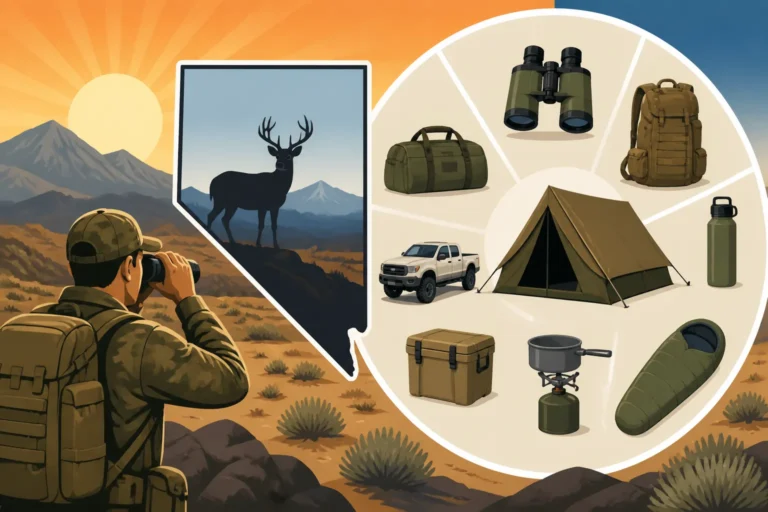
At its heart, a drop camp is about enabling your self-reliance. You're bringing your own hunting expertise, your own camp setup, your own food, and making all your own decisions in the field. The outfitter's role is primarily logistical support. Think of them as your backcountry taxi service and supply chain manager. They're getting you and your equipment to a pre-arranged, remote location, often accessible only by horse, mule, or sometimes ATV in permitted areas, and then picking you up at the end of your hunt. This freedom from packing in all your gear on your back, or the ability to reach country vehicles can't touch, is precisely why so many hunters opt for this setup.
The terrain in Nevada can be incredibly rugged and vast. We're talking about huge expanses of sagebrush and juniper, steep mountains, and deep canyons, all far from paved roads. Without the assistance of horses or specialized vehicles, many prime hunting areas would be effectively unreachable for all but the most hardcore backpack hunters carrying minimal gear. A drop camp bridges that gap, putting you on promising ground without the weeks of grueling physical prep required to backpack in a full camp for an extended stay. It allows you to focus on the hunting itself, rather than the sheer effort of transportation.
Differentiating From Other Hunt Styles
It's crucial to understand that a drop camp sits squarely between a do-it-yourself (DIY) backpack hunt and a fully guided hunt. With a DIY hunt, you're responsible for literally everything: researching the unit, finding access, packing in all your gear, setting up camp, hunting, field dressing, and packing out your animal yourself. A drop camp removes the physical burden of the initial pack-in and the final pack-out of a harvested animal.
On the other hand, a fully guided hunt offers a completely different level of service. With a guided hunt, an experienced professional accompanies you daily, provides food, lodging, transportation, expertise in locating game, field dressing, and usually all the heavy lifting for packing out your animal. The guide's knowledge of the area and animal behavior is a major part of the service. A drop camp outfitter might offer some initial insights into the area they're dropping you into, perhaps recent game sightings or water sources, but their primary job isn't to guide your actual hunt. This distinction is vital when considering the difference in price; you're paying for access and logistics, not daily guiding expertise. Many hunters find this balance perfect: they want the challenge of hunting on their own terms but appreciate the strategic advantage of being inserted into truly remote country.
The Core Components of Drop Camp Pricing in Nevada
When you're looking at what a Nevada drop camp costs, you're essentially paying for an outfitter's expertise, their specialized equipment, and their labor. This isn't a simple taxi fare; it's a full logistical operation that requires significant investment from the outfitter. Understanding these core components will help you appreciate the price tags you'll encounter.
Outfitter Services and Equipment Rental
The bulk of your drop camp cost goes directly to the outfitter for their services. This includes their time, knowledge of the terrain, and the use of their pack animals (horses, mules) or specialized vehicles (like UTVs that can navigate rough trails where permitted). They have to maintain these animals, train them, feed them year-round, and keep their equipment (pack saddles, panniers, tack) in top condition. Beyond the animals, they're often providing some level of camp infrastructure. This could be as simple as a designated spot, or as elaborate as a pre-set wall tent with cots, a wood stove, and cooking amenities.
The outfitter also brings invaluable experience. They know the remote routes, the best places to establish a camp that offers water and protection from the elements, and how to safely navigate the sometimes-treacherous Nevada backcountry. Their knowledge ensures you get to your desired location safely and that your gear arrives intact. Without this expertise, many hunters would struggle to even find a suitable spot, let alone access it. Platforms like BookYourHunt can be a good starting point to find outfitters offering drop camp services and compare what's included in their packages.
Duration of the Hunt and Group Size
The length of your hunt is a major factor in the overall cost. Outfitters typically charge per day for drop camp services. A longer hunt means more days the outfitter's animals and team are committed to your trip, even if they're not physically present. It also means more wear and tear on their equipment and more resources allocated. A standard drop camp might be for 5 to 7 days, but if you want to extend that to 10 or 14 days, expect the price to increase proportionally.
Group size also plays a significant role. Most outfitters have a minimum charge for a drop camp, even for a single hunter. However, the cost per person often decreases as you add more hunters to your group, up to a certain point. This is because the outfitter can spread the fixed costs (like the initial ride in, or setting up a larger camp) across multiple clients. Always ask for pricing based on your anticipated group size. A larger group might mean slightly more gear to pack, but the efficiency of the outfitter's operation generally benefits from more clients sharing the logistical burden. Knowing your group size upfront helps the outfitter plan their resources and gives you a clearer cost estimate.
Here’s a look at typical inclusions and exclusions you might find with Nevada drop camp services:
| Feature | Basic Drop Camp | Enhanced Drop Camp |
|---|---|---|
| Inclusions | Pack-in & Pack-out of hunter & gear | Pack-in & Pack-out of hunter & gear |
| Assistance with first game retrieval (e.g., one animal) | Assistance with all game retrieval (within reason) | |
| Tent frame setup | Wall tent(s) set up with wood stove | |
| Water source nearby (natural or cached) | Water hauled to camp, filtration system | |
| Potential Inclusions | Basic cooking area | Full kitchen setup (stove, basic utensils) |
| Communication check-ins | Satellite communication device provided | |
| Basic orientation of area, game sign | Detailed map review, recent game activity reports | |
| Canned food cache | Limited food/supply re-supply mid-hunt | |
| Exclusions (Typically) | Personal hunting gear, rifle/bow | Personal hunting gear, rifle/bow |
| All personal food | Personal food (unless specified as add-on) | |
| Sleeping bags, pads, personal hygiene | Sleeping bags, pads, personal hygiene | |
| Guiding services during the hunt | Guiding services during the hunt | |
| Field dressing of animal | Field dressing of animal | |
| Meat processing, taxidermy, shipping | Meat processing, taxidermy, shipping | |
| Gratuities for outfitter/staff | Gratuities for outfitter/staff |
Remember, every outfitter is different, so it's critical to clarify exactly what your chosen package includes. Don't assume anything!
Permits and Licenses
While the outfitter handles their own operational permits for federal lands, you, as the hunter, are still responsible for all your individual hunting permits and licenses. This includes your Nevada hunting license, the tag for the specific species you're pursuing (deer, elk, antelope, etc.), and any required stamps or endorsements. The cost of these can be substantial, especially for non-residents. For example, A Nonresident Nevada Elk Tag Runs $1,200, which is a significant upfront investment even before outfitter fees.
It's also important to factor in application fees if you're participating in the Nevada draw. Nevada’s application process for coveted tags can be complex, and while you might be applying for years before drawing a premium tag, each application often carries a non-refundable fee. Understanding Nevada Applications Run March 23 to May 13 gives you a timeline for when these costs typically come into play. These are costs separate from the drop camp, but essential to the overall hunt budget. Always consult the latest Nevada Department of Wildlife (NDOW) regulations for current pricing and requirements, as these can change.
Factors That Drive Drop Camp Prices Up or Down
The "cost" of a Nevada drop camp isn't a fixed number; it's a dynamic figure influenced by several key variables. Understanding these can help you choose an outfitter and a camp style that fits both your hunting aspirations and your wallet.
Terrain and Accessibility of the Drop Site
The more remote and rugged your desired drop site, the higher the cost. Why? Because accessing these areas requires more time, more specialized equipment, and a greater level of effort and risk for the outfitter. If the drop point is a long, arduous ride through steep, rocky country, or if it requires crossing difficult rivers or navigating dense timber, the outfitter's costs go up significantly. This translates to more man-hours, more wear and tear on pack animals, and a greater need for experienced wranglers. Conversely, a drop camp that's only a few miles off an accessible forest road might be less expensive because the logistics are simpler.
Consider also the type of terrain for game retrieval. If you're hunting in incredibly steep country, packing an animal out, even with horses, can be a monumental task. Some outfitters might have a clause about retrieval difficulty and potential extra charges for exceptionally challenging pack-outs. When you're discussing potential drop locations, always ask about the specific terrain and what challenges it might present, both for your hunt and for the outfitter's logistics. Knowing Packing an Animal Out of Roadless Country is a major consideration for outfitters helps you understand their pricing structure.
Species Being Hunted and Season Timing
The type of animal you're pursuing can also influence drop camp prices. Elk hunts, for instance, often command higher prices than mule deer hunts. This isn't just because elk are larger and harder to pack out; it's also due to demand and the specialized knowledge some outfitters have for specific species. An outfitter known for consistently putting clients on trophy elk might charge a premium. Similarly, hunts for rarer species like bighorn sheep or mountain goat, which are often in extremely difficult terrain, will be on the higher end of the spectrum.
Season timing plays a role too. Early archery seasons, like Nevada's August Archery Deer Season Opens the Year, can involve intense heat, requiring outfitters to carry in more water for animals and potentially requiring more frequent re-supply trips for hunters. Late-season hunts, especially those extending into November or December, can encounter severe winter weather, deep snow, and treacherous conditions. These conditions increase the risk for both hunters and outfitters and often require specialized cold-weather gear and more robust camp setups, all of which contribute to higher operational costs. The difficulty of the season directly impacts the resources an outfitter needs to commit.
Reputation and Inclusions of the Outfitter
Just like any service, the reputation and experience of the outfitter can affect the price. An outfitter with a long track record of successful drop camps, excellent client reviews, and a reputation for reliable service will likely charge more than a newer or less established operation. You're paying for their reliability, safety record, and peace of mind. Many hunters find this investment worthwhile, especially when planning a remote backcountry trip where unforeseen issues can quickly turn a dream hunt into a nightmare. Vetting a Nevada Outfitter Before You Send a Deposit is a critical step in this process.
Furthermore, the level of "inclusions" in a drop camp package can drastically change the cost. Some outfitters offer very basic drop services: just getting you in and out with your gear. Others provide a much more comprehensive package that might include a fully erected wall tent with a stove, a cooking area, a cached supply of firewood, and even some emergency communication devices. These added comforts and conveniences, while increasing the upfront cost, can significantly enhance your experience and safety, especially when you consider Satellite Messenger Use in Remote Country is a smart move. Always ask for a detailed list of what is and isn't included when comparing prices. A seemingly cheaper option might leave you scrambling for essential camp items that a more expensive package would have provided.
Deciding if a Drop Camp is Right for Your Nevada Hunt
Choosing a drop camp isn't just about the financial outlay; it's about matching the service to your hunting style, experience level, and desired adventure. It’s a significant investment, both financially and in terms of your personal preparation.
Assessing Your Skills and Physical Condition
A drop camp is not a hunting vacation for the uninitiated. You and your hunting partners are responsible for all aspects of the hunt itself. This means you need solid navigation skills, proficiency in field dressing and quartering an animal, and the ability to handle unexpected situations in remote country, from sudden weather changes to minor injuries. You're essentially conducting a DIY hunt, but starting from a much more remote location. Your decision-making in the field, your ability to track, stalk, and shoot accurately, are all paramount.
Physical condition is another non-negotiable factor. Even with a drop camp, you'll still be covering significant ground on foot in rugged terrain, often at elevation. You'll be carrying a loaded pack, potentially climbing steep ridges, and if successful, you'll still be packing out meat from the kill site to your camp, piece by piece, before the outfitter picks it up. Preparing Physically for Long Glassing Days is essential; those hours behind binoculars in open country are demanding. If you’re not prepared for this level of exertion and self-sufficiency, a drop camp might be too ambitious, and a fully guided hunt or a more accessible DIY hunt might be a better fit.
Weighing the Value Against Fully Guided or DIY Hunts
The drop camp sweet spot is for hunters who are competent and confident in their hunting skills but lack the time, resources, or pack animals to get deep into the backcountry on their own. It offers access to areas that are often less pressured, simply because they're harder to reach. The value lies in leveraging the outfitter's logistical capabilities to gain an advantage in terms of terrain and solitude. This is a key difference when comparing Drop Camp Against Fully Guided options.
Consider the cost versus a fully guided hunt. While a drop camp can still be a significant investment, it's almost always substantially less expensive than a fully guided hunt. If your budget doesn't stretch to a guided experience but you still want to get away from the roads, a drop camp becomes a very attractive option. Conversely, if your budget is extremely tight, and you're willing to endure the physical grind, a pure DIY backpack hunt will be the most economical route. However, a pure DIY trip limits how much gear you can take and how far back you can realistically go while planning for a successful pack-out. For many, the drop camp strikes that perfect balance of affordability and access.
What to Look For and Questions to Ask
Once you've decided a drop camp is the right path, it's time to find the right outfitter. Don't just pick the cheapest option; thoroughly research and ask plenty of questions. Use resources like GoHunt to research potential units, understand their characteristics, and then identify outfitters who operate in those areas.
When contacting outfitters, ask about:
- Exact services included: Get a detailed list. Does it include tent, stove, water, firewood?
- Game retrieval policy: How much meat can they pack out? What if your animal is in an exceptionally difficult spot? Are there extra charges?
- Communication plan: How will you contact them if you need an early pick-up or have an emergency? What kind of Satellite Messenger Use in Remote Country is recommended or provided?
- Camp locations: Can you choose a specific drainage or area, or do they have pre-set sites?
- References: Ask for recent client references and follow up with them.
- Contingency plans: What happens if there's severe weather, or an animal breaks down?
- Deposit and cancellation policies: Understand their terms, especially if you're booking before draw results. Booking Before Nevada Draw Results Land often comes with specific cancellation clauses.
- Experience in the unit: How long have they operated drop camps in that specific unit?
A thorough conversation with potential outfitters will not only clarify costs but also build confidence that you're choosing a reliable partner for your Nevada backcountry adventure. The more questions you ask, the better prepared you'll be, and the more smoothly your hunt is likely to go.
Disclaimer
This article is for general informational purposes only and does not constitute professional advice. Laws, prices and regulations vary by location and change over time. Consult a qualified professional for guidance on your specific situation.