Nevada Drop Camp Hunts Explained
The idea of hunting Nevada's vast, wild landscapes is incredibly appealing, but for many of us, the sheer logistics of getting deep into those remote mountains or expansive sagebrush flats can feel overwhelming. Hauling all your gear, setting up a comfortable camp, and ensuring you have a reliable way to get an animal out of roadless country often puts a damper on those big dreams. This guide is here to demystify the world of Nevada drop camp hunts, offering a practical solution for hunters who crave the backcountry experience without the burden of full DIY pack-in logistics.
Understanding Nevada Drop Camps
When you dream of a Nevada hunt, you're probably envisioning vast, open spaces, deep canyons, and rugged peaks that stretch further than the eye can see. While that remote beauty is exactly what draws many of us, it's also what makes a truly self-sufficient, pack-in hunt a monumental undertaking. That's where a drop camp can become your best friend, blending the independence of a DIY hunt with the logistical support of an outfitter.
What is a Drop Camp?
Imagine this: you've drawn that coveted Nevada elk tag, or maybe a mule deer tag in a unit known for its roadless areas. You want to get away from the crowds, deep into where the animals live, but you don't own a string of mules, nor do you have weeks to pre-scout and pack in all your supplies. A drop camp is essentially a shuttle service to the backcountry. An outfitter, typically using horses and mules, will transport you and all your hunting gear – tents, sleeping bags, food, water, and personal equipment – to a pre-arranged, remote campsite. They'll set you up with basic camp infrastructure, maybe even a cook tent or a wood stove, and then they'll leave you to hunt independently for the duration of your trip. At the agreed-upon time, or when you radio them with a successful harvest, they return to pack you and your game out. It's a fantastic middle ground between a full-service guided hunt and a completely self-supported backpacking trip. The outfitter handles the heavy lifting of getting you deep into the wild, and you handle all the hunting, cooking, and camp chores yourself.
Why Choose a Drop Camp in Nevada?
Nevada is a land of massive distances and challenging terrain. Many of the best hunting units, especially for trophy mule deer and elk, contain vast tracts of wilderness or roadless areas that are virtually impossible to access without significant effort or specialized equipment. Trying to haul enough water, food, and shelter for a 7-10 day hunt on your back in the steep, rocky country of the Ruby Mountains or the expansive sage flats of the Humboldt-Toiyabe National Forest is a Herculean task for most hunters.
Choosing a drop camp solves this problem elegantly. First and foremost, it grants you access to areas that would otherwise be inaccessible. An outfitter with a seasoned pack string can get you miles into country that vehicles can't touch, away from the day hunters and road warriors. Secondly, it's significantly more cost-effective than a fully guided hunt. You're paying for transportation and camp setup, not the daily services of a guide. This means you retain the freedom to hunt how and where you want, make your own decisions, and experience the solitude of the Nevada backcountry on your own terms. For many, this blend of independence and logistical support is the sweet spot, allowing them to focus on the hunt itself rather than the exhausting burden of getting in and out. It’s about leveraging someone else's expertise to maximize your hunting opportunity in Nevada's most remote reaches. You can find many reputable outfitters offering these services, and platforms like BookYourHunt can be a great place to start your research.
The Logistics of a Nevada Drop Camp
The beauty of a drop camp lies in its simplicity on the surface: get dropped off, hunt, get picked up. But beneath that simple premise is a world of logistical planning that, as the hunter, you still need to be intimately involved in. This isn't a "show up and hunt" scenario; it's a "show up with everything you need, and then go hunt" one.
Transportation Options
The primary mode of transport for a Nevada drop camp is almost universally pack animals—horses and mules. These animals are invaluable for navigating the rugged, often steep, and trail-less terrain that characterizes much of Nevada's prime hunting country. They can carry substantial weight, far more than any human backpacker, allowing you to bring in more comfortable camp amenities like larger tents, cots, and a wider variety of food.
When you're discussing your drop camp, clarify the exact plan. Will you ride in on horseback alongside the pack string, or will you hike in? How many pounds of gear per person are included in the price? Exceeding weight limits can lead to additional fees or difficult choices about what to leave behind. While some outfitters might use ATVs or UTVs to access certain areas, particularly on BLM ground with designated routes, this is less common for deep backcountry drop camps as motorized travel is often restricted. Always confirm the transportation method and associated rules to ensure it aligns with the terrain you expect and the regulations for that particular Nevada hunt unit.
Essential Gear for a Drop Camp
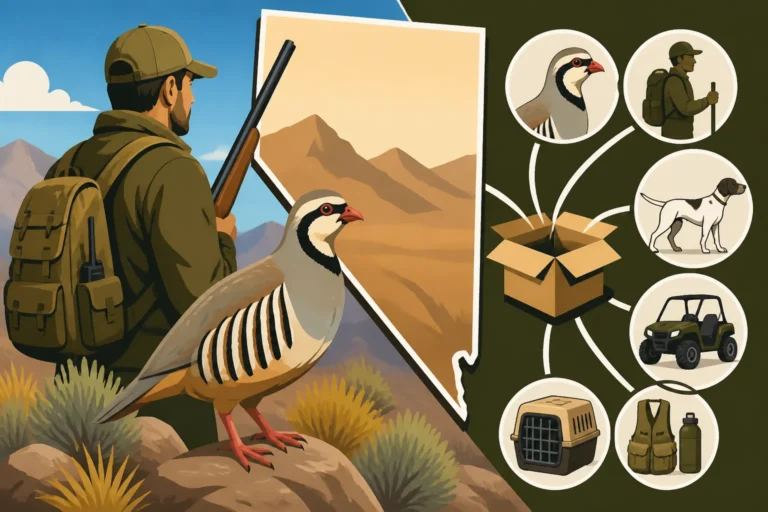
Since you'll be self-sufficient once dropped off, your gear list is paramount. You're effectively establishing a temporary base camp in the wilderness, so every item needs to serve a purpose and be robust enough for backcountry conditions.
Here’s a breakdown of what you'll need:
- Shelter: While the outfitter often provides a large wall tent, confirm this. If not, you'll need sturdy tents capable of withstanding Nevada's unpredictable weather, including strong winds and sudden snowstorms, even during early seasons at higher elevations.
- Sleeping System: A warm sleeping bag rated for temperatures well below what you expect, a comfortable sleeping pad, and maybe a cot if weight allows. Nights in Nevada can be surprisingly cold, even after warm days.
- Cooking & Food Prep: A reliable two-burner propane stove, fuel, pots, pans, utensils, and a wash basin. Don't forget biodegradable soap! Plan your meals meticulously, packing non-perishable items, and accounting for caloric needs during strenuous hunting days.
- Water Management: This is critical in arid Nevada. Bring enough water for the first few days, but also plan for purification. High-quality water filters, purifiers, or even a gravity-fed system are essential. Know your water sources beforehand by mapping out Hunting Water in Nevada's Driest Country or potential springs.
- Communication & Safety: A satellite messenger or satellite phone is non-negotiable for emergency communication. Cell service is virtually non-existent in many remote Nevada units. A comprehensive first-aid kit, bear spray (if in bear country), and navigation tools (GPS, maps, compass) are also vital. Ensure you have backup power for electronics.
- Hunting Gear: Optics (binoculars, spotting scope, tripod), rifle/bow, ammunition/arrows, knife, game bags, and a substantial pack for daily hunting and Packing an Animal Out of Roadless Country (even if an outfitter is picking up, you still need to quarter and get it to an accessible spot).
Remember, you’re responsible for everything once the outfitter leaves. Pack smart, pack light where possible, but never compromise on safety or essentials.
Planning Your Food and Water
This aspect of a drop camp hunt often gets underestimated. You're not just packing snacks for a day hike; you're planning every meal for every person for the entire duration of your stay, plus extra for emergencies.
Food:
Start by creating a detailed meal plan for each day, including breakfast, lunch, dinner, and snacks. Focus on calorie-dense, non-perishable foods that are easy to prepare. Dehydrated meals are excellent for weight savings. Consider staples like oatmeal, coffee, pasta, rice, jerky, nuts, dried fruit, and energy bars. Don't forget condiments, spices, and a few "comfort" items like hot chocolate or a favorite candy bar – morale boosters are important! Package your food in sturdy, bear-resistant containers or bags. Label everything clearly for easy access in camp. It's always a good idea to pack one or two extra days' worth of food in case unforeseen weather delays your pickup.
Water:
Nevada is dry, and while outfitters might drop a few jugs of water for your initial setup, it's rarely enough for a full hunt. Assume you'll need to source and treat your own water. Research your hunt unit for potential springs, seeps, or guzzlers. Many outfitters will drop you near a known, reliable water source. Pack multiple methods of water purification: a reliable filter, purification tablets, and perhaps a small stove for boiling. Always have a backup. Plan for at least one gallon of water per person per day for drinking, cooking, and basic hygiene. This is a minimum; strenuous activity and hot weather will increase this requirement. The adage "ounces equal pounds, and pounds equal pain" is true, but water is one area where you absolutely cannot skimp.
Cost Expectations for a Nevada Drop Camp
One of the big draws of a drop camp is its relative affordability compared to a fully guided hunt. However, "affordable" is a relative term in the world of big game hunting, especially in a state like Nevada, where draw odds can be long and the experience truly premium. Understanding what you're paying for—and what you're not—is key to managing your budget and expectations.
What's Typically Included
When you book a Nevada drop camp, you're primarily paying for logistical support. Here's what you can generally expect:
- Round-trip transportation: This is the core service. The outfitter will pack you and your gear into a pre-determined backcountry camp and then pack you and your harvested game out. This often involves horses and mules, and the price will usually reflect the distance and difficulty of the pack in.
- Camp setup: Many outfitters will have a sturdy wall tent already set up and waiting for you, complete with a wood stove for heating and cooking. This saves you a huge amount of work and ensures you have a robust shelter. Some might include cots or basic cooking tables.
- Game retrieval: This is a crucial service. If you're successful, the outfitter will return to pack your animal out of the backcountry. Clarify how far they will go to retrieve an animal and if there are any additional fees for particularly long retrieves or extremely rugged terrain. You'll still be responsible for field dressing and quartering your animal, getting it ready for the pack string.
The cost for a Nevada drop camp varies widely based on the outfitter, the duration of the hunt, the species, the remoteness of the camp, and the specific services offered. Expect prices to be a fraction of a fully guided hunt, but still a significant investment. You might find listings and compare services on platforms like BookYourHunt or through hunting forums and outfitter directories.
Hidden Costs to Anticipate
While drop camps are more budget-friendly than guided hunts, they come with their own set of expenses beyond the outfitter's fee. Ignoring these can lead to an unwelcome surprise.
Here's what often isn't included and needs to be budgeted for:
- Licenses and Tags: These are always separate. You'll need to secure your Nevada combination license and, of course, successfully draw your big game tag.
- Personal Gear: All your hunting clothing, optics, rifle or bow, ammunition, sleeping system, personal first-aid kit, and navigation tools are your responsibility. This can easily run into thousands of dollars if you're starting from scratch.
- Food and Water: As discussed, you're providing all your own food and planning for water purification.
- Travel Expenses: Getting to Nevada, whether flying into Reno or Elko and then driving, or driving your own vehicle, plus fuel, lodging before/after the hunt, and any rental car costs.
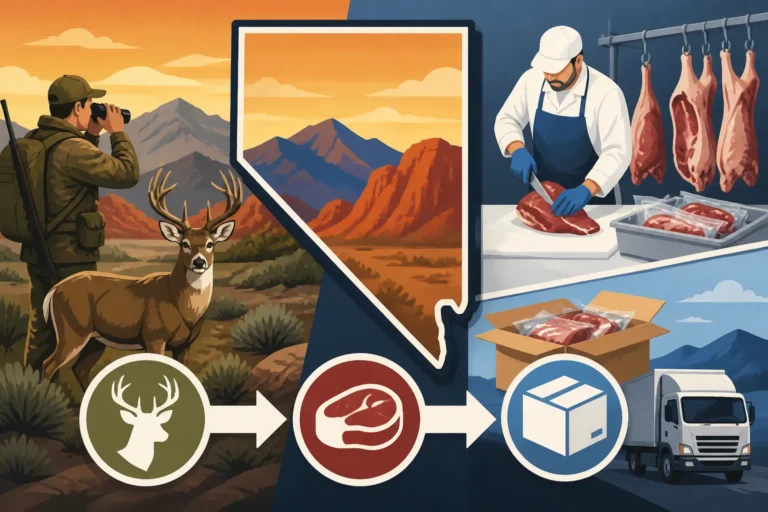
- Meat Processing and Shipping: Once your game is out of the field, you'll need to pay for butchering and, if you're a non-resident, potentially dry ice and shipping costs to get it home. Getting Meat Cooled on an Early Season Hunt can be a major consideration.
- Tips for Outfitter Staff: While you're not paying a guide directly, it's customary to tip the wranglers and packhands who work tirelessly to get you in and out.
- Taxidermy: If you harvest a trophy animal, factor in the cost of taxidermy.
Always ask for a detailed list of what is and isn't included when speaking with an outfitter. There should be no surprises.
Comparing Drop Camp vs. Fully Guided Costs
To help put things in perspective, let's look at a general comparison between a drop camp and a fully guided hunt in Nevada. Keep in mind that these are broad generalizations, and actual costs will fluctuate significantly.
| Feature | Drop Camp Hunt | Fully Guided Hunt |
|---|---|---|
| Outfitter Role | Transport, camp setup, game retrieval only. | Guide, camp, meals, transport, game care, instruction. |
| Hunter's Responsibility | Hunt, cook, all camp chores, personal gear. | Hunt, limited camp chores, personal gear. |
| Cost (Outfitter Fee) | Significantly lower (e.g., $1,500 – $4,000+) | Significantly higher (e.g., $5,000 – $12,000+) |
| Inclusions | Pack service, basic camp (tent, stove), game pack. | Everything: guide, full camp, food, game care. |
| Exclusions | Food, licenses, personal gear, tips. | Licenses, personal gear, tips (some may exclude food). |
| Independence | High – hunt on your own terms. | Moderate – guide often directs the hunt. |
| Effort | High physical and mental effort (DIY hunting). | Moderate to high (focused on hunting). |
| Best For | Experienced hunters seeking solitude and value. | Less experienced hunters, those seeking high success, or luxury. |
Note: These price ranges are illustrative. Always check current figures directly with outfitters.
As you can see, a drop camp puts more responsibility on your shoulders, but it offers a significantly lower barrier to entry for accessing those prime, remote Nevada hunting grounds. For specific figures, you'd need to contact individual outfitters or check specialized platforms.
Finding and Vetting a Nevada Drop Camp Outfitter
Finding the right outfitter for a Nevada drop camp is a critical step, almost as important as drawing the tag itself. The success, safety, and enjoyment of your hunt will heavily depend on the reputation, experience, and professionalism of the outfitter you choose. This isn't a decision to rush.
Researching Reputable Outfitters
Start your research early, ideally months before the draw application period opens in March. A good place to begin is by looking at lists of licensed Nevada outfitters. The Nevada Department of Wildlife (NDOW) website might have a directory or you can ask for recommendations on trusted hunting forums or social media groups dedicated to Western big game.
Online platforms like BookYourHunt can also be incredibly useful. These sites often list multiple outfitters, provide reviews from past clients, and offer detailed descriptions of services, including drop camps. You can filter by species, location, and hunt type, making it easier to compare options side-by-side. Pay close attention to outfitters specializing in Nevada or the specific region you've drawn a tag for. An outfitter who focuses on Nevada's Basin and Range for Mule Deer will have different expertise than one working the high country for elk.
Beyond online listings, reach out to hunting friends, attend hunting expos, and read articles from respected outdoor writers. Compile a list of potential outfitters and their contact information.
Key Questions to Ask
Once you have a shortlist, it's time to start making calls. Don't be afraid to ask detailed questions. A reputable outfitter will be happy to answer them thoroughly.
Here are some essential questions:
- Licensing and Permits: "Can you provide proof of your Nevada guide license and your federal land use permits for the specific unit I'm interested in?" Remember, Nevada Guides Need Federal Permits on Top of a State License for much of the state's public land.
- Experience: "How long have you been operating drop camps in this unit? What's your experience with pack animals in this specific terrain?"
- Camp Details: "What kind of camp will be set up? Is it a wall tent? What amenities (stove, cots) are included? How many hunters will the camp comfortably accommodate?"
- Game Retrieval: "What's your policy and typical turnaround time for game retrieval? Are there any additional fees for retrieves beyond a certain distance from camp?"
- Water Sources: "Will the camp be located near a reliable water source? What's your advice on water purification in that area?"
- Communication & Emergency Plan: "What communication device do you provide, or what do you recommend I bring? What's your emergency evacuation plan in case of injury or severe weather?"
- References: "Can you provide references from recent drop camp clients (preferably within the last year or two)?" Always follow up with these references! Ask them about the outfitter's reliability, communication, camp quality, and adherence to agreements. This is a critical step in Vetting a Nevada Outfitter Before You Send a Deposit.
- Weight Limits: "What are the weight limits for personal gear per hunter, both inbound and outbound?"
- Dates and Availability: "What are your available dates for drop camps, especially around my potential hunt season?"
- Contract and Payment: "Can I see a copy of your contract? What are your deposit requirements, payment schedule, and cancellation policy, particularly if I fail to draw my tag?"
Booking Timing and Deposit Considerations
The best time to book a Nevada drop camp is often before you even apply for your tag, especially for high-demand elk or premium mule deer units. Many reputable outfitters book up a year or more in advance. You'll often pay a deposit to hold your spot, with the understanding that the remaining balance is due if you successfully draw your tag.
This leads to a crucial question: what happens to your deposit if you don't draw? This is a point you absolutely must clarify upfront and get in writing. Some outfitters offer a full refund, others retain a portion as a booking fee, and some might roll your deposit over to the following year if you apply again. Understanding the refund policy is vital before you commit any funds.
When you're ready to book, review the contract carefully. It should clearly outline all services, dates, costs, payment schedules, and cancellation policies. Don't hesitate to ask for clarification on anything you don't understand. A transparent outfitter will appreciate your diligence.
Preparing for Your Nevada Drop Camp Hunt
Successfully executing a Nevada drop camp hunt is about more than just drawing a tag and finding an outfitter. It demands significant personal preparation – both physically and mentally – to ensure you can not only endure the challenges but truly thrive in the remote backcountry.
Physical and Mental Conditioning
Nevada hunting, particularly in backcountry drop camp scenarios, is physically demanding. You'll be traversing steep, rocky terrain, often at high elevations, covering many miles each day on foot. If you're successful, you'll be quartering an animal and potentially doing some initial hauling to an accessible pickup point. This is not a leisurely stroll.
- Physical Conditioning: Start your training months in advance. Focus on hiking with a weighted pack, inclines, and endurance. Incorporate exercises that strengthen your legs, core, and back. Consider simulating conditions by Preparing Physically for Long Glassing Days or hiking hills with your actual hunting boots. The fitter you are, the more you'll enjoy the hunt and the greater your chances of success. Altitude sickness can also be a real concern in Nevada's higher ranges, so being physically prepared helps mitigate its effects.
- Mental Toughness: Beyond the physical, a drop camp tests your mental fortitude. You'll be away from civilization, cell service, and likely other hunters for an extended period. You need to be comfortable with solitude, self-reliance, and problem-solving under pressure. Bad weather, slow hunting, or unexpected challenges can test your patience. Cultivate a positive attitude and a resilient mindset. Remember, the challenge is part of the reward.
Route Planning and Navigation
Even with an outfitter getting you to and from camp, the day-to-day navigation and hunting in your unit are entirely your responsibility. Nevada units are vast, and getting turned around is a serious concern.
- Maps and GPS: Before your hunt, obtain detailed topographical maps of your hunt unit. Study them meticulously, identifying potential game movement corridors, water sources, ridge lines, and escape routes. Learn Reading a Nevada Hunt Unit Before You Apply and how different terrain features relate to each other. Invest in a reliable GPS unit (or a smartphone app with downloaded maps like OnX Hunt) and learn how to use it proficiently. Mark your camp location, known water sources, and any other critical waypoints. Have redundant navigation tools—a physical map and compass should always be in your pack, even if you rely primarily on GPS.
- Satellite Communication: As mentioned, cell service is rare in the backcountry. A satellite messenger device (like a Garmin inReach or Zoleo) is essential. It allows you to send and receive text messages, share your location, and most importantly, trigger an SOS in an emergency. Understand Satellite Messenger Use in Remote Country and how to use your device before you leave home. This isn't just for emergencies; it can be vital for coordinating with your outfitter for pick-up or game retrieval.
Emergency Preparedness
While no one wants an emergency, being prepared for one is paramount. In a remote drop camp, you are your own first responder for hours, if not days, until help can arrive.
- First Aid: Carry a comprehensive wilderness first-aid kit and know how to use its contents. Consider taking a wilderness first-aid course. Basic knowledge of treating cuts, sprains, fractures, and hypothermia can be life-saving. Understand how to manage minor issues to prevent them from becoming major problems. Wilderness First Aid on a Guided Hunt provides excellent insights into what you might encounter.
- Gear Repairs: Small issues can become big problems quickly in the backcountry. Carry a basic repair kit including duct tape, zip ties, parachute cord, a multi-tool, and an extra knife. Know how to field-fix a torn tent, a broken backpack strap, or a rifle sling.
- Weather Contingencies: Nevada weather can change dramatically and rapidly, especially at elevation. Be prepared for extreme temperature swings, high winds, rain, and snow. Pack appropriate layering clothing and a waterproof outer shell. Have an emergency shelter plan, even if it's just a sturdy tarp, in case your main tent is damaged.
- Communication Backup: Beyond your satellite messenger, carry a whistle, signal mirror, and know how to build a signal fire. These low-tech options can be invaluable if your electronics fail.
- Self-Rescue Mindset: The core of emergency preparedness in a drop camp is a self-rescue mindset. You must be mentally prepared to handle problems on your own, to make sound decisions under stress, and to have the skills and tools to get yourself out of a bind or survive until help arrives.
A drop camp hunt in Nevada is an incredible adventure, offering unparalleled access to wild country and big game. By understanding the logistics, preparing thoroughly, and vetting your outfitter carefully, you can turn that dream hunt into a reality.
Disclaimer
This article is for general informational purposes only and does not constitute professional advice. Laws, prices and regulations vary by location and change over time. Consult a qualified professional for guidance on your specific situation.