Which BLM District a Guide Applies To
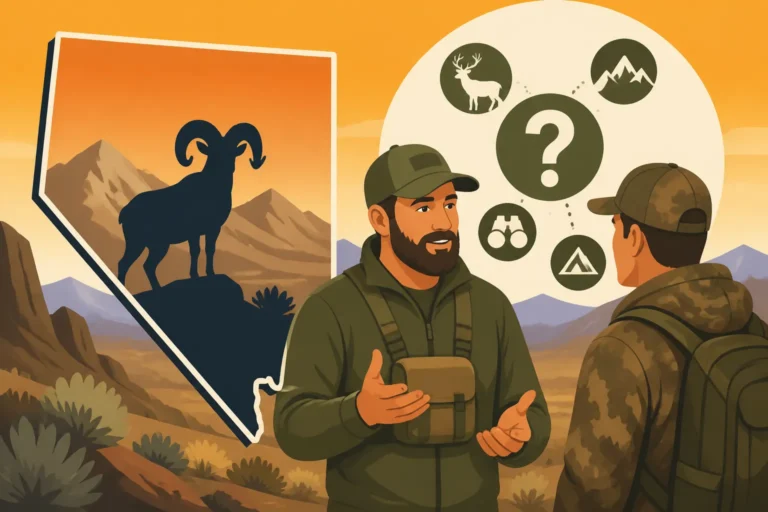
If you're an aspiring hunting guide in Nevada, or even an experienced one moving in from another state, you might quickly find yourself scratching your head when it comes to the layers of licensing and permitting required. It's not just about getting your state guide license; the vast tracts of federal land here mean you also need special permits from federal agencies like the Bureau of Land Management (BLM). Understanding which specific BLM district office you need to apply to for these permits can feel like trying to solve a puzzle, but it's a critical step to ensure you're operating legally and ethically for your clients. This guide will walk you through the nuances of identifying and applying to the correct BLM districts in Nevada, so you can focus on leading great hunts.
The Layered World of Nevada Guide Licensing
Nevada is a state of vast public lands, and that's a huge part of its appeal for hunters. But for a guide, that also means navigating a complex system of permissions. It's not enough to simply have your state-issued guide license; you also need specific permits to operate on the lands managed by federal agencies. This dual requirement often catches new guides by surprise and can be a significant hurdle if not handled correctly.
State vs. Federal Permit Basics
First, let's break down the two main types of authorizations you'll need. The Nevada Department of Wildlife (NDOW) is responsible for licensing hunting guides and outfitters within the state. They set the standards for your qualifications, ethics, and operational practices. Obtaining your NDOW guide license is your first and most fundamental step. This license tells the state that you've met their criteria to lead hunters in the field, from knowing game laws to demonstrating appropriate outdoor skills. You can learn more about How NDOW Licenses Hunting Guides and the process involved.
However, holding an NDOW license doesn't automatically grant you permission to conduct commercial operations, like guided hunts, on federal land. That's where the federal land management agencies come in, primarily the Bureau of Land Management (BLM) and sometimes the U.S. Forest Service (USFS). These agencies manage the vast majority of Nevada's hunting grounds. To use these lands for commercial purposes, like guiding clients to a trophy mule deer or an elusive chukar, you need a Special Recreation Permit (SRP). This federal permit is essentially a lease or a contract allowing you to conduct business on public property. Without it, even with a valid state license, you're technically trespassing for commercial gain, which can lead to serious penalties.
Why Federal Land Permits Are Non-Negotiable
If you look at a land ownership map of Nevada, it becomes immediately clear How Much of Nevada Is Public Land. The federal government manages an overwhelming percentage of the state, with the BLM being the largest landlord. This means that almost any serious big game or upland bird hunt you plan to conduct for a client will inevitably take place on BLM or USFS land. Therefore, Why Nevada Guides Need Federal Land Permits isn't just a suggestion; it's a legal and practical necessity. Imagine spending weeks scouting a fantastic elk unit, lining up clients, only to find out at the last minute that you can't actually guide there because you lack the proper federal authorization. It's a nightmare scenario that proper permitting aims to prevent. These permits ensure that commercial operations are managed responsibly, protect the resource, and provide fair access for all users of public lands. They also ensure that guides carry adequate insurance, protecting both the clients and the land management agency.
Navigating the BLM Districts for Guide Permits
Now we get to the core of the matter: which specific BLM district do you apply to? Nevada is vast, and the BLM has multiple field offices, each responsible for managing a particular geographic area. You can't just send one application to a central BLM office and expect it to cover the entire state.
Understanding BLM District Boundaries
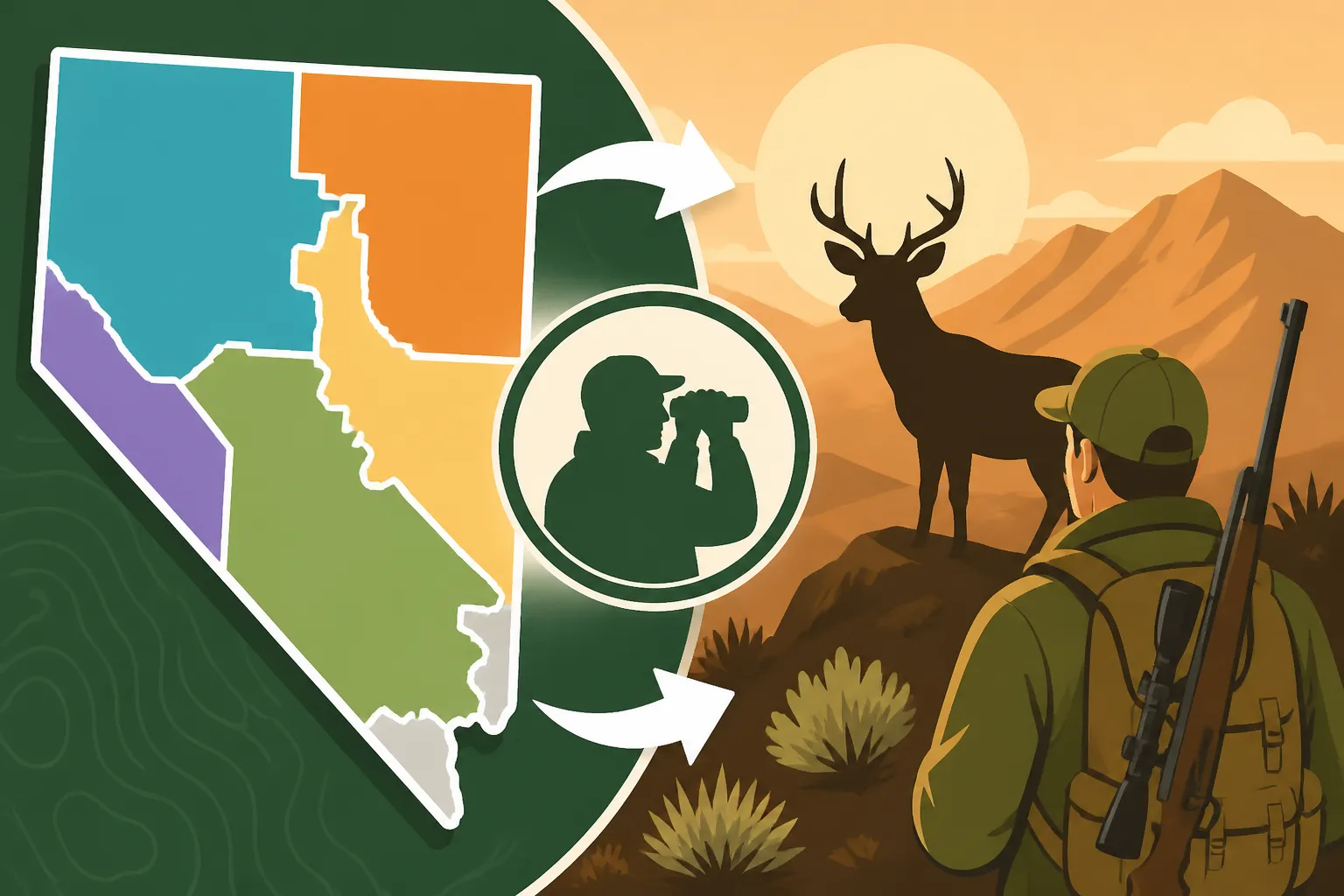
The critical thing to understand is that BLM permits are issued by the specific field office that has jurisdiction over the land where you intend to operate. Nevada's BLM lands are divided into several administrative districts, which are then further broken down into field offices. For example, the Elko District Office covers a huge chunk of northeastern Nevada, but within that, you have field offices like Elko and Wells. Similarly, the Winnemucca District Office covers much of the northwest, with offices like Black Rock and Humboldt River.
A guide must identify the specific BLM Field Office (or offices) that manage the hunt units they plan to operate in. This often means meticulous research, pouring over maps to understand the boundaries. If you plan to guide in Unit 111, which falls under the jurisdiction of the Ely District Office, that's where your application needs to go. If you also plan to guide in a unit further north, say Unit 061, which might fall under the Winnemucca District, then you'd need to apply to both districts, or explore options for joint permits. This decentralized system ensures that local BLM staff, who are most familiar with the specific resources and challenges of their area, are the ones reviewing and approving commercial use permits.
The Application Process for BLM Permits
Once you've identified the relevant BLM district(s), the application process begins. It's not a one-size-fits-all form, and each field office might have slightly different nuances or required supplemental information. Generally, you'll be applying for a Special Recreation Permit (SRP) for outfitting and guiding.
Here's a breakdown of the typical steps:
- Contact the Field Office: Your first move should always be to reach out directly to the BLM field office (or offices) that manage your intended hunting units. This allows you to get the most current application forms, fee schedules, and specific requirements for their area. They can also clarify any questions about boundaries or specific land use regulations, such as Wilderness Study Areas and Vehicle Limits within their jurisdiction.
- Complete the Application: The application will require detailed information about your business, your proposed activities (e.g., guided elk hunts, deer hunts, chukar hunts), the specific locations you plan to use, and the dates of operation. You'll need to demonstrate your experience and capacity to conduct these activities safely and responsibly.
- Provide Supporting Documentation: Expect to submit proof of your valid NDOW guide license, commercial liability insurance (with the U.S. government listed as an additional insured), and sometimes a proposed operating plan or client list. The insurance requirement is critical, as it protects both you and the public land from potential incidents.
- Fee Payment: There will be an application fee, and if approved, a use fee based on the revenue generated from your operations on federal land. These fees contribute to the management and maintenance of the public lands you're utilizing.
- Review and Approval: The BLM will review your application, often taking into account other permits issued in the area, potential environmental impacts, and public access concerns. This process can take time, so applying well in advance of the hunting season is crucial. Some field offices may have specific periods when they accept new applications or review existing ones.
It's worth noting that guides operating on U.S. Forest Service land would follow a similar, though distinct, process with the appropriate USFS District Ranger's office. Nevada does have significant How Much National Forest Nevada Holds in areas like the Humboldt-Toiyabe National Forest, so it's a consideration for guides working those mountainous regions.
Here's a quick comparison of general requirements:
| Requirement | State (NDOW) Guide License | Federal (BLM/USFS) Special Recreation Permit |
|---|---|---|
| Purpose | Authorizes individual to guide within Nevada | Authorizes commercial use of specific federal lands |
| Issued By | Nevada Department of Wildlife (NDOW) | Specific BLM Field Office or USFS Ranger District |
| Key Information | Experience, background check, knowledge of game laws, ethics | Proposed activities, locations, dates, operational plan, insurance |
| Coverage Area | Statewide (contingent on federal permits) | Specific land management units/areas within that district's jurisdiction |
| Typical Term | Annual or multi-year | Annual or multi-year (often up to 5 years, with annual operating plans) |
| Prerequisite | Often requires valid CPR/First Aid certification | Requires valid state guide license and commercial insurance |
Key Considerations for Guides Operating Across Districts
For many guides, especially those who specialize in highly sought-after species or diverse terrain, operating in multiple BLM districts is a common practice. This introduces additional complexities but also opportunities.
The Importance of a Joint Permit
If your guiding business spans across the jurisdiction of several BLM field offices, or even involves both BLM and National Forest lands, the concept of a "joint permit" becomes incredibly important. The BLM, recognizing the logistical challenges for guides, does have mechanisms to BLM Nevada Issues Joint Permits to Master Guides. A joint permit can streamline the process, allowing a guide to apply through one primary field office, which then coordinates with other affected offices or agencies. This avoids the need for separate, redundant applications to every single office, which would be a bureaucratic nightmare. However, it still requires that all relevant agencies agree to the terms and conditions.
For a guide, obtaining a Master Guide license from NDOW often goes hand-in-hand with pursuing these broader federal permits. Master Guides typically have more extensive experience and a proven track record, making them better positioned to secure and manage permits across wider operational areas. It signifies a higher level of commitment and capability in the guiding profession.
Researching Specific Unit Jurisdictions
Before you even think about putting in an application, diligent research into the exact geographical boundaries of hunt units and their corresponding BLM or USFS jurisdictions is paramount. This isn't just about knowing where the animals live; it's about knowing whose land you'll be operating on. Online mapping tools have become indispensable for this. Platforms like GoHunt offer advanced mapping layers that can clearly delineate public land ownership, including BLM and Forest Service boundaries, down to the specific field office. This allows guides to e-scout their potential operating areas and pinpoint exactly which federal agency and office has jurisdiction. This level of detail ensures that when you call a BLM office, you're asking about the correct piece of ground.
Clients, too, can benefit from this transparency. When searching for outfitters on platforms like BookYourHunt, successful guides often clearly list their permitted operating areas, giving clients confidence that the guide is operating legally and responsibly. This kind of upfront information is a hallmark of a professional outfitter.
Staying Compliant and Avoiding Pitfalls
The regulations governing guided hunts on federal land are not there to be ignored. Non-compliance can lead to severe consequences, not just for your business but for your reputation and ability to guide in the future. Operating without the correct federal permits can result in hefty fines, confiscation of equipment, and even the revocation of your state guide license. The BLM and USFS take commercial use permits very seriously, as they are stewards of public resources.
It’s the guide’s responsibility to stay informed about all current regulations, not just at the state level but also with each federal agency. This includes understanding Motorized Travel Rules on Nevada Public Land, fire restrictions, seasonal closures, and any specific stipulations attached to your permit. Regular communication with the administering field office is always a good idea. Changes in land use plans or unexpected circumstances can sometimes impact your ability to operate, and having an open line of communication can help you navigate these challenges. For peace of mind, make sure you know Verifying a Nevada Guide License for yourself and any other guides working under your outfitting business.
A table summarizing BLM District Offices in Nevada for guiding purposes:
| BLM Field Office | District Office | Primary Region of Coverage | Notes for Guides |
|---|---|---|---|
| Carson City Field Office | Sierra Front Field Office | Western Nevada, including areas near Reno, Carson City, Fallon | Often permits hunting in units bordering California; diverse habitat |
| Battle Mountain Field Office | Winnemucca District Office | Central Nevada, Toiyabe Range, expansive sagebrush basins | Key area for mule deer and antelope; remote country |
| Elko Field Office | Elko District Office | Northeastern Nevada, Ruby Mountains, Independence Range | Prime elk and mule deer country; includes high-elevation units |
| Ely Field Office | Ely District Office | East-Central Nevada, Schell Creek, Snake Range, White Pine Co. | Home to many bighorn sheep units and quality elk |
| Las Vegas Field Office | Southern Nevada District Office | Southern Nevada, Mojave Desert, Spring Mountains | Desert bighorn, desert mule deer; very arid environment |
| Winnemucca Field Office | Winnemucca District Office | Northwestern Nevada, Black Rock Desert, Santa Rosa Range | Chukar mecca, pronghorn; extremely remote areas |
This table provides a general overview, and actual jurisdictional lines can be complex. Always confirm with the specific BLM field office for your planned hunting units.
Disclaimer
This article is for general informational purposes only and does not constitute professional advice. Laws, prices and regulations vary by location and change over time. Consult a qualified professional for guidance on your specific situation.